

2 days ago
Supreme Court Leaves CJP September 5 March To Authorities

The Cockroach Janata Party plans to hold a protest march in Delhi on September 5.
Some people asked the Supreme Court to stop or delay the march.
They worried that troublemakers might join and cause violence.
They also said the march could create security concerns before the BRICS Summit.
The Supreme Court did not stop the march.
The judges said they could not assume that something bad would happen without strong evidence.
The court said the Centre and Delhi government must decide whether the march has permission and what safety rules are needed.
The CJP says it is protesting because the government allegedly did not withdraw cases against students from an earlier protest.

The Supreme Court declined to restrain the CJP’s September 5 protest march in Delhi.
The bench said there were no compelling circumstances to presume that the mobilisation would become violent.
Questions about permission, route conditions and law-and-order arrangements were left to the Centre and Delhi governments.
Petitioners cited possible infiltration by disruptive elements and sought postponement until after the September 12-13 BRICS Summit.
The CJP said the march was prompted by the government’s alleged failure to withdraw cases against students involved in the July protest.
- Who
- The Cockroach Janata Party, petitioners including retired Delhi Police officer Rajendra Singh and Shiv Upadhyay, and the Supreme Court bench led by Chief Justice Surya Kant.
- What
- The Supreme Court declined to restrain or postpone the CJP’s proposed September 5 protest march.
- Where
- The proposed march was to travel from India Gate to Delhi Police headquarters in Delhi.
- When
- The court considered the matter on Monday, August 31; the march was proposed for September 5, with the matter posted for September 10.
- Why
- The CJP said it was protesting the alleged failure to withdraw cases against students involved in the July protest; petitioners sought restrictions because they feared violence and security problems.
March Organisers
Petitioners
Purpose of the mobilisation
March Organisers
The CJP said the march was intended to protest the alleged failure of the Central government to withdraw cases against students involved in the July protest over alleged question-paper leaks, including NEET 2026.
Petitioners
The petitioners focused on the risks associated with another large demonstration in a sensitive area of Delhi and sought its postponement or modification.
Risk of violence
March Organisers
The Supreme Court said there were no compelling circumstances at that stage to presume that the march would become violent and expressed confidence that participants would act peacefully and lawfully.
Petitioners
The petitioners argued that disruptive elements could infiltrate the march and potentially repeat violence witnessed during the July 20 protest.
Permission and timing
March Organisers
The organisers proposed holding the march on September 5.
Petitioners
The petitioners said the march had not obtained requisite police permission and asked that it be delayed until after the BRICS Summit on September 12 and 13.
Key facts
- Proposed march
- September 5, from India Gate to Delhi Police headquarters
- Court decision
- The Supreme Court declined to intervene or postpone the march
- Law-and-order responsibility
- The Centre and Delhi governments were left to decide permissions and conditions
- Bench
- Chief Justice Surya Kant, Justice Joymalya Bagchi and Justice V. Mohana
- Petitioners’ request
- They sought restrictions or postponement until after the September 12-13 BRICS Summit
- Next hearing
- The application was posted for September 10 along with the main student-protests matter
Quotes
Chief Justice Surya Kant
Chief Justice of India and head of the Supreme Court bench hearing the application
“We have no reason to doubt that everyone will behave in a peaceful and lawful manner…As of now, there are no compelling circumstances before us to presume or assume anything otherwise”
 wionews.com
“We have no doubt that organisers will behave responsibly… we can’t presume anything untoward will happen… all these factors can be considered by the authorities, we can’t do it”
 thestatesman.com
Sources
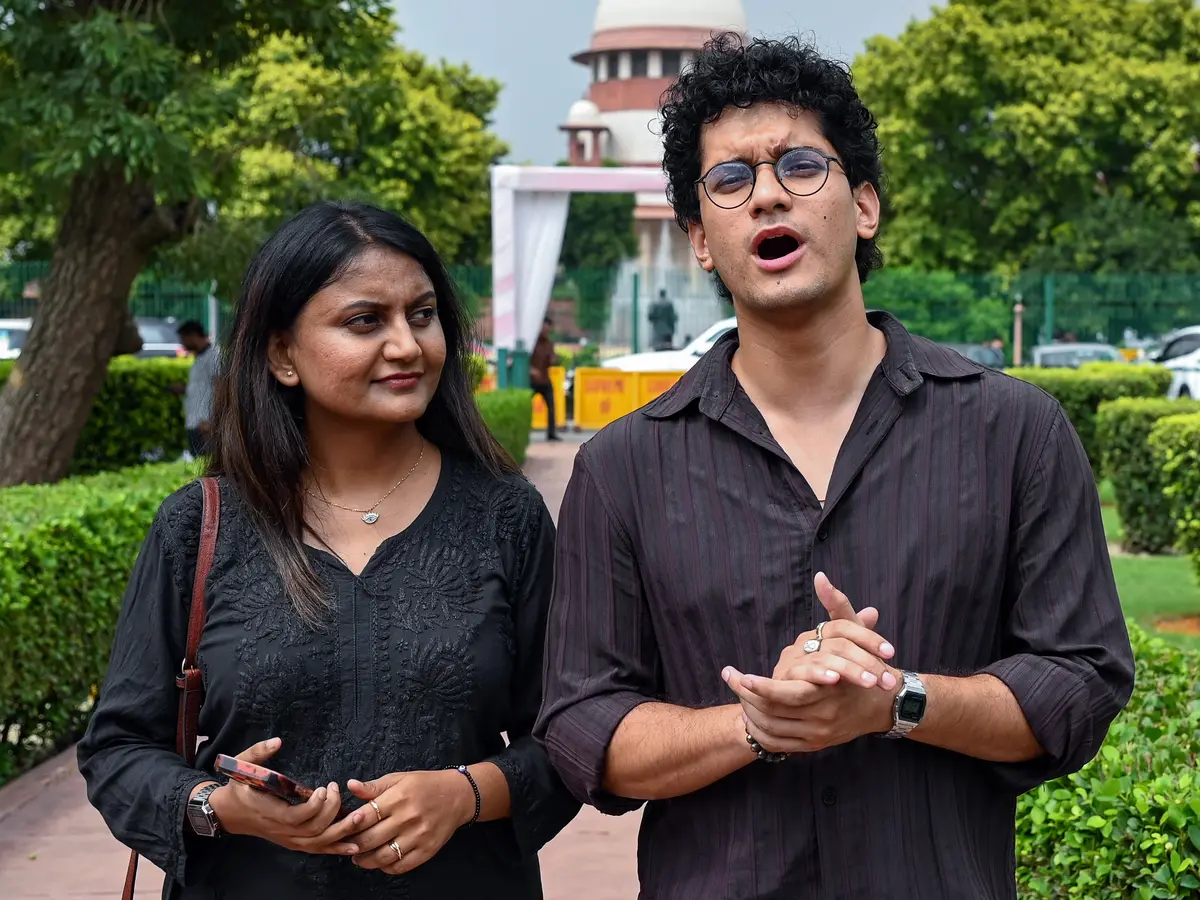
Related news

Supreme Court Declines Ban on CJP’s September 5 Delhi March
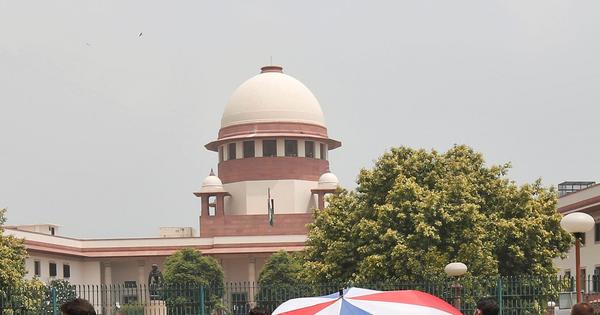
Supreme Court Declines to Halt CJP September 5 March

Supreme Court Refuses to Halt CJP's September 5 Protest March
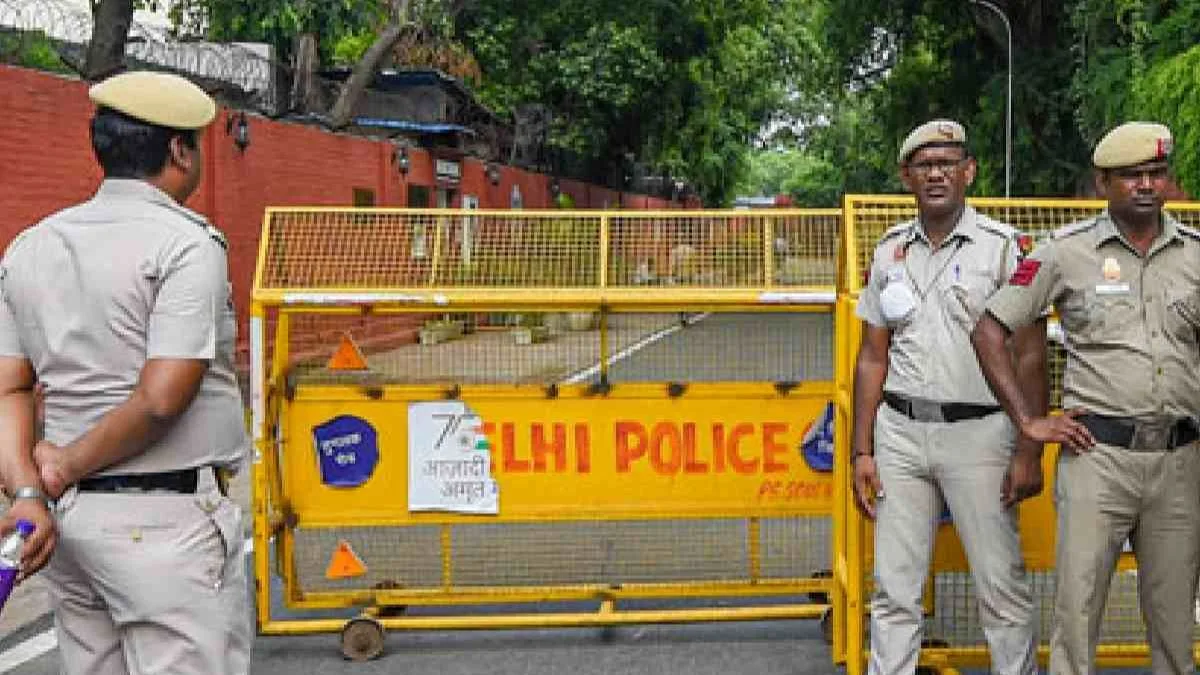
Delhi Police Says CJP Lacks Permission for September 5 March
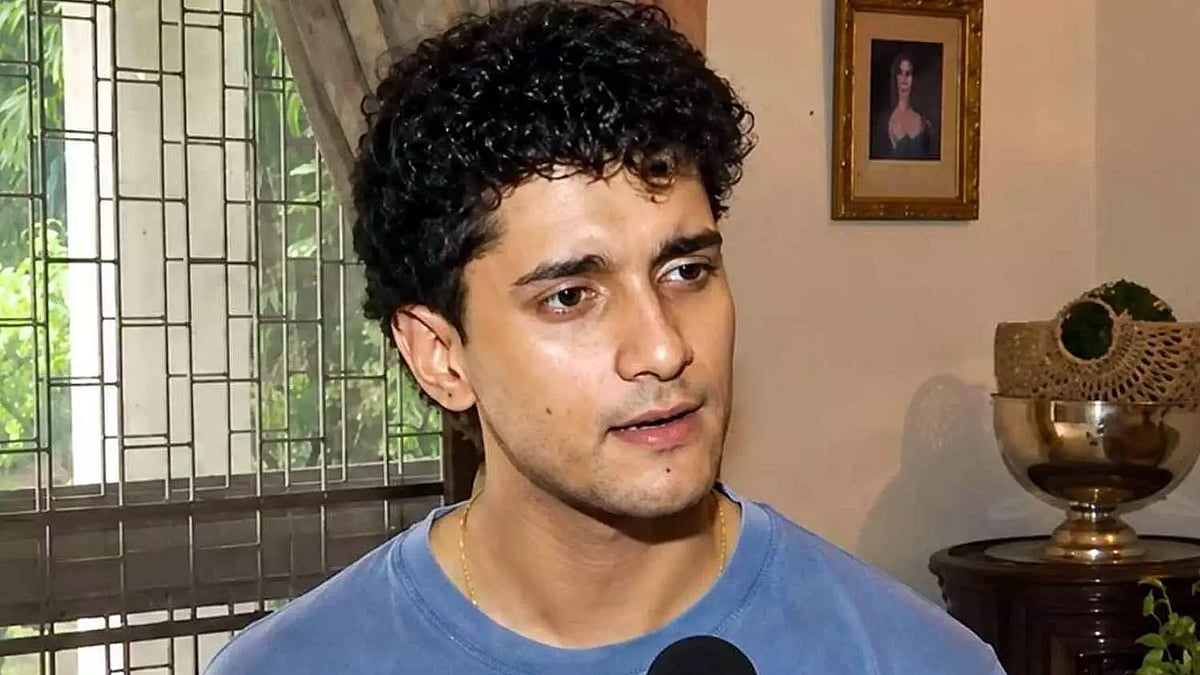
Centre Assures Withdrawal of Student Protest Cases; CJP Cancels March
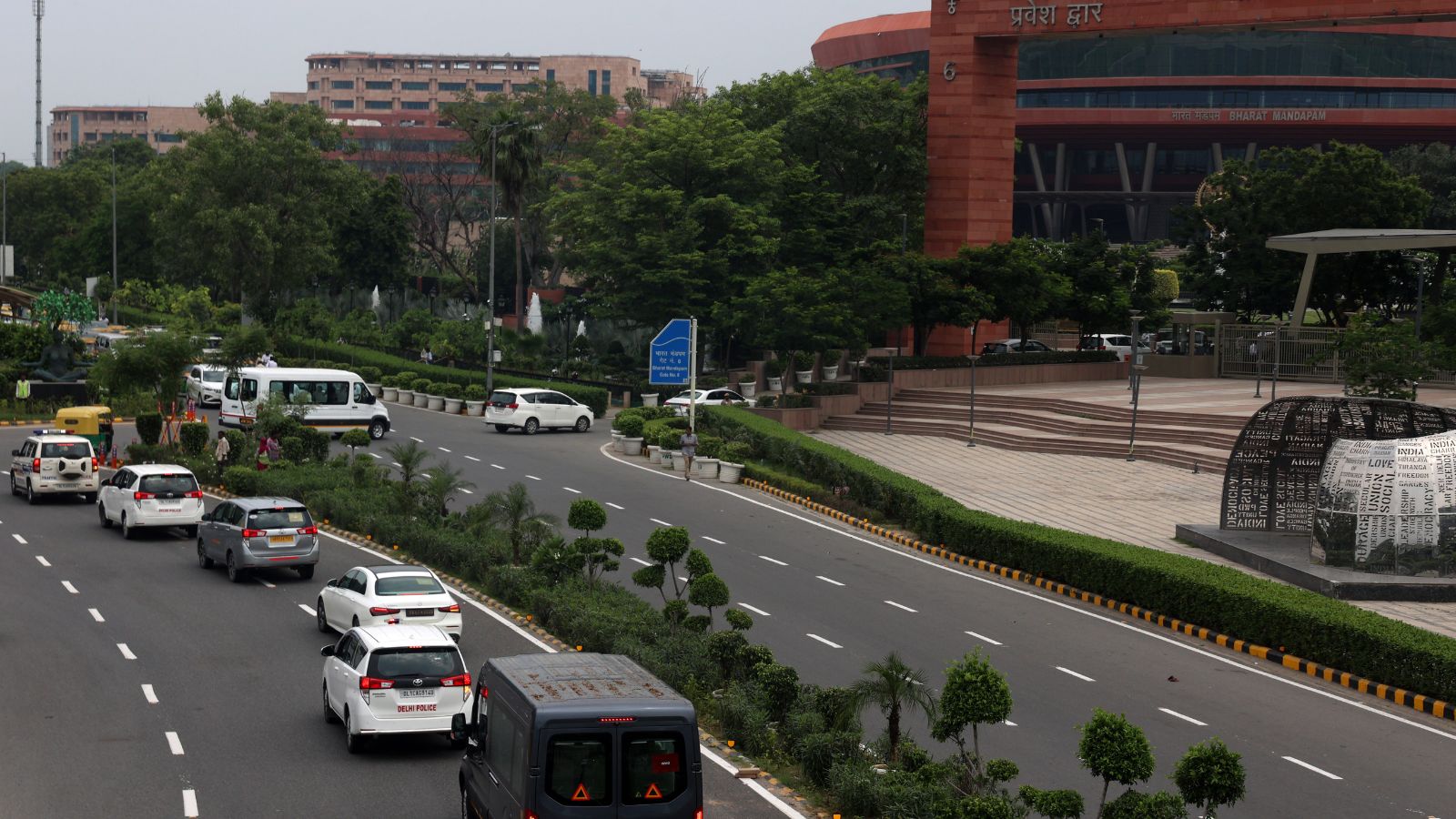
Delhi Deploys Drones to Monitor Traffic Ahead of BRICS Summit

Delhi LG Reviews Traffic Congestion, Safety With Police Officials

Delhi Hotels Raise Rates As BRICS Summit Rooms Sell Out

FSSAI Finds Expired Food and Pests at Delhi Hotels
