2 days ago
Supreme Court Declines Ban on CJP’s September 5 Delhi March

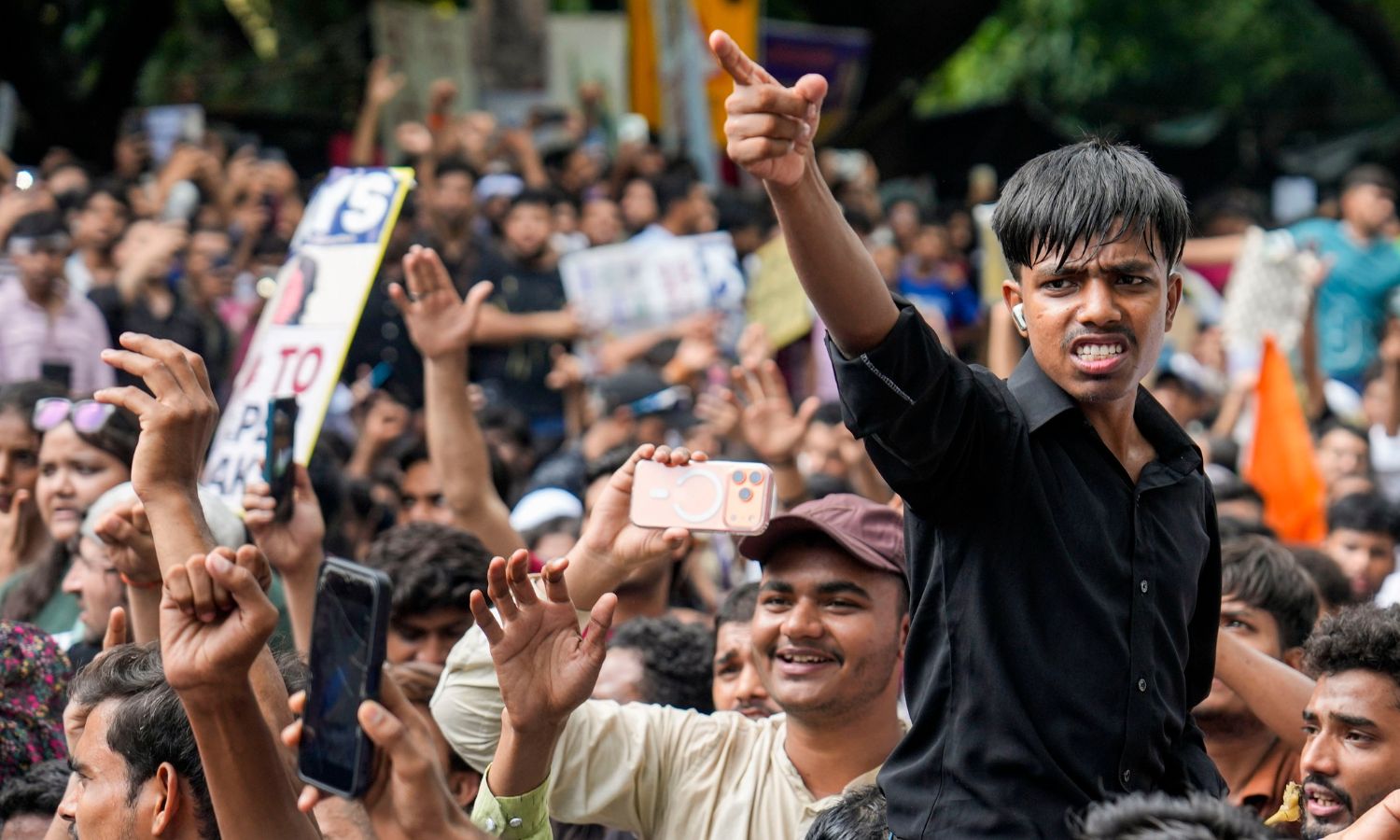
The Cockroach Janta Party plans a protest march in Delhi on September 5.
A petitioner asked the Supreme Court to stop or restrict it.
The court did not ban the march.
It said there was no reason to assume that the protest would become violent.
The judges told protesters and authorities to follow the law and behave peacefully.
The police and government must decide whether the march can happen and what rules will apply.
The petition raised concerns about sensitive places such as India Gate and Central Vista.
The party says it is protesting because promises about examination problems and police actions were not fulfilled.
The court also sent complaints about earlier alleged police violence to an enquiry committee.

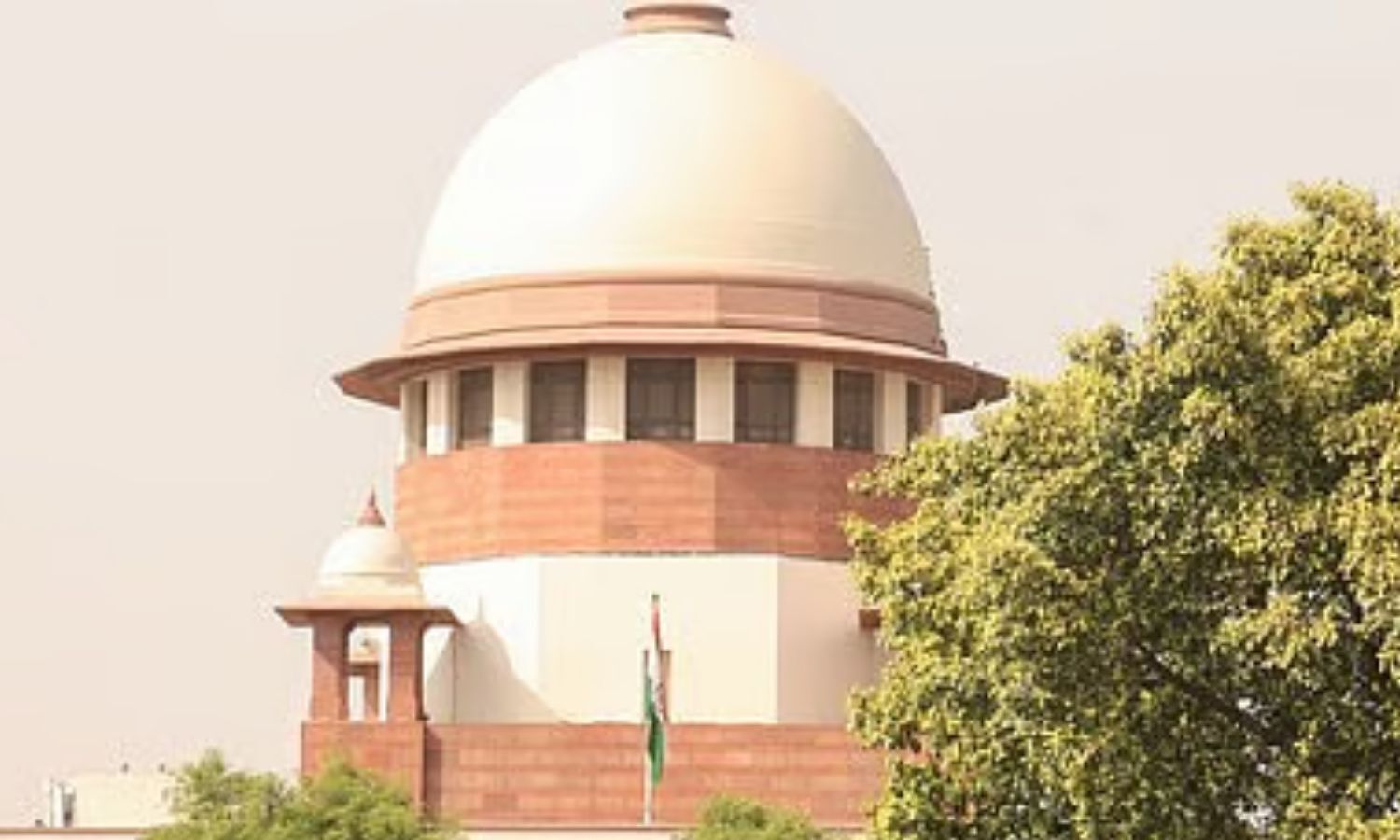
The Supreme Court declined to prohibit the Cockroach Janta Party’s planned September 5 march in Delhi.
The bench said protesters and authorities must remain peaceful, responsible and within the law.
Law-and-order decisions, including permissions, route and security, were left to the Centre, Delhi government and police.
Retired officer Rajendra Singh’s plea cited sensitive central Delhi areas and security concerns before the September 12-13 BRICS Summit.
The court directed petitioners to submit allegations about earlier protest violence to its High-Powered Enquiry Committee and listed the matter for September 10.
- Who
- The Cockroach Janta Party plans the march; retired Delhi Police officer Rajendra Singh filed the restriction plea; a bench led by Chief Justice Surya Kant heard it.
- What
- The Supreme Court declined to prohibit the September 5 march, issued notice and left operational law-and-order decisions to the authorities.
- Where
- The proposed route is from India Gate to Delhi Police Headquarters in Delhi; the plea concerns India Gate, Central Vista, Lutyens’ Delhi and adjoining areas.
- When
- The order was reported on August 31; the march is scheduled for September 5 and the case is listed for September 10.
- Why
- The CJP says the Centre failed to honour assurances concerning examination irregularities and police excesses, while the petitioner cited permissions, security and the upcoming BRICS Summit.
Restrictions and Security Concerns
Peaceful Protest Under Existing Law
Whether the march should be stopped
Restrictions and Security Concerns
Rajendra Singh and other petitioners sought restrictions or a prohibition, arguing that large-scale mobilisation in sensitive areas should require permissions and could create security concerns before the BRICS Summit.
Peaceful Protest Under Existing Law
The Supreme Court declined to presume that the march would become violent, finding no compelling circumstances at this stage to prohibit it.
Who should decide the march conditions
Restrictions and Security Concerns
The petition sought court directions regulating, postponing or modifying the march and preventing it from exceeding authorised limits.
Peaceful Protest Under Existing Law
The court said the Centre, Delhi government and police are responsible for determining what is permissible, managing law and order, and setting appropriate conditions.
Concerns about earlier protests
Restrictions and Security Concerns
Petitioners raised allegations involving police excesses, injuries, unlawful assembly and damage to public property during earlier agitation.
Peaceful Protest Under Existing Law
The court directed the concerns to its High-Powered Enquiry Committee, which was established to examine allegations involving both police action and protest-related violence.
Key facts
- March date
- September 5, Teachers’ Day
- Proposed route
- India Gate to Delhi Police Headquarters
- Supreme Court direction
- Protesters and enforcement agencies are expected to act peacefully, responsibly and lawfully.
- Petitioner
- Rajendra Singh, a retired Delhi Police officer
- Security concern
- The plea sought regulation or postponement of demonstrations in sensitive central Delhi areas before the BRICS Summit.
- BRICS Summit
- Scheduled for September 12-13
- Next hearing
- September 10, alongside connected pending petitions
- Enquiry committee
- A Supreme Court-formed High-Powered Enquiry Committee examining allegations related to police violence during NEET protests
Quotes
Supreme Court bench headed by Chief Justice of India Surya Kant
The three-judge Supreme Court bench hearing petitions concerning the proposed Delhi protests.
“They are expected to maintain law and order, and the enforcing agency has the responsibility to maintain law and order, saying what is illegal and what is permissible.”
 theprint.in
 deccanchronicle.com
 rediff.com
“We have no reason to doubt that everyone will behave in a peaceful and lawful manner.”
 thehansindia.com
Sources
Supreme Court Refuses To Halt CJP’s September 5 Delhi March, Leaves Law-And-Order Decision To Authorities

Expect everybody to act in responsible manner: SC refuses to prohibit CJP’s Sep 5 protest march
CJI Surya Kant-led SC Bench Refuses to Prohibit CJP's Sep 5 Protest

No SC ban on CJP's Sep 5 march: 'Expect everyone to act responsibly'
Supreme Court Refuses To Stop CJP’s September 5 Delhi March, Leaves Law And Order To Authorities
Related news

Supreme Court Leaves CJP September 5 March To Authorities
Supreme Court Declines to Halt CJP September 5 March
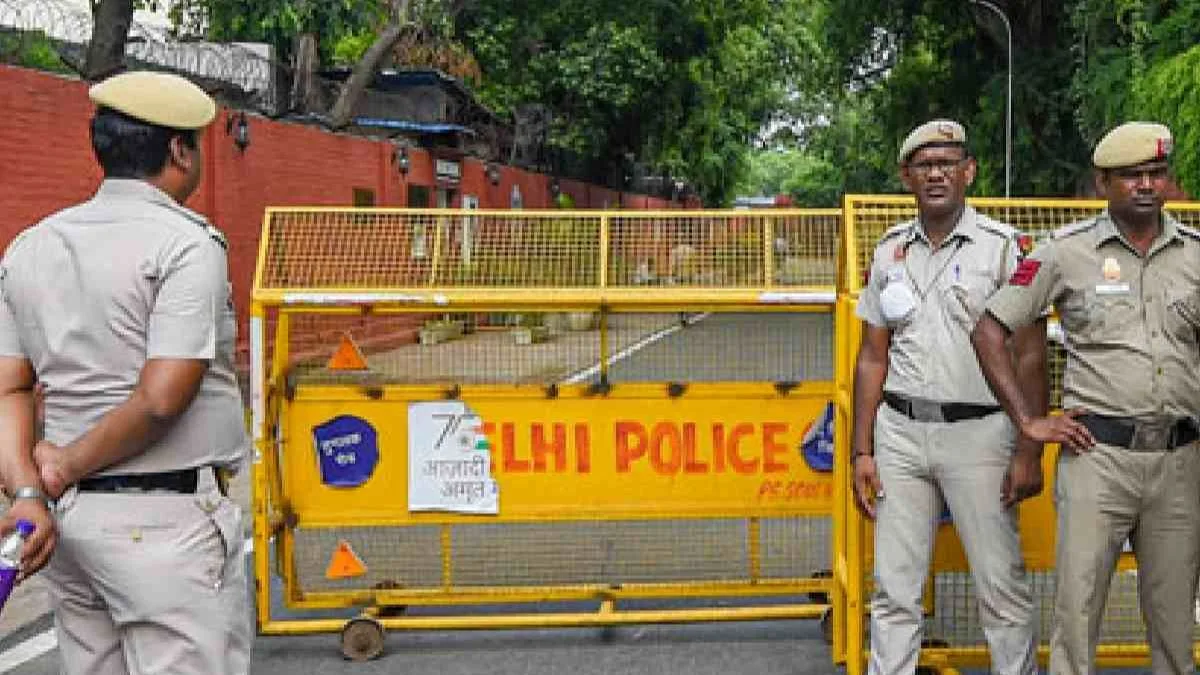
Delhi Police Says CJP Lacks Permission for September 5 March

CJP Announces September 5 Delhi March Over Unfulfilled Promises
Centre Assures Withdrawal of Student Protest Cases; CJP Cancels March

Supreme Court Refuses to Halt CJP's September 5 Protest March
PUCL Urges CJI Action Over Rajasthan High Court Allegations

Supreme Court Questions IPS Deputation for CAPF Leadership Positions
Supreme Court Quashes 20-Year Conviction, Reaffirms Juvenile Legal Protections

Two Years After RG Kar Doctor's Rape-Murder, Case Remains Unresolved

ED widens Chhattisgarh probes with two arrests and searches