2 days ago
Supreme Court Declines to Halt CJP September 5 March
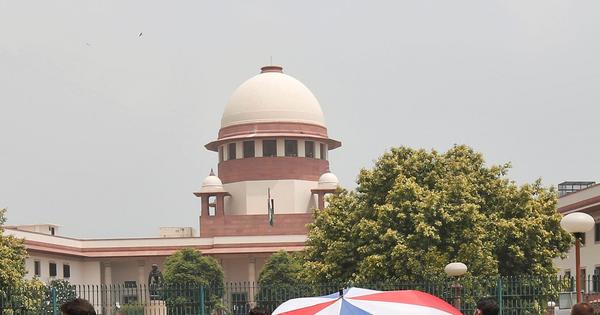
The Cockroach Janta Party wants to hold a march in Delhi on September 5.
A retired police officer asked the Supreme Court to stop it.
The court did not stop the march immediately.
Chief Justice Surya Kant said it should assume people will act peacefully for now.
The party says the government did not keep promises made after earlier protests ended.
Those protests concerned the handling of competitive examinations.
Earlier demonstrations had led to clashes with police and court orders protecting some protesters.
The court will consider the case again on September 10.

The Supreme Court declined to urgently restrict the Cockroach Janta Party’s planned September 5 march in Delhi.
Chief Justice Surya Kant said the court would presume participants would behave peacefully unless evidence suggested a law-and-order problem.
The party said the march would protest the Union government’s alleged failure to honor commitments made on July 25.
The protests began over alleged mismanagement of competitive examinations and included demands for the education minister’s resignation.
The case will be heard next on September 10, while the court said the proposed march should be addressed by police.
- Who
- The Cockroach Janta Party, retired police officer Rajender Singh, the Supreme Court, and Chief Justice Surya Kant.
- What
- The Supreme Court declined to issue an urgent order stopping the party’s planned march.
- Where
- The march is planned from India Gate to the Delhi Police headquarters in Delhi.
- When
- The march is planned for September 5; the case will next be heard on September 10.
- Why
- The party says the Union government failed to honor commitments made on July 25, while the petition sought restrictions over possible law-and-order concerns.
March Organizers and Supporters
Petition Seeking Restrictions
Whether the march should proceed
March Organizers and Supporters
The Cockroach Janta Party describes the event as a peaceful march and says it is needed because the government allegedly failed to honor its July 25 commitments.
Petition Seeking Restrictions
Rajender Singh sought directions restricting the march because of concerns about a possible law-and-order problem.
Who should decide on restrictions
March Organizers and Supporters
The party’s stated purpose is political protest and it says earlier commitments were not fulfilled.
Petition Seeking Restrictions
The Supreme Court said the proposed march would have to be addressed by the police rather than restricted through an urgent court order.
Handling of earlier protests
March Organizers and Supporters
The protests intensified after police used lathis, tear gas shells and pellet guns against demonstrators, according to the report.
Petition Seeking Restrictions
The authorities’ response reflected concerns about managing demonstrations, while the court later issued orders concerning detained minors and coercive action against student protesters.
Key facts
- Planned march
- September 5, from India Gate to the Delhi Police headquarters in Delhi
- Court decision
- The Supreme Court declined to issue an urgent restriction order
- Chief Justice
- Surya Kant said the court would presume participants would behave peacefully for now
- Petitioner
- Retired police officer Rajender Singh
- Protest trigger
- Alleged mismanagement of several competitive examinations
- Earlier court orders
- The court ordered the release of detained minors and limited coercive action against protesting students under specified conditions
- Next hearing
- September 10
Quotes
Surya Kant
Chief Justice of India and head of the Supreme Court bench hearing the petition
“We will, at least as of now, presume everybody will behave in a peaceful manner.”
 scroll.in
Sources
Related news

Supreme Court Declines Ban on CJP’s September 5 Delhi March

Supreme Court Leaves CJP September 5 March To Authorities

CJP Calls September 5 Delhi March Over Unkept Youth Promises

CJP Announces September 5 Delhi March Over Unfulfilled Promises
Centre Assures Withdrawal of Student Protest Cases; CJP Cancels March
Delhi Police Says CJP Lacks Permission for September 5 March
Lokesh Urges Alliance Leaders to Secure Huge Local Poll Victory

BJP MPs Seek National Commission for General Category Interests
Farooq Abdullah’s Threat Claims Ignite Fury Over Kashmir Statehood

GDP Row Escalates as Government Rebuts 2.6% Growth Claim

Karra Says J-K People Caught Between Two Power Centres