2 hrs ago
September 2026 Was Second-Hottest as Ocean Temperatures Set Record

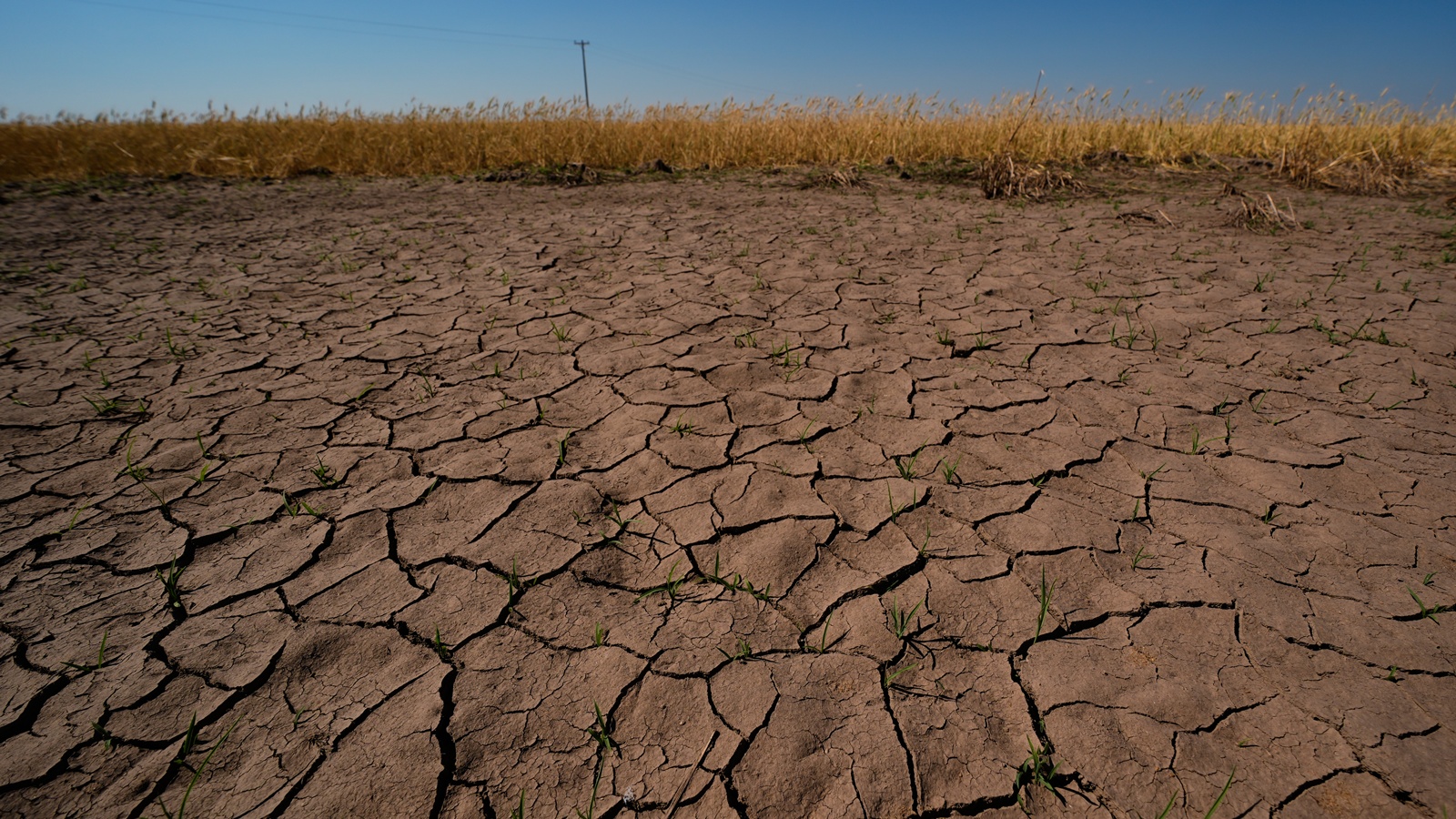
September 2026 was the second-hottest September measured.
The world's oceans were warmer than ever recorded for a month.
El Niño, a natural warming pattern in the Pacific Ocean, added to the heat there.
Greenhouse gases from human activities are also driving long-term global warming.
Sea ice was unusually low at both the North and South Poles.
Warm oceans can give storms extra heat and moisture, but they do not guarantee stronger storms everywhere.
One storm brought heavy rain and flooding to central-eastern India in September.
El Niño can affect India's monsoon, but this report does not predict what the next monsoon will be like.

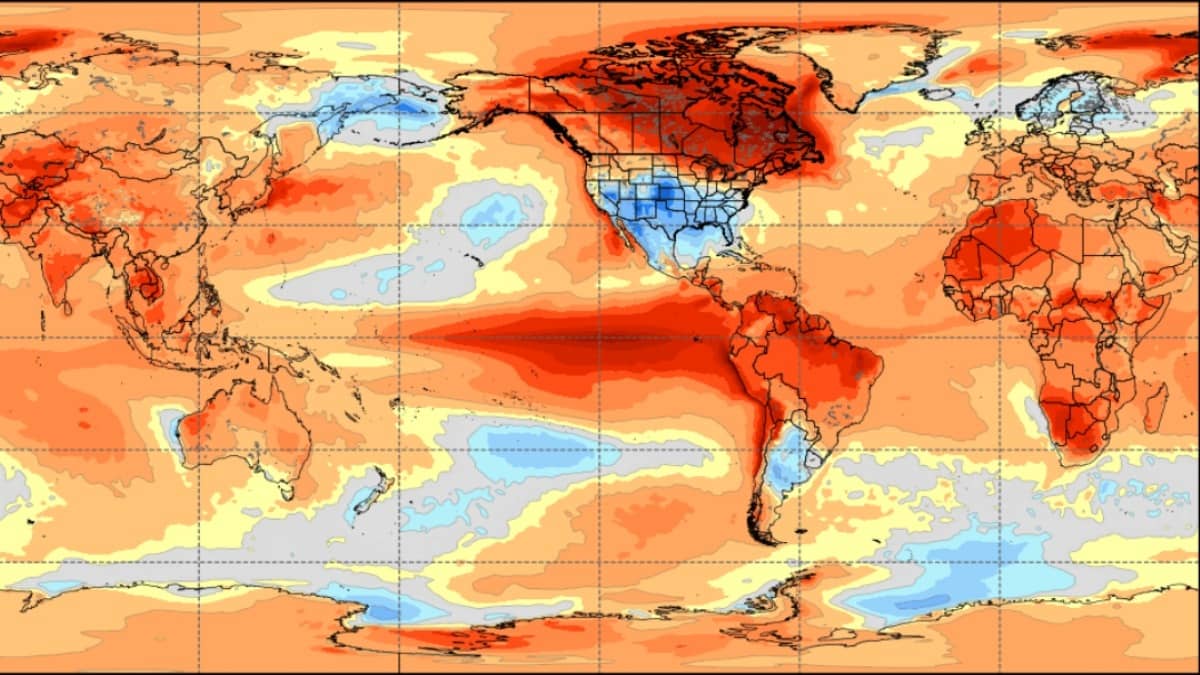
Global surface temperatures were 1.33°C above the 20th-century average, making September 2026 the second-hottest September on record.
Ocean surface temperatures averaged 1.10°C above the historical average, setting a record for any month and a fourth consecutive monthly high.
Global sea ice extent was about 800,000 square miles below its 1991–2020 average; Antarctic extent was third-lowest and Arctic extent 13th-lowest for September.
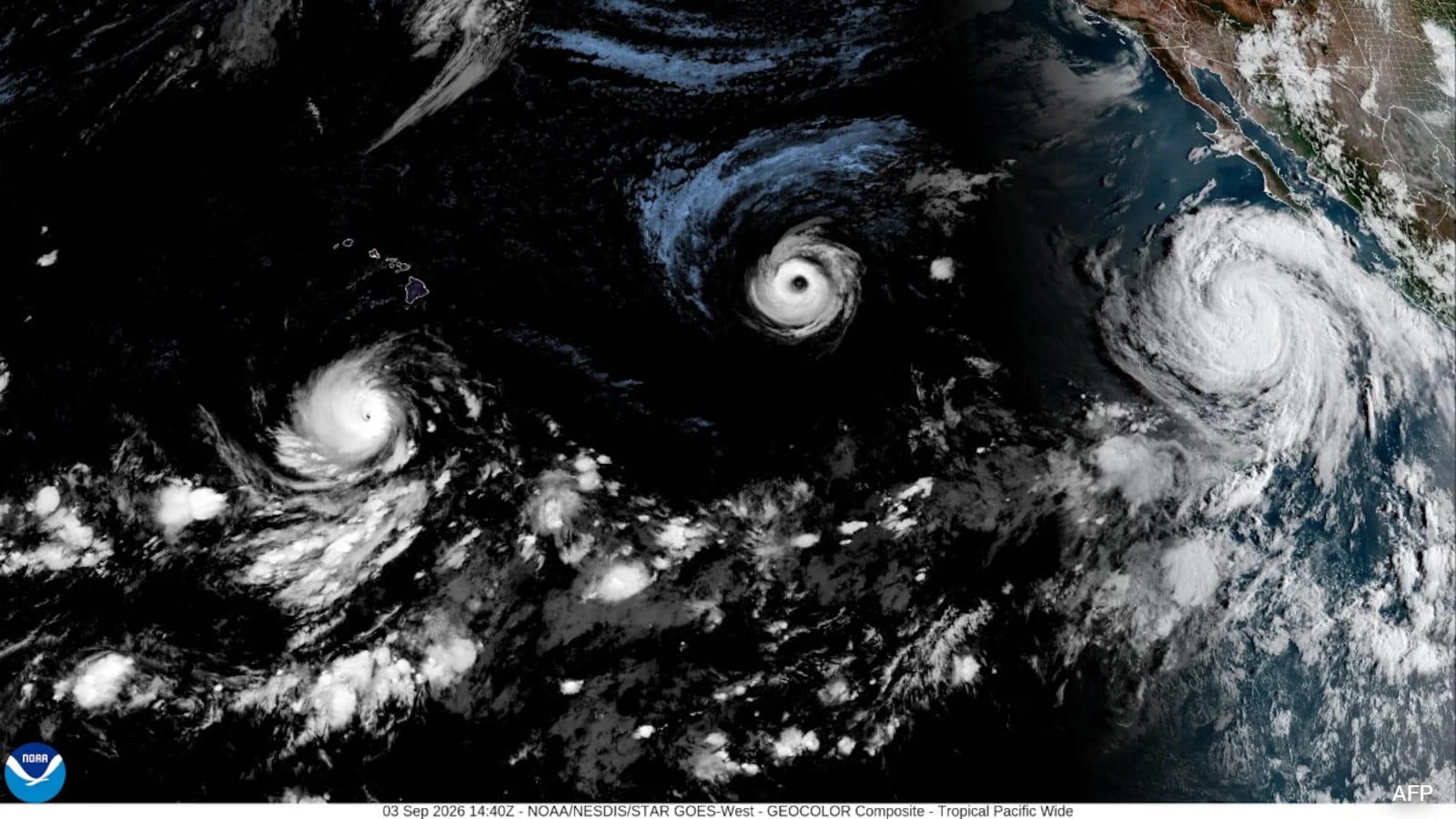
Nineteen tropical storms formed worldwide; the eastern North Pacific had September-record totals of seven hurricanes and five major hurricanes.
NOAA linked much of the tropical Pacific warmth to persistent El Niño conditions and said 2026 was very likely to rank among the five warmest years.
- Who
- NOAA reported the September climate findings; the US Climate Prediction Center assessed the El Niño outlook.
- What
- September 2026 was the second-hottest September on record, while global ocean surface temperatures set a monthly record.
- Where
- Globally, with record ocean warmth across the central and eastern tropical Pacific and parts of the Atlantic, Indian and Southern oceans.
- When
- September 2026; the El Niño assessment was issued October 8.
- Why
- Persistent El Niño conditions contributed to tropical Pacific warmth, while long-term warming is driven primarily by human-caused greenhouse gas emissions.
Climate indicators and risks
Limits and regional uncertainty
Ocean heat and storms
Climate indicators and risks
Warmer oceans can supply storms with additional heat and moisture, potentially raising rainfall and intensification risks.
Limits and regional uncertainty
A record ocean temperature does not mean every region will have stronger storms or more rainfall; local effects depend on atmospheric conditions, circulation and other factors.
El Niño and India's monsoon
Climate indicators and risks
El Niño is often associated with a greater risk of below-normal monsoon rainfall in India.
Limits and regional uncertainty
The relationship is not deterministic: some El Niño years have normal or above-normal rainfall, and the September report does not forecast India's next monsoon.
Key facts
- Global temperature anomaly
- 1.33°C above the 20th-century average
- Ocean temperature anomaly
- 1.10°C above the historical average, a record for any month
- September ranking
- Second-hottest September on record; September 2023 was 0.07°C warmer
- Sea ice extent
- 8.54 million square miles, around 800,000 square miles below the 1991–2020 average
- Worldwide tropical storms
- Nineteen formed during September
- El Niño outlook
- A strong-to-very-strong event was likely to persist through January–March 2027
- 2026 annual outlook
- NOAA considered it very likely that 2026 would rank among the five warmest years, with second place most likely
- India impact noted
- One North Indian Ocean storm brought heavy rainfall and flooding to central-eastern India
Sources
Related news
UN Warns El Niño Will Intensify Before December Peak
Strengthening El Niño and Hot Oceans Could Shape Climate in 2027
Scientists Warn Exceptional El Niño Could Intensify Global Heat
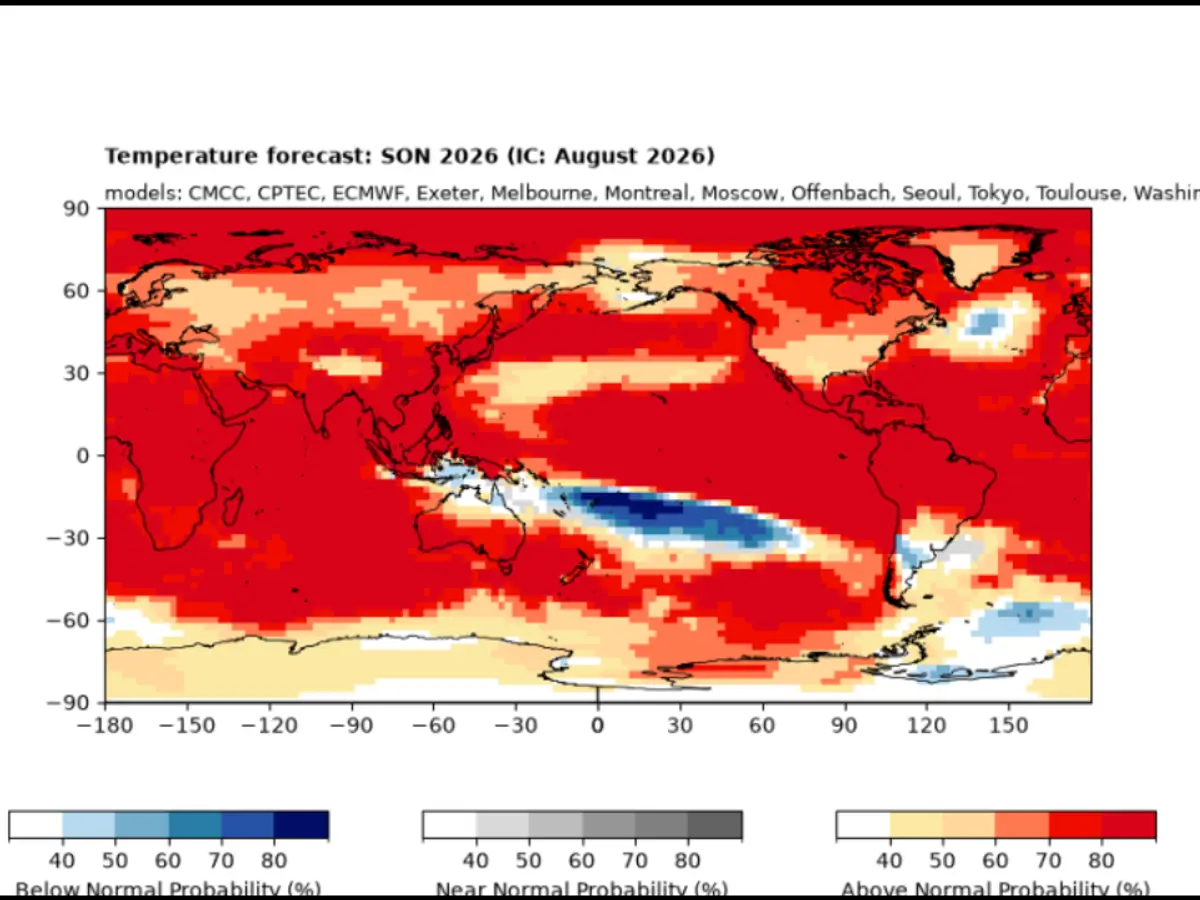
El Niño 2026 Heads Toward a Millennium-Scale Record

El Niño Reaches Record Strength, Expected to Persist Through Winter
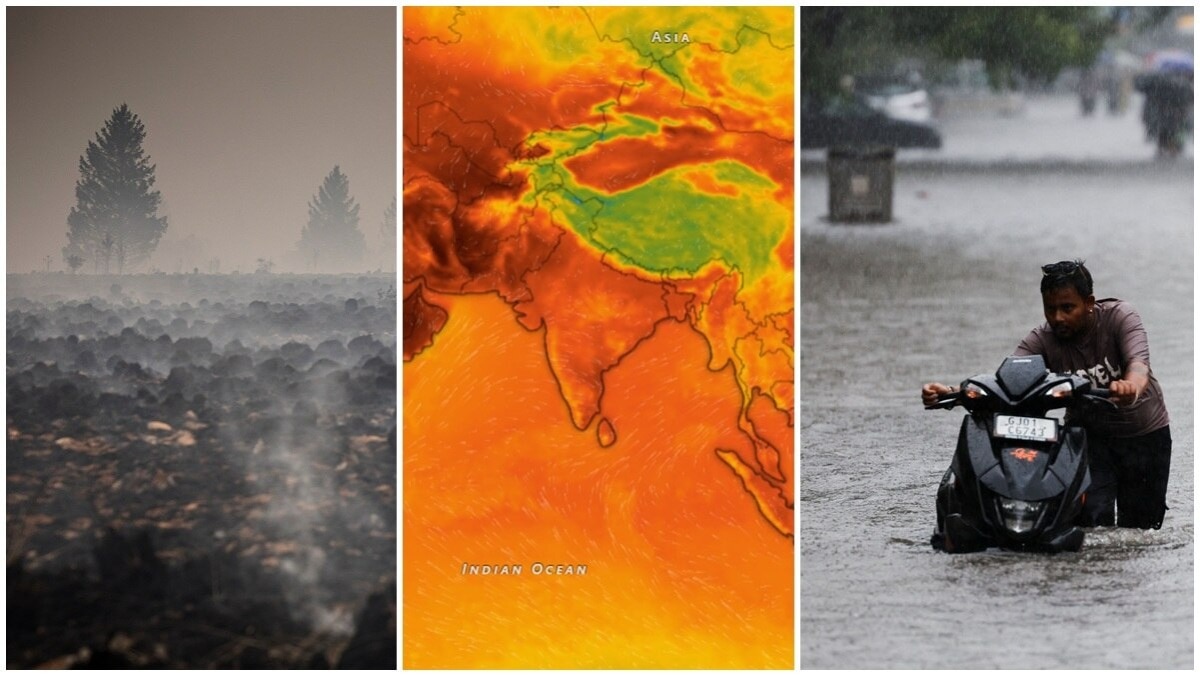
What Makes an El Niño Super and Especially Severe

Hurricane Isaias Makes Landfall in Florida With 105-Mph Winds

Northern Lights May Appear Across North America Tonight
Scientists Identify 57 New Species in Argentina’s Deep-Sea Canyon