

2 hrs ago
Strengthening El Niño and Hot Oceans Could Shape Climate in 2027
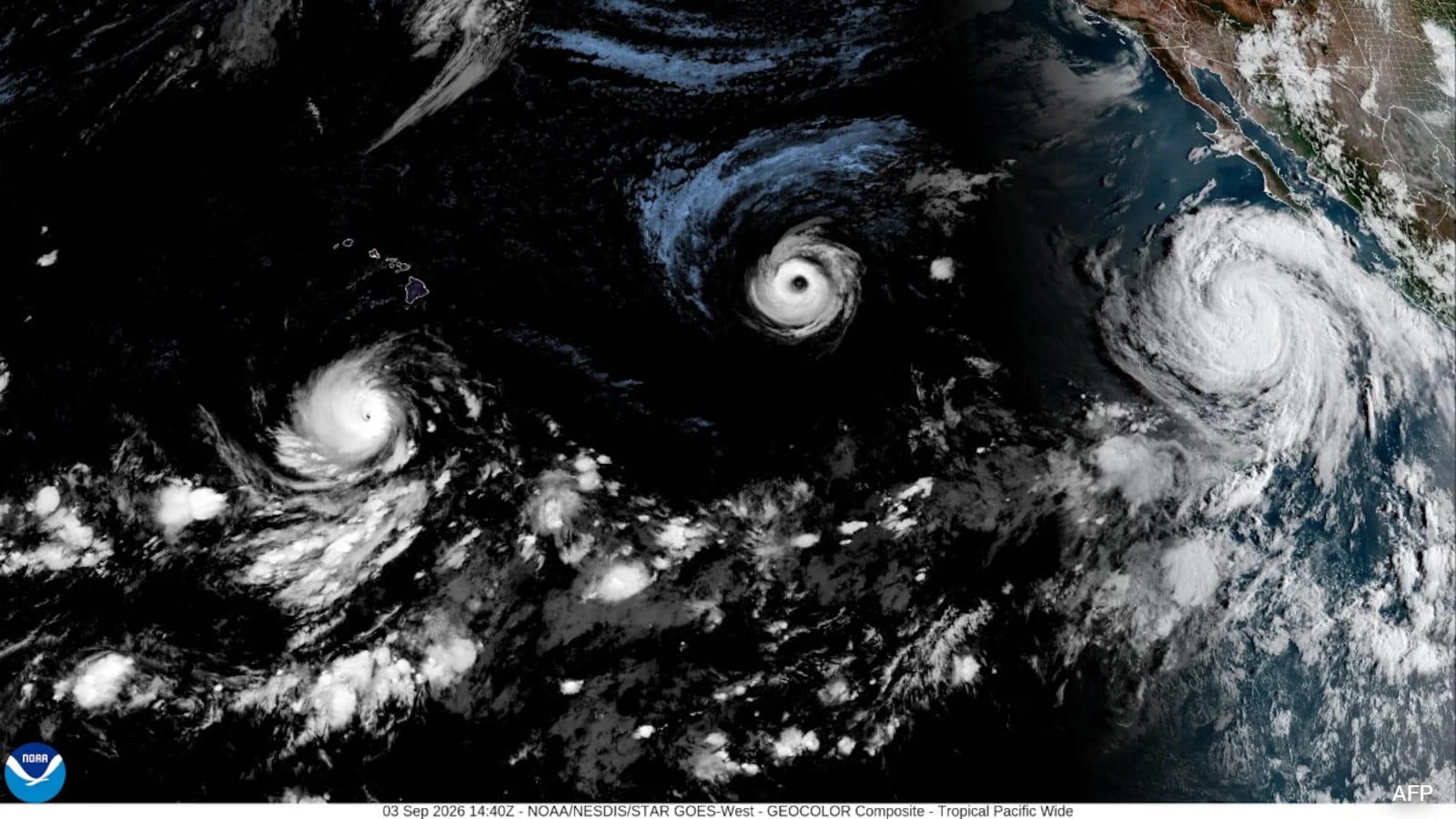
The oceans help move heat around Earth, and their temperatures can affect weather far away.
El Niño happens when parts of the tropical Pacific Ocean become unusually warm.
It is expected to grow stronger toward the end of 2026 and may influence weather into 2027.
Greenhouse gases are also trapping heat, and the oceans absorb much of it.
These changes can make some places more likely to have drought and others more likely to have heavy rain.
Scientists have also developed a satellite-and-AI method to see small ocean currents more clearly.
That method helps researchers study ocean movement, but it does not show that El Niño changed a major current.
Forecasts can point to broad risks, but they cannot tell exactly what weather each place will get months ahead.

The World Meteorological Organization expects El Niño to intensify toward a peak around December 2026, with possible effects extending into early 2027.
Exceptionally warm tropical Pacific waters can alter atmospheric circulation and shift the likelihood of rainfall and drought across regions.
Long-term global warming is adding heat to the oceans, which absorb most of the excess heat trapped in the climate system.
A satellite-and-AI method called GOFLOW maps small, fast-changing ocean currents; its study did not show that El Niño caused a current change.
Forecasts indicate a greater likelihood of below-average rainfall over the Indian subcontinent in October–December 2026, but regional outcomes remain uncertain.
- Who
- The World Meteorological Organization, the India Meteorological Department, NOAA and climate scientists are monitoring the conditions described.
- What
- El Niño is strengthening amid exceptionally warm oceans, while new satellite-and-AI research is improving observation of small ocean currents.
- Where
- The key ocean conditions are in the central and eastern equatorial Pacific; the outlook also discusses possible effects in India and other regions.
- When
- The outlook discussed was issued in October 2026; El Niño was expected to peak around December and remain influential into early 2027.
- Why
- Ocean temperatures and currents interact with the atmosphere, affecting heat distribution, rainfall patterns and the likelihood of some extreme weather.
Potential climate effects
Forecast limits and qualifications
El Niño’s influence on rainfall
Potential climate effects
El Niño can shift atmospheric circulation and raise the likelihood of drought in some areas and heavy rainfall in others.
Forecast limits and qualifications
The actual impacts depend on how the ocean-atmosphere system develops and how other climate drivers interact; forecasts do not determine local outcomes.
Effects on Indian monsoon rainfall
Potential climate effects
The WMO outlook points to a greater likelihood of below-average rainfall over the Indian subcontinent in October–December 2026.
Forecast limits and qualifications
The India Meteorological Department projected southwest monsoon rainfall at 92% of the long-period average, and a positive Indian Ocean Dipole can sometimes counteract some El Niño influence.
Ocean-current findings
Potential climate effects
GOFLOW can reveal small-scale ocean circulation and could help improve climate models and monitoring of heat, nutrients, carbon and pollution.
Forecast limits and qualifications
The study did not establish that El Niño caused a new current pattern or that a major current had suddenly changed direction.
Key facts
- Expected El Niño peak
- Around December 2026, according to the WMO outlook.
- Potential duration
- El Niño may remain an important influence into early 2027.
- Pacific outlook
- Sea-surface temperatures in the central and eastern tropical Pacific were forecast to be exceptionally high during October–December 2026.
- GOFLOW study
- A study published in Nature Geoscience on April 13, 2026, introduced a method using geostationary satellite thermal images to reconstruct surface currents.
- India monsoon forecast
- The IMD projected southwest monsoon rainfall at 92% of the long-period average.
- India rainfall outlook
- The WMO outlook indicated a greater likelihood of below-average rainfall over the Indian subcontinent during October–December 2026.
- Forecast limitation
- Seasonal forecasts describe probabilities over broad regions and cannot specify every local weather event months in advance.
Sources
Related news
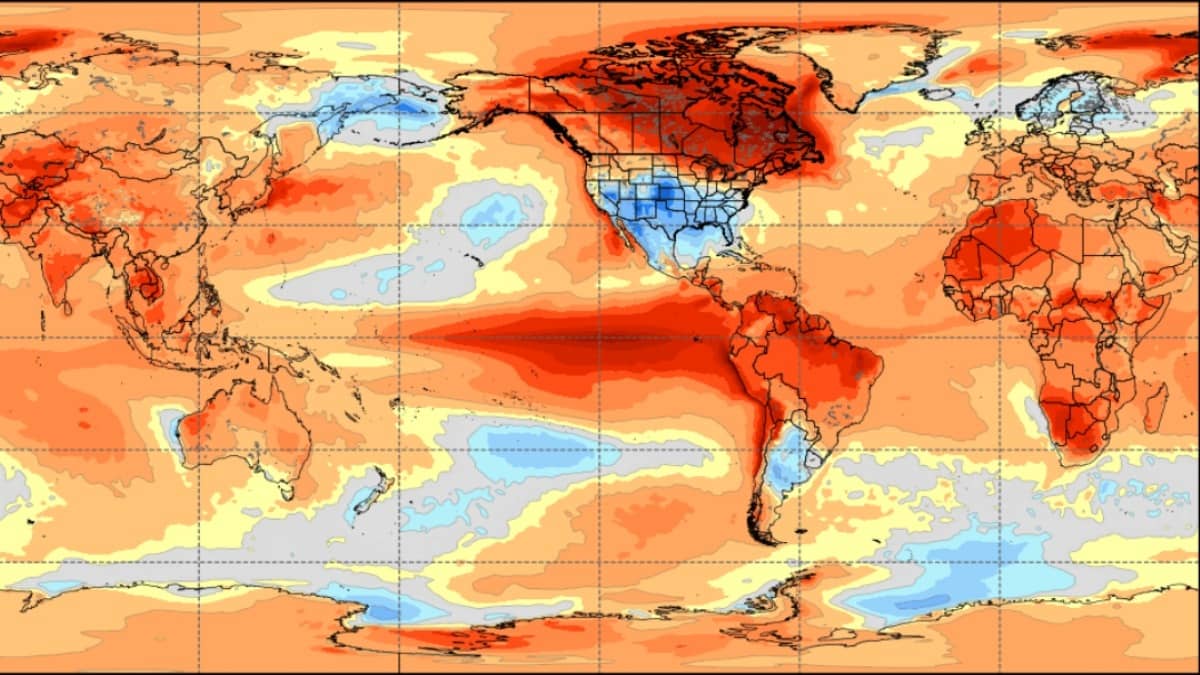
UN Warns El Niño Will Intensify Before December Peak
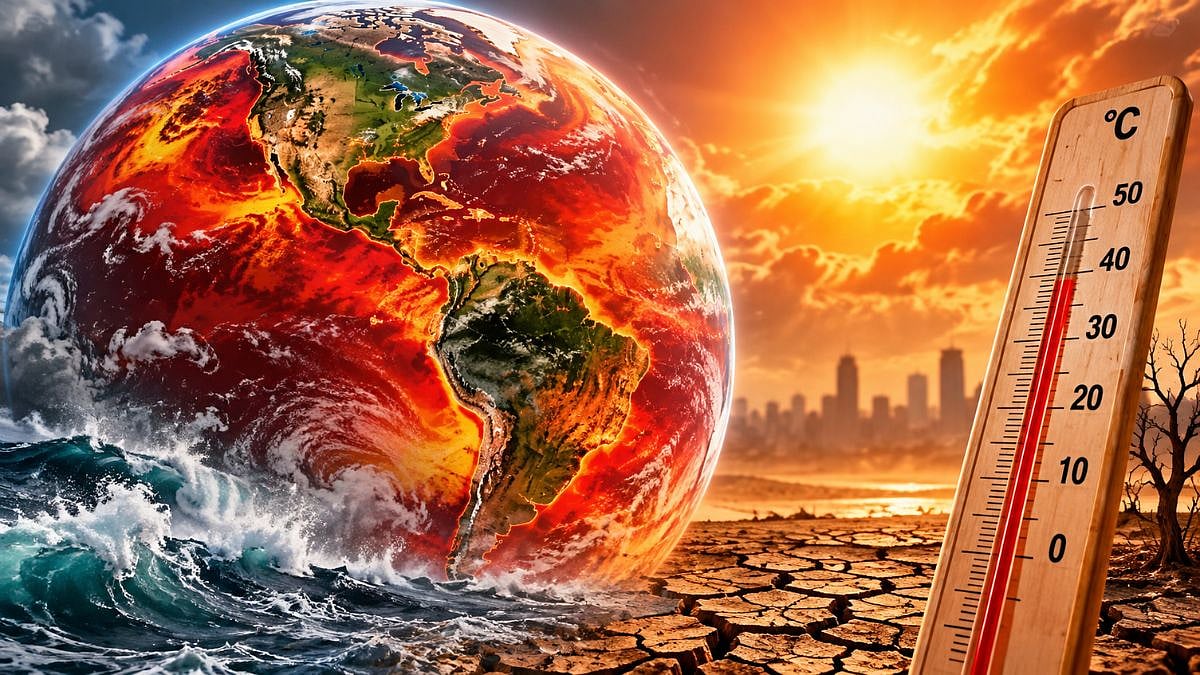
Scientists Warn Exceptional El Niño Could Intensify Global Heat
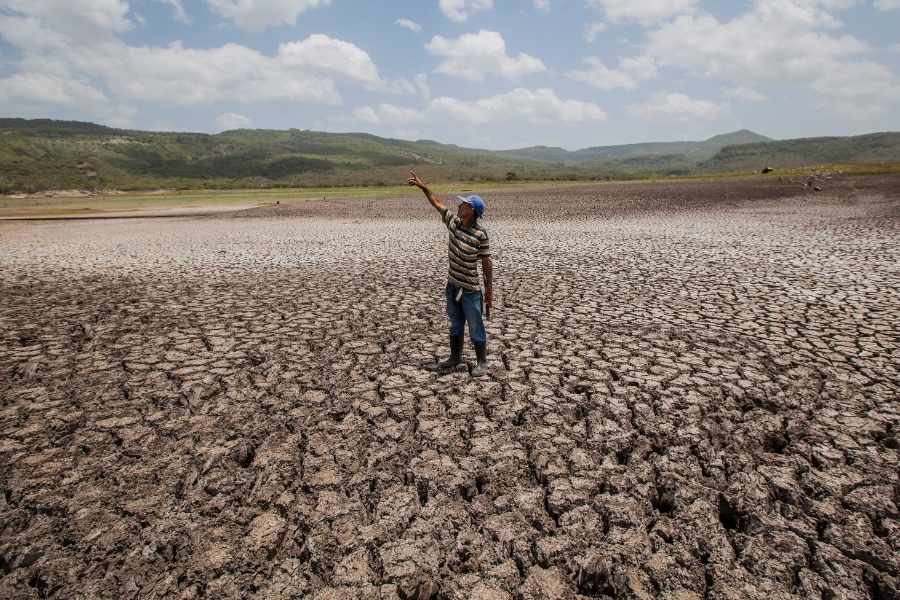
Powerful El Niño May Become Strongest on Record

El Nino Matches Record Intensity, Bringing Weather Disruptions Worldwide
Super El Niño Threatens Deaths, Crop Losses and Extreme Weather
What Makes an El Niño Super and Especially Severe

Short Novels Pack Endurance and Dignity Into One Afternoon
