4 days ago
Old Rajghat Artefacts Offer New Clues to Varanasi’s Past
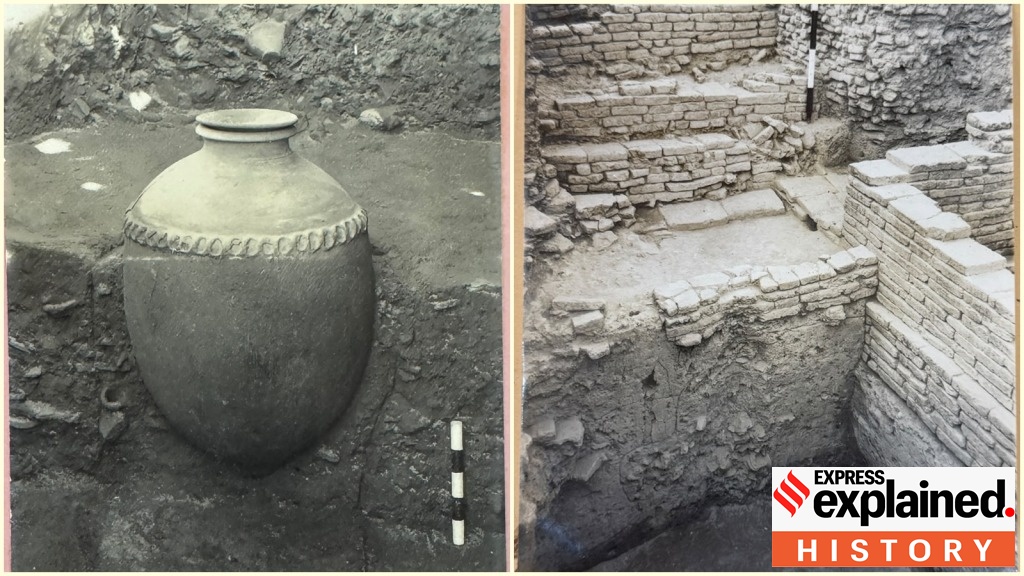
Researchers at Banaras Hindu University have reopened boxes containing objects found long ago at Rajghat.
Rajghat is an ancient settlement near the Ganga and Varana rivers in the Varanasi area.
The excavation took place in several stages between 1957 and 1969.
The objects include old pottery, coins, tools, seals, sculptures, and human remains.
Some pottery suggests that people lived there around 800 BCE.
Researchers think Rajghat was an important city in the ancient Kashi region.
The university is studying the objects now as part of its department’s centenary celebrations.
Modern methods may also reveal the skeleton’s age, ancestry, and information about its owner’s lifestyle.
Archaeologists caution that physical evidence and religious stories about Varanasi should be studied separately.

Banaras Hindu University is documenting more than 10,000 artefacts excavated at Rajghat between 1957 and 1969.
The finds include pottery, sculptures, coins, tools, seals, and objects made of copper, ivory, and bone.
The oldest Rajghat settlement layer has been dated to around 800 BCE using archaeological and scientific evidence.
Rajghat is identified as the likely capital and main urban centre of the ancient Kashi region.
BHU is examining the collection during departmental centenary work, while new technology may help analyse a recovered human skeleton.
- Who
- Banaras Hindu University researchers, including archaeology scholars, are documenting artefacts excavated by A K Narain and colleagues.
- What
- Researchers are cataloguing more than 10,000 Rajghat artefacts and reassessing a human skeleton found at the site.
- Where
- The artefacts came from Rajghat, an ancient settlement near the confluence of the Ganga and Varana rivers in the Varanasi region.
- When
- The main excavations took place from 1957 to 1969; documentation began in January of the current year, and the skeleton was opened earlier in August.
- Why
- BHU began the project as part of its department’s centenary celebrations to preserve earlier work and make it more accessible to future researchers.
Material Evidence
Textual and Religious Traditions
How Varanasi’s antiquity should be understood
Material Evidence
Archaeologists date settlements through physical remains; Rajghat’s oldest layer is dated to around 800 BCE, while remains at some Varanasi-region sites may date as far back as 1800 BCE.
Textual and Religious Traditions
Mythological and religious texts establish Varanasi as ancient and connect it with Shiva and the Ganga, but scholars note that these traditions developed on different timelines.
Rajghat’s historical role
Material Evidence
Archaeological findings indicate that Rajghat developed as the main urban centre of Kashi, while Sarnath became a pilgrimage site and other settlements were more rural or peripheral.
Textual and Religious Traditions
The broader religious and textual importance of Varanasi may emphasize traditions and associations that cannot be directly confirmed solely through Rajghat’s material remains.
Key facts
- Site
- Rajghat, near the Ganga–Varana confluence in northeastern Varanasi
- Excavation period
- 1957–1969, in four phases over 12 years
- Estimated earliest settlement
- Around 800 BCE, based on pre-Northern Black Polished Ware and later scientific analysis
- Collection size
- More than 10,000 objects are believed to be from Rajghat alone
- Documented so far
- About 4,000 artefacts had been recorded since documentation began in January
- Types of finds
- Pottery, sculptures, coins, tools, seals, figurines, and copper, ivory, iron, and bone objects
- Skeleton research
- Modern DNA and other analyses may provide information about age, ancestry, and lifestyle
Quotes
Vidula Jaiswal
Archaeologist and former BHU archaeology professor who led later Rajghat excavations
“We just dug the lower levels of the site, starting from the Kushana period (1st century BCE to 3rd century CE), and kept going further down.”
 indianexpress.com
“Many of them carry Greek inscriptions. Several of them carry names of the administrative units and their officials.”
indianexpress.com
Sources
Related news
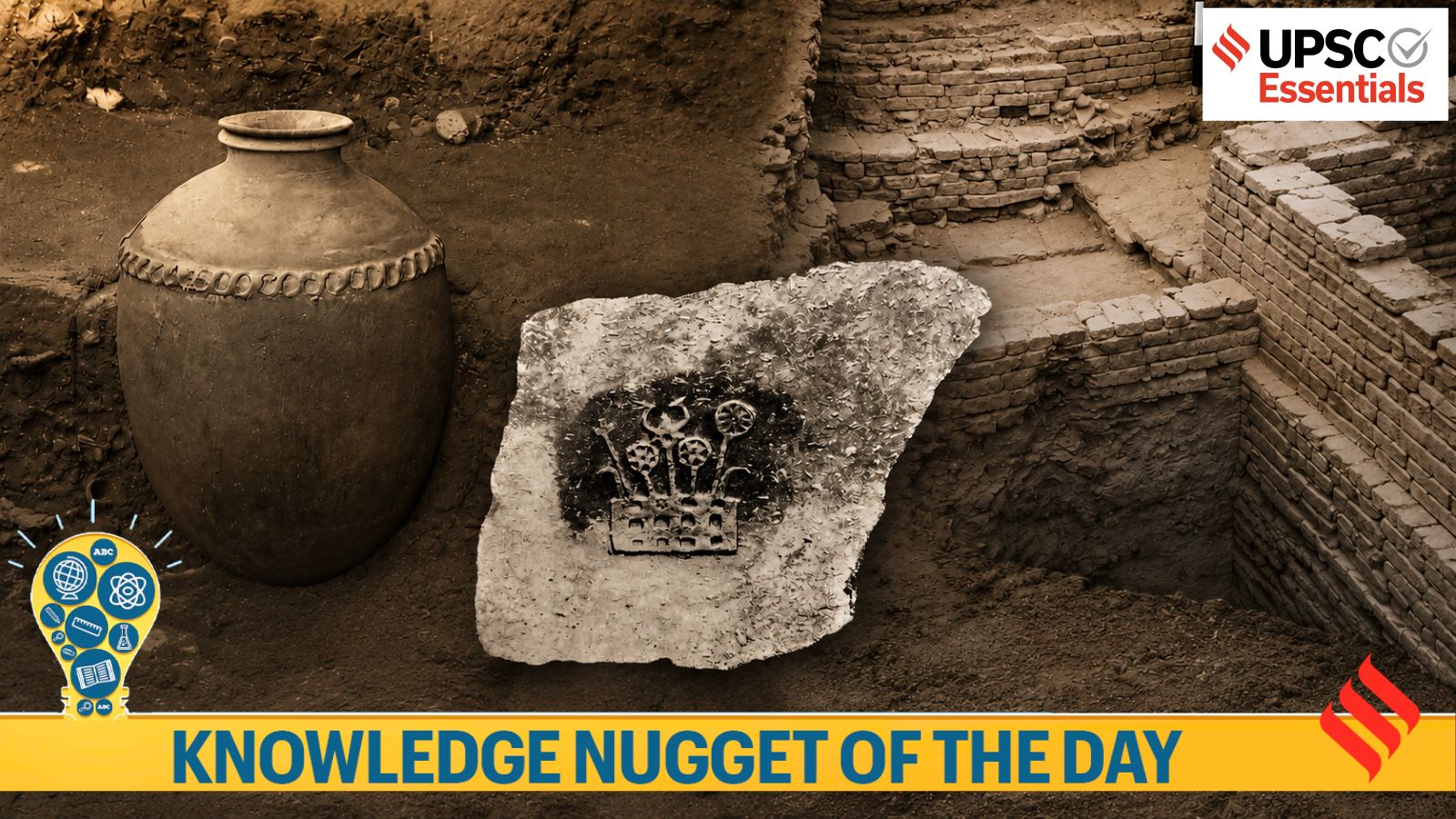
Rajghat Excavation Reveals 3,000 Years of Middle Ganga History
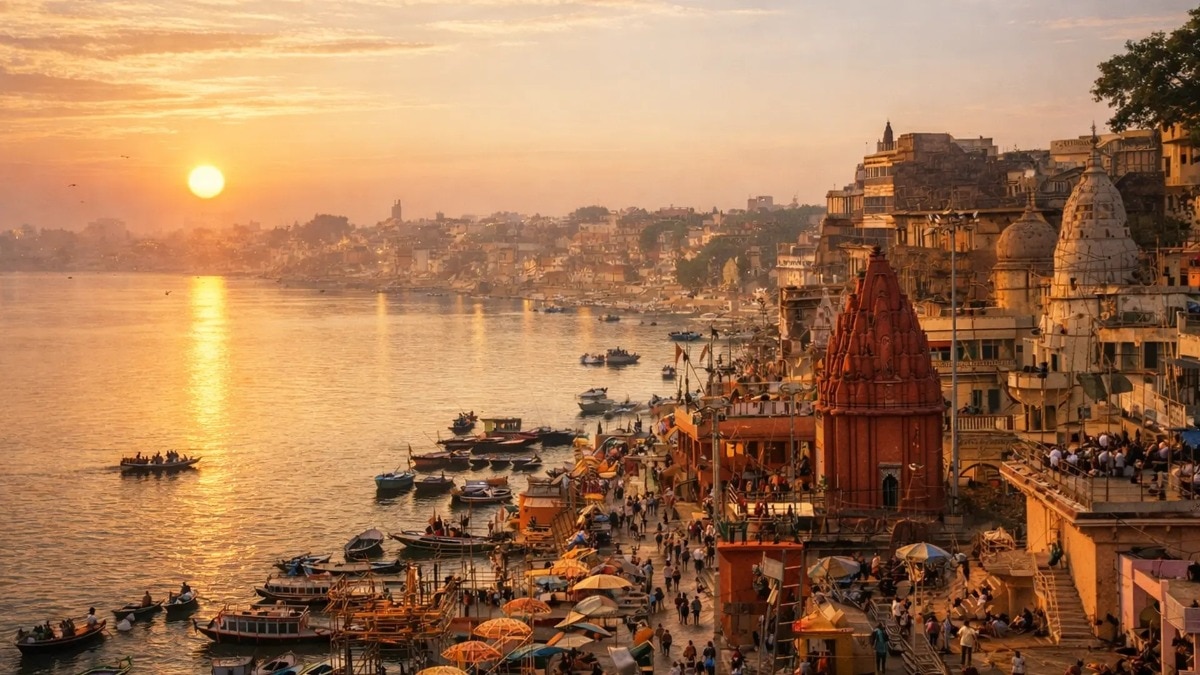
Varanasi's Rajghat Heritage Faces Challenges From Rapid Development
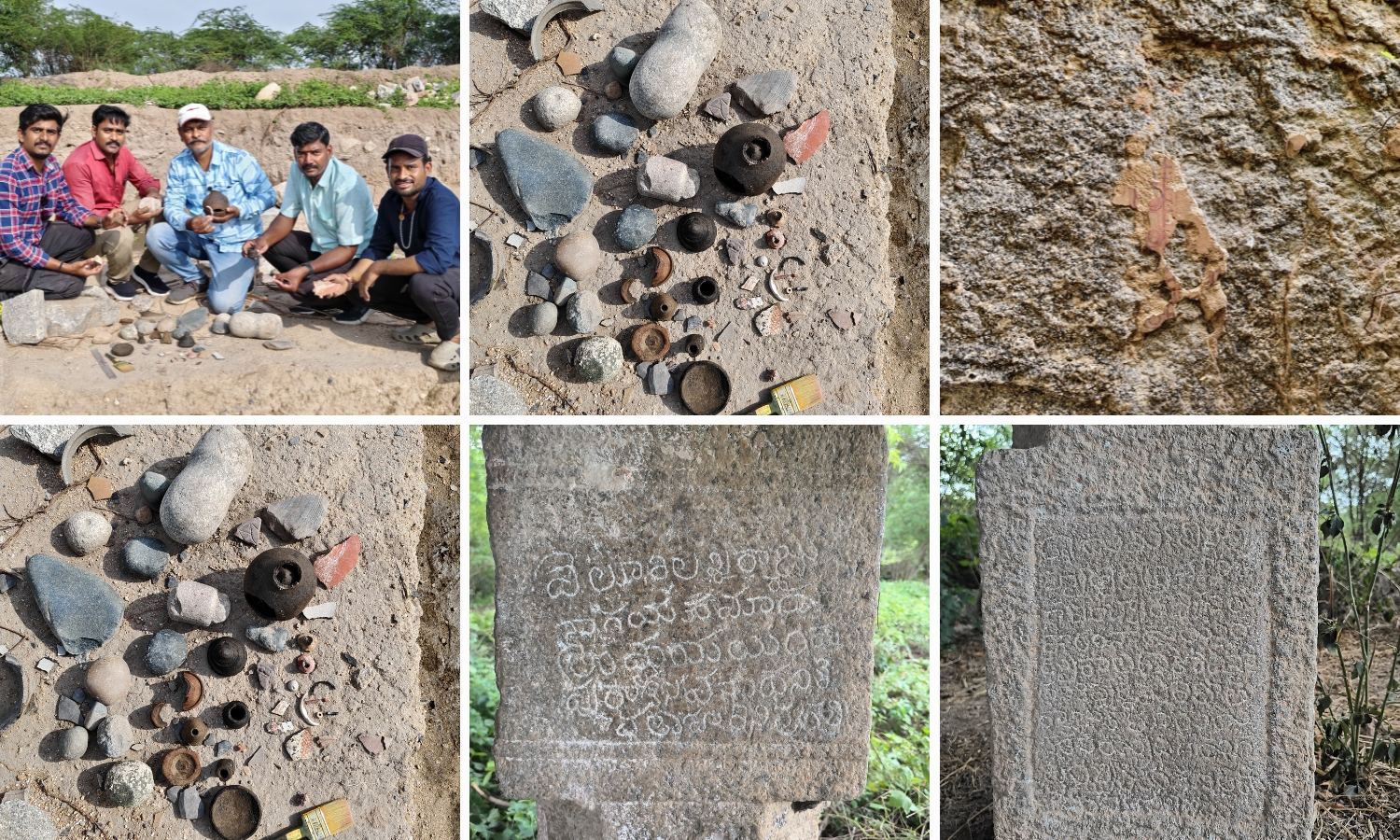
10,000-Year-Old Rock Art and Caves Found at Indrapalanagaram
Rare Nagini and Garuda Sculptures Unearthed Near Hampi Jain Temple
Archaeologists Resume Excavations at Kashmir’s Ancient Buddhist Ruins

Ayodhya Temple Excavation and the Disputed Vishnu Hari Inscription
Lucknow Leads Swachh Vayu Survey as 16 UP Cities Shine

Kerala Commission Orders Payout After Pilgrimage Trip Cancellation

Malavika Mohanan Recalls Trisha Krishnan’s Rare On-Set Warmth

Diwali 2026 Train Bookings Open as Special Services Expand

Rajamouli Reveals Varanasi’s Emotional Core Ahead of 2027 Release