

6 days ago
Rajghat Excavation Reveals 3,000 Years of Middle Ganga History
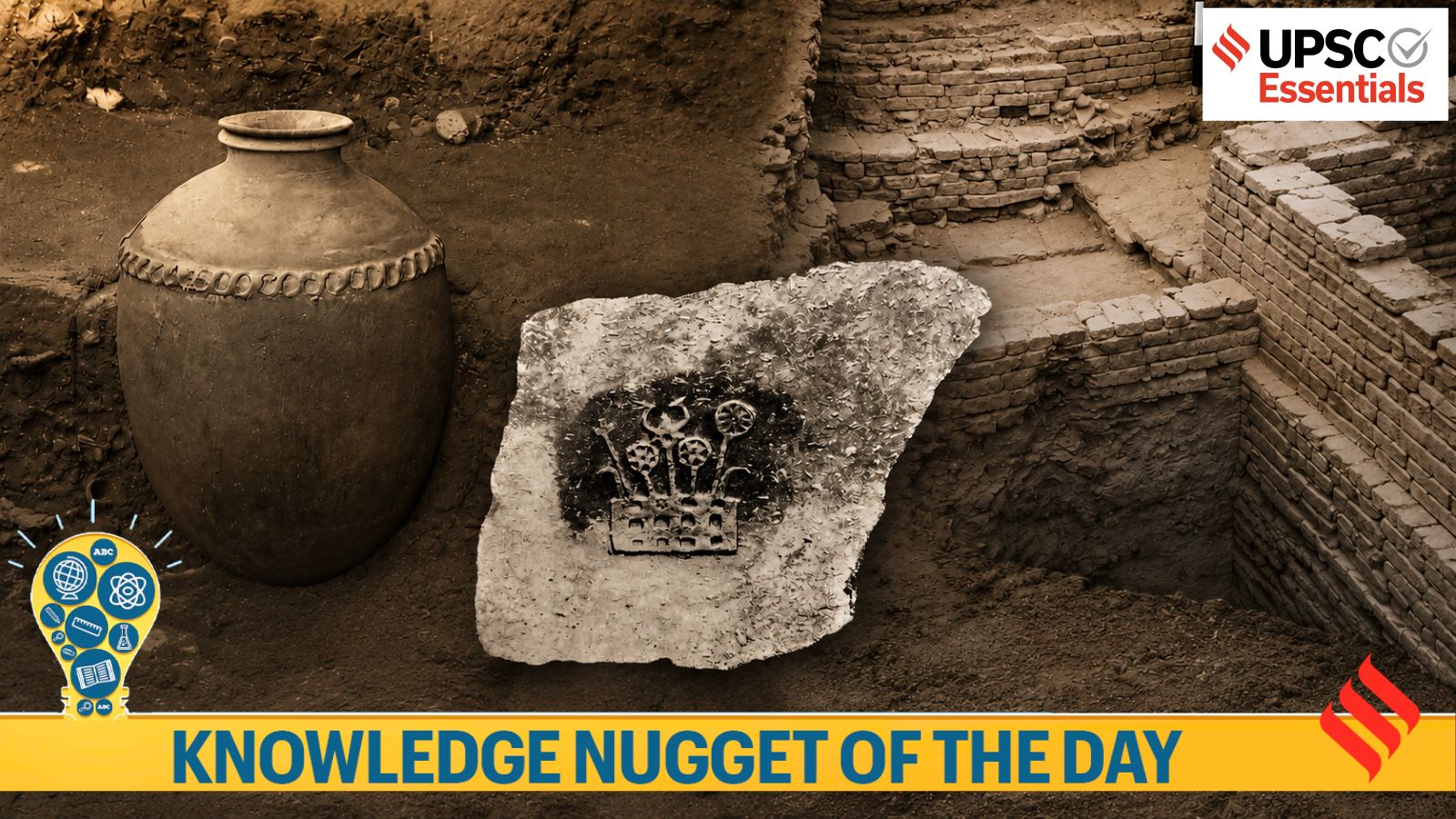
Rajghat is an important old settlement near Varanasi.
It lies close to where the Ganga and Varuna rivers meet.
Archaeologists found evidence that people lived there for many centuries.
Excavations by the Archaeological Survey of India and Banaras Hindu University began in 1957.
In 2026, researchers opened 22 boxes that had remained sealed for about 70 years.
The boxes contained more than 10,000 objects, including very old pottery, coins, tools and seals.
They also held thousands of photographs showing important archaeological sites before later changes.
Scientists are studying the objects and a human skeleton to learn more about people who lived in the region.

Twenty-two boxes from the 1957 Rajghat excavation were opened at Banaras Hindu University on August 20 after nearly 70 years.
The boxes contained more than 10,000 artefacts, including painted black pottery believed to be nearly 3,000 years old.
Rajghat, near the Ganga-Varuna confluence in Varanasi, was part of ancient Varanasi, capital of the Kashi kingdom.
Joint excavations by the Archaeological Survey of India and Banaras Hindu University took place from 1957 to 1969.
Finds include sculptures, coins, tools, seals, metal and bone objects, plus thousands of photographs documenting archaeological sites across India.
- Who
- The Archaeological Survey of India, Banaras Hindu University researchers and archaeologists including A K Narain and T N Roy.
- What
- Researchers reopened 22 boxes from the Rajghat excavation and found more than 10,000 artefacts, photographs and other archaeological material.
- Where
- Rajghat, on the north-eastern edge of Varanasi near the confluence of the Ganga and Varuna rivers; the boxes were stored at Banaras Hindu University.
- When
- The original excavations took place from 1957 to 1969; the boxes were opened on August 20 after nearly 70 years.
- Why
- The material may help researchers understand settlement history, scripts, governance, trade, economic systems and the people who lived in the region.
Key facts
- Site
- Rajghat, near Varanasi in the middle Ganga Valley
- Historical association
- The site was part of ancient Varanasi, capital of the Kashi kingdom or Kashi Mahajanapada
- First remains discovered
- 1939, during expansion of the Kashi railway station
- Excavation period
- 1957–1969
- Excavation partners
- Archaeological Survey of India and Banaras Hindu University
- Material recovered
- More than 10,000 artefacts, including pottery, sculptures, coins, tools, seals and objects made of copper, ivory and bone
- Photographic archive
- Around 3,000 glass slides and more than 5,000 photographic negatives
Sources
Related news
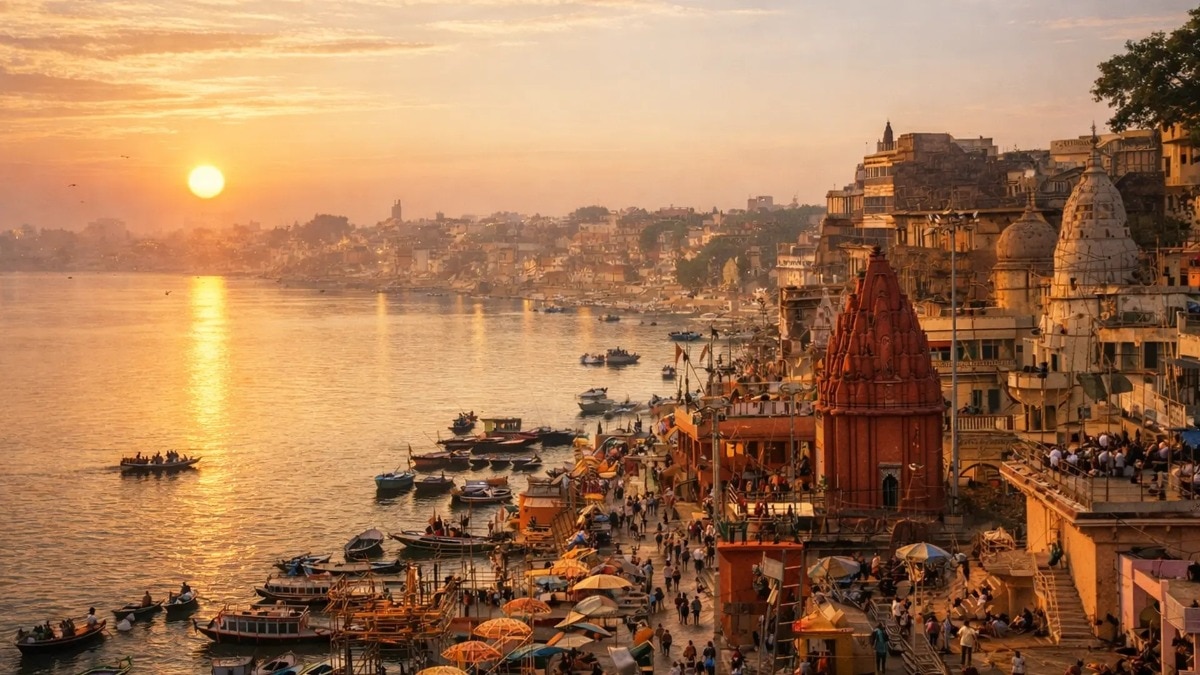
Varanasi's Rajghat Heritage Faces Challenges From Rapid Development
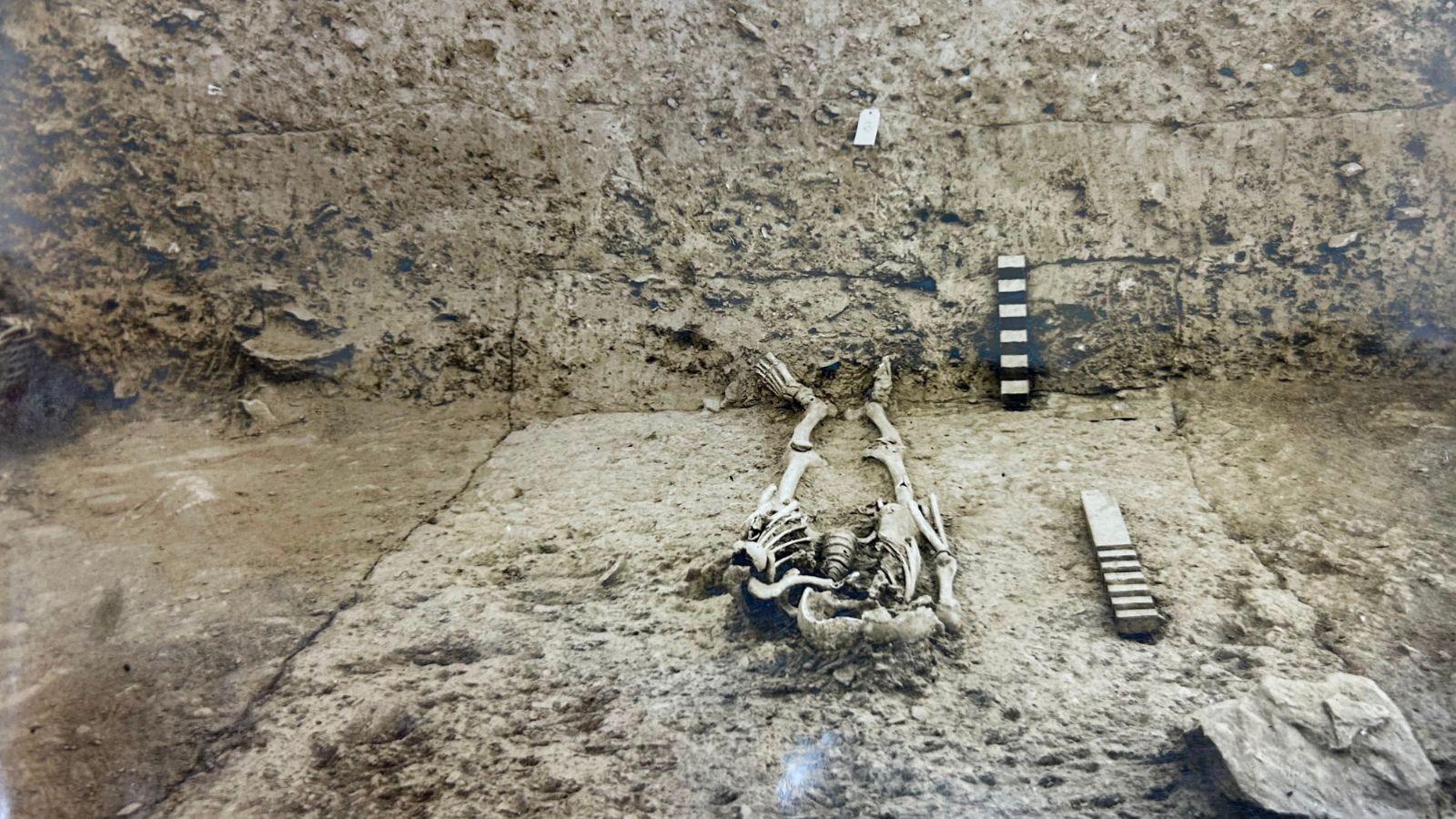
1,000-Year-Old Sealed Skeleton's DNA May Reveal Its Past
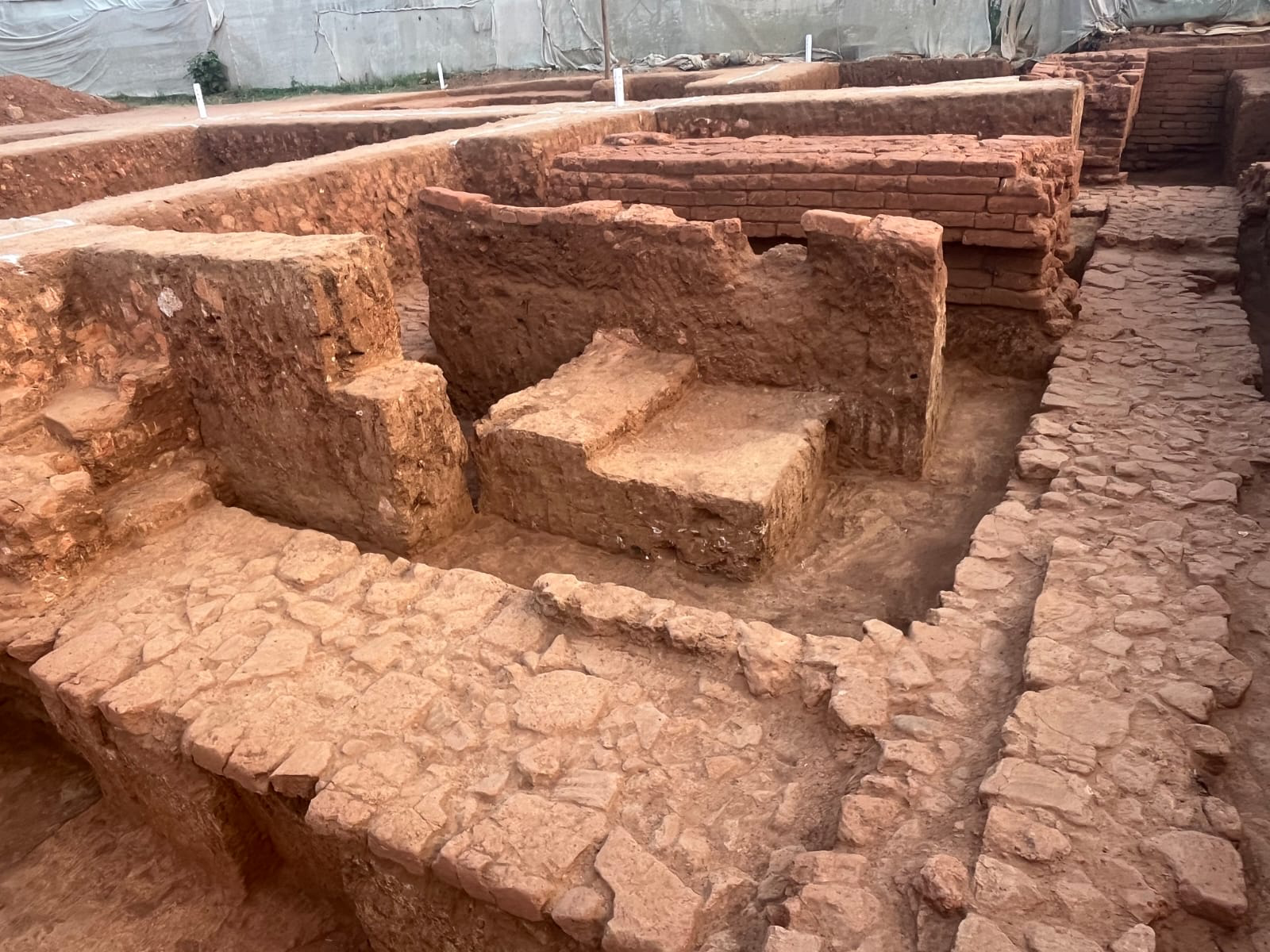
Buddhist Excavation Near Bengaluru Faces Land Acquisition Hurdle
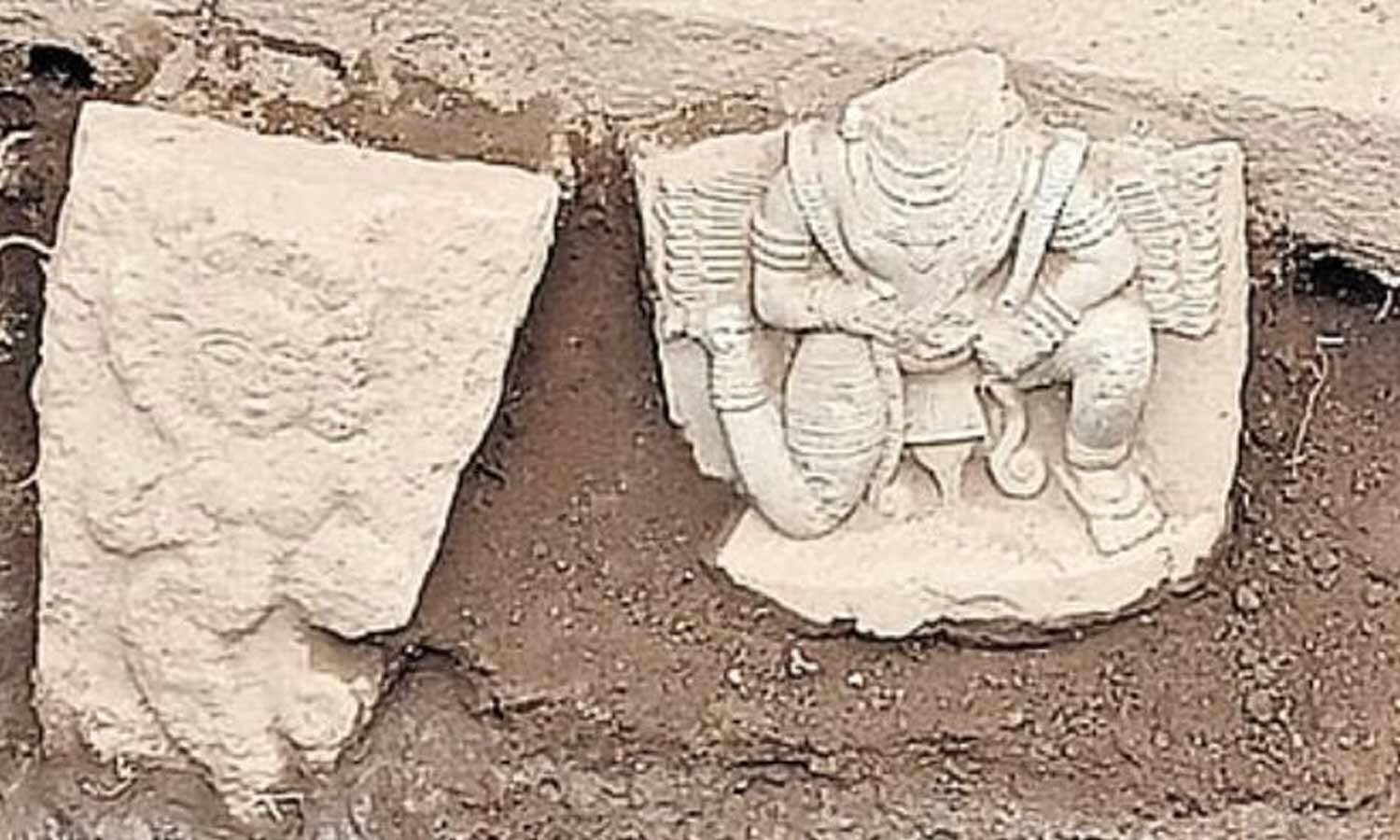
Rare Nagini and Garuda Sculptures Unearthed Near Hampi Jain Temple
ASI Identifies Golconda Fort Tunnel Claim As Buried Chamber
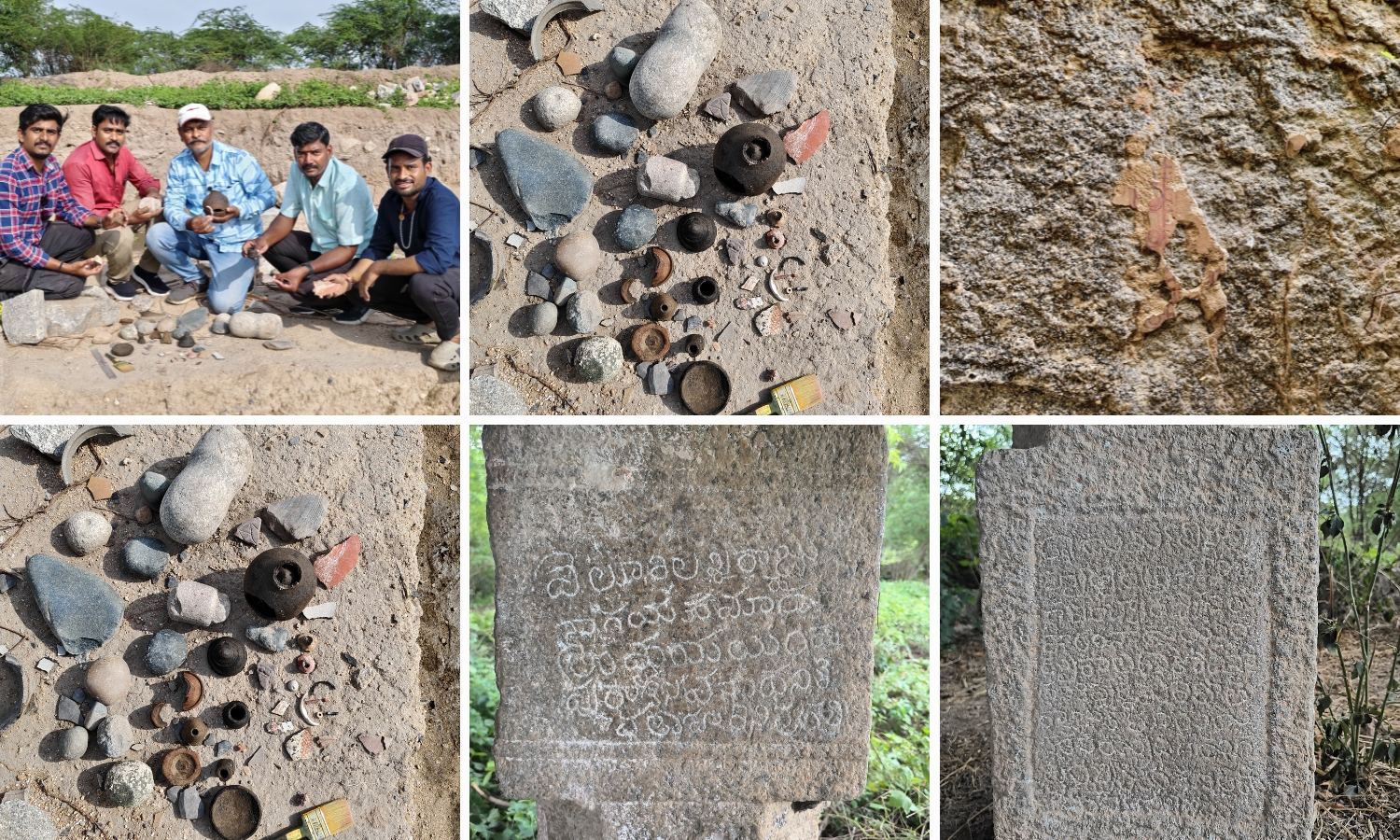
10,000-Year-Old Rock Art and Caves Found at Indrapalanagaram
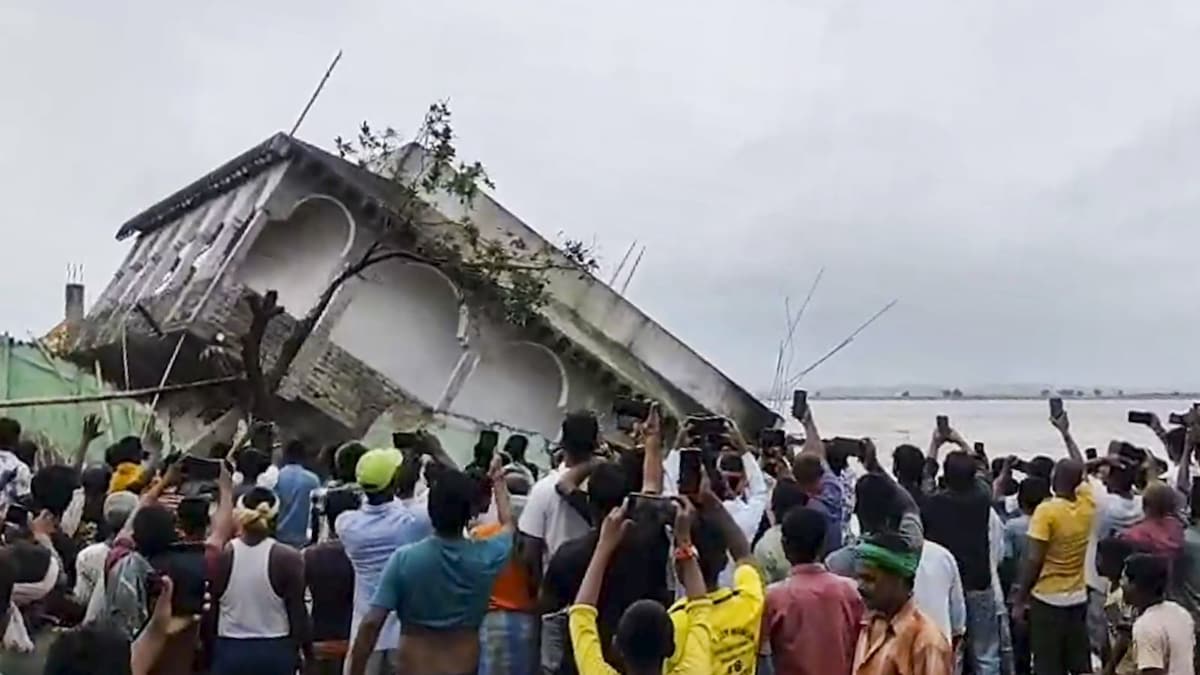
Swollen Ganga Sweeps Away Century-Old Bihar Temple

Why the Maharaja of Banaras Drank Only Ganga Water
Floods Kill Two, Leave Two Missing Across Uttar Pradesh
Ganga Erosion Threatens Malda Schools, Homes and 700 Students
India Turns To Technology And EPR Amid Plastic Waste Crisis
