17 hrs ago
Ayodhya Temple Excavation and the Disputed Vishnu Hari Inscription

In 2003, archaeologists dug at the site of the present temple in Ayodhya.
The excavation was ordered by the Allahabad High Court.
They reported finding an old inscription connected to Vishnu Hari.
The inscription says a large temple stood at the birthplace of Ram in Saket.
It also mentions a place where visitors and travellers could receive food.
Some historians, including Irfan Habib, questioned whether the inscription really came from the excavation.
They alleged that it had been taken from a museum in Lucknow and planted at the site.
The article says the Supreme Court rejected that allegation.

The Archaeological Survey of India excavated the present temple site in 2003 on orders from the Allahabad High Court.
The excavation reportedly uncovered a 12th-century Vishnu Hari inscription.
The inscription describes a grand Vishnu Hari temple at the holy site of Ram’s birthplace in Saket, identified in the article with Ayodhya.
It also mentions an annsatra, or community feeding centre, for visitors, guests, saints and travellers.
Historians including Irfan Habib disputed the inscription’s provenance, but the article says the Supreme Court rejected the allegation that it had been planted.
- Who
- The Archaeological Survey of India, the Allahabad High Court, historians including Irfan Habib, and the Supreme Court.
- What
- An excavation at the present temple site reportedly uncovered a 12th-century Vishnu Hari inscription describing a temple dedicated to Vishnu Hari.
- Where
- At the present temple site in Ayodhya, described in the inscription as Saket, with the disputed provenance linked by critics to the Government Museum in Lucknow.
- When
- The excavation took place in 2003; the article does not give dates for the later dispute or Supreme Court proceedings.
- Why
- The excavation was conducted to determine whether a temple had previously existed at the site.
Inscription as Excavation Evidence
Inscription as Planted Evidence
Origin of the inscription
Inscription as Excavation Evidence
The Archaeological Survey of India’s excavation reportedly found a 12th-century Vishnu Hari inscription at the temple site, supporting the claim that a temple existed there.
Inscription as Planted Evidence
Historians including Irfan Habib alleged that the inscription came from the Government Museum in Lucknow and was planted at the site.
Judicial assessment
Inscription as Excavation Evidence
The article says the Supreme Court rejected the allegation that the inscription had been planted.
Inscription as Planted Evidence
The article records the historians’ allegation but does not provide their response to the Supreme Court’s conclusion.
Key facts
- Excavation year
- 2003
- Excavating body
- Archaeological Survey of India
- Court order
- Allahabad High Court
- Reported artifact
- A 12th-century Vishnu Hari inscription
- Inscription’s claim
- A grand Vishnu Hari temple stood at Ram’s birthplace in Saket
- Community facility
- An annsatra, or community feeding centre, served visitors, guests, saints and travellers
- Dispute
- Historians including Irfan Habib alleged that the inscription had been taken from the Government Museum in Lucknow and planted at the site
Sources
Related news

Adityanath says invaders can destroy temples, not Indian faith
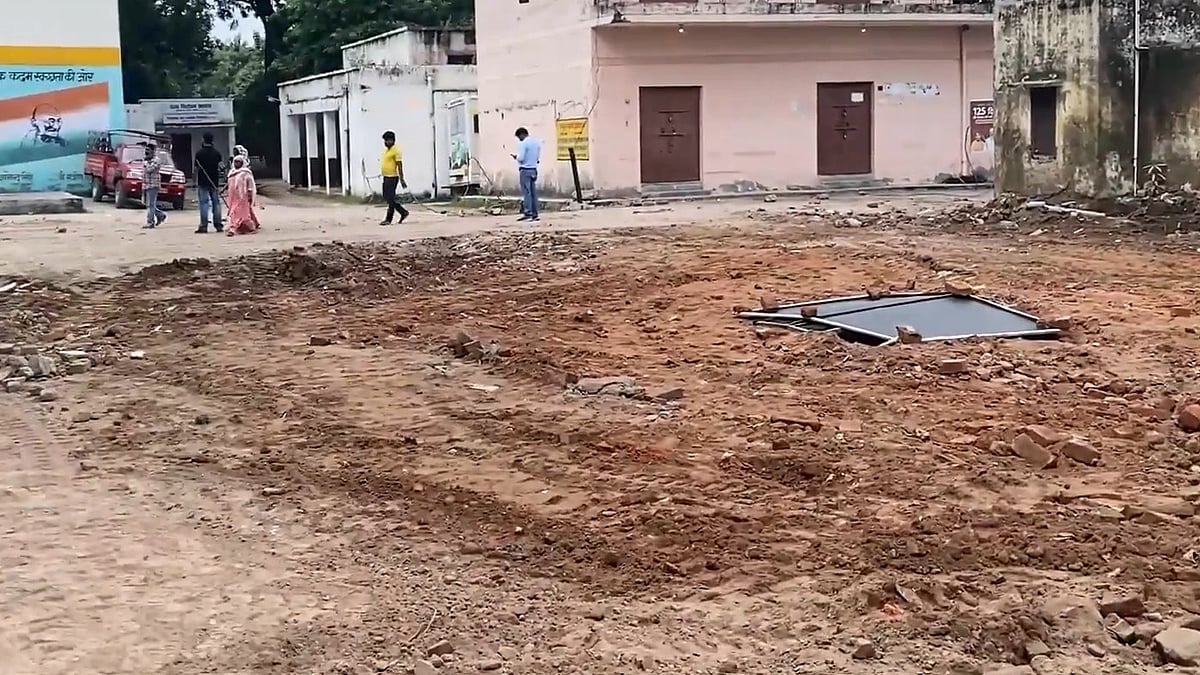
ASI To Examine Well Found After Saharanpur Mosque Demolition

Well Found Beneath Demolished Mosque Debris in Saharanpur, ASI Informed
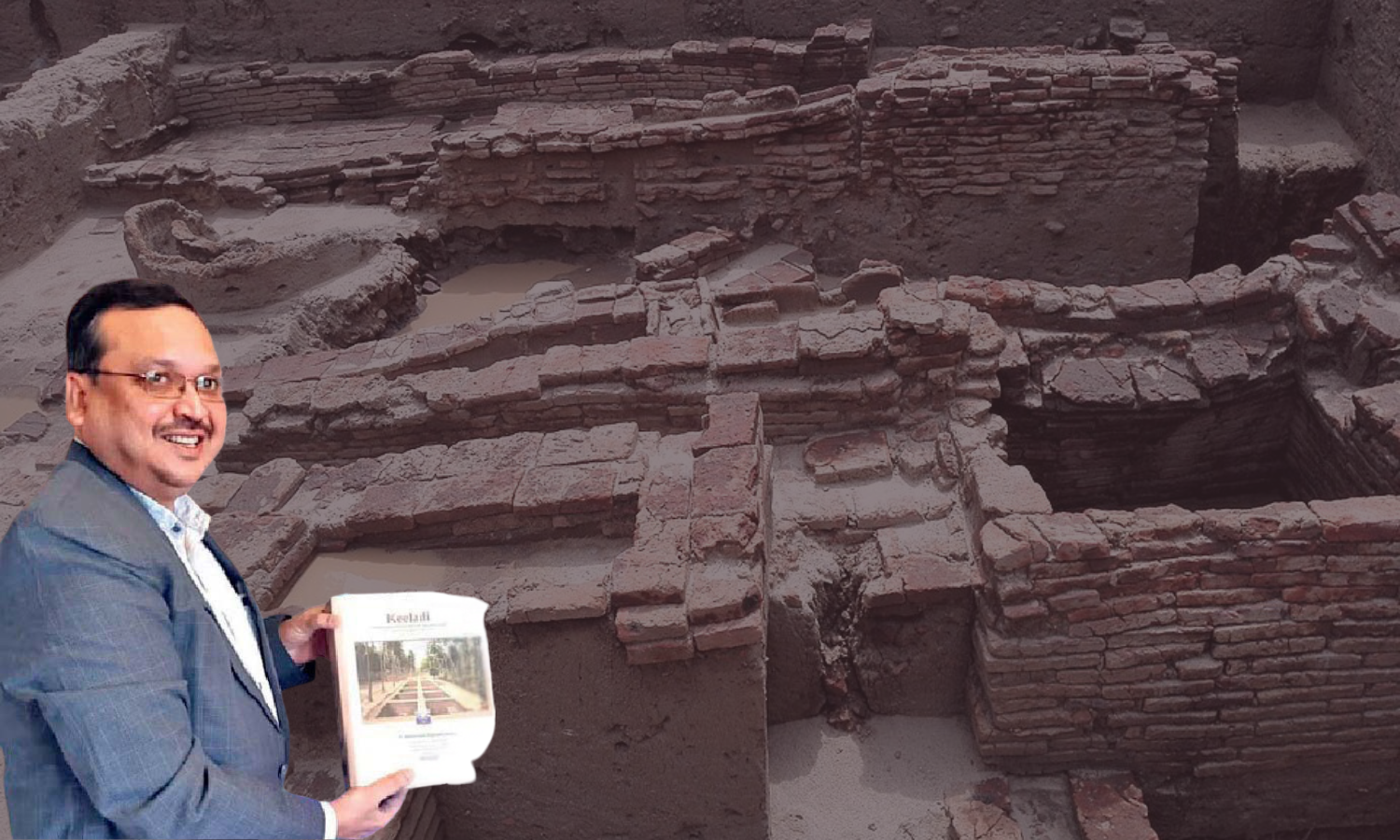
Archaeologist Renews Call to Release Keeladi Excavation Report

Pakistan Temple Demolition Sparks Investigation and Restoration Demands
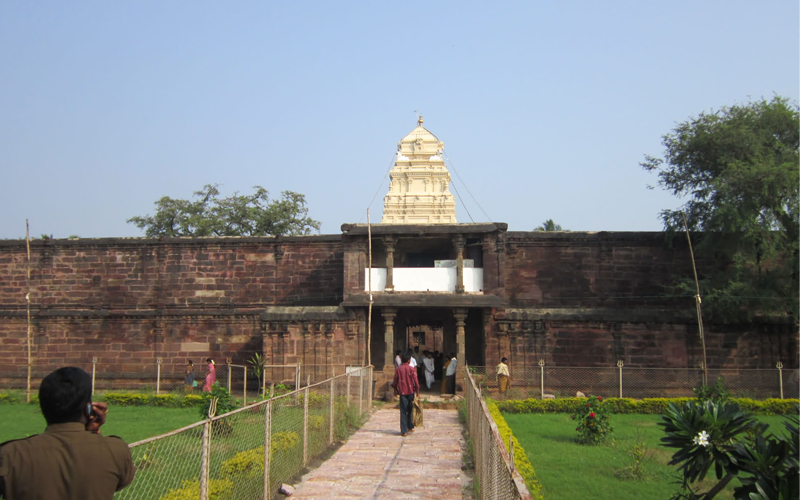
BJP Warns Kakinada Temple Authorities Over Idol Shifting

Courts Examine Alleged Misuse of SC/ST Act Compensation

Fruit Cart Vendors Protest GVMC Removals Under Operation Lungs
Consumer Commissions Face Vacancies, Massive Case Backlogs Across India
Supreme Court Rejects Aravalli Panel’s Six-Month Extension Plea

Punjab AAP Government Faces Expanding Judicial Scrutiny Before Elections