2 hrs ago
UN Selection Lessons for Restoring Trust in India’s Poll Body
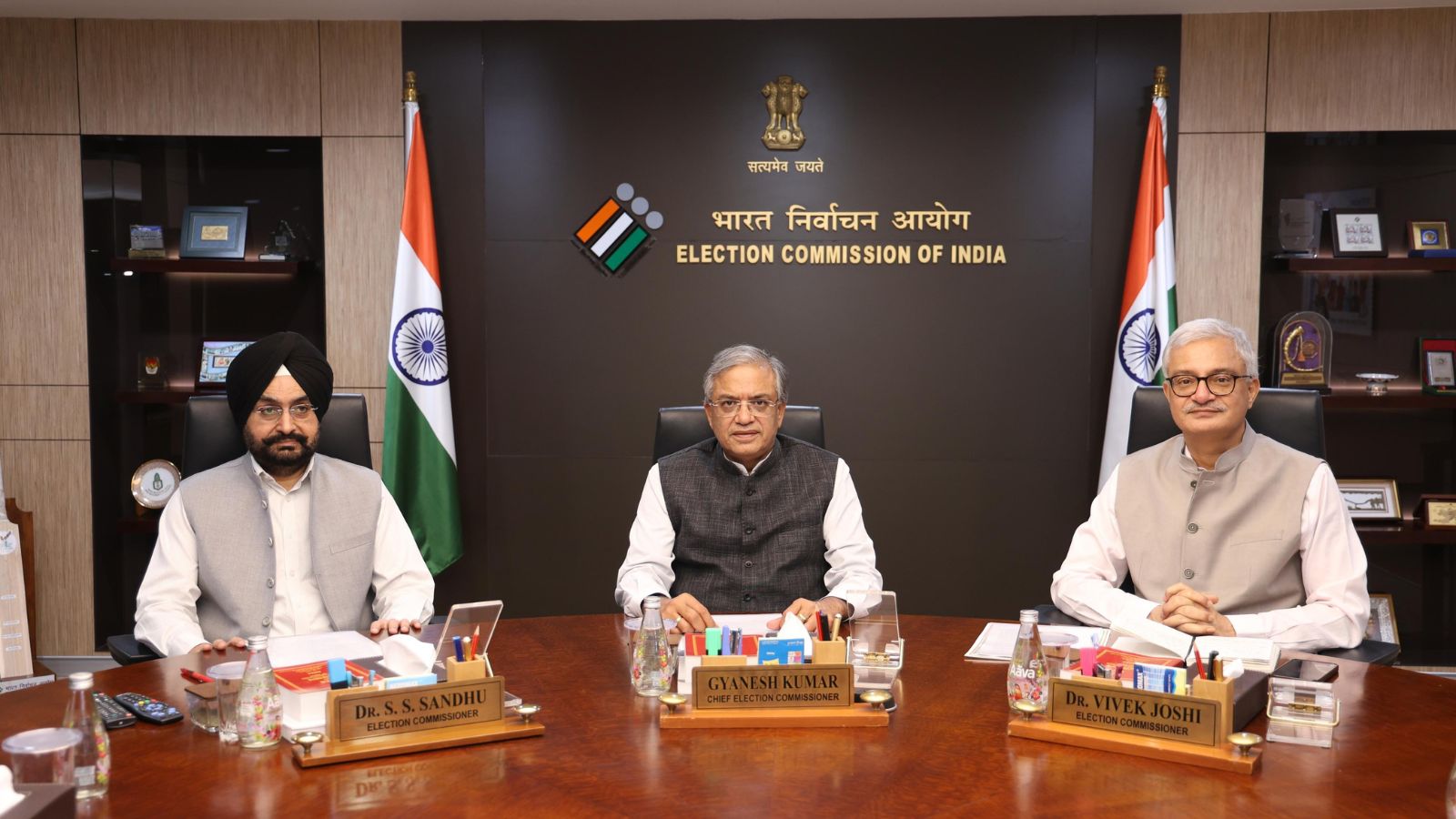
The article says people must trust the officials who run elections.
It points to reports about actions by election officials that may have affected voting rights.
It also discusses a Supreme Court disagreement about how election commissioners should be chosen.
In 2023, the Court wanted the Prime Minister, the Opposition leader and the Chief Justice of India to select them together.
A later law replaced the Chief Justice with a cabinet minister.
The writer says this could give the government too much influence.
The writer suggests a committee led by the Chief Justice and including the government and the Opposition.
The goal is to choose officials whom no major political side strongly distrusts.
The article compares this idea with the way the United Nations Security Council helps select the UN Secretary-General.

Recent reporting and a Supreme Court split verdict have renewed concerns about trust in India’s election machinery.
Article 324 assigns election superintendence to the Election Commission but leaves appointments of commissioners to Parliament.
In March 2023, the Supreme Court rejected exclusive executive control and proposed a panel including the Prime Minister, Opposition leader and Chief Justice of India.
A 2023 law replaced the Chief Justice with a Union cabinet minister, while allowing a cabinet secretary to prepare the candidate shortlist.
The article proposes a consensus-based panel led by the Chief Justice, drawing on the United Nations Security Council’s approach of avoiding veto-holder dissent.
- Who
- The Election Commission of India, Parliament, the Supreme Court of India, the Union government and the Opposition are central to the debate.
- What
- The article examines how the Chief Election Commissioner and Election Commissioners should be appointed to protect electoral independence and public trust.
- Where
- The issue concerns India’s national and state elections, with a comparison to the United Nations Security Council.
- When
- The developments discussed occurred in recent weeks, with key legal developments in March 2023 and at the end of 2023.
- Why
- The article argues that election officials must be selected through a process that limits distrust and political bias.
Bipartisan and Judicial Oversight
Executive-Led Appointment
Composition of the selection committee
Bipartisan and Judicial Oversight
The article argues that the government and Opposition should jointly agree on appointments, with the Chief Justice of India heading the committee.
Executive-Led Appointment
The 2023 law uses the Prime Minister, a Union cabinet minister and the Leader of the Opposition, leaving the government with two members.
Risk of political influence
Bipartisan and Judicial Oversight
Supporters of a broader committee say a cabinet minister is unlikely to differ from the Prime Minister, making the process government-weighted.
Executive-Led Appointment
The enacted arrangement gives elected government representatives a majority role in selecting election commissioners.
Selection standard
Bipartisan and Judicial Oversight
The proposed process would prioritize candidates who are experienced, politically neutral and not distrusted by any major side.
Executive-Led Appointment
The existing framework allows the executive-led committee to make the decision after receiving a shortlist from the cabinet secretary.
Key facts
- Constitutional provision
- Article 324 gives the Election Commission of India superintendence over national and state elections.
- March 2023 ruling
- The Supreme Court of India ruled against exclusive executive control over appointments until Parliament enacted a law.
- Interim selection panel
- The Court’s panel included the Prime Minister, the Lok Sabha Leader of the Opposition and the Chief Justice of India.
- 2023 legislation
- Parliament’s law replaced the Chief Justice with a Union cabinet minister on the three-member committee.
- Shortlist process
- The cabinet secretary was assigned to prepare a shortlist of candidates.
- Article’s proposal
- The writer recommends a committee headed by the Chief Justice and including a Union cabinet minister and the Opposition leader.
- International comparison
- The article cites the United Nations Security Council practice that no permanent member with veto power must dissent from the choice of Secretary-General.
Sources
Related news
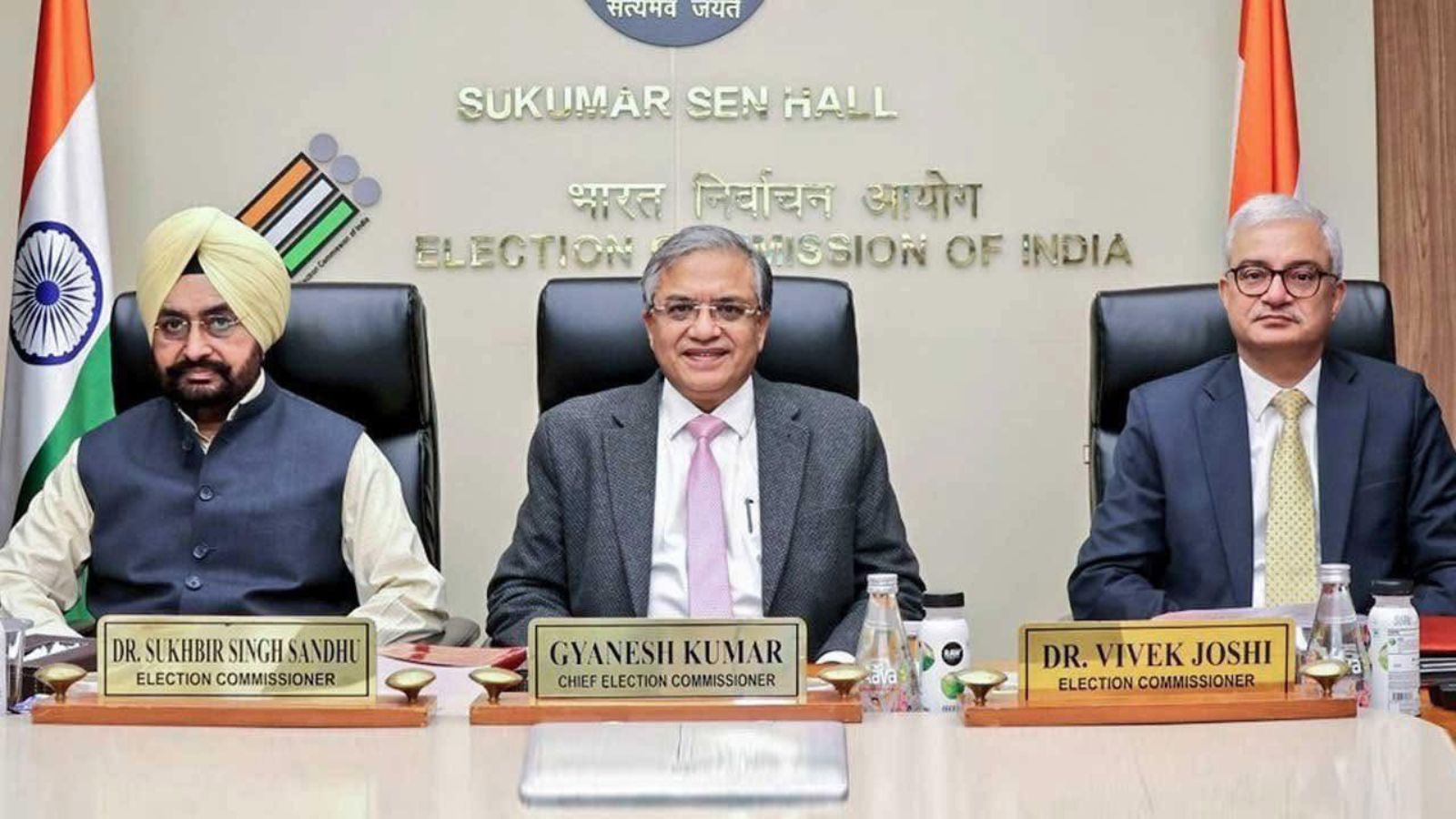
Supreme Court Split Tests Election Commission Appointment Law

Supreme Court Refers Election Commission Appointment Law to Larger Bench
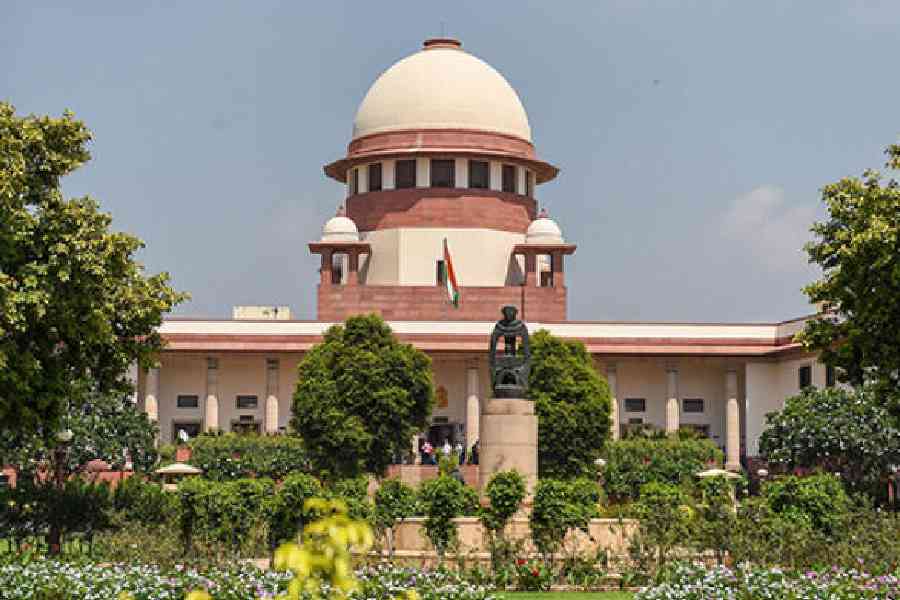
Supreme Court Split Over CEC Appointment Larger Bench
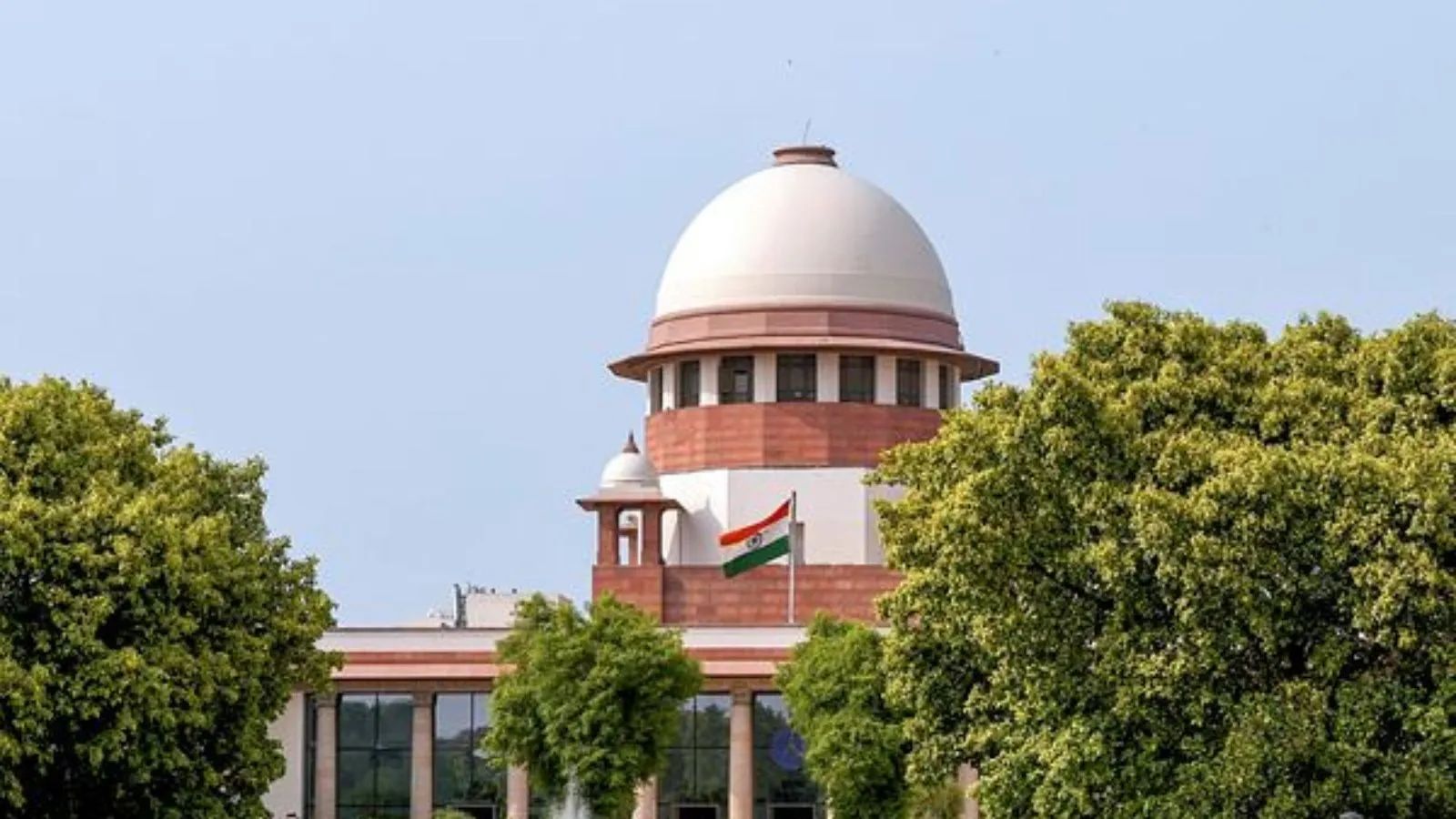
Supreme Court Judges Split Over Election Commission Appointment Law
Justice Flags Executive Veto in Election Commission Appointments
Supreme Court Split Over Election Commissioner Appointment Law Reference
Supreme Court Rejects Presumption Cattle Transport Means Slaughter

Centre Resumes Appraisal of Post-Facto Green Clearance Cases
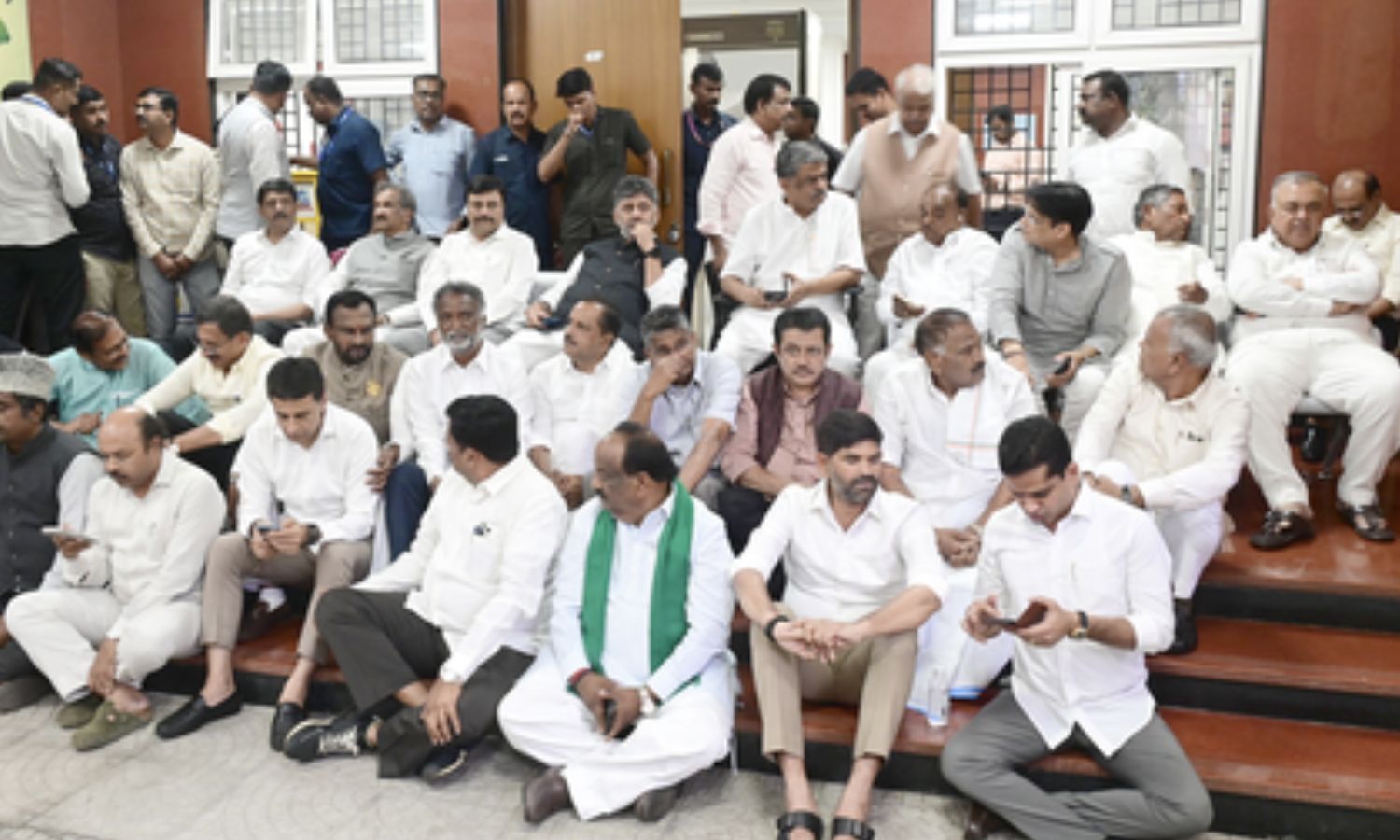
Karnataka BJP seeks FIRs over CM’s electoral office protest

Curative plea seeks recall of split verdict on election appointments