2 hrs ago
Supreme Court Refers Election Commission Appointment Law to Larger Bench

India’s Election Commission helps organize and supervise elections.
It has three members: one Chief Election Commissioner and two Election Commissioners.
They are supposed to decide important matters together.
If they disagree, the majority view generally becomes the Commission’s decision.
This means the Chief Election Commissioner does not have a special veto.
A recent report said two members disagreed several times about checking voter lists.
That process, called Special Intensive Revision, has led to concerns about possible voter deletions.
The Supreme Court is now sending a challenge to the law for choosing election officials to a larger bench.

The Supreme Court referred challenges to the 2023 Election Commission appointment law to a larger Constitution Bench.
The law’s Section 7 replaces the Chief Justice of India with a Union Cabinet minister on the three-member selection committee.
Election Commission decisions are generally made by majority vote, giving the Chief Election Commissioner no veto power.
Two Election Commissioners reportedly objected 14 times in 10 months to decisions concerning the Special Intensive Revision of electoral rolls.
The Congress and other opposition figures called for CEC Gyanesh Kumar’s resignation or impeachment, while the Commission defended its deliberative process.
- Who
- The Supreme Court, the Election Commission of India, CEC Gyanesh Kumar, Election Commissioners Sukhbir Singh Sandhu and Vivek Joshi, and petitioners including the Association for Democratic Reforms.
- What
- The Supreme Court referred challenges to the 2023 law governing appointments to the Election Commission to a larger Constitution Bench.
- Where
- India, including proceedings before the Supreme Court.
- When
- The referral was reported on 23 September; the objections concerning the Special Intensive Revision occurred over a 10-month period.
- Why
- The petitions argue that the 2023 appointment process gives the Union government excessive influence, while the referral was made to enable a larger bench to consider the issue and avoid further delay.
Critics and Petitioners
Election Commission’s Position
Appointment process
Critics and Petitioners
Petitioners argue that replacing the Chief Justice of India with a Union Cabinet minister gives the government two representatives on the three-member selection committee and undermines institutional independence.
Election Commission’s Position
The 2023 law established the current committee structure, and the Supreme Court has so far declined to stay the law or appointments made under it.
Internal disagreements
Critics and Petitioners
The Congress and other critics argue that CEC Gyanesh Kumar acted unilaterally and ignored objections from the other Election Commissioners, prompting calls for his resignation or impeachment.
Election Commission’s Position
The Election Commission said differing views and observations are a normal part of institutional deliberation before a final decision is reached.
Special Intensive Revision
Critics and Petitioners
Critics have raised concerns that the voter-list revision could lead to mass voter deletions and that it was not handled properly.
Election Commission’s Position
The Commission conducts electoral-roll revisions under its constitutional authority to supervise and control the preparation of voter lists.
Key facts
- Referral
- A two-judge Supreme Court bench directed that the appointment-law challenge be placed before the Chief Justice of India for constitution of a larger bench.
- Selection committee under Section 7
- The Prime Minister, a Union Cabinet minister nominated by the Prime Minister, and the Leader of the Opposition.
- Previous selection arrangement
- The interim process ordered in 2023 included the Prime Minister, the Leader of the Opposition, and the Chief Justice of India.
- Election Commission composition
- The Commission currently consists of the Chief Election Commissioner and two Election Commissioners.
- Decision-making
- Disagreements are generally resolved by majority vote, and the CEC has no veto or primacy after other commissioners are appointed.
- Reported objections
- Sukhbir Singh Sandhu and Vivek Joshi reportedly objected at least 14 times in 10 months over SIR-related decisions.
- Special Intensive Revision
- An electoral-roll verification process intended to identify discrepancies in voter lists, but criticized over concerns about mass deletions and implementation.
Quotes

Constitution of India
The constitutional text governing the composition of the Election Commission under Article 324(2).
“shall consist of the Chief Election Commissioner and such number of other Election Commissioners, if any, as the President may from time to time fix”
 livemint.com
Sources
Related news

Two Election Commissioners Raise 14 Objections Over SIR Decisions
Election Commission Says SIR Decisions Were Unanimous Despite Objections
Election Commission Calls SIR Decisions Unanimous Despite Internal Objections
Supreme Court Split Over Election Commissioner Appointment Law Reference
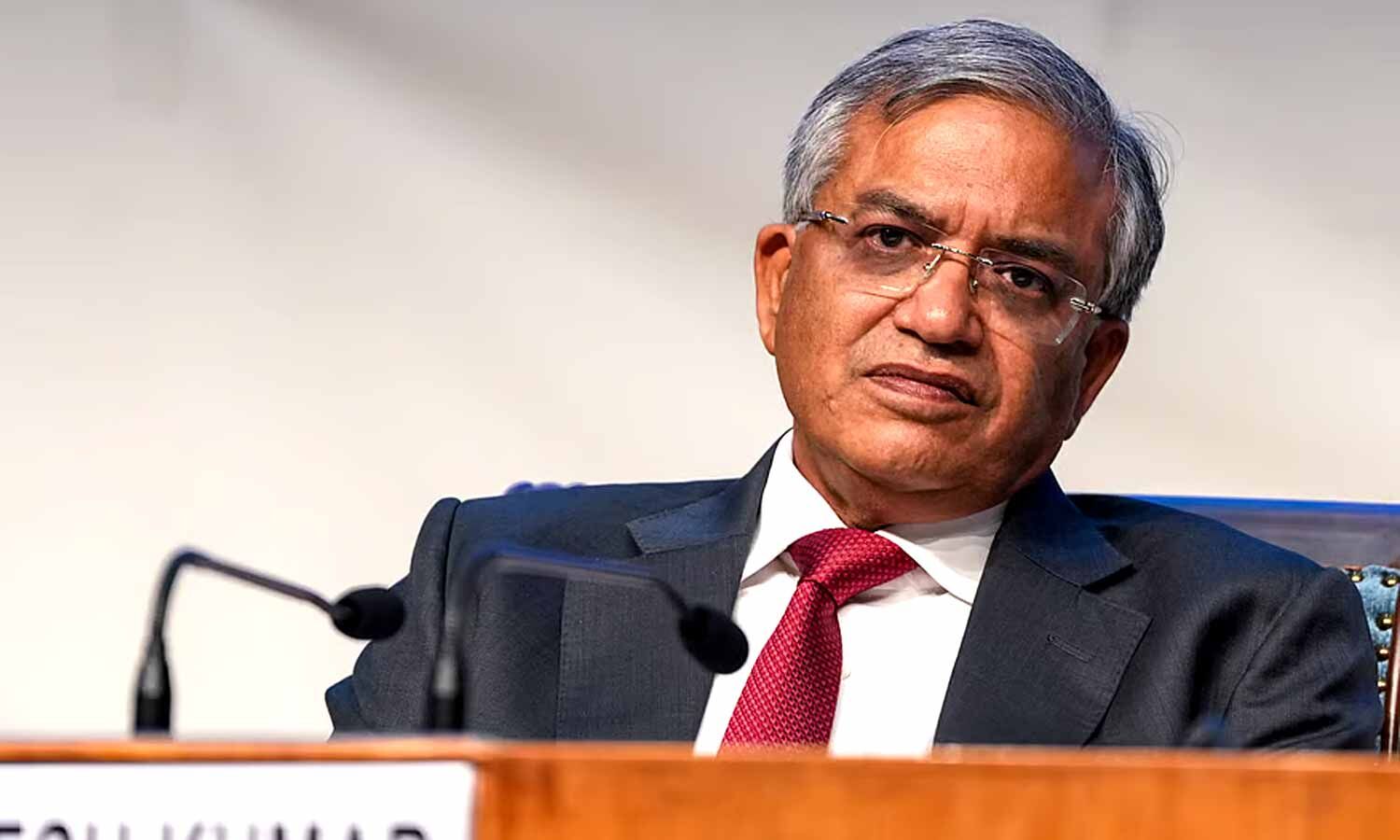
Election Commission Says SIR Decisions Were Unanimous After Rift Report
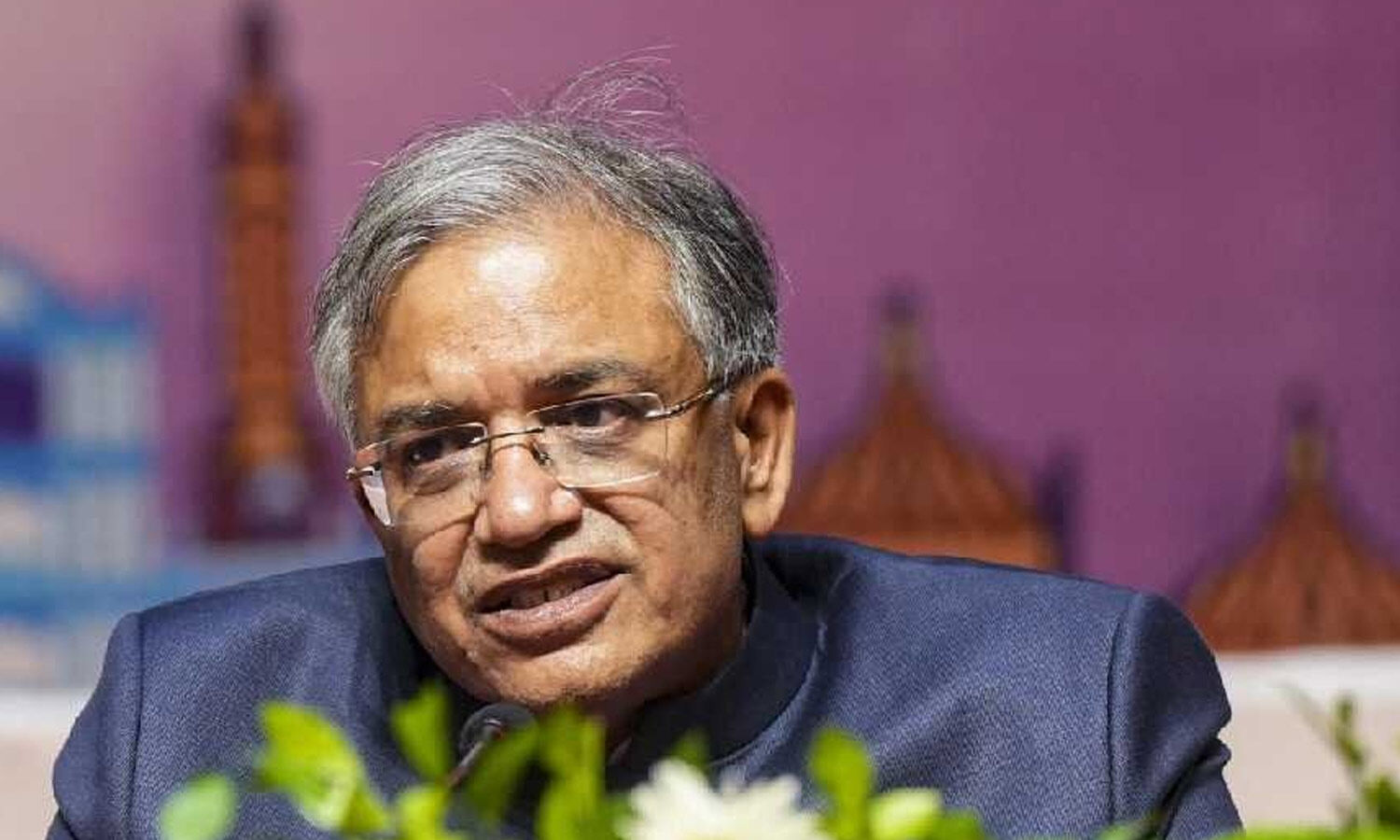
Election Commission Defends SIR Decisions Amid Dissent Controversy
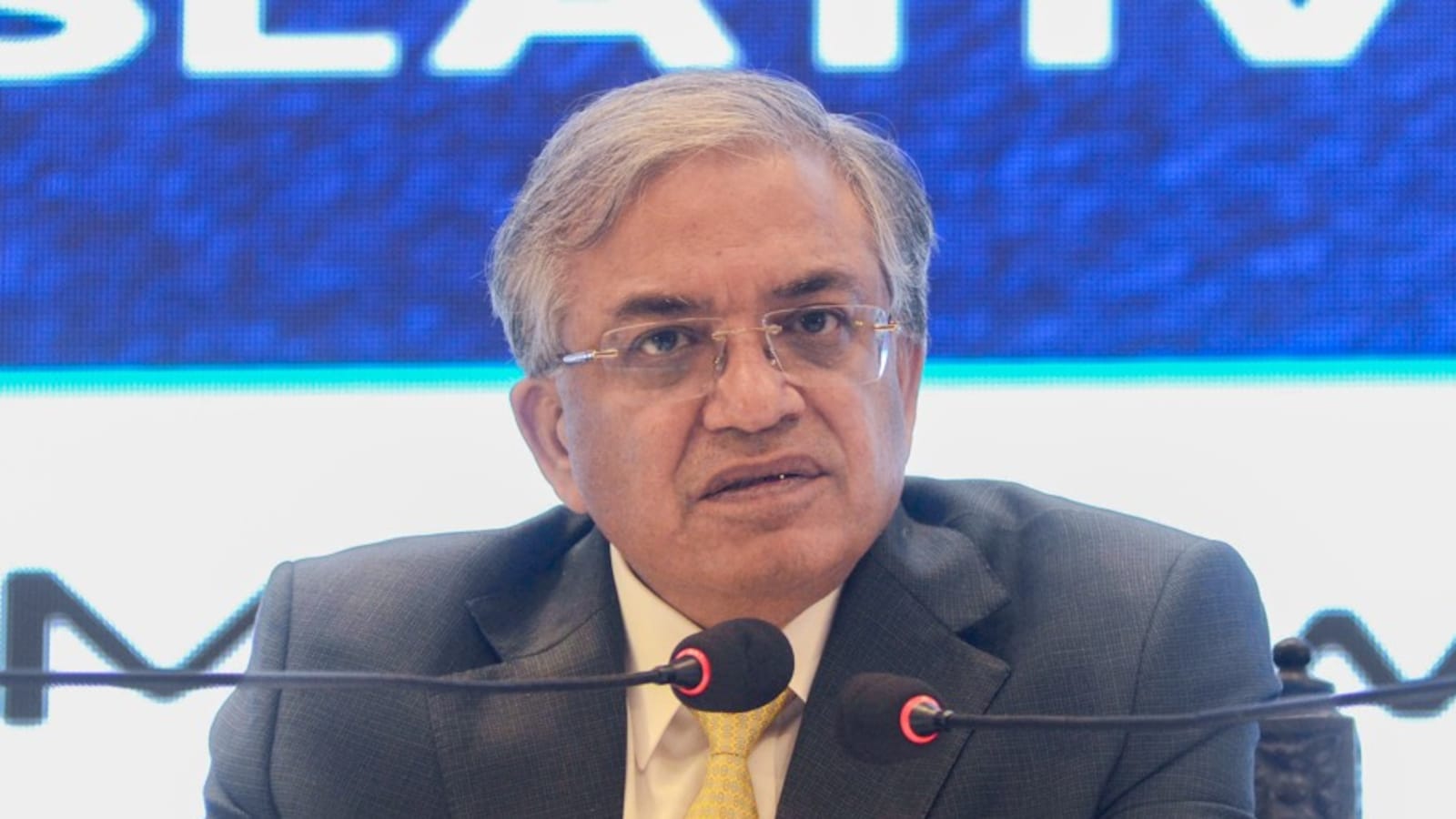
Gyanesh Kumar Faces Election Panel Scrutiny Over Voter Roll Decisions
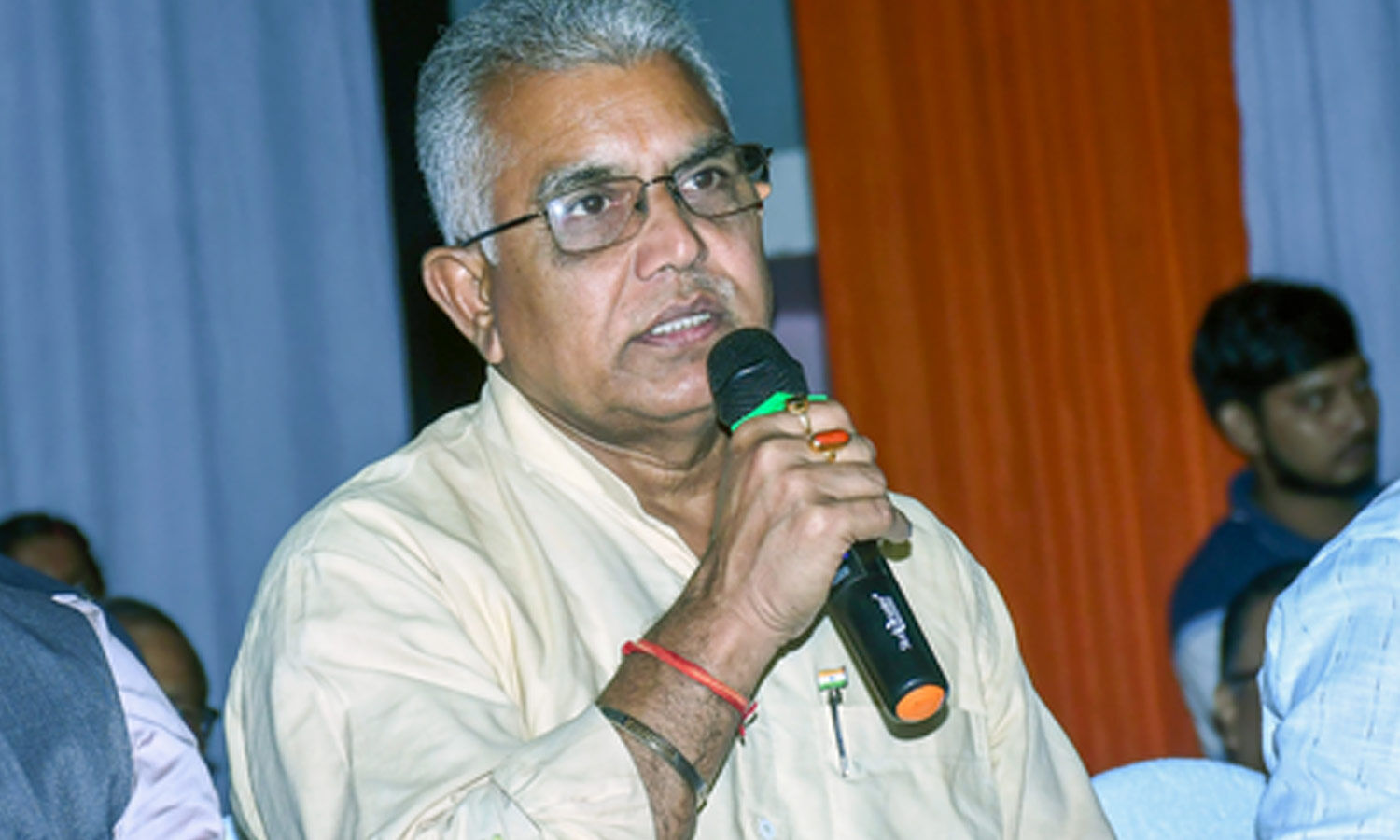
Dilip Ghosh Questions Reports of Election Commissioners’ Objections
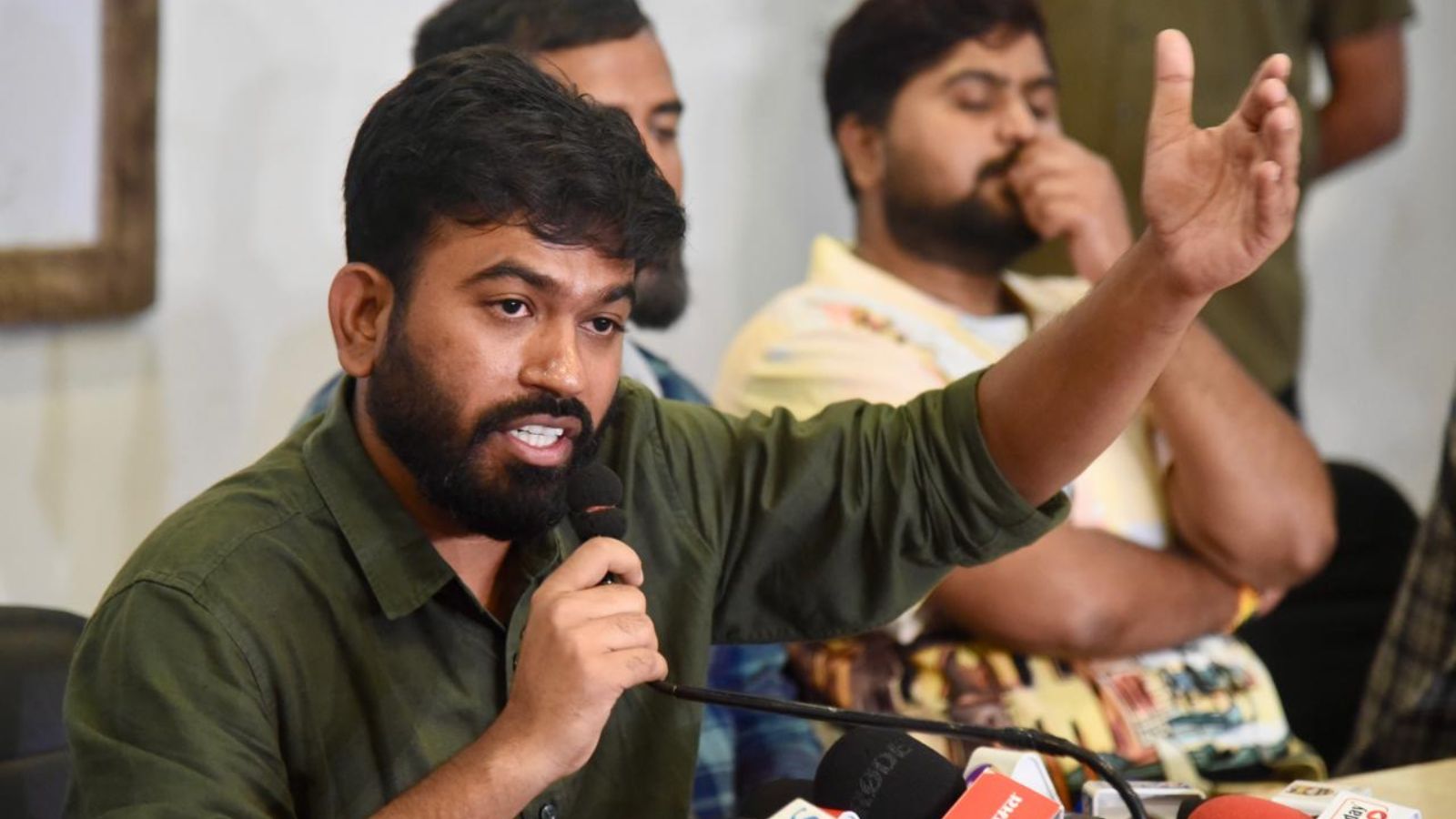
India Updates: Democracy Claims, Voter Dispute, Crime, Corporate Disclosure
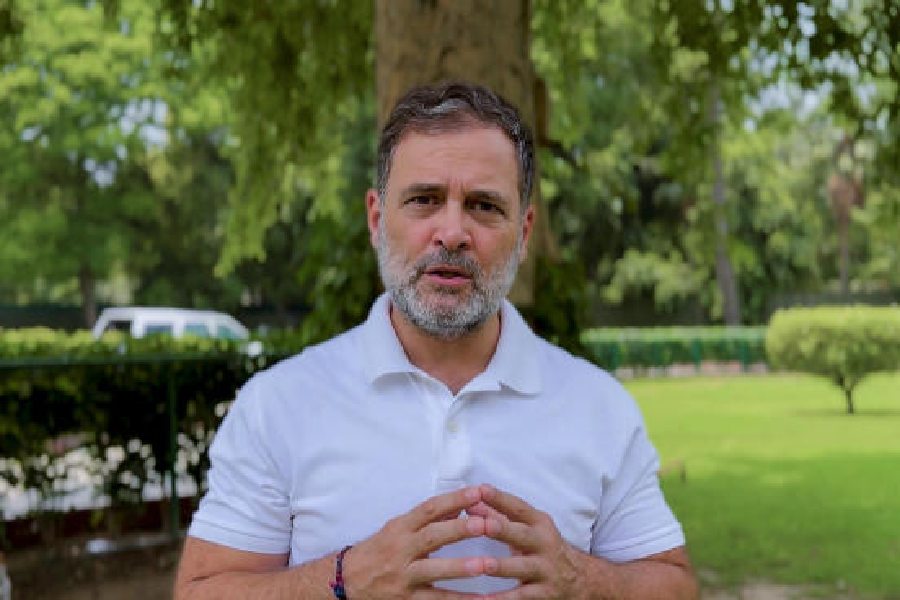
Opposition Intensifies Impeachment Demand Against CEC Over SIR