1 hr ago
Supreme Court Rejects Presumption Cattle Transport Means Slaughter
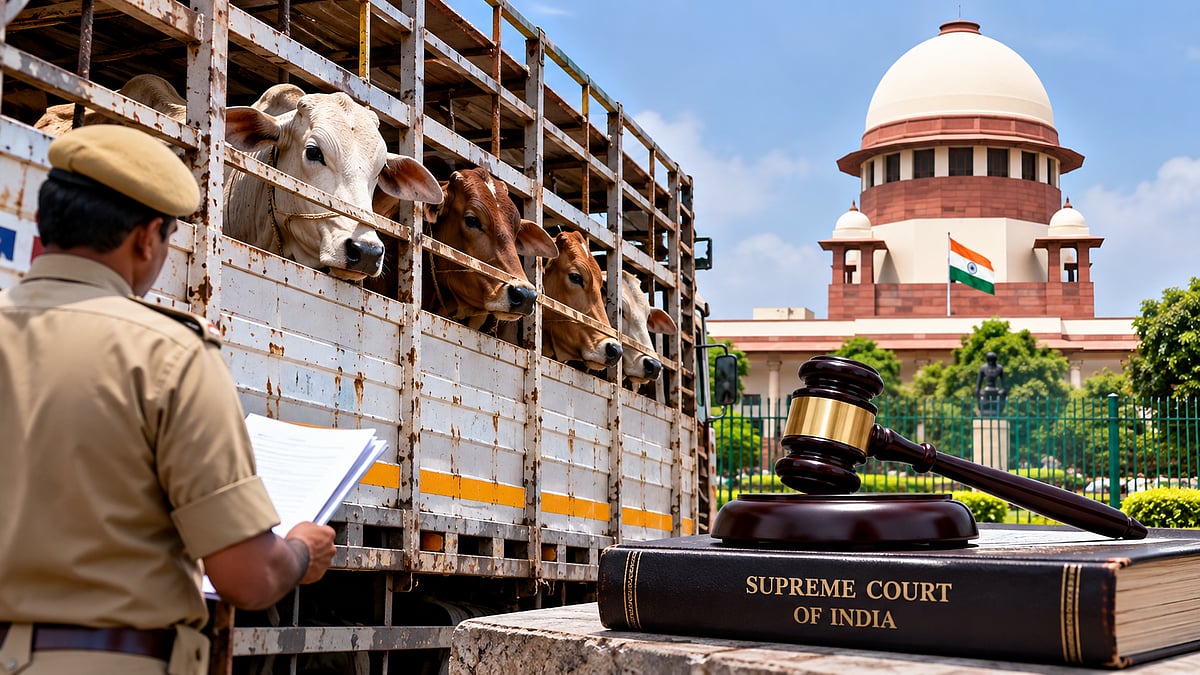
The Supreme Court considered a case involving 32 bullocks found in a truck.
Six people had been convicted in connection with the transport.
The prosecution said the cattle were being taken for slaughter.
The Court said missing transport papers do not automatically prove that purpose.
First, prosecutors must show evidence that the cattle were intended for slaughter.
Only then must the accused explain why the transport was lawful.
A veterinary doctor and a Gaushala president said the cattle could be used for farming.
The Court therefore set aside the challenged conviction.

The Supreme Court ruled that missing transport documents alone do not prove cattle were being taken for slaughter.
The ruling came while overturning one man’s conviction under the Chhattisgarh Agricultural Cattle Preservation Act, 2004.
Prosecutors said 32 bullocks were transported toward Odisha and that six people were involved.
The Court said the reverse burden on the accused applies only after the prosecution establishes the offence’s essential ingredients.
Veterinary and Gaushala testimony indicated the seized cattle were fit for agricultural work, including ploughing.
- Who
- A Supreme Court Bench comprising Justices JB Pardiwala and K Vinod Chandran considered an appeal by one of six convicted people.
- What
- The Court ruled that the absence of cattle transport documents alone cannot create a presumption that the animals were being transported for slaughter.
- Where
- The cattle were intercepted while being transported from Keduwa toward Odisha; the case arose under Chhattisgarh law.
- When
- The articles do not specify the date of the Supreme Court ruling.
- Why
- The Court found that the prosecution had not established that the cattle were being transported for slaughter or with knowledge that they were likely to be slaughtered.
Supreme Court’s interpretation
Prosecution’s case
Meaning of missing documents
Supreme Court’s interpretation
The absence of transport documents does not by itself prove that cattle were being taken for slaughter.
Prosecution’s case
The prosecution relied on the undocumented transport as part of its case involving the 32 bullocks.
Reverse burden of proof
Supreme Court’s interpretation
The burden shifts to the accused under Section 11 only after the prosecution first proves the essential elements of the alleged offence.
Prosecution’s case
The lower courts convicted the accused under the Act, but the Supreme Court found that the required underlying proof had not been established.
Purpose of transportation
Supreme Court’s interpretation
The Court found no sufficient evidence that the cattle were intended for slaughter and considered testimony that they were fit for agricultural use.
Prosecution’s case
Authorities alleged that the cattle were being transported for slaughter, with a Bolero allegedly escorting the truck.
Key facts
- Animals involved
- 32 bullocks
- Law applied
- Chhattisgarh Agricultural Cattle Preservation Act, 2004
- Relevant provisions
- Sections 6, 10 and 11
- Original sentence
- One year of rigorous imprisonment and a ₹1,000 fine
- People convicted
- Six people were convicted by the lower courts
- Court finding
- Missing transport documents alone cannot establish an intention to slaughter
- Agricultural evidence
- A veterinary doctor and a Gaushala president said the cattle were fit for ploughing
Quotes

Supreme Court
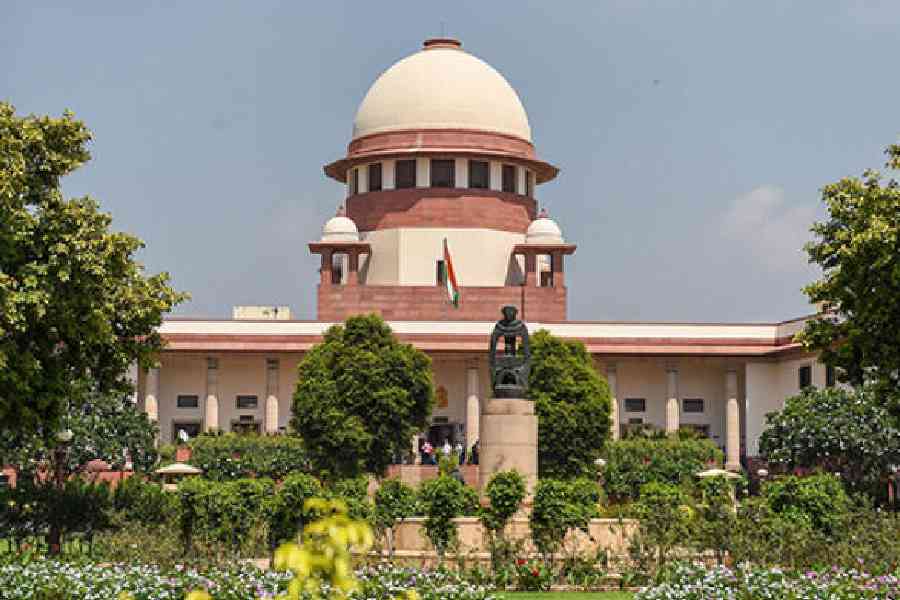
The Supreme Court Bench hearing the cattle-transport conviction appeal
“The mere fact that the transport was not accompanied by any documents cannot lead to a presumption that the transport was for slaughter.”
 freepressjournal.in
Sources
Related news

50 Buffaloes Seized in Bengal Truck; Two Arrested
Lucknow Vehicle Seized After Beef Transport Suspicion Sparks Scuffle
Supreme Court Releases Gujarat Liquor Truck After 20 Months

Man Arrested After Allegedly Maiming Stray Dog in Nadia

Gauhati High Court Declines to Halt Transfer of Five Elephants
Supreme Court Gives Bihar Eight Weeks to Clear Ganga Encroachments
Supreme Court Orders Delhi Police to Map Vulnerable Areas
Supreme Court Seeks Delhi-NCR Safety Report After Sexual Offences

Supreme Court Weighs Power Bills And Vehicle Restrictions For Fines