6 days ago
August 2026 Partial Lunar Eclipse Nearly Total, Invisible in India
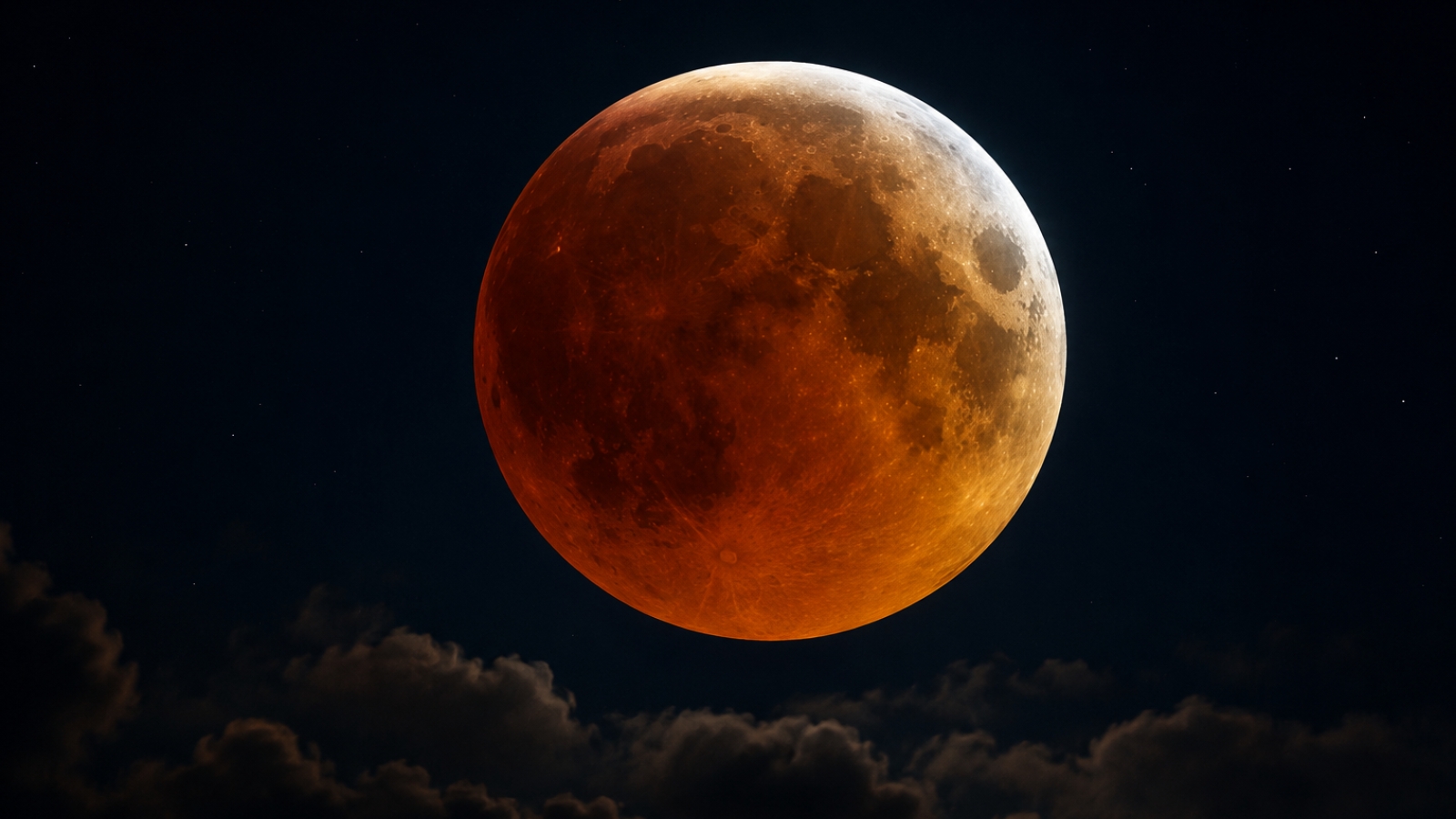
A lunar eclipse happens when Earth moves between the Sun and the Moon.
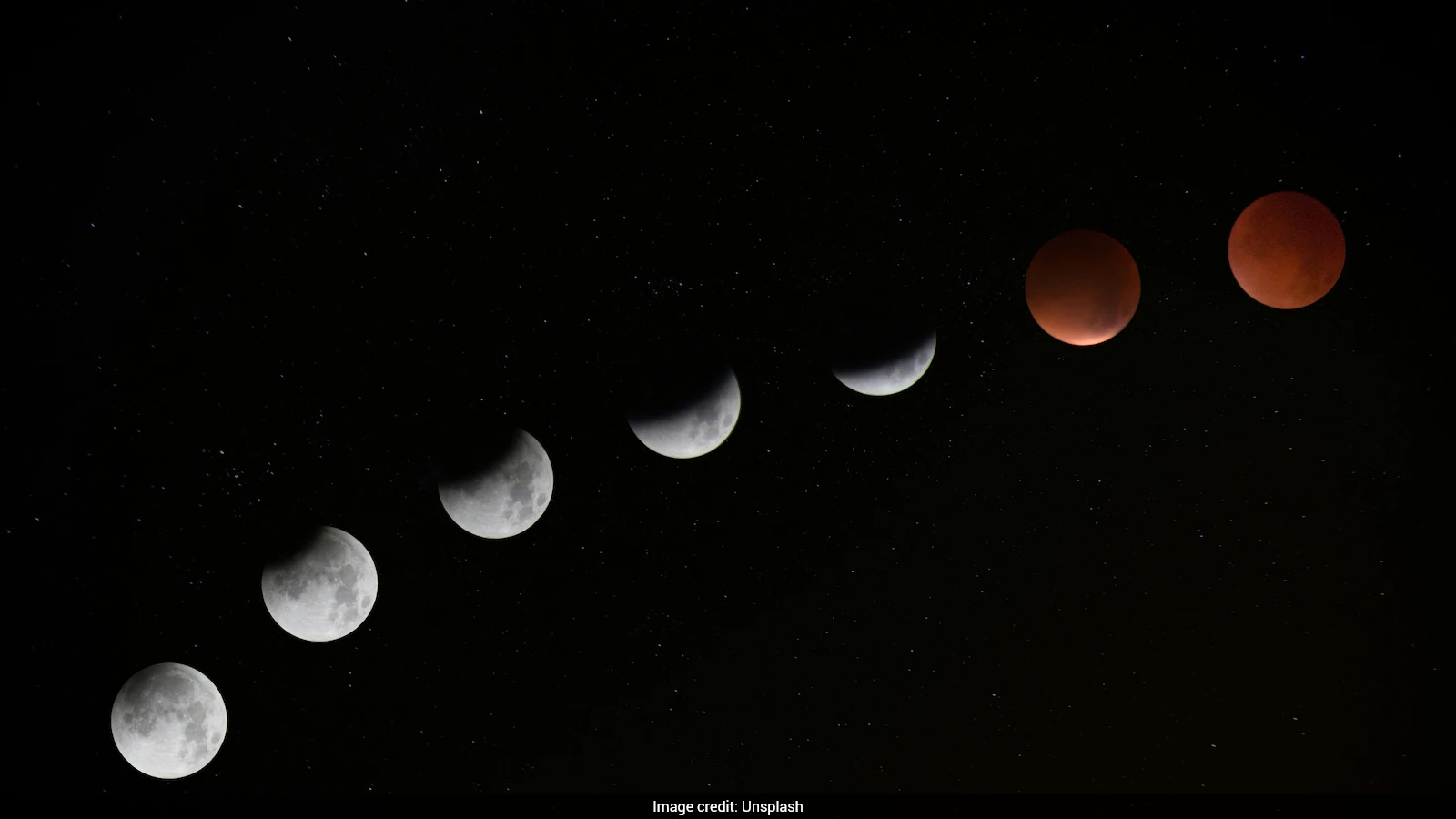
Earth’s shadow then covers part of the Moon.
On August 28, 2026, almost all of the Moon will enter the darkest part of that shadow.
The covered part may look coppery red because Earth’s atmosphere bends some red sunlight toward the Moon.
People in much of North and South America should have the best views.
Some people in Europe and Africa may see part of the eclipse before sunrise.
People in India will not see it because the Moon will be below the horizon during the event.
They can watch an online broadcast instead.
It is safe to look at a lunar eclipse with unaided eyes, binoculars, or a telescope.

A deep partial lunar eclipse will occur globally on August 28, 2026, though it begins on August 27 in parts of the Americas.
At maximum eclipse, about 96.3 percent of the Moon will be inside Earth’s umbra at approximately 4:13 UTC.
The eclipse will be fully visible across much of North and South America, with partial views in parts of Europe and Africa.
The event will not be visible from India because it will occur during daytime while the Moon is below the horizon.
The eclipse is safe to watch without special glasses, and online livestreams will be available for viewers unable to see it.
- Who
- Skywatchers in the Americas, parts of Europe and Africa, and online viewers worldwide.
- What
- A deep partial lunar eclipse in which approximately 96.3 percent of the Moon will enter Earth’s umbra.
- Where
- The eclipse will be best seen across North and South America, with partial visibility in parts of Europe and Africa; it will not be visible directly from India.
- When
- August 27–28, 2026, depending on location; the global maximum occurs at about 4:13 UTC, or 9:43 am IST.
- Why
- Earth will pass between the Sun and Moon, placing most of the Moon inside Earth’s darkest shadow.
Key facts
- Maximum eclipse
- Approximately 96.3 percent of the Moon’s disk will be inside the umbra.
- Maximum time
- About 4:13 am UTC on August 28, 2026, or 9:43 am IST.
- Partial phase begins
- 2:34 am UTC, or 8:04 am IST.
- Visibility in India
- Not visible because the Moon will be below the horizon during the eclipse.
- Best viewing areas
- Much of North and South America; parts of Europe and Africa may see later stages.
- Online viewing
- Potential livestreams include coverage from NASA, the European Space Agency, Griffith Observatory, the Virtual Telescope Project and Space.com.
- Viewing safety
- Naked-eye viewing is safe; eclipse glasses and special filters are not required.
Sources
Related news

August 28 Partial Lunar Eclipse Not Visible in India
August 2026 Partial Lunar Eclipse Visible Across Americas, Europe

August 2026 Partial Lunar Eclipse Nears Totality, Misses India
August 2026 Deep Partial Eclipse Will Create Blood Moon
Partial Lunar Eclipse Will Darken 96% of Sturgeon Moon

Where to Watch Thursday’s Partial Lunar Eclipse Online

Interstellar Comet 3I/ATLAS Live Stream Tonight