

2 weeks ago
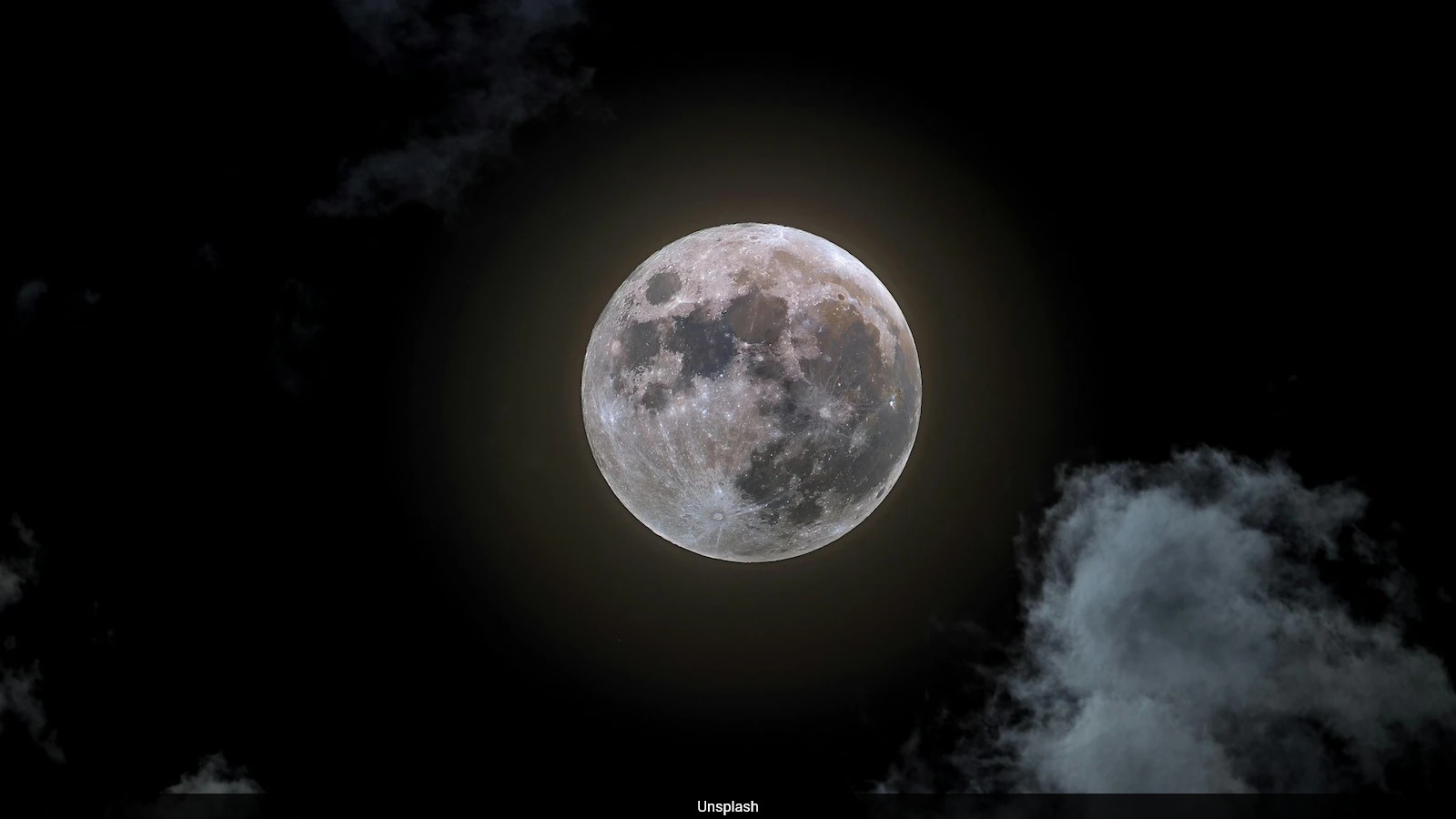
August 2026 Deep Partial Eclipse Will Create Blood Moon
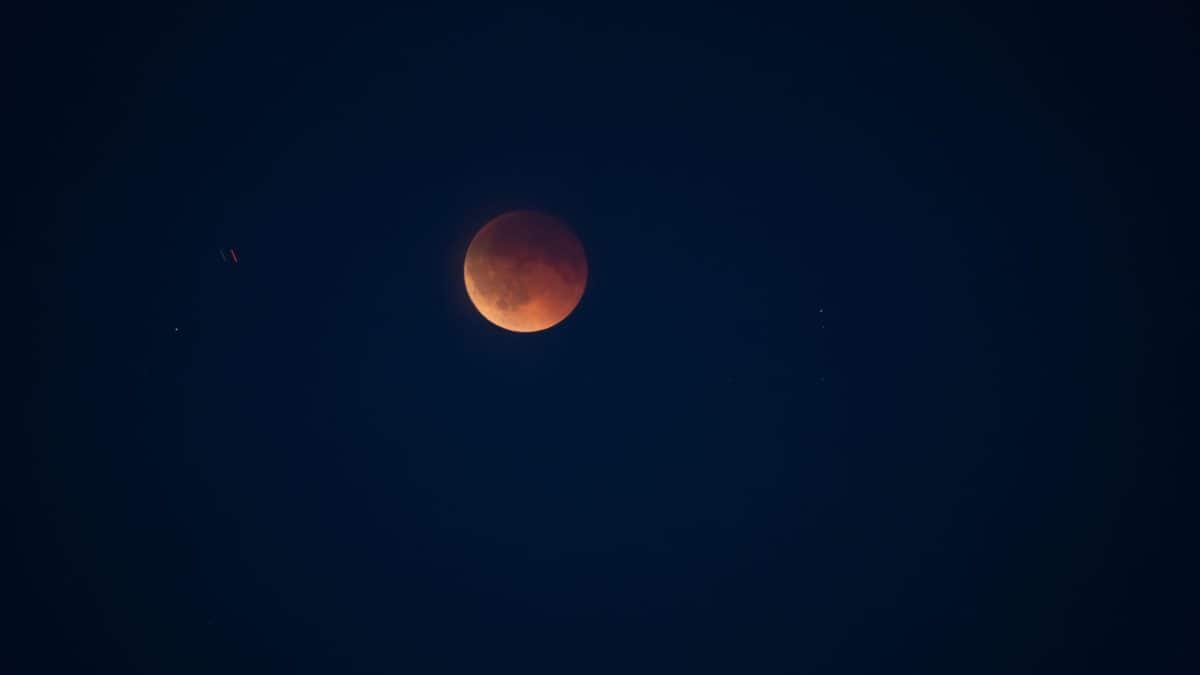
A lunar eclipse happens when Earth moves between the Sun and the Moon.
Earth blocks most of the direct sunlight from reaching the Moon.
During this eclipse, about 96 percent of the Moon will enter Earth’s darkest shadow.
The Moon may look red, orange, or copper-colored.
This happens because Earth’s atmosphere scatters blue light and lets more red light pass through.
The red light bends toward the Moon, much like the colors seen during a sunset.
The eclipse will happen between August 27 and 28, 2026.
People can safely watch it without special glasses if the Moon is visible from their location.

A deep partial lunar eclipse will occur from August 27 into August 28, 2026.
About 96 percent of the Moon will pass through Earth’s darkest shadow.
The eclipse will peak at approximately 4:13 UTC on August 28.
Sunlight filtered through Earth’s atmosphere will make the eclipsed Moon appear red or orange.
The event will be visible across much of the Americas and parts of Europe and Africa, but not India.
- Who
- Skywatchers in locations where the Moon is above the horizon.
- What
- A deep partial lunar eclipse in which about 96 percent of the Moon will pass through Earth’s umbral shadow.
- Where
- Large parts of North and South America, plus parts of Europe and Africa; it will not be visible from India.
- When
- From August 27 into August 28, 2026; maximum eclipse will occur at about 4:13 UTC on August 28.
- Why
- The Sun, Earth, and Moon will align during an eclipse season, allowing Earth’s shadow to fall on the full Moon.
Key facts
- Eclipse type
- Deep partial lunar eclipse
- Maximum eclipse
- Approximately 4:13 UTC on August 28, 2026
- Moon in shadow
- About 96 percent of the lunar disc
- Moon name
- The August full Moon is traditionally called the Sturgeon Moon
- Visibility
- Much of North and South America, and parts of Europe and Africa
- Not visible from
- India
- Viewing safety
- Safe to watch directly with the naked eye
Sources
Related news
August 2026 Partial Lunar Eclipse Nearly Total, Invisible in India
August 2026 Partial Lunar Eclipse Visible Across Americas, Europe

August 28 Partial Lunar Eclipse Not Visible in India

August 2026 Partial Lunar Eclipse Nears Totality, Misses India
Partial Lunar Eclipse Will Darken 96% of Sturgeon Moon

August 2026 Lunar Eclipse Will Peak In Early UTC Hours
Next Lunar Eclipse Set for February 2027 Across India, World

Why Soil Is Brown: Humus, Iron, and Earth’s Colour

2026 Blood Moon Eclipse Draws Global Attention and Zodiac Claims

Smartphone Tips for Capturing the 2026 Partial Lunar Eclipse

Aditya-L1 Findings Clarify Magnetic Heating of the Sun’s Corona
