

5 days ago
Where to Watch Thursday’s Partial Lunar Eclipse Online

A lunar eclipse happens when Earth moves between the Sun and the Moon.
Earth then casts a shadow onto the Moon.
During this event, almost all of the Moon will be covered by the shadow.
The Moon may look red because Earth’s atmosphere changes how sunlight reaches it.
People in much of North and South America should have the best chance of seeing it.
Some people in Europe and Africa may also see part of it.
The eclipse is expected to begin around 9:23 p.m.
EST and peak around 10:33 p.m.
EST.
People who cannot see it outside can watch free livestreams online.

A partial lunar eclipse will be visible across much of North and South America on Thursday night.
About 96 percent of the Moon is expected to be covered by Earth’s shadow at the peak.
The Moon may appear reddish, creating the “blood moon” effect caused by sunlight scattering in Earth’s atmosphere.
The eclipse is listed as beginning around 9:23 p.m. EST and peaking around 10:33 p.m. EST.
Free livestreams are planned by Time and Date, Griffith Observatory, and the Virtual Telescope Project.
- Who
- Skywatchers in the Americas, with some viewers in Europe and Africa, can observe the eclipse; three YouTube channels will livestream it.
- What
- A partial lunar eclipse, with about 96 percent of the Moon covered by Earth’s shadow at its peak, will occur.
- Where
- The eclipse will be best viewed across large parts of North and South America, with limited visibility in parts of Europe and Africa. Online streams will show views from Portugal, Spain, Los Angeles, Italy, and Chile.
- When
- Thursday night; the article lists a start around 9:23 p.m. EST and a peak around 10:33 p.m. EST. Livestreams are scheduled for August 27 and 28 in the listed time zones.
- Why
- The eclipse occurs because Earth moves between the Sun and Moon, casting a shadow across the Moon; livestreams are offered for people unable to view it locally.
Key facts
- Event
- Partial lunar eclipse
- Peak coverage
- Approximately 96 percent of the Moon covered by Earth’s shadow
- Reported start time
- Around 9:23 p.m. EST
- Reported peak time
- Around 10:33 p.m. EST
- Time and Date livestream
- 10 p.m. EDT on August 27, or 0200 GMT on August 28
- Griffith Observatory livestream
- 10:25 p.m. EDT on August 27, or 0225 GMT on August 28
- Virtual Telescope Project livestream
- 9:30 p.m. EDT on August 27, listed as 1:30 GMT on August 28
Sources
Related news
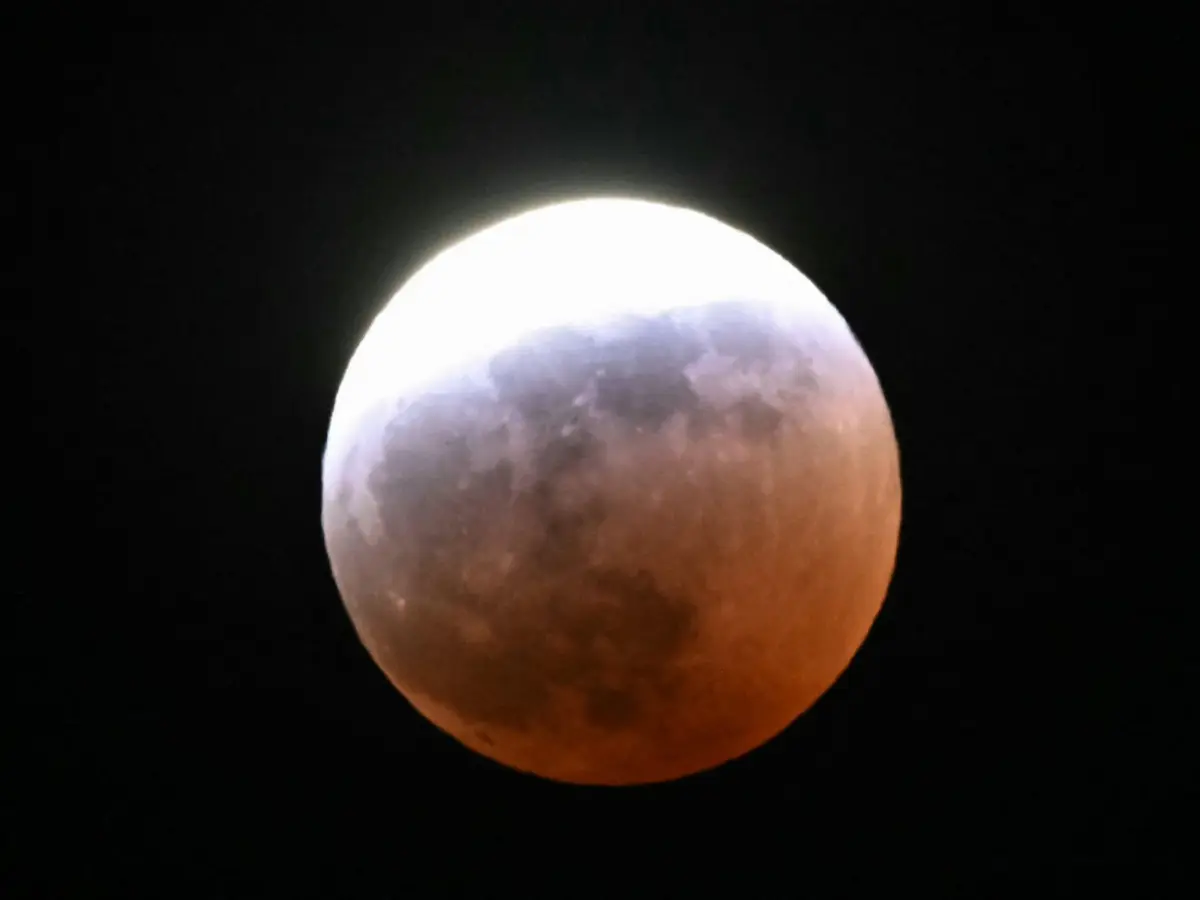
August 2026 Partial Lunar Eclipse Visible Across Americas, Europe
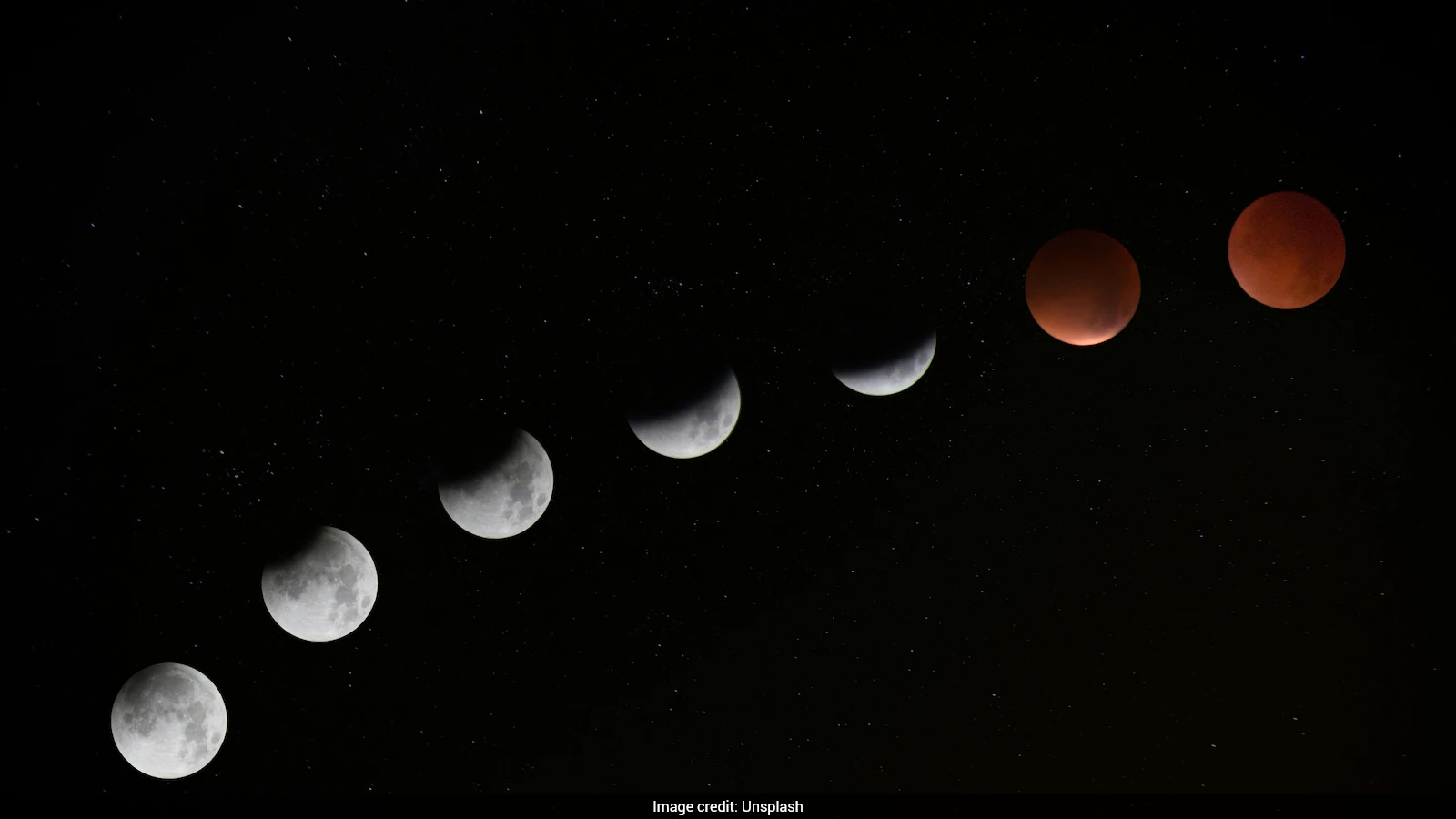
Partial Lunar Eclipse Will Darken 96% of Sturgeon Moon
Deep Partial Lunar Eclipse To Cover 96% Of Moon
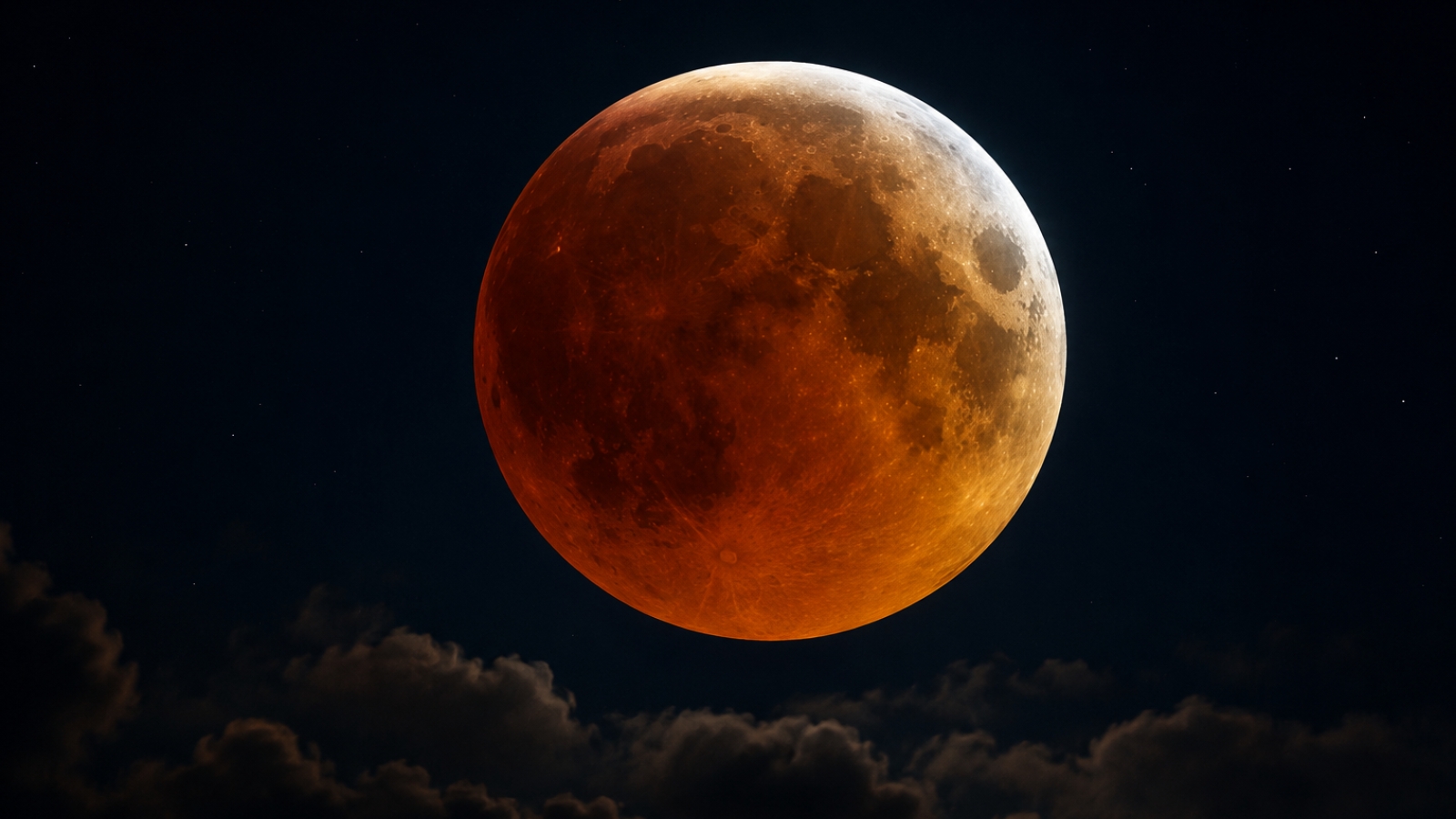
August 2026 Partial Lunar Eclipse Nearly Total, Invisible in India

August 2026 Lunar Eclipse Will Peak In Early UTC Hours

August 2026 Partial Lunar Eclipse Nears Totality, Misses India

India’s Proposed Food Warning Labels Face Health, Industry Backlash

India Proposes Red Warning Labels for Unhealthy Packaged Foods

Indian Duo Completes WRC3 Podium Hat-Trick In Paraguay

Cristiano Ronaldo Supported Messi After His First Retirement

Lionel Messi’s Argentina Career Ends After Heartbreak and Glory
