

1 week ago
August 2026 Partial Lunar Eclipse Visible Across Americas, Europe
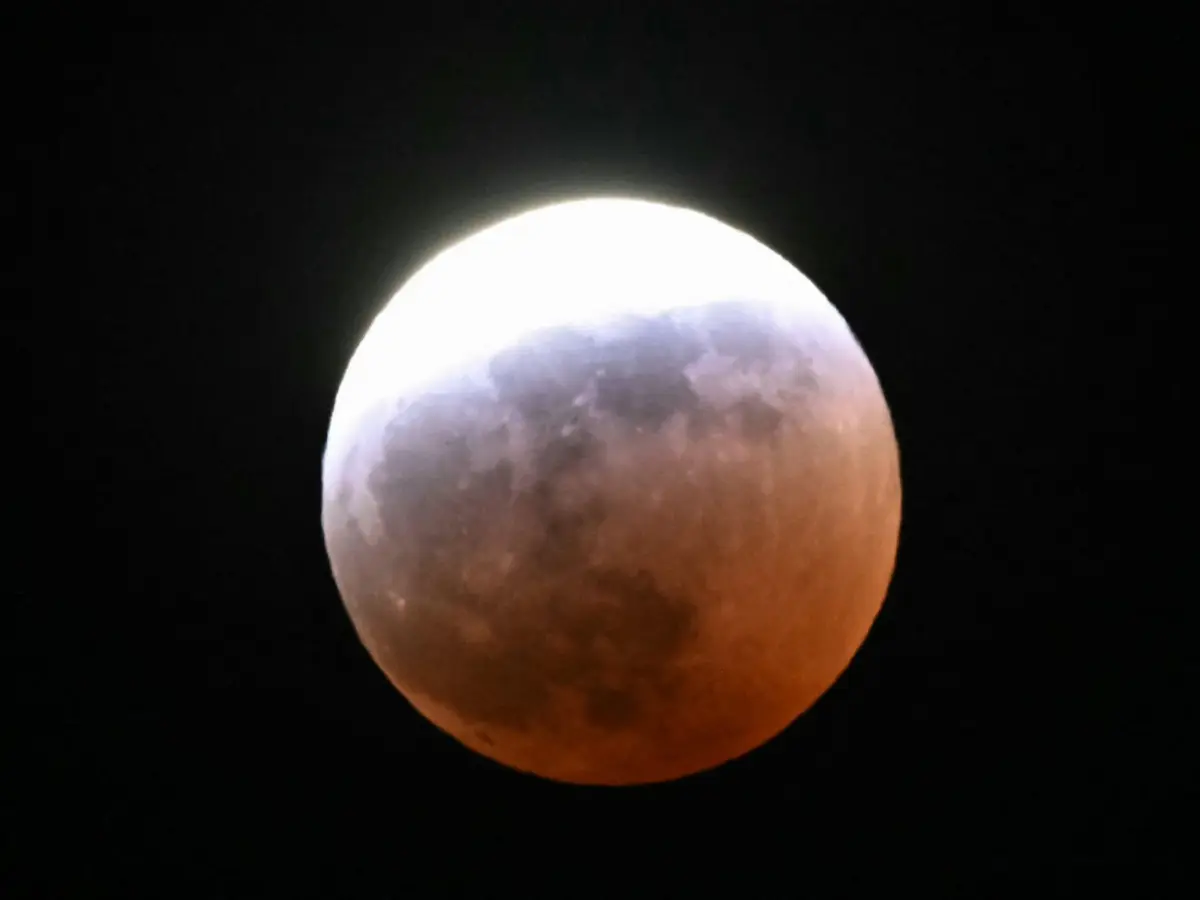
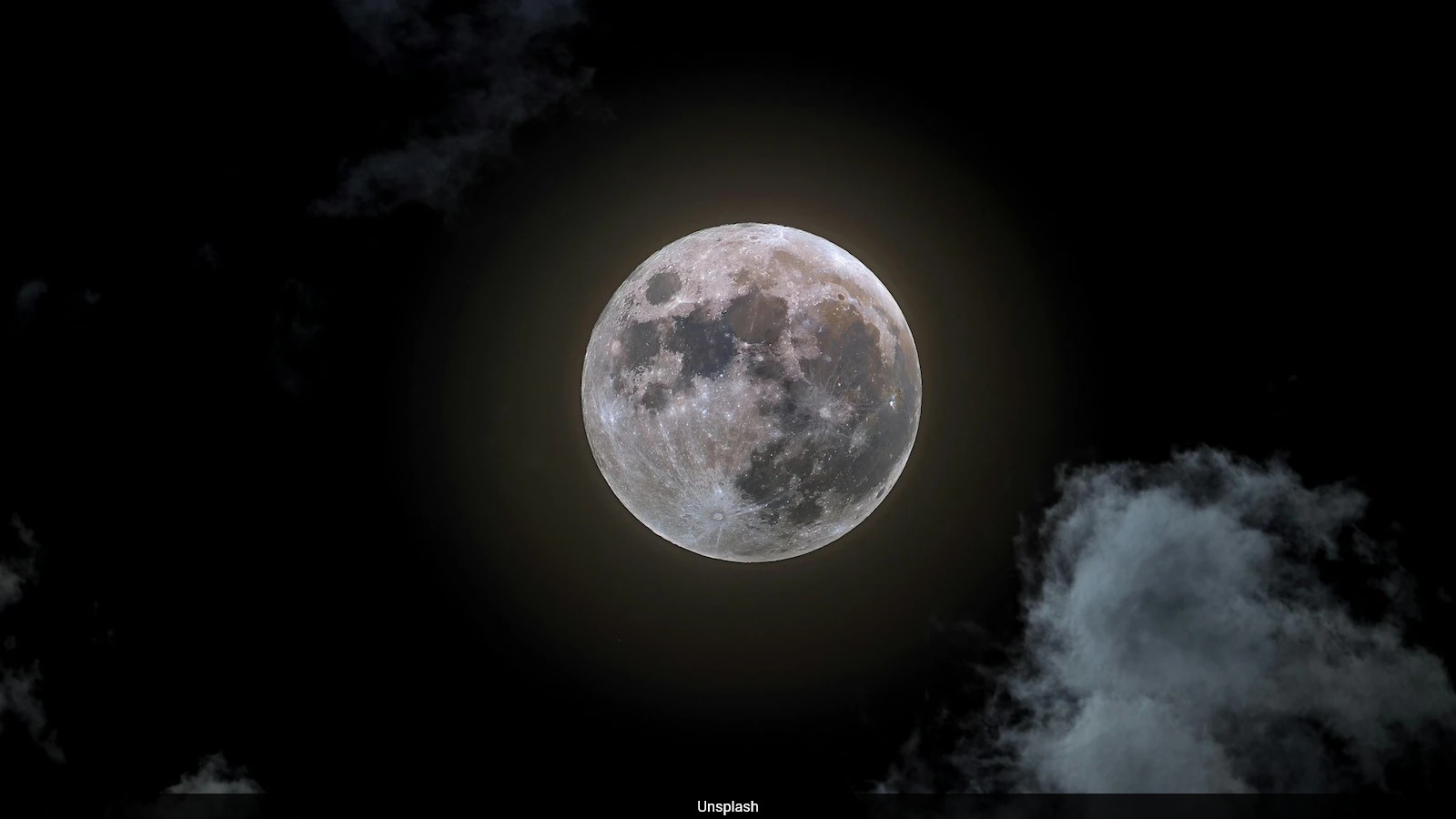
A lunar eclipse happens when Earth moves between the Sun and the Moon.
Earth’s shadow then covers part of the Moon.
During this eclipse, about 96.2% of the Moon will be in shadow at the peak.
The covered part may look reddish-orange because Earth’s atmosphere bends some red sunlight toward the Moon.
The eclipse will happen from August 27 into August 28, 2026.
People in much of the Americas will have the best chance to see it.
People in the United Kingdom and parts of Europe must look early on August 28, while India will not see it.
Saturn will be close to the Moon, and Venus may shine brightly after sunset in the southwest.

A partial lunar eclipse will occur from August 27 into August 28, 2026, with 96.2% of the Moon entering Earth’s shadow at its peak.
The eclipse begins with the penumbral phase at 9:23 p.m. Eastern Time, followed by the partial phase at 10:33 p.m.
The eclipse will peak at 12:12 a.m. Eastern Time, end its partial phase at 1:51 a.m., and conclude after about five hours.
North and South America will have the best views, while parts of Europe and Africa will see it around sunrise or early morning.
India will not see the eclipse because it occurs during daytime there and the Moon remains below the horizon.
- Who
- Skywatchers in North and South America, parts of Europe and Africa, and the United Kingdom and United States.
- What
- A partial lunar eclipse, also called a Blood Moon, will cover most of the Moon with Earth’s shadow.
- Where
- The eclipse will be best visible in North and South America, with views in parts of Europe and Africa. It will not be visible in India.
- When
- From August 27 into August 28, 2026; the peak occurs at 12:12 a.m. Eastern Time and around 5:12 a.m. BST in London.
- Why
- Earth will align between the Sun and Moon, casting its shadow across the lunar surface; Earth’s atmosphere will give the Moon a reddish-orange appearance.
Key facts
- Event
- Partial lunar eclipse, also known as a Blood Moon
- Date
- August 27–28, 2026
- Peak coverage
- 96.2% of the Moon will be in Earth’s shadow
- Eastern Time
- Penumbral phase begins at 9:23 p.m.; partial phase begins at 10:33 p.m.; peak occurs at 12:12 a.m.
- United Kingdom
- Penumbral phase begins around 2:23 a.m. BST; partial eclipse begins around 4:12 a.m.; maximum occurs around 5:12 a.m.
- Total duration
- About five hours, ending when the penumbral phase concludes at 3:01 a.m. Eastern Time
- India visibility
- Not visible because the eclipse occurs during daytime there and the Moon remains below the horizon
- Additional sky objects
- Saturn will be near the Moon, while Venus may be visible after sunset in the southwest
Sources

Related news

August 2026 Partial Lunar Eclipse Nears Totality, Misses India
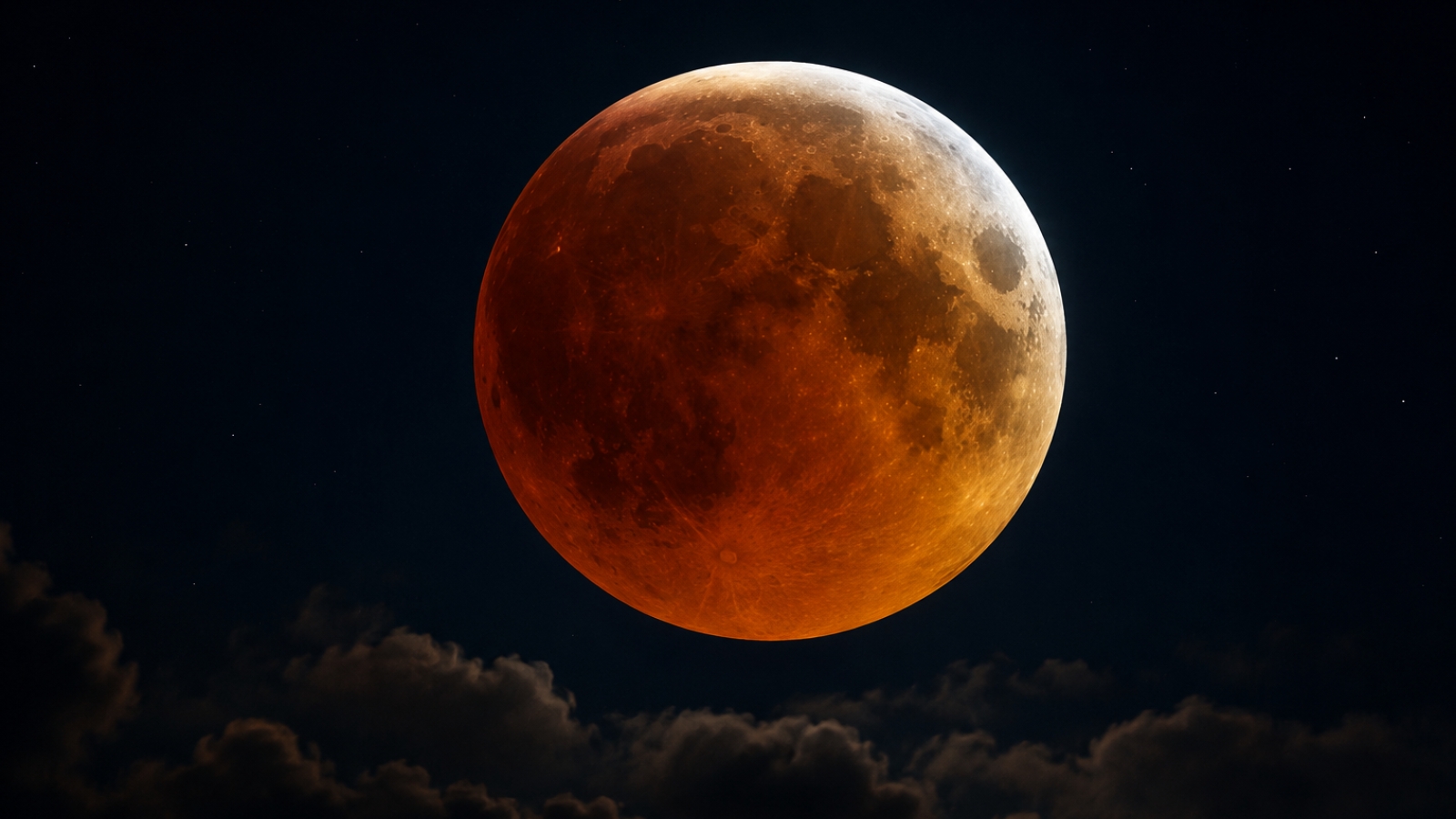
August 2026 Partial Lunar Eclipse Nearly Total, Invisible in India

August 28 Partial Lunar Eclipse Not Visible in India
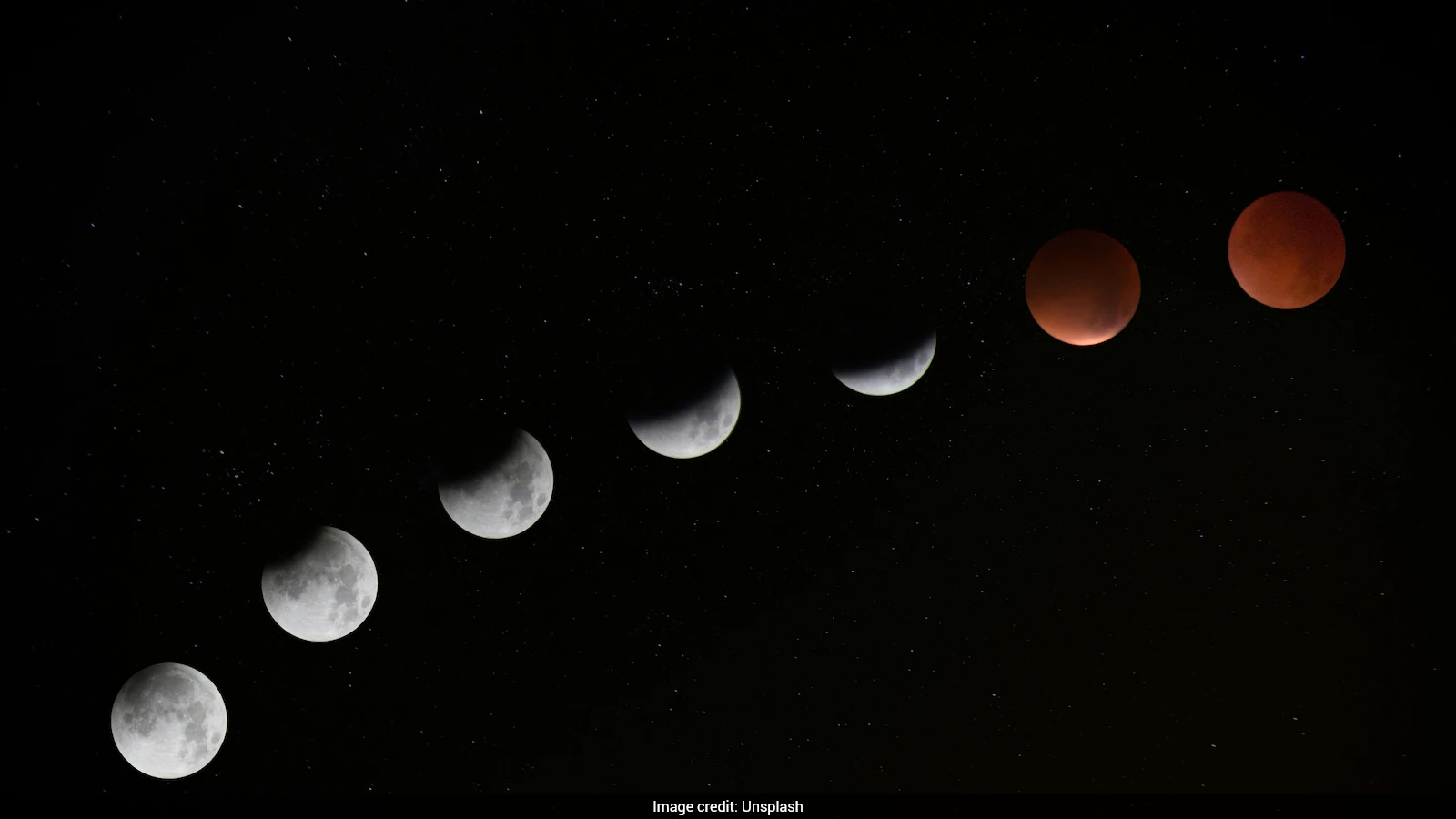
Partial Lunar Eclipse Will Darken 96% of Sturgeon Moon
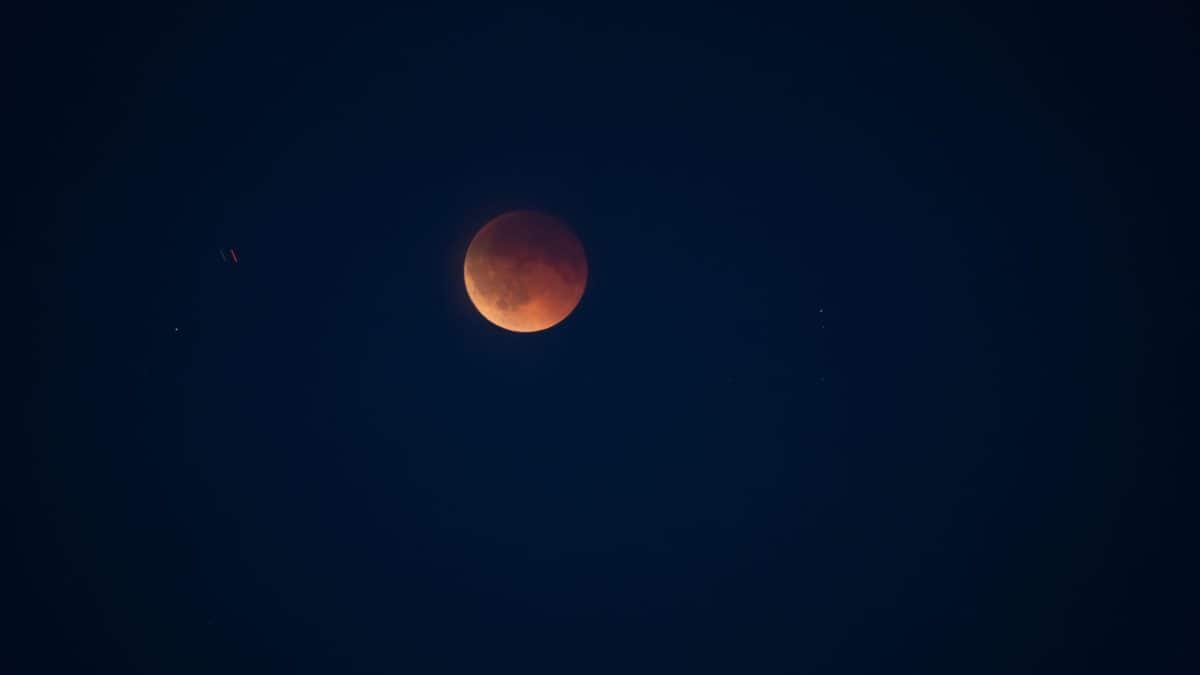
August 2026 Deep Partial Eclipse Will Create Blood Moon
Next Lunar Eclipse Set for February 2027 Across India, World

Xi Jinping’s Egypt Visit Signals Deeper China-Middle East Ties

Akasa Air Adds Two Boeing 737 MAX Aircraft At NMIA

Lessons from Mubarak's Egypt: Stability, Growth, and Autocratic Rule
Egypt Ruling Opens Public Services Path for Rape Survivor’s Daughter
