

6 days ago
MMDR Amendment Act Threatens India’s Mineral Fiscal Compromise

India’s states used to receive important tax money from minerals found in their territories.
A new law gives the Union government control over taxes on minerals and mining land.
Critics say this could reduce the money available to states with large mining industries.
They estimate that some states could lose 10–20 per cent of their yearly revenues.
The law was passed after only limited debate in Parliament.
Supporters say stronger central control may make it easier for companies to do business.
Critics respond that mining affects local communities and needs state and local involvement.
They also worry that the law may conflict with a 2024 Supreme Court ruling on states’ mineral-tax rights.
The article suggests India should give states more ways to raise money and support regional development.

Parliament passed the MMDR Amendment Act, 2026, centralising taxation of minerals and mineral-bearing land.
The amendment removes what critics describe as states’ longstanding fiscal rights over major minerals.
Mining-dependent states could lose an estimated 10–20 per cent of annual revenues, according to the article.
The legislation was debated for five minutes in the Lok Sabha and 40 minutes in the Rajya Sabha.
Critics say the law weakens fiscal federalism, while supporters argue central control could improve ease of doing business.
- Who
- The Union government, state governments, Parliament, mining companies and affected local communities are involved.
- What
- Parliament passed the MMDR Amendment Act, 2026, giving the Union government control over mineral and mineral-land taxation.
- Where
- The changes apply across India, particularly affecting states with large mining economies.
- When
- The amendment was passed in 2026; the article also refers to a relevant Supreme Court ruling from 2024.
- Why
- The Union government is seeking greater control over mineral taxation, while critics warn that this undermines fiscal federalism and state revenues.
Critics of centralisation
Union-government rationale
Fiscal federalism
Critics of centralisation
Critics say the amendment dismantles a longstanding compromise by converting states’ mineral-tax rights into discretionary allocations controlled by the Union government.
Union-government rationale
The Union government’s stated policy narrative, as described in the article, favours stronger central control to restrain state-level fiscal problems and improve economic management.
Ease of doing business
Critics of centralisation
Critics argue that central control has not solved mining’s regulatory and approval difficulties and that mining requires sustained negotiation with local communities and politicians.
Union-government rationale
Supporters defend the amendments through the argument that state-level control and regulation can hinder companies’ ease of doing business.
Parliamentary scrutiny
Critics of centralisation
Opponents wanted the Bill referred to a standing committee and criticised the five-minute Lok Sabha and 40-minute Rajya Sabha debates.
Union-government rationale
The government proceeded with the amendments and used bureaucrats and technocrats to defend the law despite calls for further review.
Key facts
- Legislation
- Mines and Minerals (Development and Regulation) Amendment Act, 2026
- Parliamentary status
- Passed by both houses of Parliament
- Taxation change
- The Union government gains control over mineral and mineral-bearing land taxation
- Potential state revenue impact
- Mining-dependent states could be affected by an estimated 10–20 per cent of annual revenues
- Lok Sabha debate
- The Bill was discussed for five minutes
- Rajya Sabha debate
- The Bill was discussed for 40 minutes
- Relevant court ruling
- The article says the amendment may evade a 2024 Supreme Court ruling concerning states’ mineral-tax rights
Sources
Related news
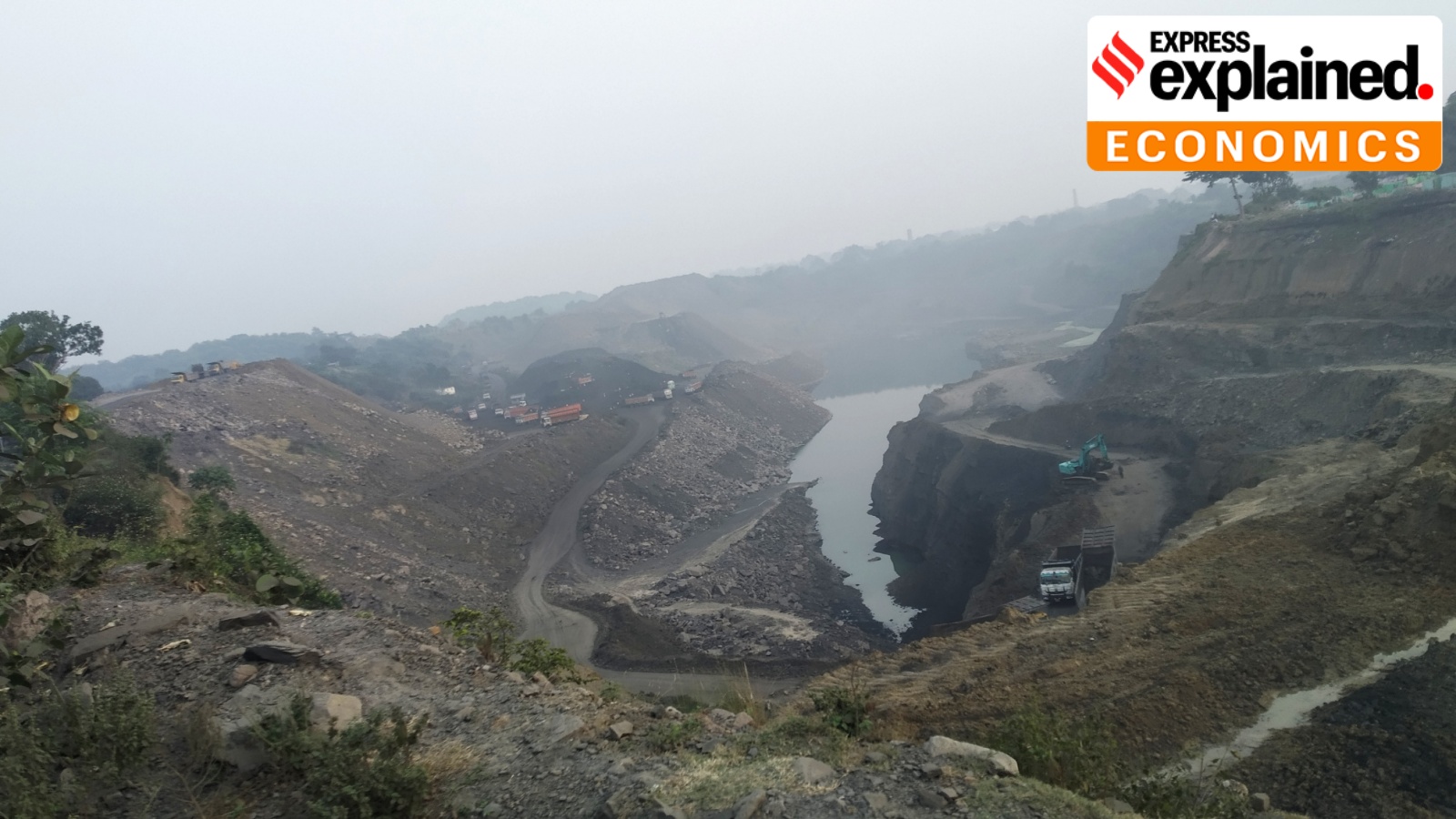
India's mining tax overhaul reignites Centre-state tussle over revenue

MMDR Amendment Bill 2026 Sparks State-Centre Mining Tax Battle
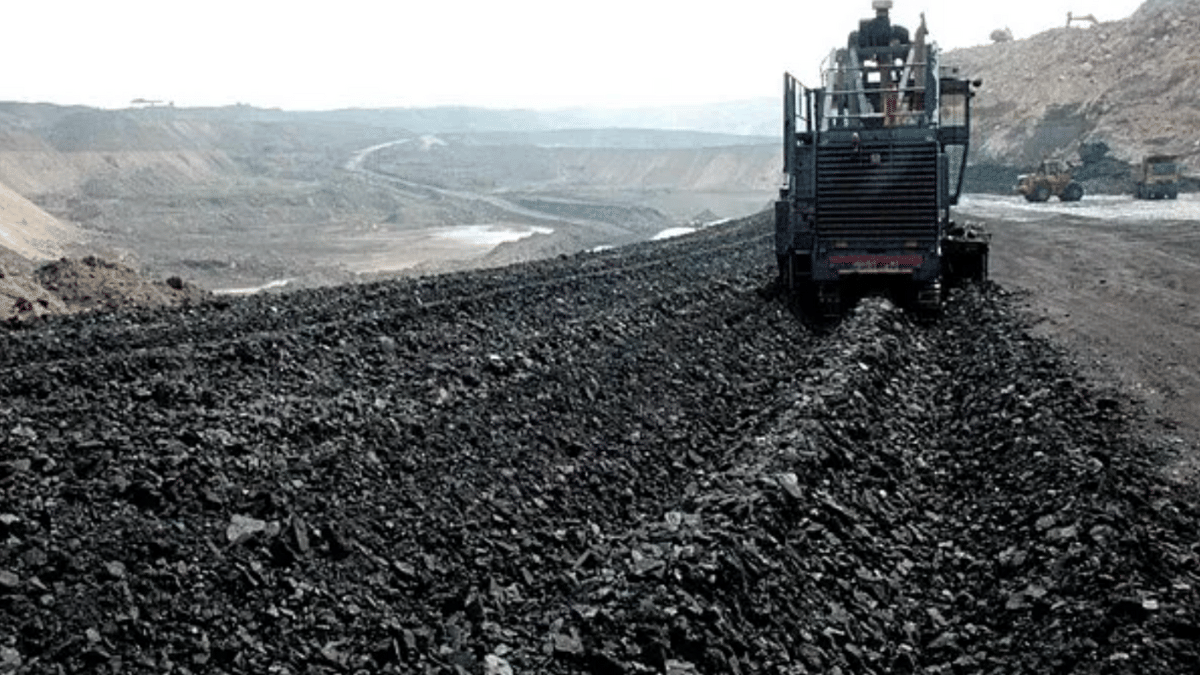
Centre Bars States From Levying Taxes on Mineral Rights
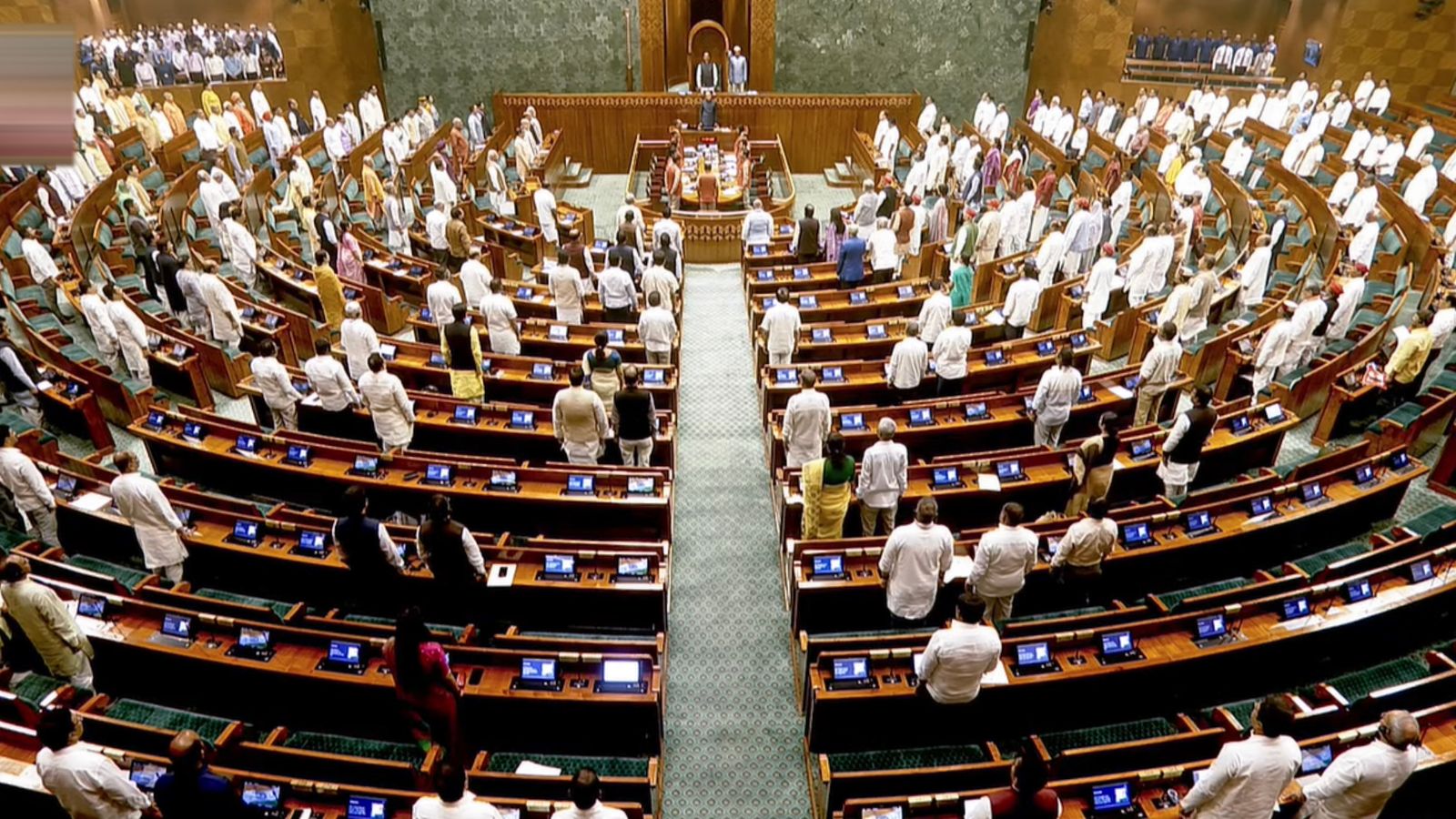
Parliament Passes Mines and Minerals Amendment Bill Curbing State Levies
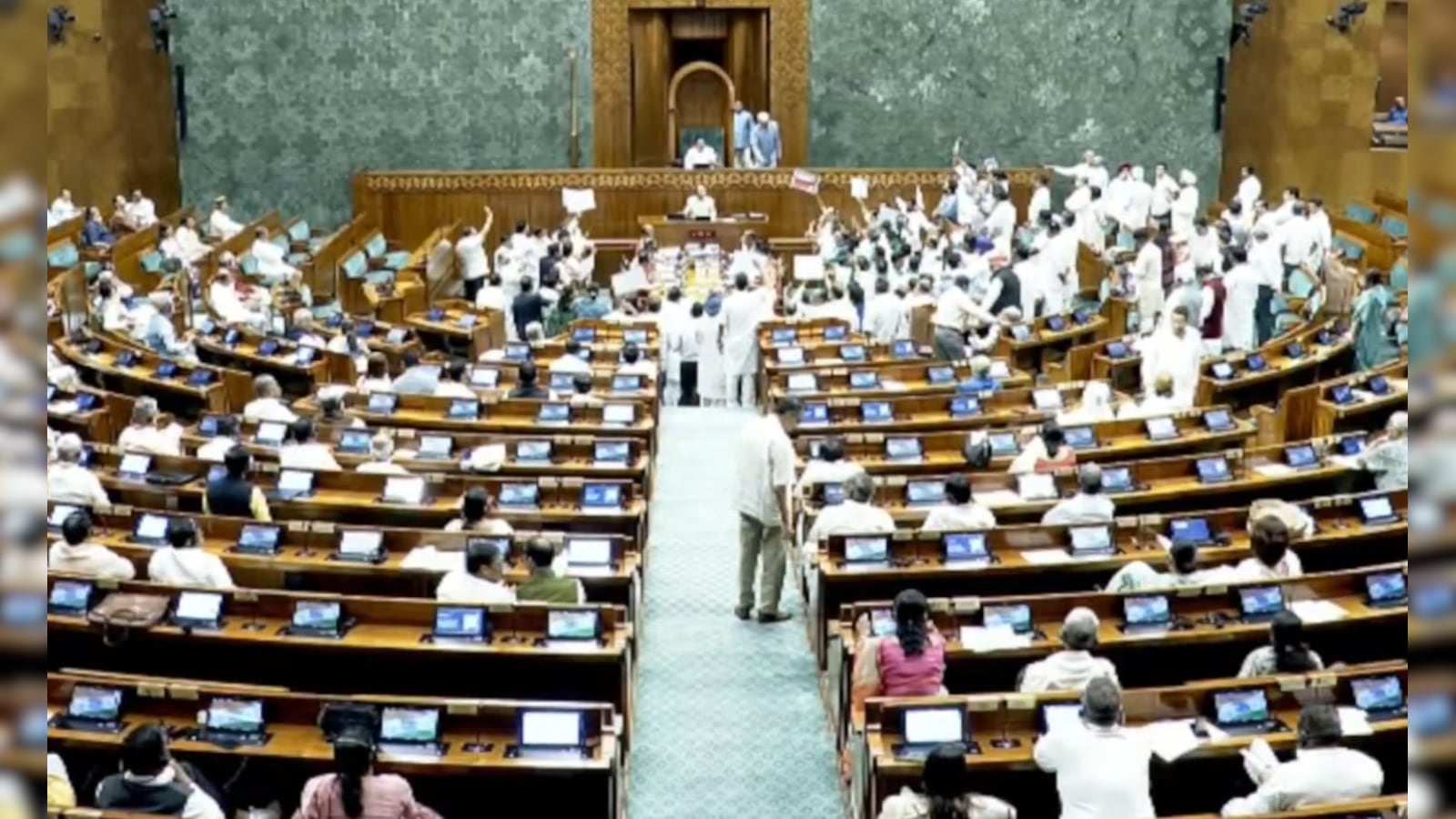
Congress-Ruled States Plan Supreme Court Challenge to Mines Law

Karnataka urges PM Modi to reconsider MMDR Amendment Bill

Congress urges fearless fight over amended mining law
Odisha BJP, BJD Clash Over New Mining Law

Congress, BJP Clash Over Tribal Representation and Delimitation

Jharkhand Congress Protests New Mines Law Over Revenue Concerns
