2 weeks ago
Karnataka urges PM Modi to reconsider MMDR Amendment Bill

Karnataka is worried about a proposed mining law in India.
The law is called the Mines and Minerals (Development and Regulation) Amendment Bill, 2026.
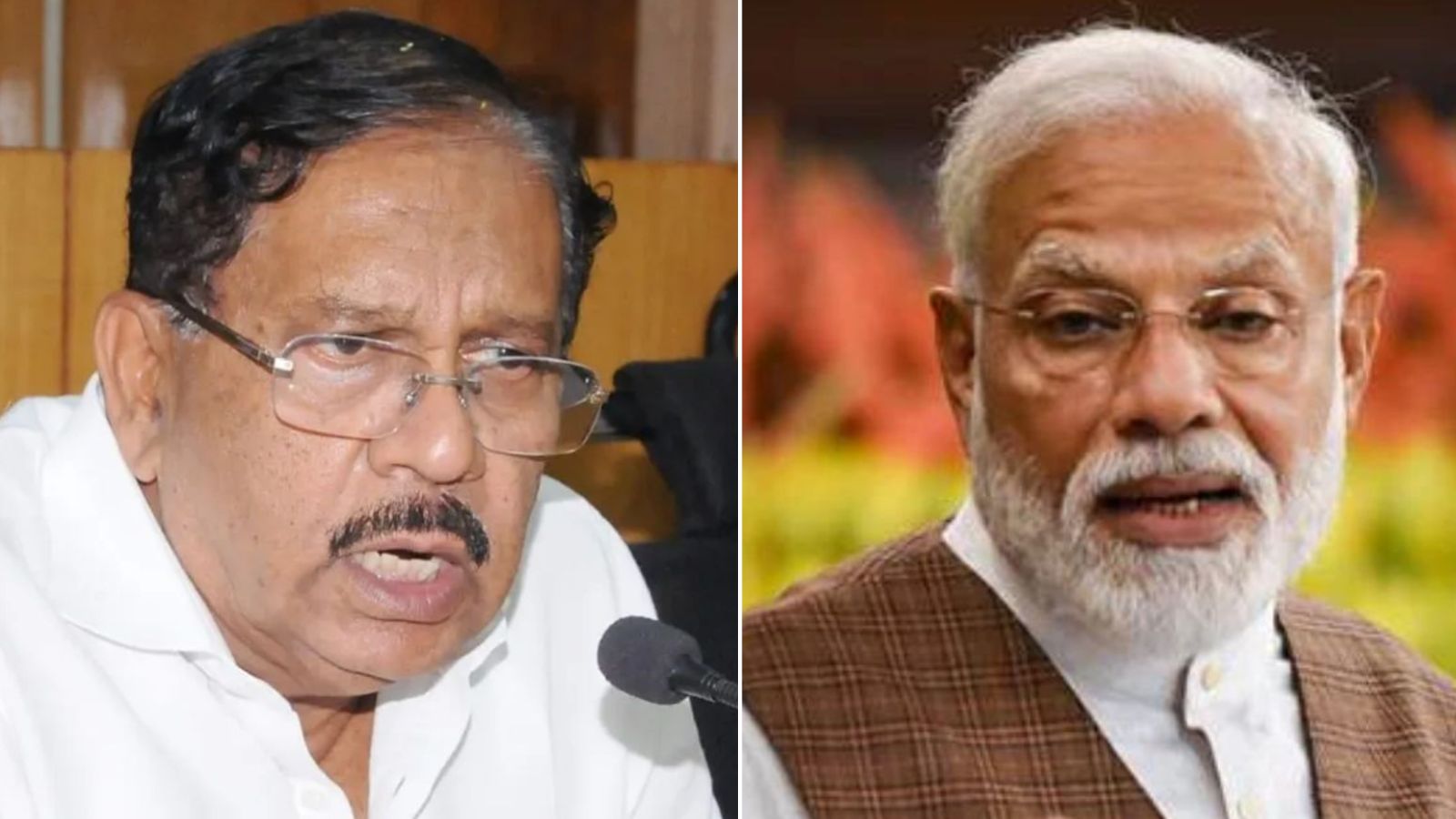
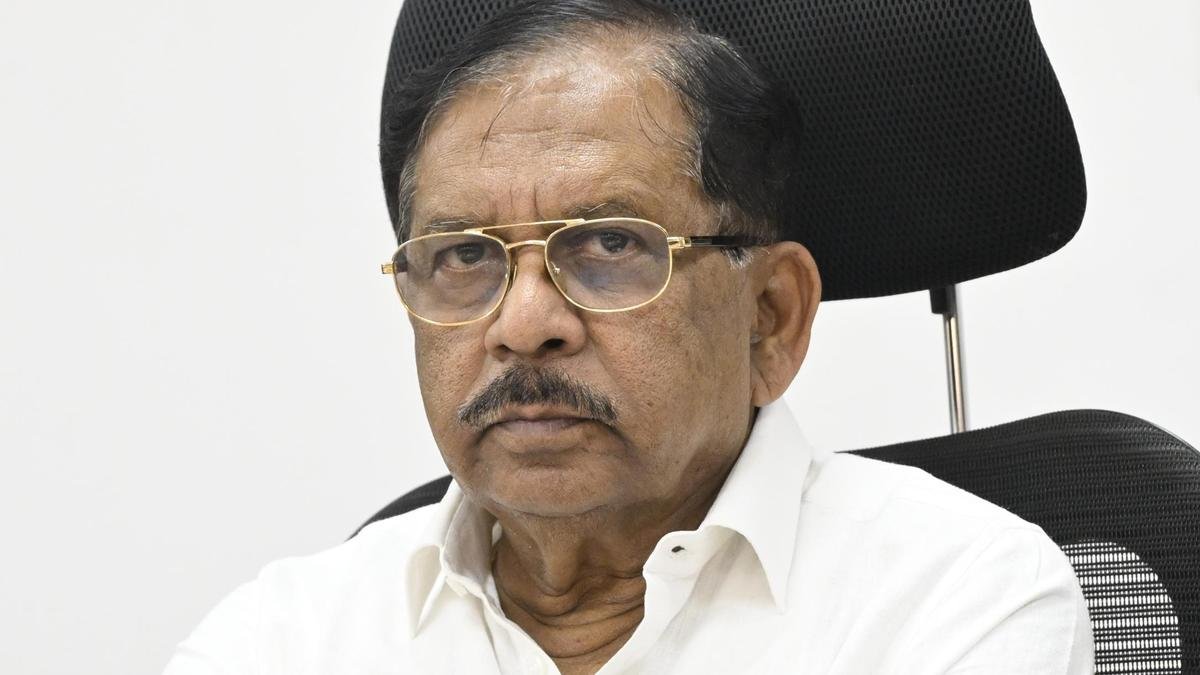
Deputy Chief Minister G Parameshwara asked the central government to withdraw or reconsider parts of it.
He said the Bill could reduce the state’s ability to collect taxes and other payments from mining.
He also said states should be consulted before the law changes how money and powers are shared.
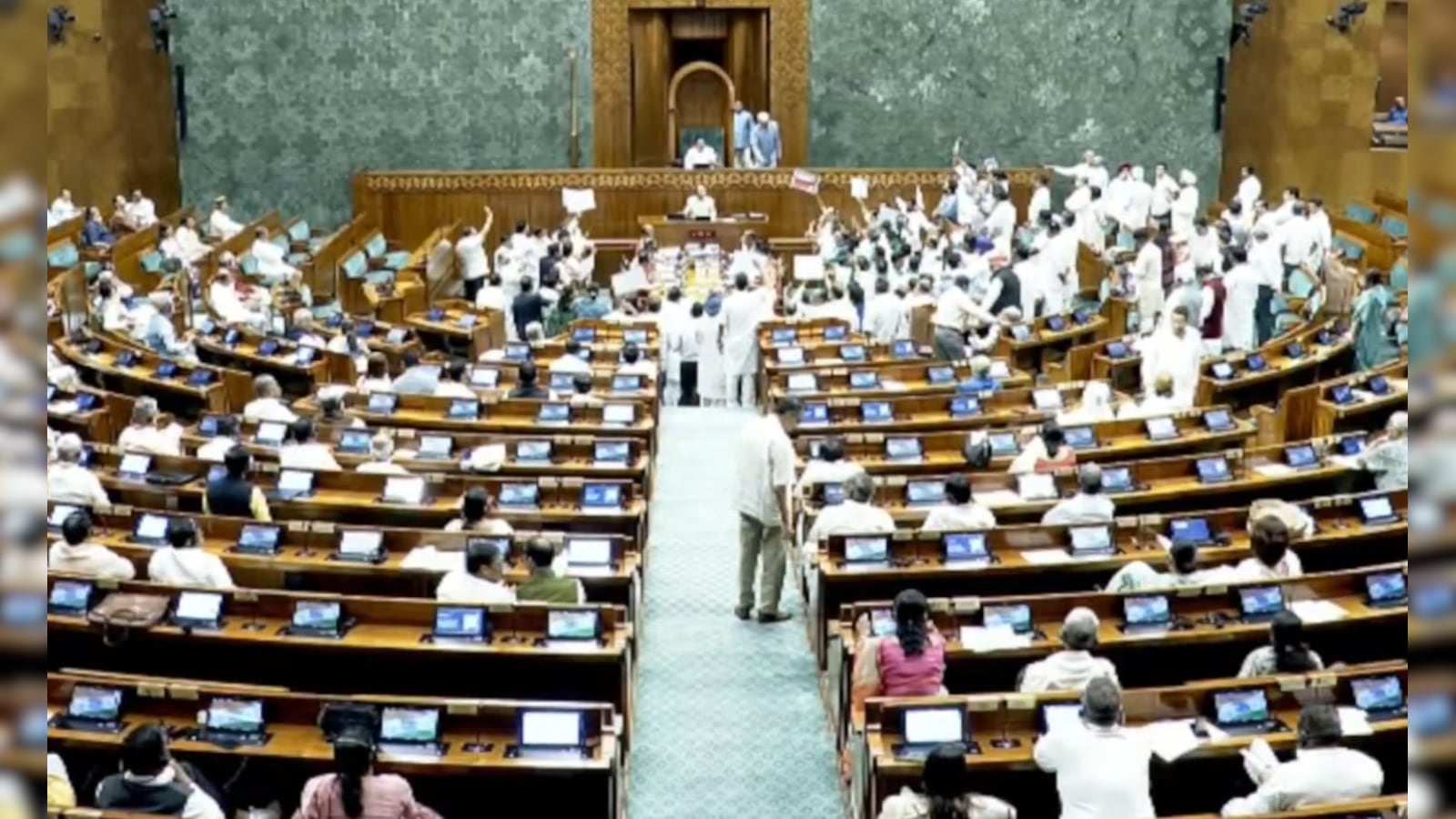
The Bill was passed by both Houses of Parliament on August 13.
The central government says the law will make mining rules more predictable and encourage investment.
It says states will keep their rights over land and minerals and their ability to collect taxes.
The Union Ministry of Mines also says almost 90% of mining taxes and statutory payments currently go to states and that this will continue.

Karnataka formally protested the Mines and Minerals (Development and Regulation) Amendment Bill, 2026, and sought its withdrawal or reconsideration.
Deputy Chief Minister G Parameshwara wrote to Prime Minister Narendra Modi and Union Minister G Kishan Reddy.
Karnataka said the Bill could restrict states’ power to impose taxes, cesses and levies on mineral rights and mineral-bearing lands.
Parameshwara argued that the issue affects fiscal federalism and the autonomy of mineral-producing states.
The Union Ministry of Mines said states’ rights and tax powers would remain intact, with nearly 90% of mining taxes and statutory payments continuing to accrue to them.
- Who
- The Karnataka Government, Deputy Chief Minister G Parameshwara, Prime Minister Narendra Modi, Union Minister G Kishan Reddy and the Union Ministry of Mines.
- What
- Karnataka protested the Mines and Minerals (Development and Regulation) Amendment Bill, 2026, and requested its withdrawal, reconsideration and wider consultation with states.
- Where
- The dispute concerns India’s central and state governments, with the letter associated with Bengaluru and Karnataka.
- When
- The Bill was passed by both Houses of Parliament on August 13; Parameshwara’s letter was dated August 18 and the protest was reported on Tuesday.
- Why
- Karnataka says the Bill could restrict state taxation powers and fiscal autonomy, while the Centre says it preserves state powers and will support investment and domestic mineral production.
Karnataka’s position
Central government’s position
State taxation powers
Karnataka’s position
Karnataka says the Bill could restrict states’ power to impose taxes, cesses and other levies on mineral rights and mineral-bearing lands.
Central government’s position
The Union Ministry of Mines says the amendment does not remove states’ power to levy taxes on minerals.
Fiscal federalism
Karnataka’s position
G Parameshwara says the issue affects the constitutional division of powers and the fiscal autonomy of mineral-producing states, and requires consultation with states.
Central government’s position
The Centre says the legislation creates a predictable fiscal regime while preserving states’ rights over land and minerals.
Economic impact
Karnataka’s position
Karnataka argues that states must retain sufficient fiscal capacity to meet their responsibilities.
Central government’s position
The Centre says greater certainty will attract investment, strengthen domestic mineral production and support Aatmanirbhar Bharat and Viksit Bharat 2047.
Key facts
- Legislation
- Mines and Minerals (Development and Regulation) Amendment Bill, 2026
- Bill status
- Passed by both Houses of Parliament on August 13
- Karnataka’s request
- Withdraw or reconsider the Bill’s provisions and consult state governments
- Letter writer
- G Parameshwara, Karnataka Deputy Chief Minister and Revenue Minister
- Letter recipients
- Prime Minister Narendra Modi and Union Coal and Mines Minister G Kishan Reddy
- Karnataka’s concern
- Restrictions on state taxes, cesses and other levies involving mineral rights and mineral-bearing lands
- Union government’s position
- States’ land, mineral and taxation powers remain intact; nearly 90% of mining taxes and statutory payments will continue to accrue to states
Quotes

G Parameshwara
Deputy Chief Minister and Revenue Minister of Karnataka
“What the Constitution has consciously placed within the fiscal domain of the states, and what the Supreme Court has expressly reaffirmed as belonging to that domain, should not be neutralised through an expansive invocation of Parliament’s regulatory power”
 indianexpress.com
Sources
Related news
Kerala CM Satheesan Urges PM Modi to Reconsider Mining Amendment

Naveen Patnaik says mining bill infringes Odisha's financial rights
Congress-Ruled States Plan Supreme Court Challenge to Mines Law
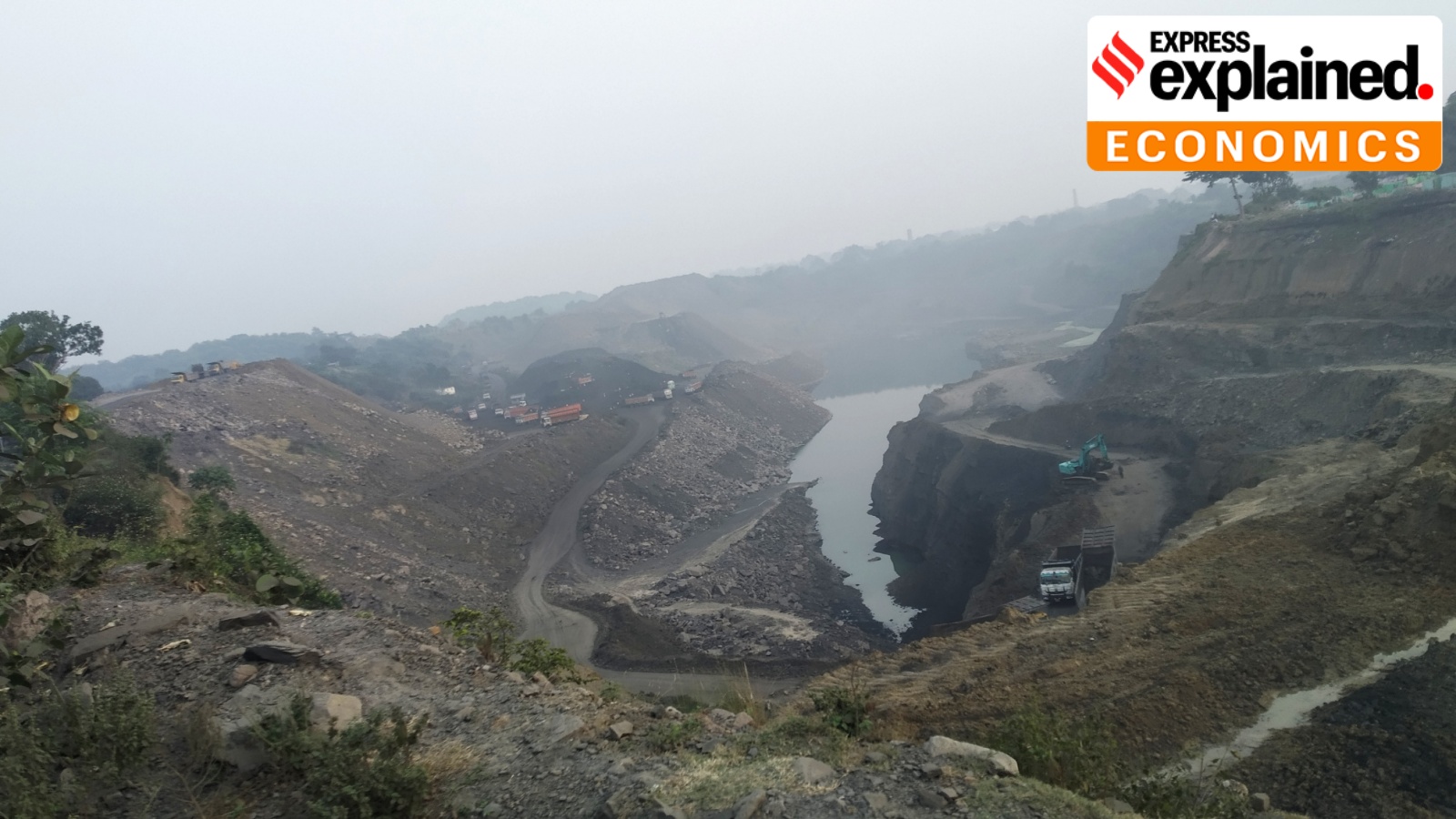
India's mining tax overhaul reignites Centre-state tussle over revenue
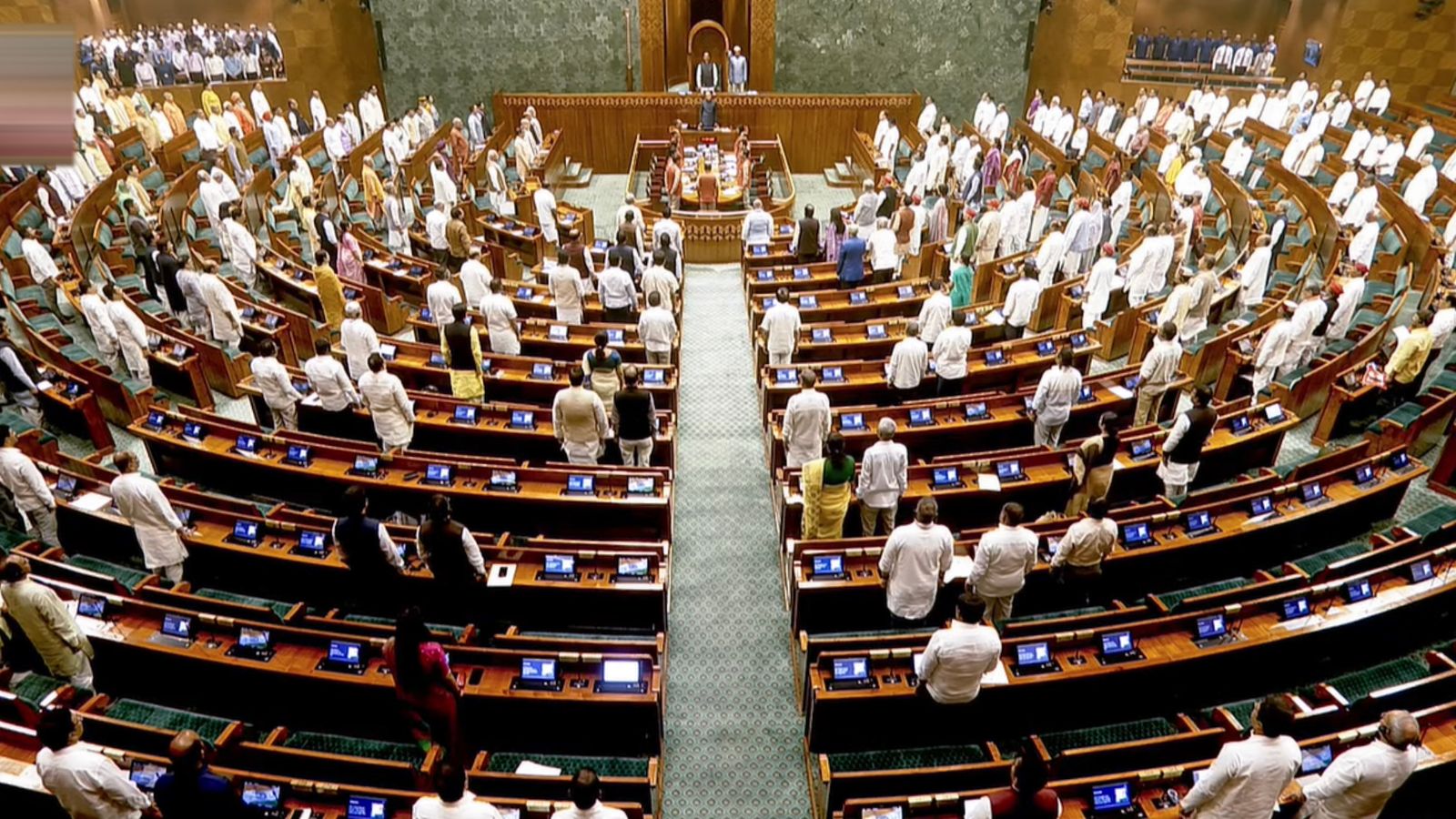
Parliament Passes Mines and Minerals Amendment Bill Curbing State Levies

Parliament Passes Mining Bill Limiting State Mineral Levies
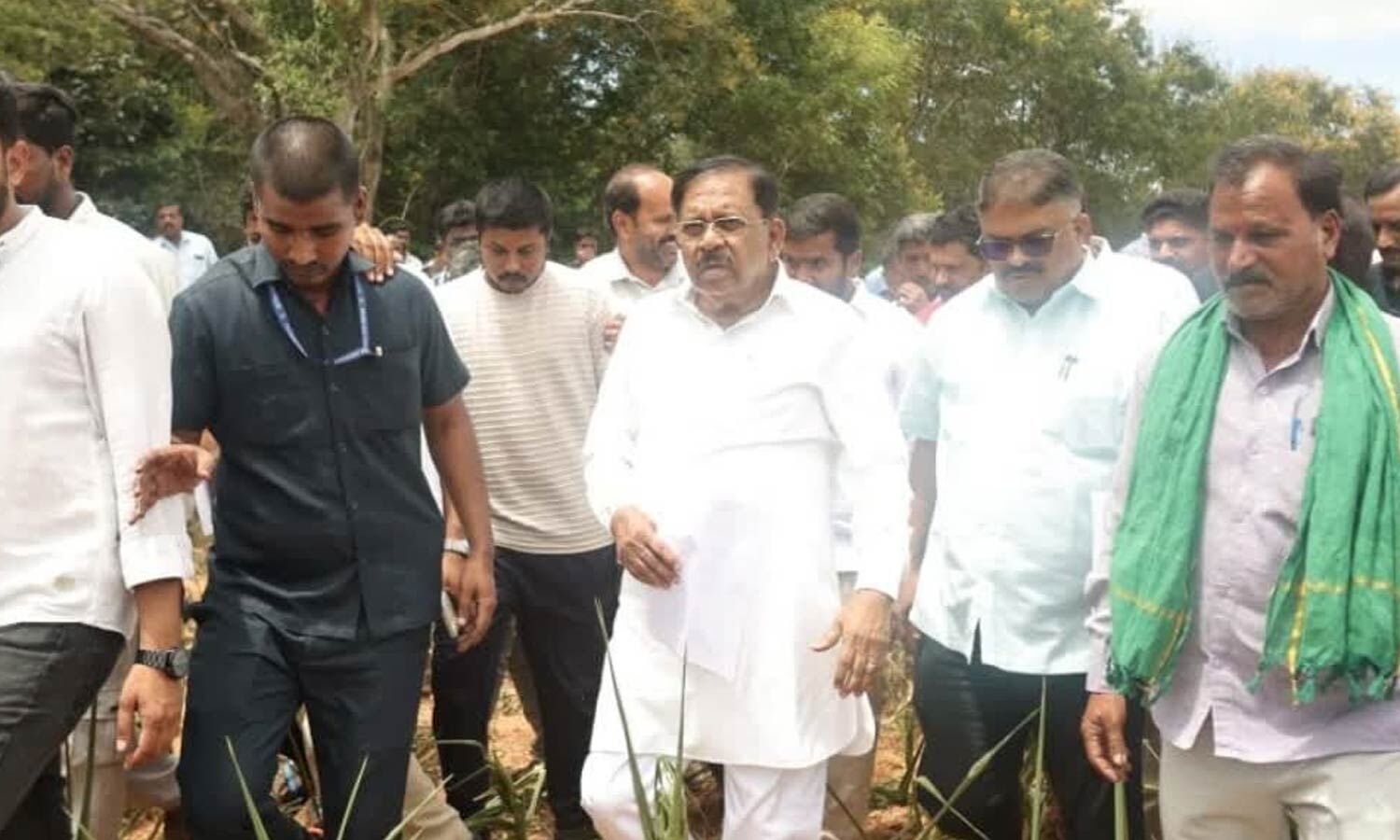
Deputy CM Warns Against Drought Loan Recovery Harassment
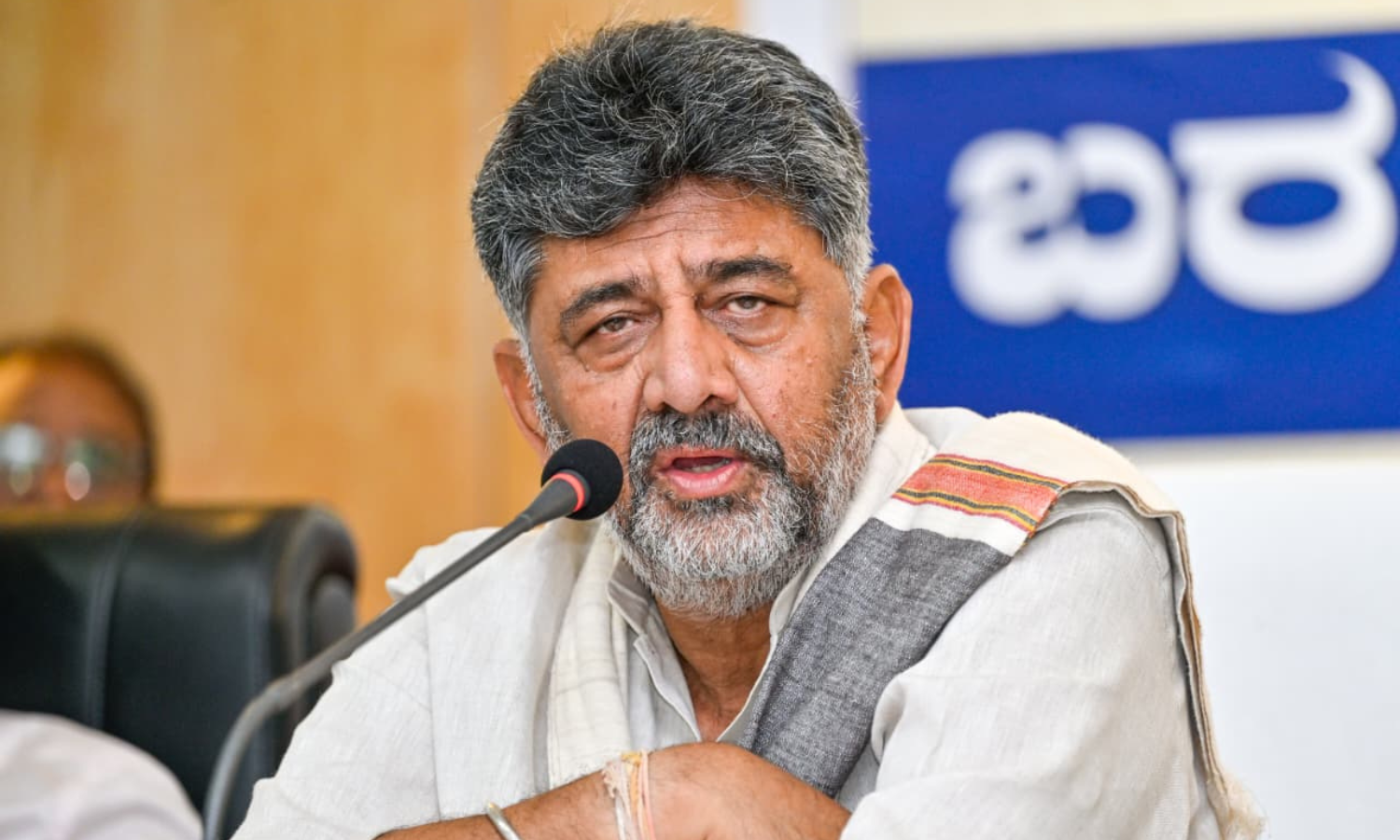
Karnataka Plans Second Drought List After Wider Coverage Demands
Karnataka BJP Padayatra Draws Sharp Response From Deputy CM

Kumaraswamy Turns Nagendra Resignation Into Attack On Karnataka Government

Karnataka Declares 101 Taluks Drought-Affected, Seeks Central Relief