3 weeks ago
Hiroshima Marks 81st Atomic Bomb Anniversary Amid Nuclear Policy Debate
People in Hiroshima, Japan, remembered a very sad day from long ago.
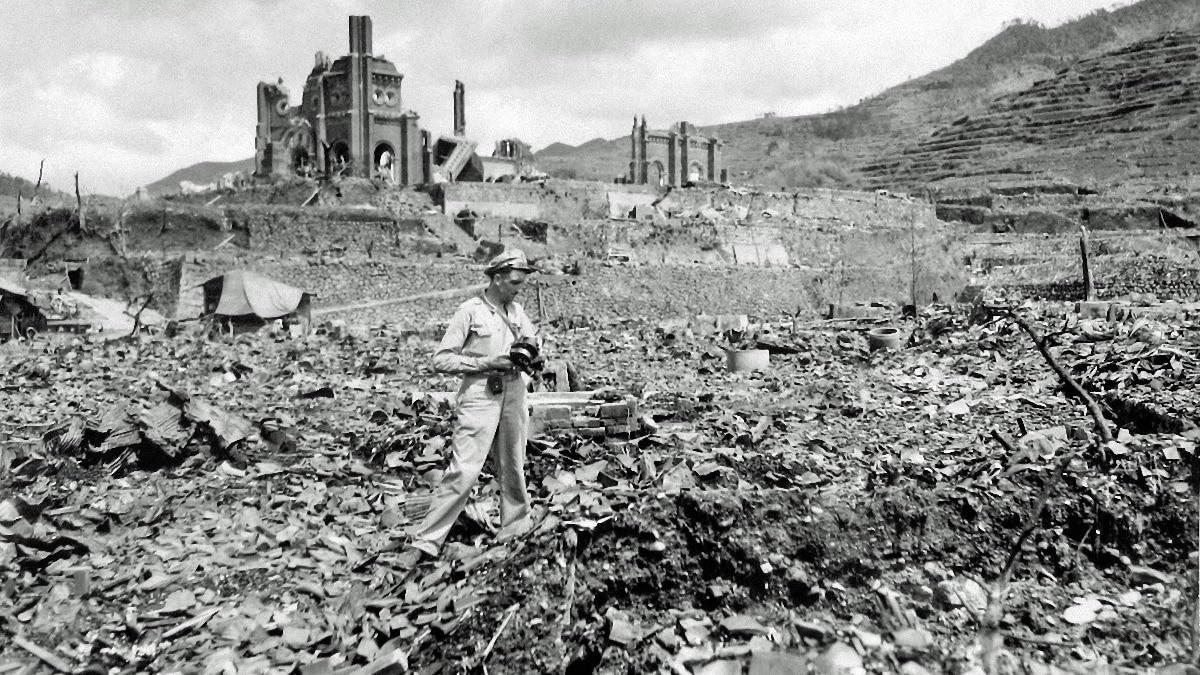
On August 6, 1945, an American bomber plane dropped an atomic bomb on the city, and about 140,000 people died.
Three days later, another bomb hit Nagasaki, killing 70,000 people, and World War II soon ended.
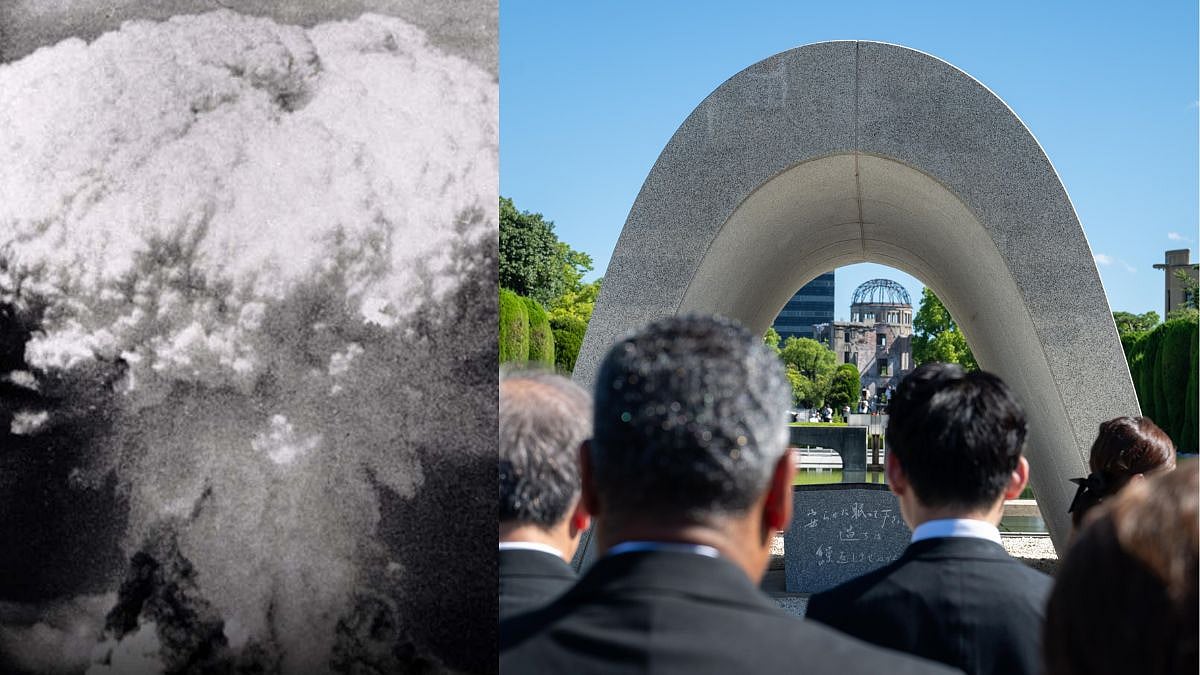
Every year, Hiroshima holds a ceremony to remember the victims, and this year was the 81st anniversary.
The city's mayor told world leaders that nuclear weapons are too dangerous and should not be used to scare other countries.
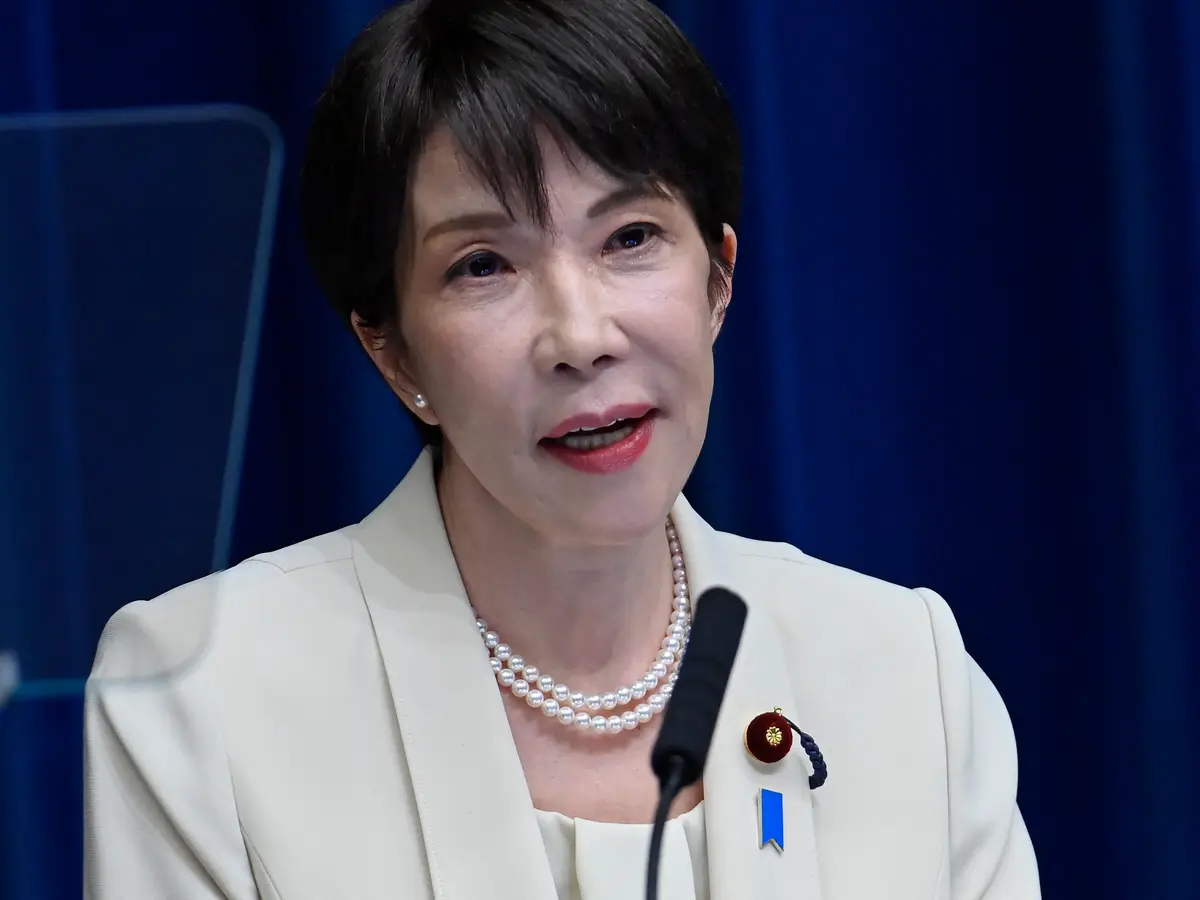
Japan's Prime Minister came to the ceremony for the first time, saying she wants a world where nuclear weapons are never used.
Some people worry the government might change Japan's old rules that keep nuclear weapons away.
Only about 91,000 survivors are still alive, and they are very old, so they want people to never forget.
The United Nations said the lesson of Hiroshima is to build a world where these weapons become unthinkable.

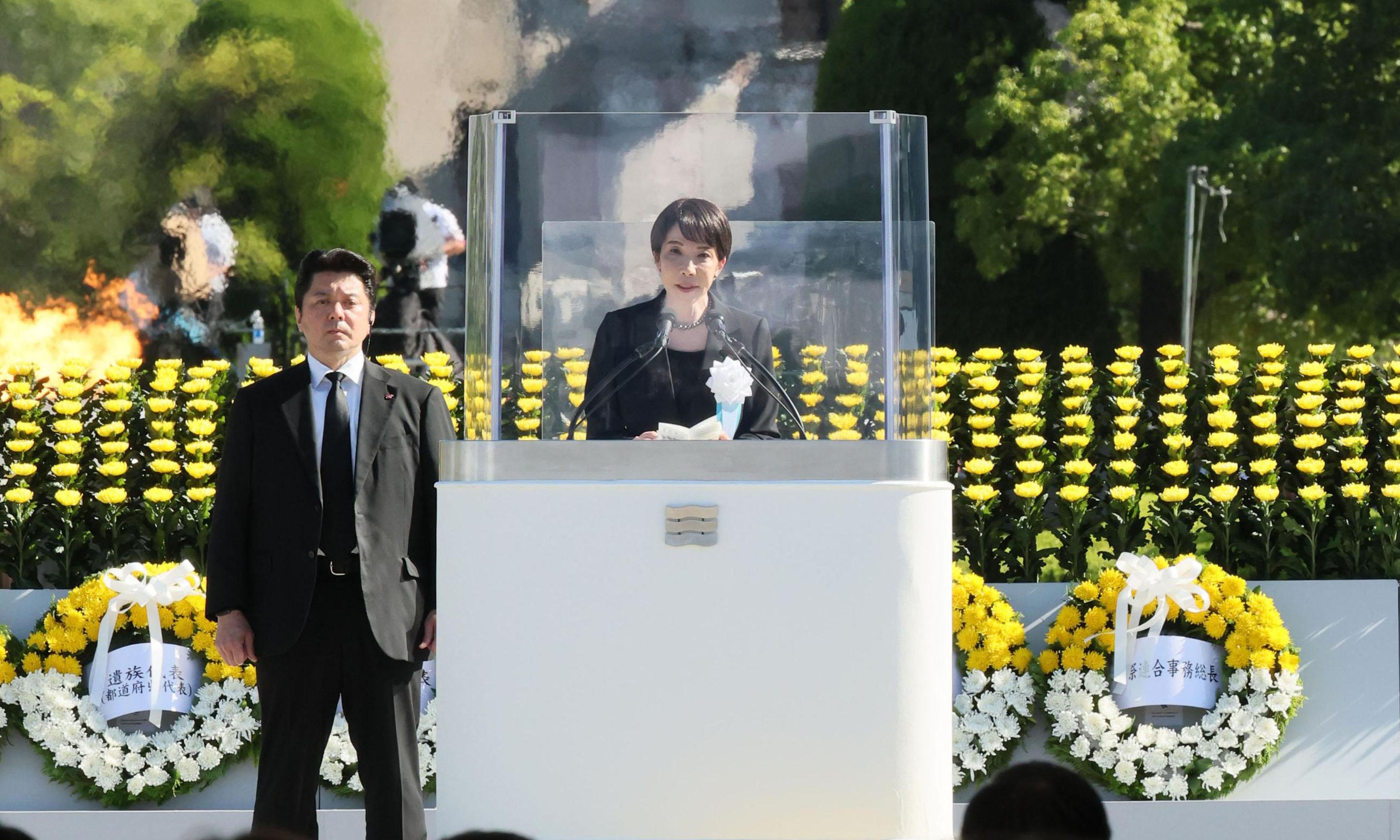
Hiroshima held its 81st anniversary ceremony for the U.S. atomic bombing at Hiroshima Peace Memorial Park, with about 50,000 people attending.
Mayor Kazumi Matsui criticized major powers for waging wars and urged them to stop justifying the possession of nuclear weapons as deterrence.
Prime Minister Sanae Takaichi attended the memorial for the first time, pledging a "realistic approach" to a world where nuclear weapons are never used.
There is speculation Takaichi's hawkish government may ease Japan's postwar three non-nuclear principles when it compiles new security documents.
Atomic bomb survivors have fallen to 91,105, with an average age exceeding 86, as they worry about fading memories of the attack.
- Who
- Hiroshima Mayor Kazumi Matsui, Prime Minister Sanae Takaichi, and about 50,000 attendees including representatives from some 120 countries and regions.
- What
- The 81st anniversary commemoration of the U.S. atomic bombing of Hiroshima, held at Hiroshima Peace Memorial Park.
- Where
- Hiroshima Peace Memorial Park in Hiroshima, western Japan.
- When
- Thursday, Aug. 6, 2026, marking the bombing that occurred on Aug. 6, 1945.
- Why
- To honor the victims of the 1945 atomic bombing and to call on world leaders to pursue a world without nuclear weapons.
Anti-Nuclear Advocates
Nuclear Deterrence Supporters
Nuclear deterrence vs. abolition
Anti-Nuclear Advocates
Mayor Matsui and survivors say deterrence legitimizes violence and "pushes a world without nuclear weapons further into the distance."
Nuclear Deterrence Supporters
Many political leaders still consider nuclear deterrence a realistic approach, and Japan relies on the U.S. nuclear umbrella for protection.
Japan's three non-nuclear principles
Anti-Nuclear Advocates
Survivors and the mayor want Japan to keep its postwar three non-nuclear principles and move toward a world without nuclear weapons.
Nuclear Deterrence Supporters
Prime Minister Takaichi has advocated a review of the principles, including the possibility of dropping the third one barring nuclear weapons from being brought into the country.
Treaty on the Prohibition of Nuclear Weapons
Anti-Nuclear Advocates
Survivors want Japan to sign the Treaty on the Prohibition of Nuclear Weapons or attend its meetings as observers.
Nuclear Deterrence Supporters
Japan's government rejects the request, citing its reliance on the U.S. nuclear umbrella and repeatedly seeking Washington's reassurance of stronger protection.
Key facts
- Event
- 81st anniversary of the Hiroshima atomic bombing
- Date of bombing
- Aug. 6, 1945
- Ceremony date
- Thursday, Aug. 6, 2026
- Location
- Hiroshima Peace Memorial Park, Hiroshima, Japan
- Attendance
- About 50,000 people, including representatives from some 120 countries and regions
- Casualties
- 140,000 killed in Hiroshima; 70,000 in Nagasaki
- Surviving victims
- 91,105, average age exceeding 86
- Moment of silence
- 8:15 a.m., the time the U.S. B-29 dropped the bomb
Quotes
United Nations Secretary‑General António Guterres
Head of the United Nations
““Downplaying the inhumanity of nuclear weapons and accepting the use of force to pursue one’s own prosperity risk cycles of violent retaliation that could ultimately result in another Hiroshima or Nagasaki.””
 deccanchronicle.com
““Hiroshima stands as an inspiring example of resilience, renewal and hope. Across generations, its people remind us that, even after the darkest moments, we can choose — and build — a different future.””
deccanchronicle.com
Sources
Related news

Hiroshima Marks 81st Anniversary of Atomic Bombing; India Pays Tribute
Hiroshima and Nagasaki Day 2026: Remembering the 1945 Atomic Bombings

Iran President Pezeshkian Invokes Hiroshima, Nagasaki Bombings to Slam US

Indian Ambassador Pays Tribute to Nagasaki Bombing Victims
Japan Marks 81 Years of Hiroshima Day With Peace Ceremony
Russia Warns Japan Could Develop Nuclear Weapons Within Year

Bangladesh Recall Shanto, Mahmud for Asian Games T20 Squad

Japan Cricket Boss Defends Asian Games Facilities Against Concerns

Mitsubishi Revives Pajero With 201PS Fifth-Generation SUV

Europe's Bond Selloff Deepens as Middle East Tensions Lift Oil

Uday Kotak Warns Global Bond Markets Face Roller-Coaster Volatility