

3 weeks ago
Hiroshima and Nagasaki Day 2026: Remembering the 1945 Atomic Bombings
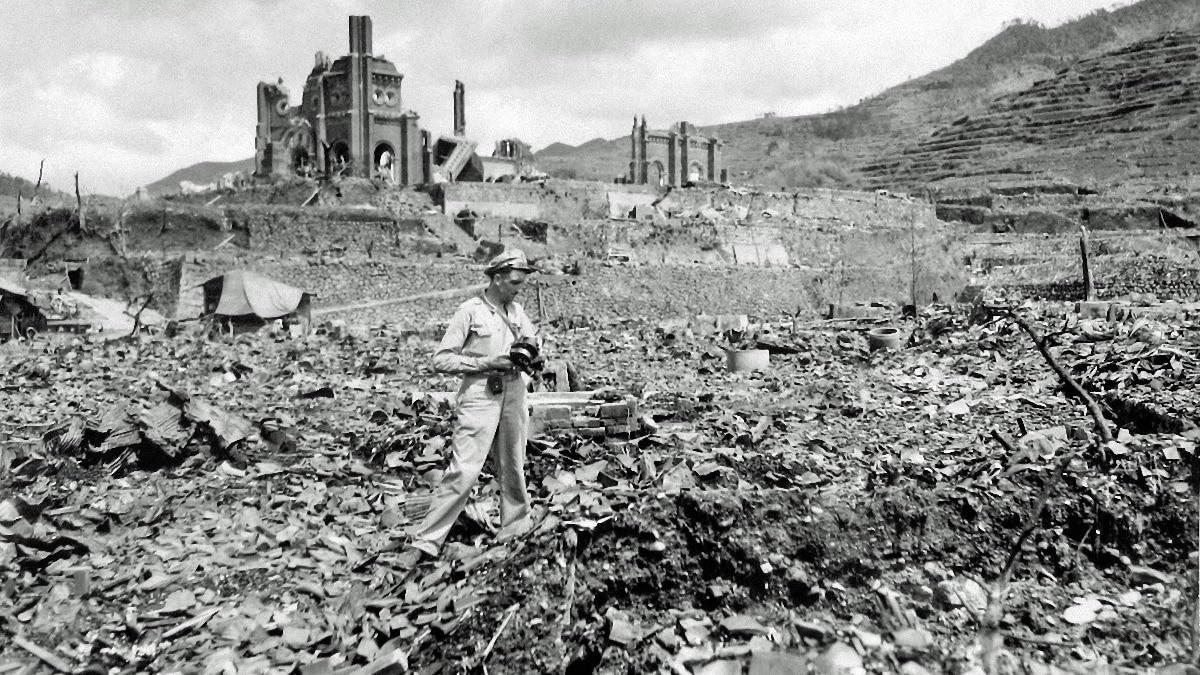
A long time ago, during a big war called World War II, the United States dropped two very powerful bombs on two cities in Japan.
The first bomb, called 'Little Boy,' was dropped on Hiroshima on August 6, 1945.
Three days later, another bomb called 'Fat Man' was dropped on Nagasaki.
The bombs were so strong that they flattened whole neighborhoods and hurt many people with heat and radiation.
Many people died right away, and many more got sick later.
The United States said it used the bombs so Japan would stop fighting and the war would end quickly.
Japan did surrender, and World War II came to an end.
The people who survived are called Hibakusha, and they share their stories around the world so this never happens again.
Every year, people in Hiroshima and Nagasaki hold ceremonies to remember and to ask for a world without nuclear weapons.
People also fold paper cranes, inspired by the story of Sadako Sasaki, as a symbol of peace.

On August 6, 1945, the United States dropped the atomic bomb 'Little Boy' on Hiroshima, killing an estimated 70,000 to 80,000 people instantly.
Three days later, on August 9, 1945, the United States dropped a second atomic bomb, 'Fat Man,' on Nagasaki, killing around 40,000 people immediately.
The United States argued the bombings would force Japan to surrender quickly and avoid a prolonged invasion that could have caused even greater casualties on both sides.
Japan announced its surrender on August 15, 1945, with the formal surrender signed on September 2, 1945; estimates put deaths at about 140,000 in Hiroshima and 70,000 in Nagasaki by the end of 1945.
Survivors, known as Hibakusha, advocate for nuclear disarmament, and Hiroshima and Nagasaki hold annual Peace Memorial Ceremonies on August 6 and August 9.
Historians continue to debate whether the bombings were militarily necessary or whether Japan was already close to surrender.
- Who
- The United States dropped the atomic bombs on Japan; survivors of the bombings are known as Hibakusha.
- What
- The atomic bombings of Hiroshima and Nagasaki in August 1945 and the annual commemorations of those events.
- Where
- Hiroshima and Nagasaki, Japan.
- When
- August 6 and August 9, 1945; Japan announced its surrender on August 15, 1945, and the formal surrender was signed on September 2, 1945.
- Why
- The United States argued the bombs would force Japan to surrender quickly and avoid a prolonged invasion; the anniversaries remain reminders of the destructive power of nuclear weapons.
Bombings were militarily necessary
Japan was close to surrender
Necessity of the atomic bombings
Bombings were militarily necessary
The United States argued that using atomic bombs would force Japan to surrender quickly and avoid a prolonged invasion that could have resulted in even greater casualties on both sides.
Japan was close to surrender
Historians continue to debate whether Japan was already close to surrender and whether the bombings were necessary, making it one of the most discussed and contested decisions in modern military history.
Key facts
- Hiroshima bombing
- Atomic bomb 'Little Boy' dropped on August 6, 1945
- Nagasaki bombing
- Atomic bomb 'Fat Man' dropped on August 9, 1945
- Hiroshima immediate deaths
- Estimated 70,000-80,000
- Nagasaki immediate deaths
- Around 40,000
- Hiroshima deaths by end of 1945
- Around 140,000
- Nagasaki deaths by end of 1945
- Around 70,000
- Japan's surrender
- Announced August 15, 1945; formal signing September 2, 1945
- Commemoration moments
- Hiroshima: 8:15 a.m. on August 6; Nagasaki: 11:02 a.m. on August 9
Sources
Related news
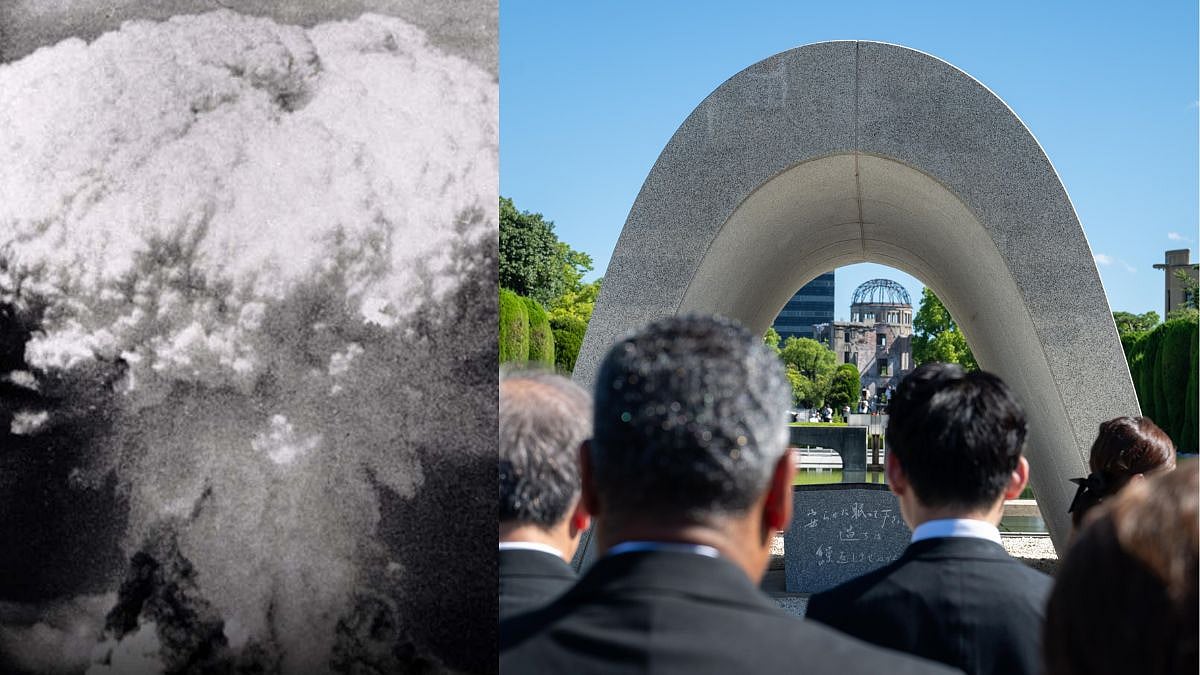
Japan Marks 81 Years of Hiroshima Day With Peace Ceremony

Iran President Pezeshkian Invokes Hiroshima, Nagasaki Bombings to Slam US

Hiroshima Marks 81st Anniversary of Atomic Bombing; India Pays Tribute
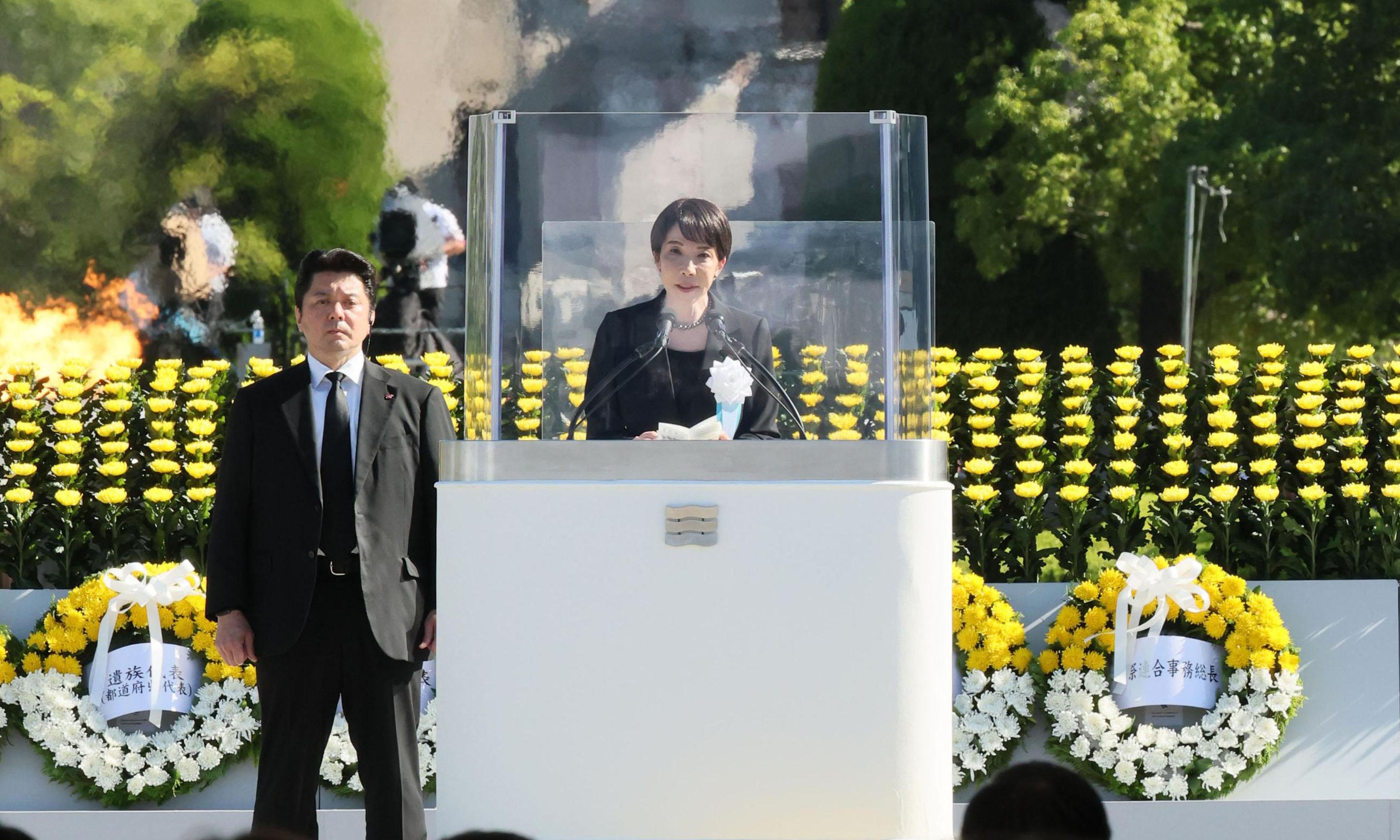
Hiroshima Marks 81st Atomic Bomb Anniversary Amid Nuclear Policy Debate

Indian Ambassador Pays Tribute to Nagasaki Bombing Victims
