1 week ago
Russia Warns Japan Could Develop Nuclear Weapons Within Year
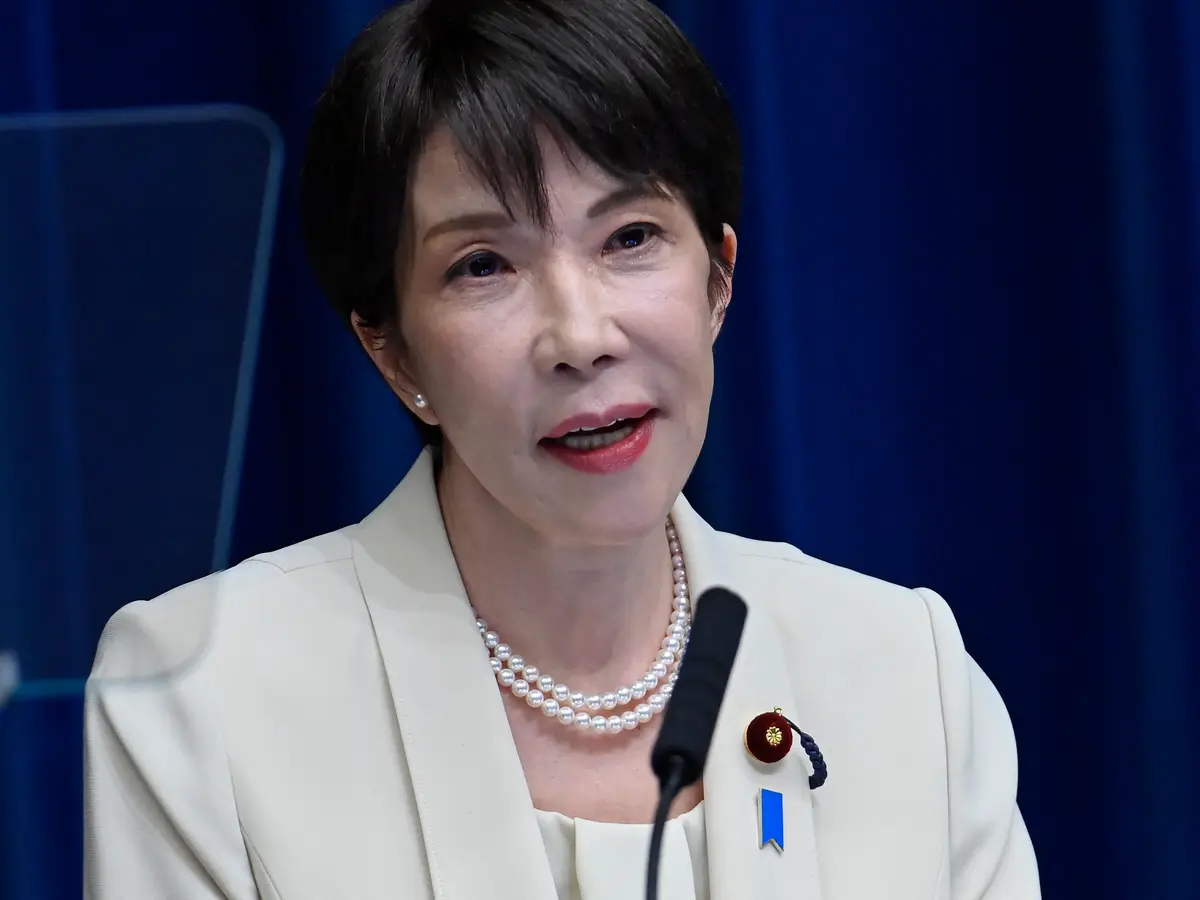
Russia says Japan might be able to make nuclear weapons within about a year.
This warning came from Anton Kobyakov, a Russian official.
China has also warned that Japan has a large amount of plutonium.
A Chinese ambassador claimed the material could theoretically make thousands of warheads, although this was presented as a claim.
Japan says it still follows three rules against possessing, producing, or allowing nuclear weapons into the country.
Prime Minister Sanae Takaichi did not clearly promise that these rules would always continue.
Japan is increasing its military preparations as tensions rise with China and North Korea.
Japan and Russia are also arguing over the Kuril Islands and their relationship has worsened since Russia invaded Ukraine.

Russian official Anton Kobyakov said Japan could assemble nuclear weapons in about one year.
Japanese Prime Minister Sanae Takaichi reaffirmed Japan’s three non-nuclear principles but did not promise they would remain unchanged.
Chinese Ambassador Zhang Hanhui claimed Japan held 44.4 tonnes of extracted plutonium at the end of 2024.
Zhang said Japan’s extracted plutonium could theoretically produce about 5,500 nuclear warheads, with more plutonium unextracted.
Japan-Russia tensions have worsened over Vladimir Putin’s visit to the disputed Kuril Islands and Russia’s war in Ukraine.
- Who
- Russian official Anton Kobyakov, Chinese Ambassador Zhang Hanhui, Japanese Prime Minister Sanae Takaichi, and officials from Japan and Russia.
- What
- Russia warned that Japan could develop nuclear weapons within about a year, while China highlighted Japan’s plutonium stockpile.
- Where
- The statements concerned Japan and were reported by Russia’s TASS news agency; the diplomatic dispute also involves the Kuril Islands.
- When
- The warnings were reported recently; Japan’s nuclear-policy comments came at an early-August Hiroshima memorial service, and the plutonium figures refer to the end of 2024.
- Why
- The warnings came amid Japan’s remilitarization drive, regional tensions involving China and North Korea, uncertainty over United States policy toward allies, and worsening Japan-Russia relations.
Russian and Chinese warnings
Japanese position
Japan’s nuclear potential
Russian and Chinese warnings
Russia warned that Japan could assemble nuclear weapons within about a year, while China claimed Japan’s plutonium stockpile could theoretically support thousands of warheads.
Japanese position
Japan continues to state that it follows its three non-nuclear principles, although Prime Minister Sanae Takaichi did not clearly promise they would remain in place indefinitely.
Japan’s security policy
Russian and Chinese warnings
Russian and Chinese statements characterize Japan’s remilitarization and rhetoric as evidence of a shift toward greater military involvement.
Japanese position
The articles describe Japan’s increased defence focus as occurring amid rising regional tensions with China and North Korea and uncertainty about United States support for allies.
Kuril Islands visit
Russian and Chinese warnings
Russia proceeded with Vladimir Putin’s visit to one of the Kuril Islands, which Russia administers and Japan also claims.
Japanese position
Japan called the visit unacceptable, saying the Northern Territories are inherently Japanese and that the trip would harm efforts to restore bilateral relations.
Key facts
- Russian warning
- Anton Kobyakov said Japan could assemble nuclear weapons in about one year.
- Japan’s policy
- Sanae Takaichi said Japan still follows its three non-nuclear principles but did not clearly commit to maintaining them in the future.
- Extracted plutonium
- Zhang Hanhui claimed Japan had 44.4 tonnes of extracted plutonium at the end of 2024.
- Estimated warheads
- Zhang claimed Japan’s extracted plutonium could theoretically produce around 5,500 nuclear warheads.
- Unextracted plutonium
- Zhang said Japan’s spent-fuel facilities contained another 191 tonnes of unextracted plutonium.
- Territorial dispute
- Japan protested Vladimir Putin’s visit to one of the four main Kuril Islands, which Tokyo also claims.
- Diplomatic response
- Foreign Minister Toshimitsu Motegi summoned Russian Ambassador Nikolai Nozdrev to lodge a strong protest.
Quotes

Sanae Takaichi
Prime Minister of Japan
“The Northern Territories are an inherent part of Japan's territory, both historically and under international law”
 wionews.com
“offends the sentiments of the Japanese people and is absolutely unacceptable.”
wionews.com

Anton Kobyakov
Russian Presidential Assistant and Executive Secretary of the Eastern Economic Forum Organising Committee
“There is even talk about nuclear weapons, which Japan is capable of assembling in about a year. Prime Minister [Sanae] Takaichi’s aggressive rhetoric shows that the country’s former role in the broader framework of US regional and global strategy has changed significantly, shifting towards direct involvement.”
wionews.com
Sources
Related news
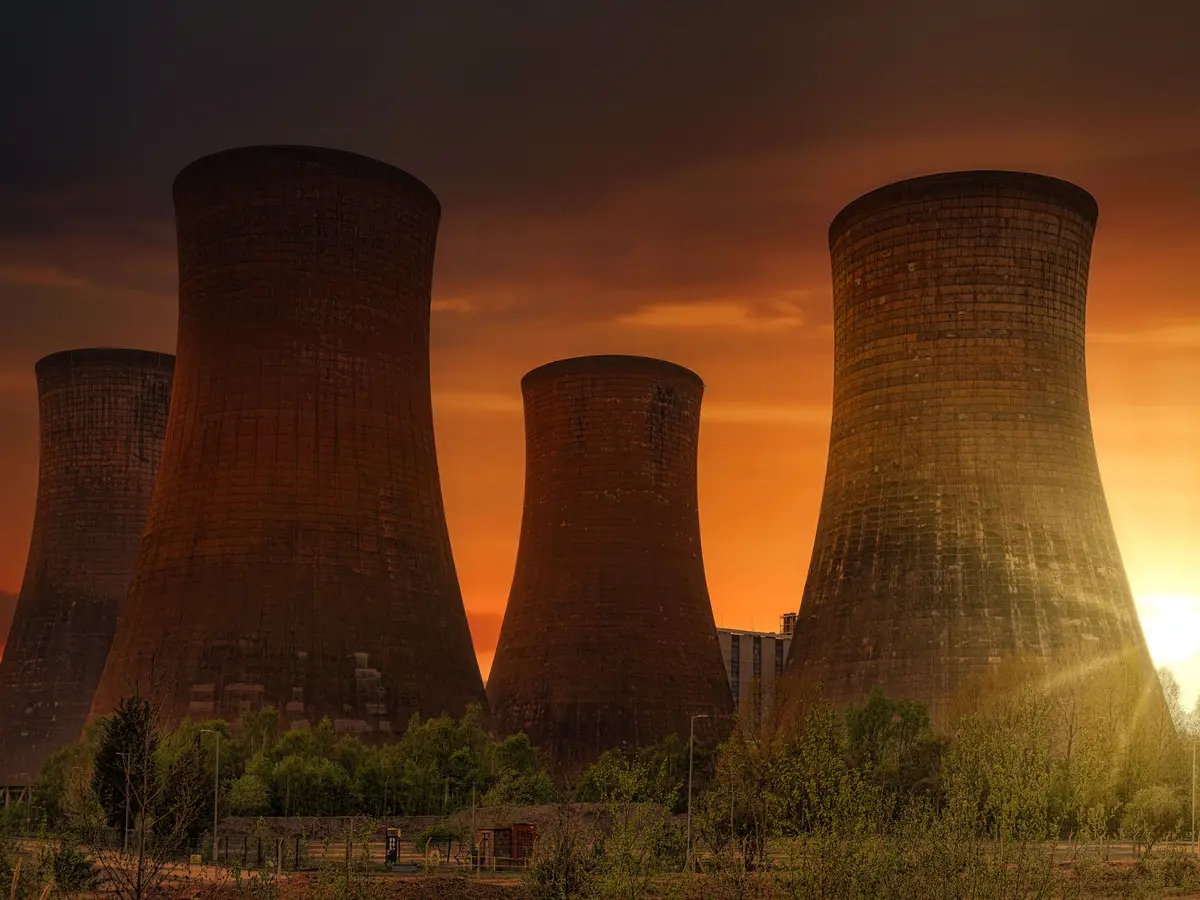
China Raises Nuclear Concerns Over Japan’s Plutonium Stockpile

Japan's Defence White Paper warns of China, North Korea threats
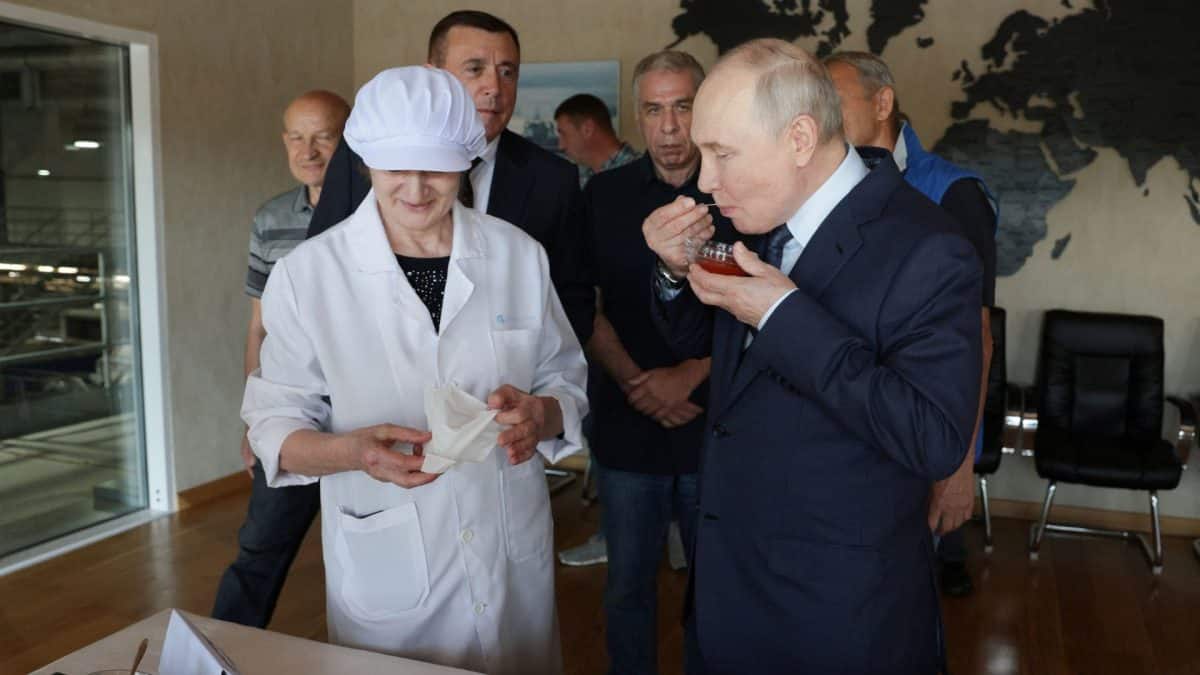
Putin's Kuril Islands Visit Triggers Sharp Japanese Protest
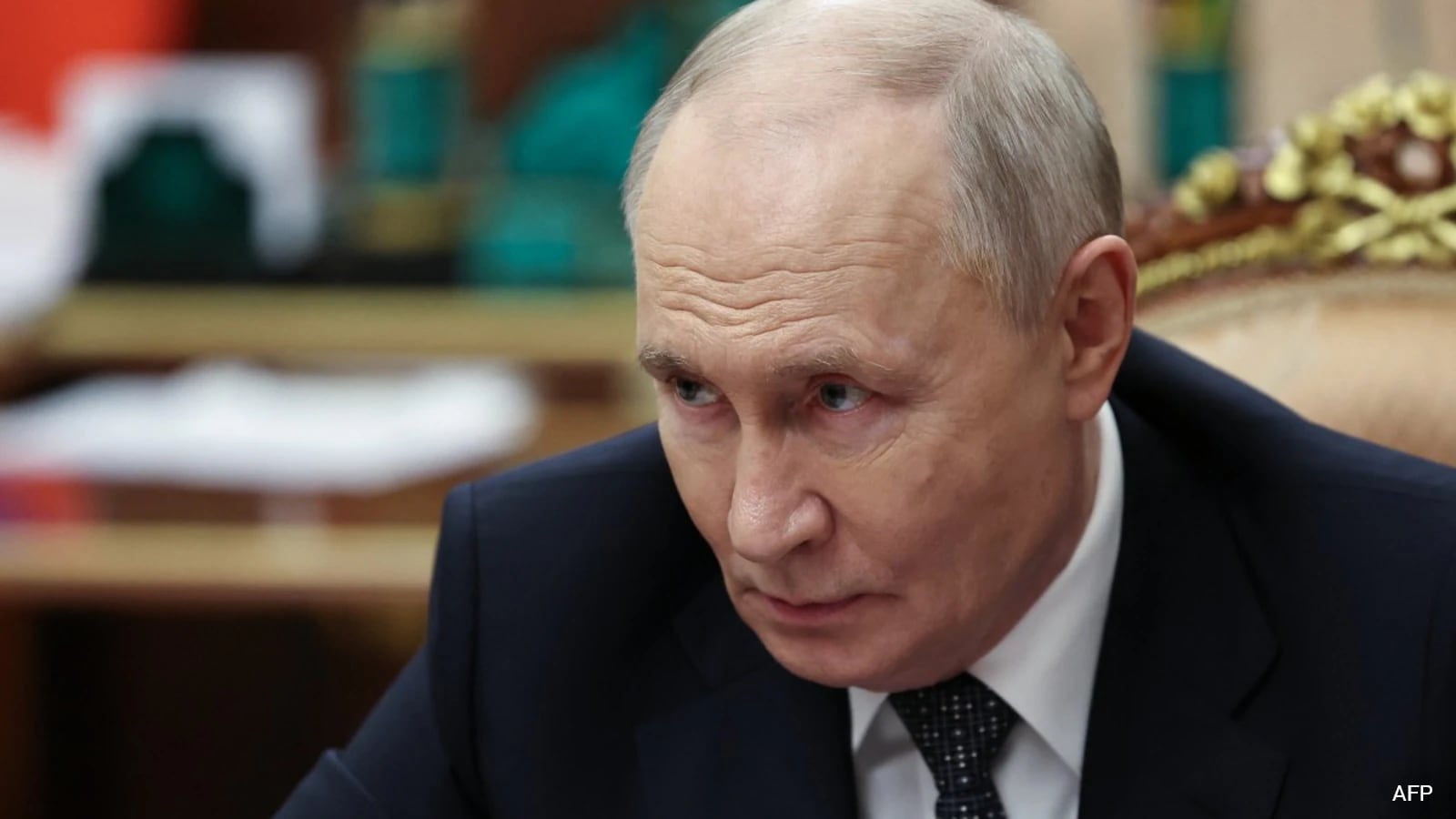
Japan Protests Putin's First Visit to Disputed Islands
Poland Rejects Hosting Nuclear Warheads Despite Russian Threat Warnings

Bangladesh Recall Shanto, Mahmud for Asian Games T20 Squad

Japan Cricket Boss Defends Asian Games Facilities Against Concerns

Mitsubishi Revives Pajero With 201PS Fifth-Generation SUV

Europe's Bond Selloff Deepens as Middle East Tensions Lift Oil

Uday Kotak Warns Global Bond Markets Face Roller-Coaster Volatility