2 weeks ago
America's bid to build humanoid robots clashes with China's dominance
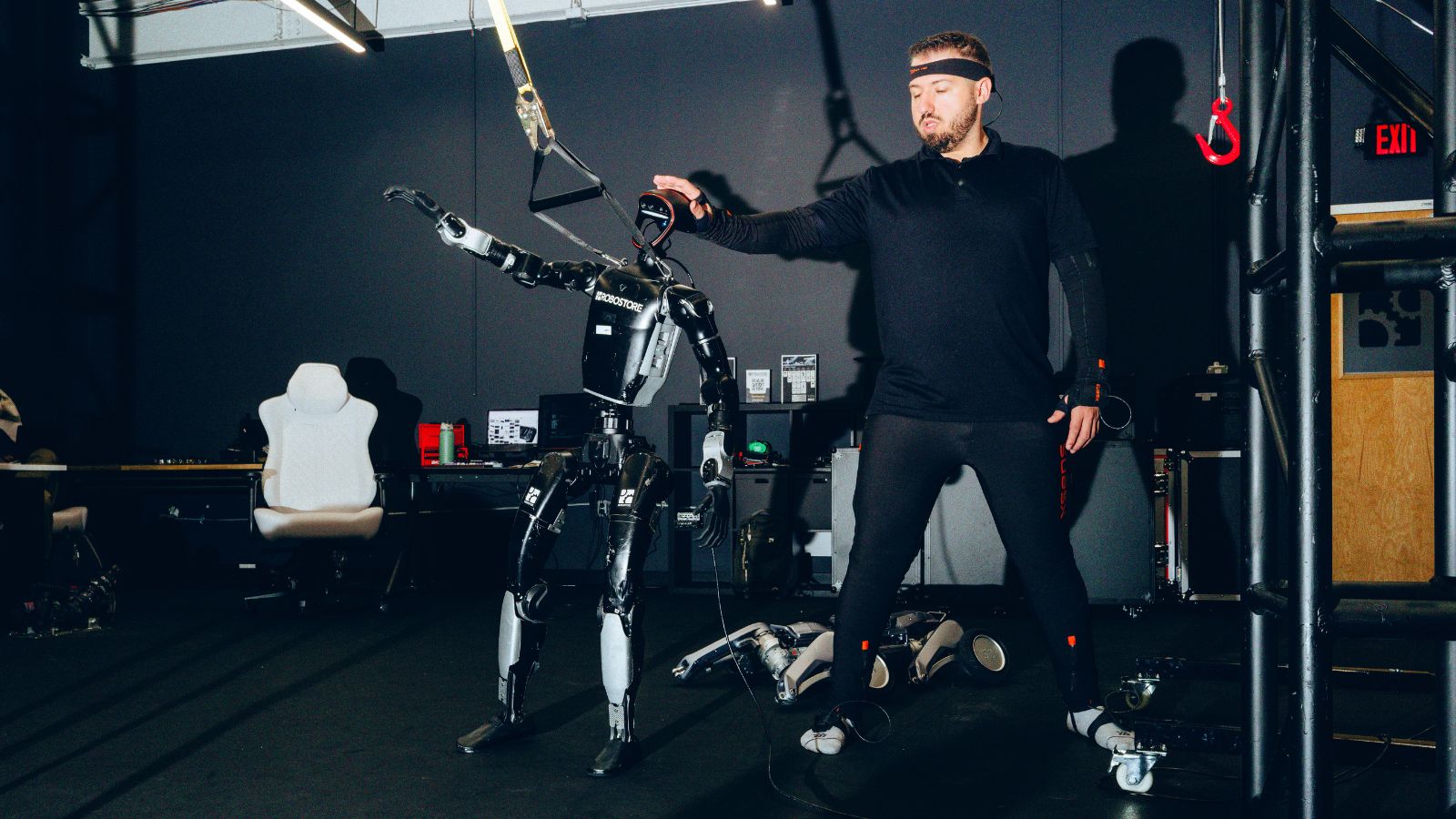
Some people in America want to build robots that look and move like people, called humanoid robots.
One builder is Teddy Haggerty, who started a company called Robo Inc.
on Long Island.
But making these robots in America is very hard, because most of the parts come from China.
Chinese companies make the parts faster and cheaper than American companies can.
The American government worries that foreign robots could collect too much information about people's lives.
So it stopped new foreign-made humanoid robots from being brought into the country.
Right now, Chinese companies make many more humanoid robots than American companies do.
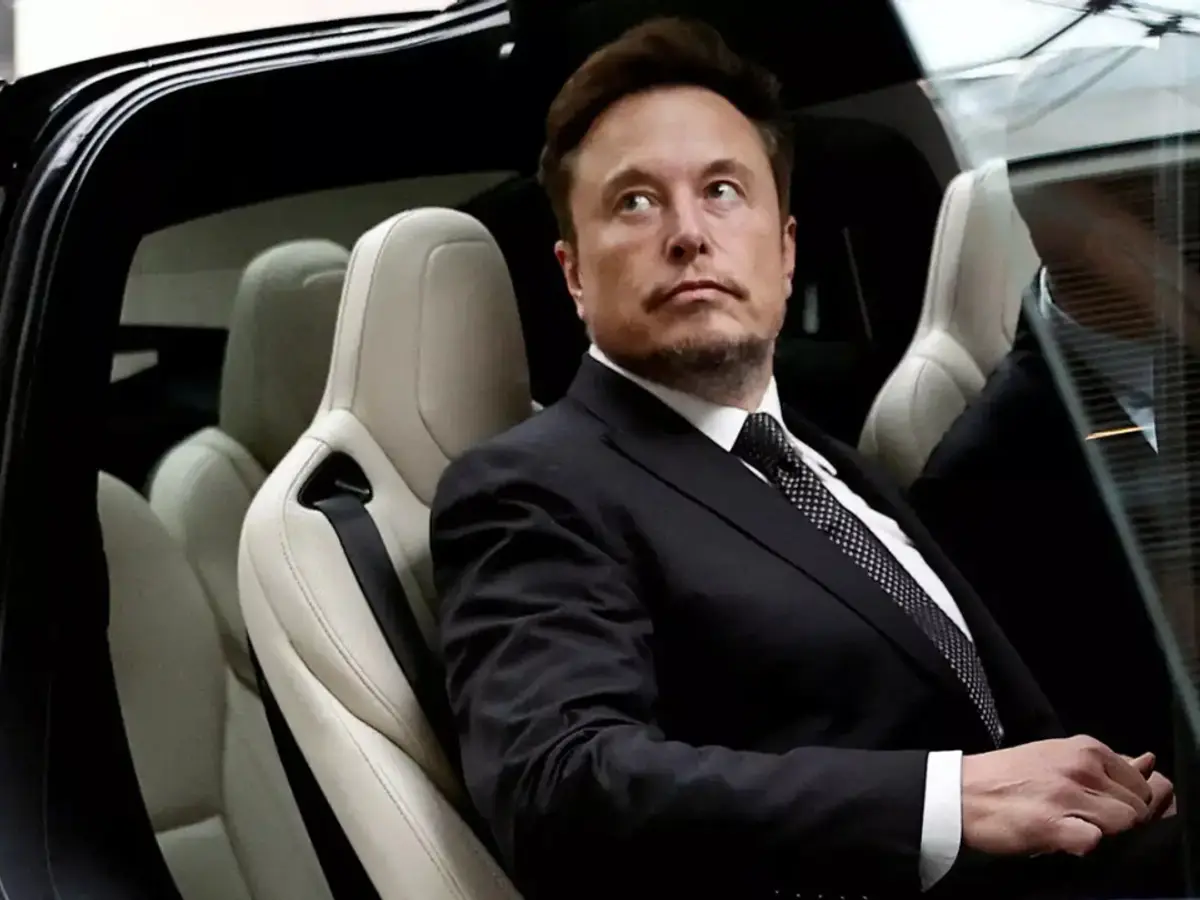
Even robots made by Elon Musk's company use parts from China.
Some people think these robots will clean homes and help in hospitals someday.
Other people say regular humans are still better workers.

Teddy Haggerty, a former Unitree distributor, founded Robo Inc. to build humanoid robots in the United States.
China has near-total dominance of the humanoid robot supply chain, producing robots more cheaply and at a scale U.S. manufacturers have yet to approach.
The FCC banned imports of new foreign-made humanoid robots into the U.S., citing national security concerns without explicitly targeting China.
U.S. humanoid makers made only a few hundred robots last year, while Unitree and Agibot together made about 10,000.
Unitree plans to go public in Shanghai at a valuation of $9 billion, and China's robotics industry grew out of its electric vehicle industry.
- Who
- Teddy Haggerty, founder of Robo Inc., and robotics companies in the U.S. and China, including Unitree, Agibot, iRobot, Amazon, OpenAI, and Elon Musk's Optimus line.
- What
- The U.S. is trying to build its own humanoid robots while facing China's near-total dominance of the global supply chain.
- Where
- United States (including Plainview on Long Island, New York, and Santa Clara, California) and China.
- When
- The FCC announced a ban on imports of new foreign-made humanoid robots last month; no exact publication dates are given.
- Why
- National security concerns that robots could collect vast sensitive data about people's lives, and growing U.S.-China competition over artificial intelligence and robotics.
Humanoid robots are the physical future of AI
Humanoids are not needed for most real jobs
Usefulness of humanoid robots
Humanoid robots are the physical future of AI
Supporters envision humanoids cleaning homes, checking vitals in hospitals, and working hazardous jobs in mines and chemical plants, seeing robots as the physical embodiment and next evolutionary step of AI.
Humanoids are not needed for most real jobs
Even robotics executives concede people are still far more efficient; Cobot CEO Brad Porter said there was no use case at Amazon where legs conferred an advantage, and no Chinese company has demonstrated a clear use case for the technology.
Building robots without Chinese parts
Humanoid robots are the physical future of AI
Washington officials have called for more robots to be made in the United States, and the FCC banned imports of new foreign-made humanoid robots over national security concerns.
Humanoids are not needed for most real jobs
Haggerty says companies that went to great lengths to cut China out of their supply chains were just making a more expensive product, and that importing parts like batteries and aluminum skeletons is far more cost-effective.
Key facts
- Company
- Robo Inc.
- Founder
- Teddy Haggerty
- Location
- Plainview, New York (Long Island)
- FCC action
- Ban on imports of new foreign-made humanoid robots, citing national security
- Unitree IPO
- Planned in Shanghai at a $9 billion valuation
- Unitree flagship price
- Under $14,000
- Production gap last year
- U.S. top companies: a few hundred; Unitree and Agibot combined: about 10,000
- Robots in Chinese factories (2024)
- More than 2 million working; about 300,000 installed
Quotes
Teddy Haggerty
Founder of Robo Inc., American entrepreneur building humanoid robots
“"If you are in China and you need a component, you can get it immediately — where in the United States you might get it in a couple of days."”
 indianexpress.com
“"In China, these things are just walking around the streets, they have so much more experience than we do."”
indianexpress.com
Sources
Related news
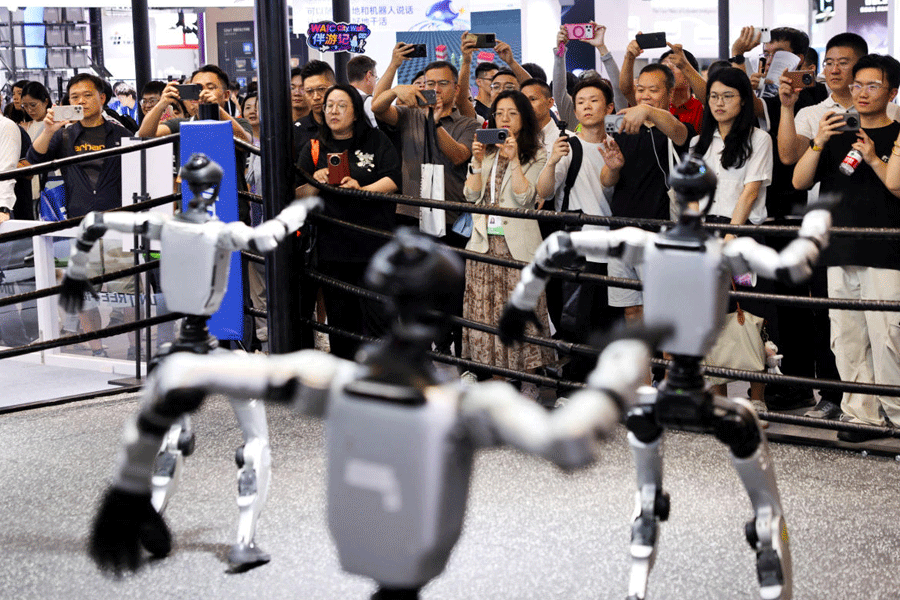
Unitree set to become first mainland-listed humanoid robot maker
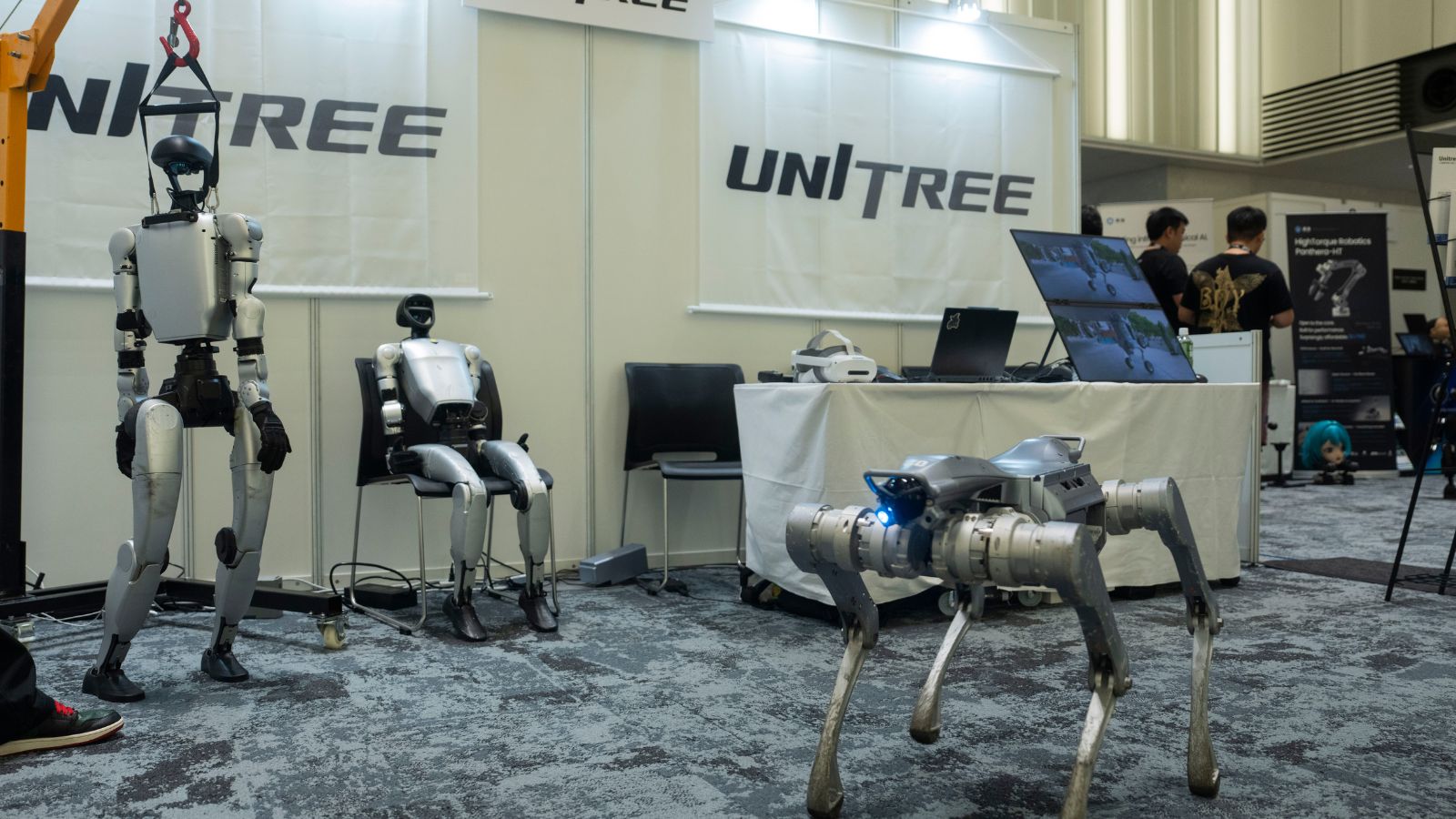
Unitree Robotics raises about $900 million in Shanghai IPO
China’s Humanoid Robot Boom Races Ahead of Real-World Readiness

U.S. military funding propelled China's Unitree robot dogs

Unitree’s Humanoid Robot Boom Faces Long Road to Usefulness
China Pushes Humanoid Robots From Spectacle Toward Industrial Workforce

Optimus Prime Quote Reflects Heroism, Sacrifice And Memory

Transformers Voice Actor Peter Cullen Dies At 85

Peter Cullen, Voice of Optimus Prime, Dies; Family Remembers

Peter Cullen, Voice of Optimus Prime, Dies at 85