3 weeks ago
Why India Need Not Lose Sleep Over Saudi-Pakistan-Turkiye Deal
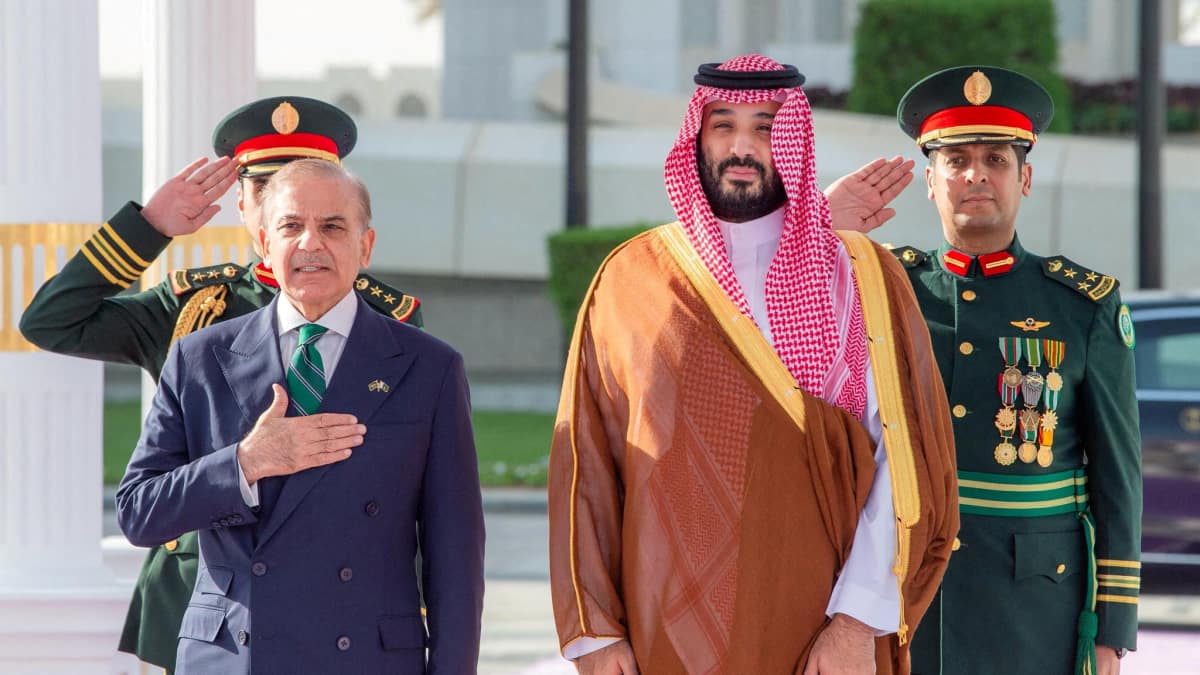
Three countries — Saudi Arabia, Pakistan and Turkiye — signed a new agreement called the Makkah Joint Defence Agreement.
It says that if one of them is attacked, the other two will help fight back, similar to the NATO alliance.
The countries want to protect each other and stop attacks.
India was worried about this deal because Pakistan is one of the countries that signed it.
But one analyst says India does not need to worry very much.
The agreement is mostly aimed at Iran, not at India.
Saudi Arabia is concerned about attacks from rebels in Yemen and about America no longer protecting the region.
Saudi Arabia also asked 14 countries to join a group to keep shipping safe in the Red Sea.
Iran and Oman are discussing how to control the Strait of Hormuz, a very busy sea route for oil ships.
The analyst believes the biggest effect of the deal will be felt by Iran, not by India.

Pakistan, Saudi Arabia and Turkiye signed the Makkah Joint Defence Agreement, a NATO-style pact treating an armed attack on any one state as an attack on all.
India's Ministry of External Affairs said it is 'closely watching' the deal, though the article argues India's alarm is largely misplaced.
The pact is primarily aimed at deterring Iran and was driven by Saudi disillusionment with America's role as the region's security provider.
It builds on the September 2025 Pakistan–Saudi Strategic Mutual Defence Agreement and follows Saudi Arabia's July 30 proposal of a 14-nation Multinational Maritime Defence Coalition.
The Wall Street Journal reported that Iran is considering barring US naval forces from passing through the Strait of Hormuz, per a draft being reviewed by Iran's Supreme National Security Council.
- Who
- Pakistan, Saudi Arabia and Turkiye as the three signatories, India as the concerned observer, and Iran as the pact's main strategic target.
- What
- Signed a NATO-style trilateral mutual defence agreement pledging that an armed attack against any one state shall be regarded as an attack against them all.
- Where
- West Asia, with the pact named after Makkah in Saudi Arabia; its chief security focus is the Strait of Hormuz, the Red Sea and the Persian Gulf.
- When
- Recently — the deal had been in the works for many months and builds on the September 2025 Pakistan–Saudi Strategic Mutual Defence Agreement.
- Why
- To build an independent Gulf deterrence architecture against a resurgent Iran and Iran-aligned Houthi threats, amid America's diminishing role as the region's security guarantor.
Indian strategic circles: the pact is dangerous for India
Analysis: India's alarm is misplaced
Direct security threat to India
Indian strategic circles: the pact is dangerous for India
A NATO-style collective defence pact with Pakistan embeds Pakistan in a Saudi-Turkish defence triangle, represents a net negative for New Delhi's security and may subsidise Pakistan's military posture against India.
Analysis: India's alarm is misplaced
There is no threat convergence on India; Sau'di Arabia and Turkiye would not risk their economic and diplomatic ties with India to support Pakistani ambitions, making any invocation against India practically unenforceable.
Nature of the agreement
Indian strategic circles: the pact is dangerous for India
The trilateral pact resembles an emerging 'Islamic NATO' capable of collective military action.
Analysis: India's alarm is misplaced
At this stage the agreement is more political signalling than a functioning collective-defence arrangement, since Article 5-style commitments are only as credible as the shared threat perceptions of the signatories.
Key facts
- Agreement
- Makkah Joint Defence Agreement
- Signatories
- Pakistan, Saudi Arabia, Turkiye
- Core provision
- Armed attack on any one state is regarded as an attack on all three
- Precursor pact
- Strategic Mutual Defence Agreement between Pakistan and Saudi Arabia, signed September 2025
- Main strategic target
- Iran
- MMDC
- Multinational Maritime Defence Coalition proposed by Saudi Arabia on July 30, with 14 countries including Turkiye and Bangladesh
- Strait of Hormuz
- Carries about a fifth of the world's energy trade; Iran is said to be planning to bar US naval forces from transiting it
- India's stance
- Ministry of External Affairs says it is 'closely watching' the development
Sources
Related news
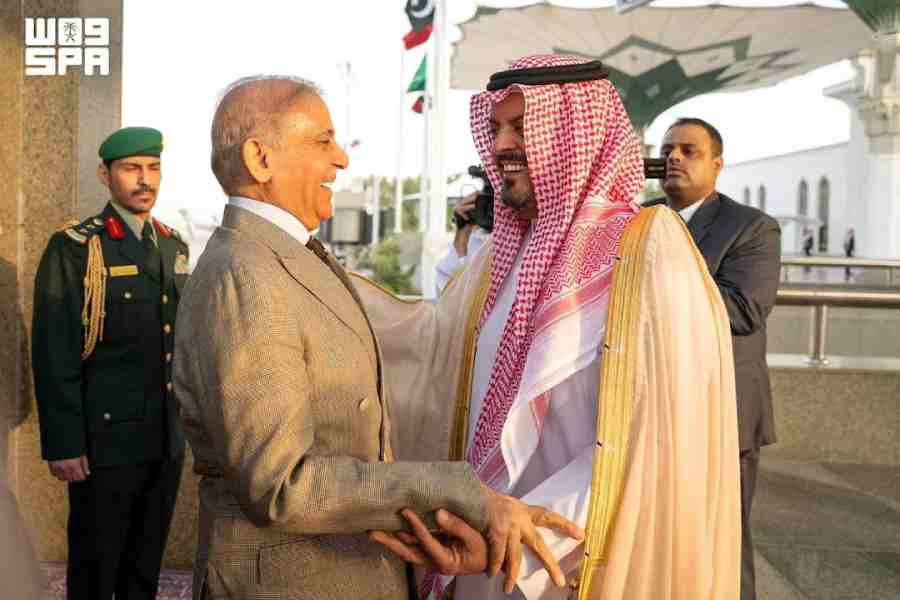
Pakistan, Saudi Arabia and Turkey Sign Mutual Defence Pact

Pakistan-Turkiye-Saudi Defence Pact Raises Serious Questions for India
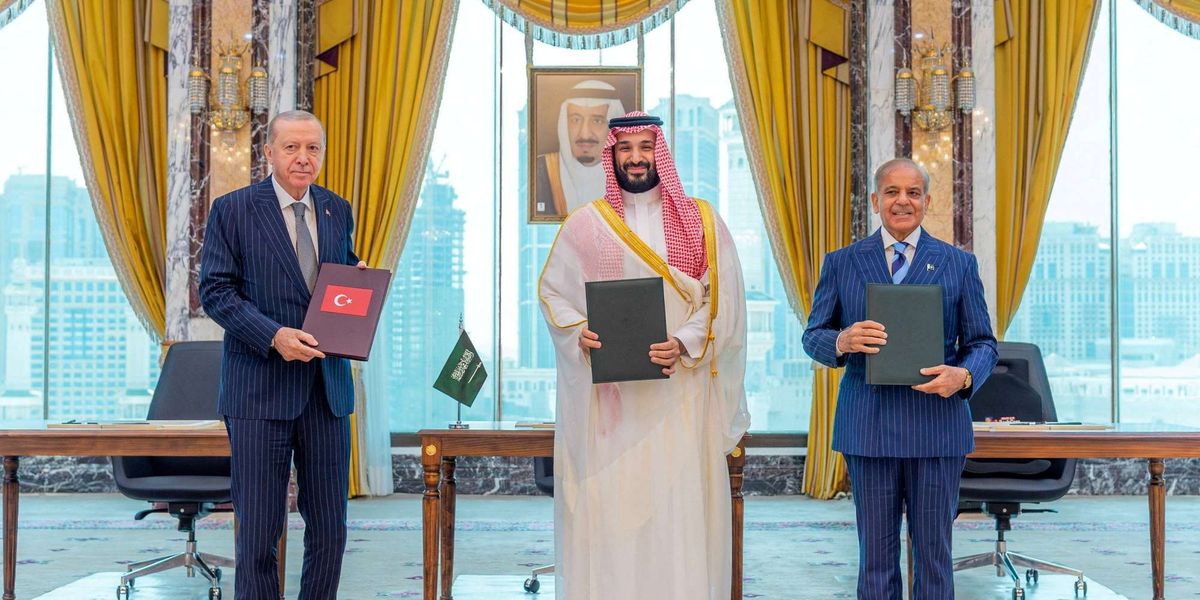
Saudi Arabia, Turkey and Pakistan sign Mecca Joint Defence Agreement

Saudi Arabia, Turkey, Pakistan Sign Mecca Defence Agreement
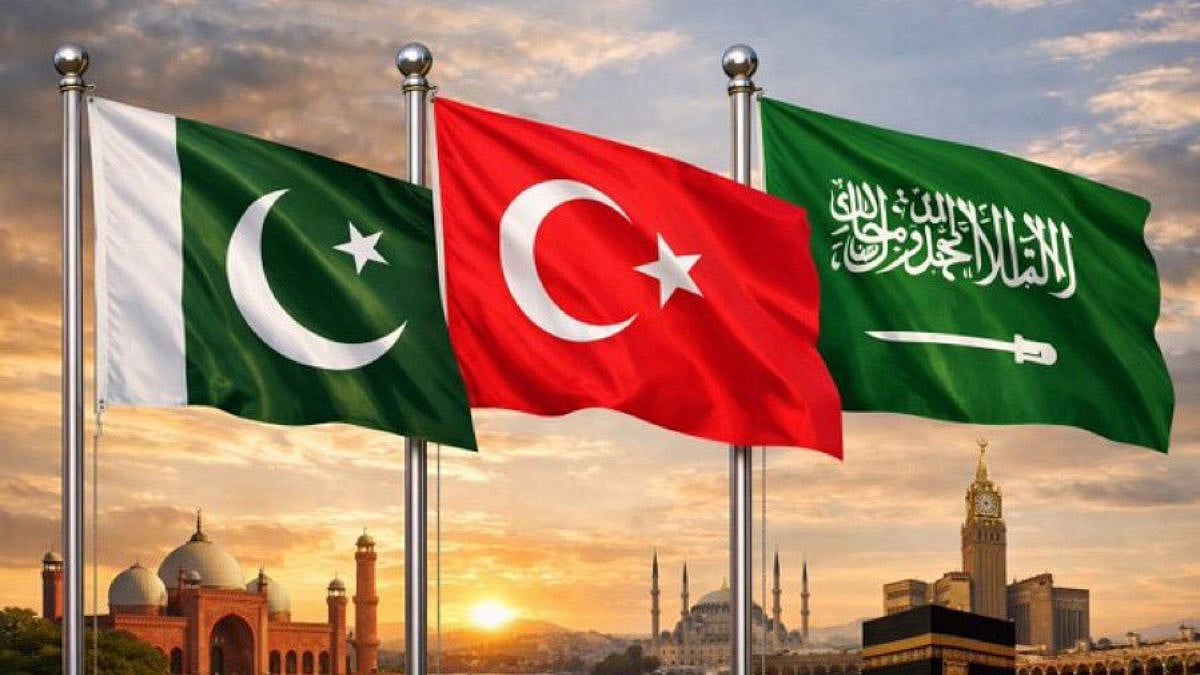
Saudi-Turkey-Pakistan Defence Pact Raises Security Concerns For India
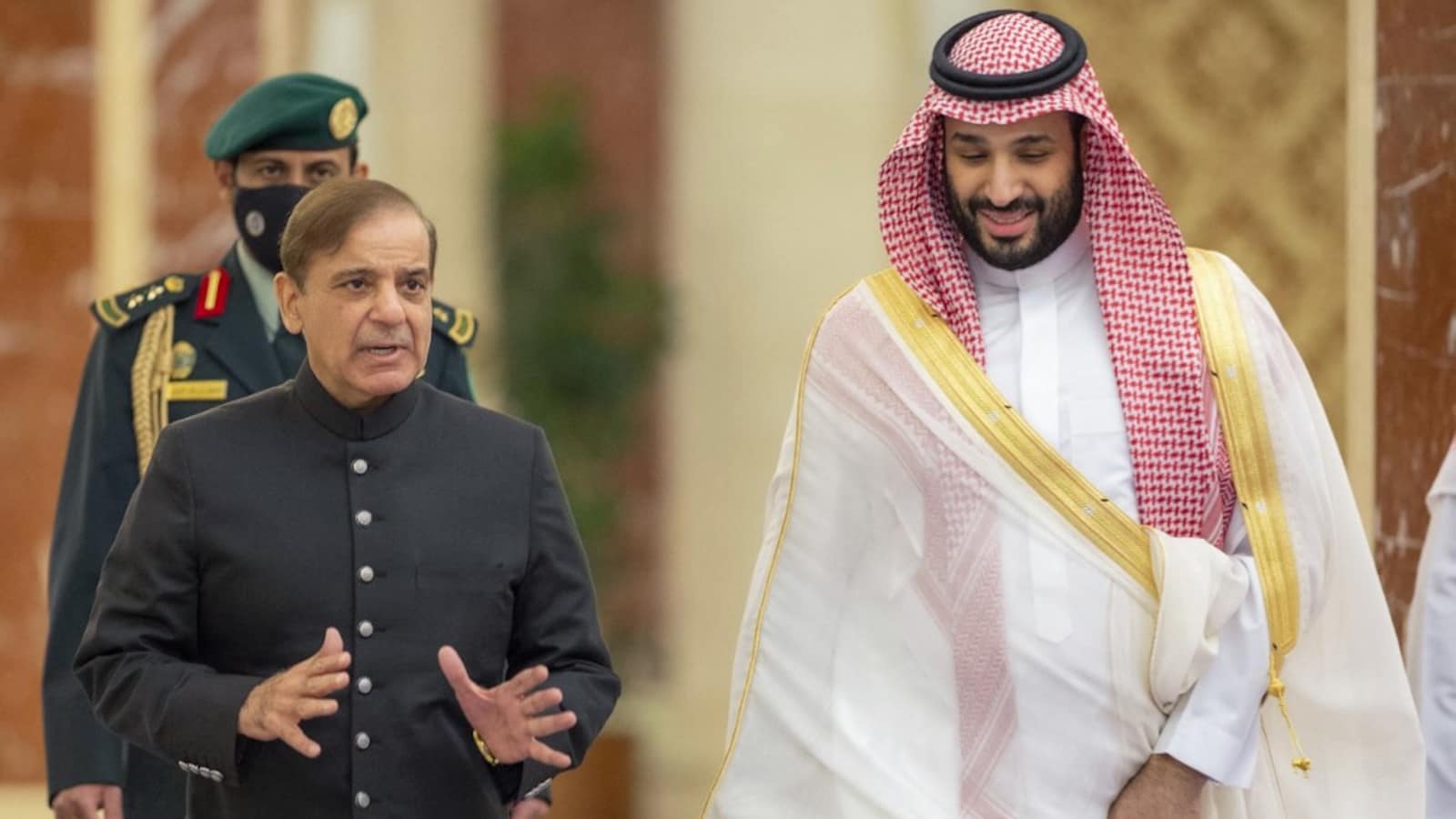
India's Response to Mecca Pact Faces Strategic Test

Bangladesh Recall Shanto, Mahmud for Asian Games T20 Squad

Sharma and Malik share halfway lead at Telangana Golconda Masters

India Replaces Sri Lanka as 2027 Women’s Champions Trophy Host
Centre Assures JDU Bihar’s Interests In Farakka Treaty Decision
India’s Record Wheat Harvest Opens $1.5 Billion Export Window