1 week ago
Trump’s Iran War Risks Turning Foreign Policy Into Midterm Liability
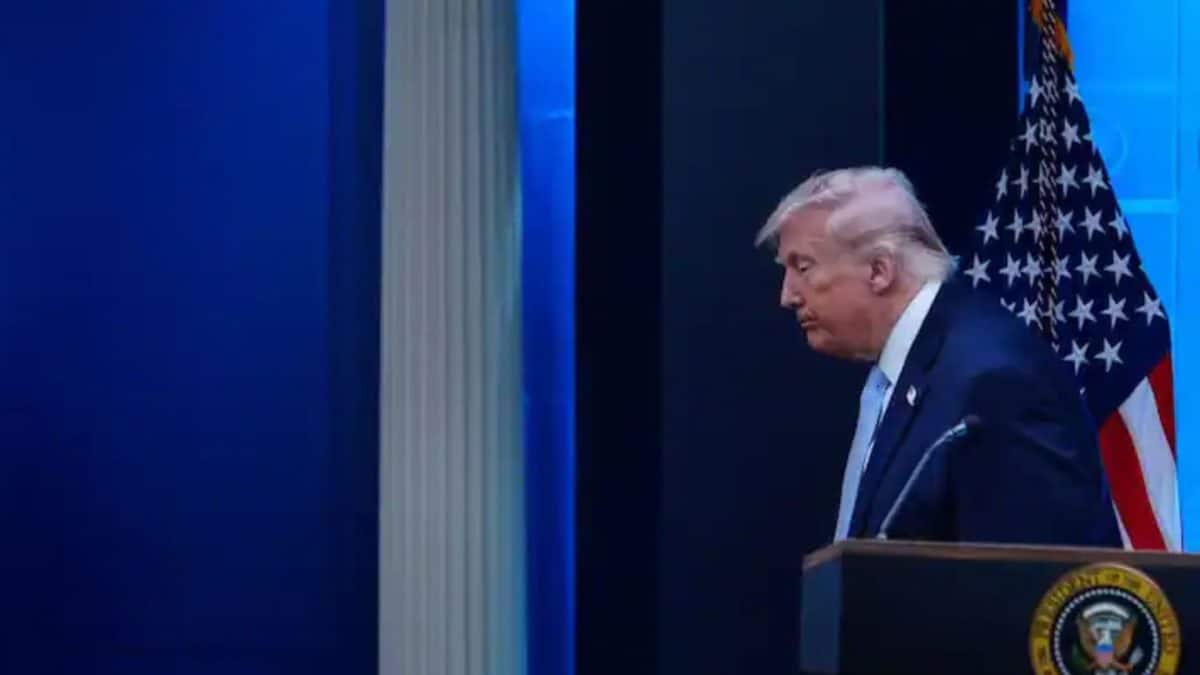
Donald Trump promised to end wars and help Americans financially.
But the conflict involving Iran has continued for nearly six months.
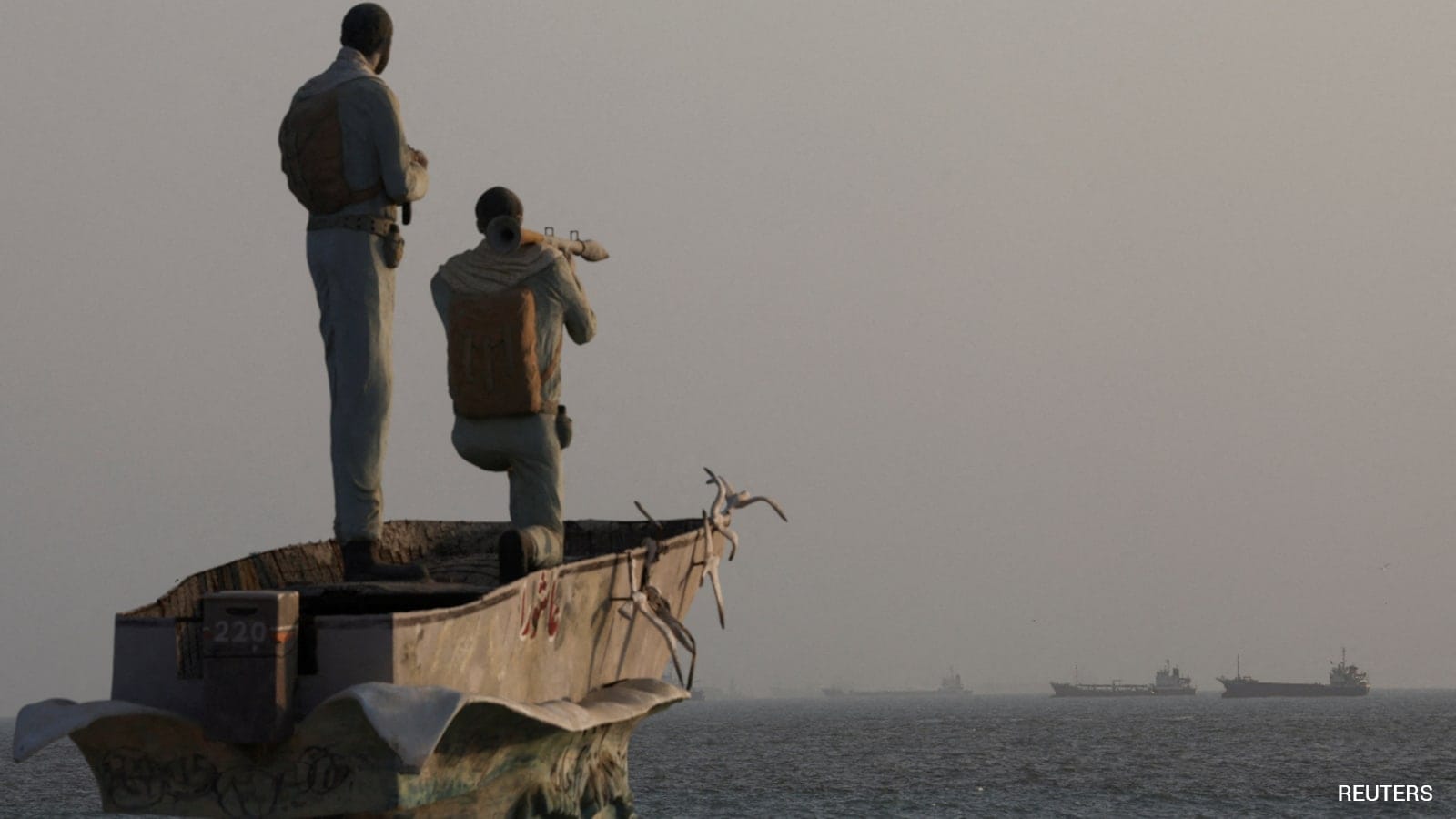
Fighting and disrupted shipping through the Strait of Hormuz have helped push up energy prices.
Higher gasoline prices can make everyday life more expensive for families.
Polls show that many Americans think the conflict will continue.
Trump’s approval rating has also fallen, while Democrats have gained a small advantage on economic issues.
Republicans worry that voters may blame them for the conflict’s costs.
The midterm elections could therefore become a judgment on both Trump’s foreign policy and the economy.

The unresolved Iran conflict has disrupted shipping and pushed up energy prices.
Trump’s approval rating has fallen to 33 percent, according to Reuters/Ipsos polling.
Most surveyed Americans expect United States involvement in Iran to continue.
Democrats hold narrow polling advantages on the economy and cost of living.
Republicans risk losing control of one or both chambers of Congress.
- Who
- United States President Donald Trump, Iran, Republicans, Democrats, and American voters.
- What
- An unresolved Iran conflict is creating economic and political problems for Trump ahead of the midterm elections.
- Where
- The conflict involves Iran and has disrupted shipping through the Strait of Hormuz, affecting American households.
- When
- Nearly six months after military action began, with the November 3 midterm elections approaching.
- Why
- The continuing conflict, stalled diplomacy, and higher energy prices may damage perceptions of Trump’s leadership and Republicans’ economic record.
Escalation and pressure
Negotiation and de-escalation
How to handle Iran
Escalation and pressure
Trump could intensify economic and military pressure in the hope of forcing Tehran to surrender.
Negotiation and de-escalation
Trump could pursue negotiations to seek an end to the conflict and reduce pressure on energy markets.
Political interpretation
Escalation and pressure
Supporters of a tougher approach can present continued pressure as evidence of strength and an effort to secure a decisive outcome.
Negotiation and de-escalation
Critics can argue that the unresolved conflict contradicts Trump’s promise to end wars and is imposing costs on American households.
Election consequences
Escalation and pressure
Republicans may benefit from Trump’s ability to energize core voters and frame the conflict as a test of American power.
Negotiation and de-escalation
Democrats may use higher prices, stalled diplomacy, and the prolonged war to appeal to independents and voters focused on economic stability.
Key facts
- Trump approval
- 33 percent approve and 64 percent disapprove of his performance in the latest Reuters/Ipsos poll.
- Expected conflict duration
- 80 percent of surveyed Americans expect United States involvement in Iran to continue for some time; 16 percent expect it to end within weeks.
- Economy polling
- Thirty-eight percent said Democrats would handle the economy better, compared with 35 percent for Republicans.
- Shipping disruption
- An April ceasefire did not restore normal shipping, and the Strait of Hormuz remains severely disrupted.
- Other diplomatic efforts
- Negotiations involving Gaza and Ukraine remain stalled, according to the article.
- Congressional risk
- Republicans face the prospect of losing control of one or both chambers of Congress.
- Historical comparison
- The article compares the political risk to Jimmy Carter’s experience during the 1979–80 Iran hostage crisis.
Sources
Related news
Iran War Threatens Republican Midterm Prospects as Voter Frustration Grows
Trump's approval rating hits all-time low ahead of US midterms
Six Months Into Iran War, Political and Economic Costs Mount
Six Months Into Iran War, No Winners and Global Costs

Trump Aides Seek Quiet Iran War Before Midterm Elections
Trump Faces Fiscal, Military and Political Setbacks Before Midterms
U.S.-Iran Exchange Escalates Across Middle East, Markets Slide
US Warns Middle East Travelers Amid Escalating Iran-Linked Tensions

Indian Stocks Slide as Oil, Conflict and Yields Rise

Silver Rate Today: Prices Fall 0.83% Across Indian Cities