1 week ago
US Plans 'Economic D-Day' Sanctions Campaign Against Iran
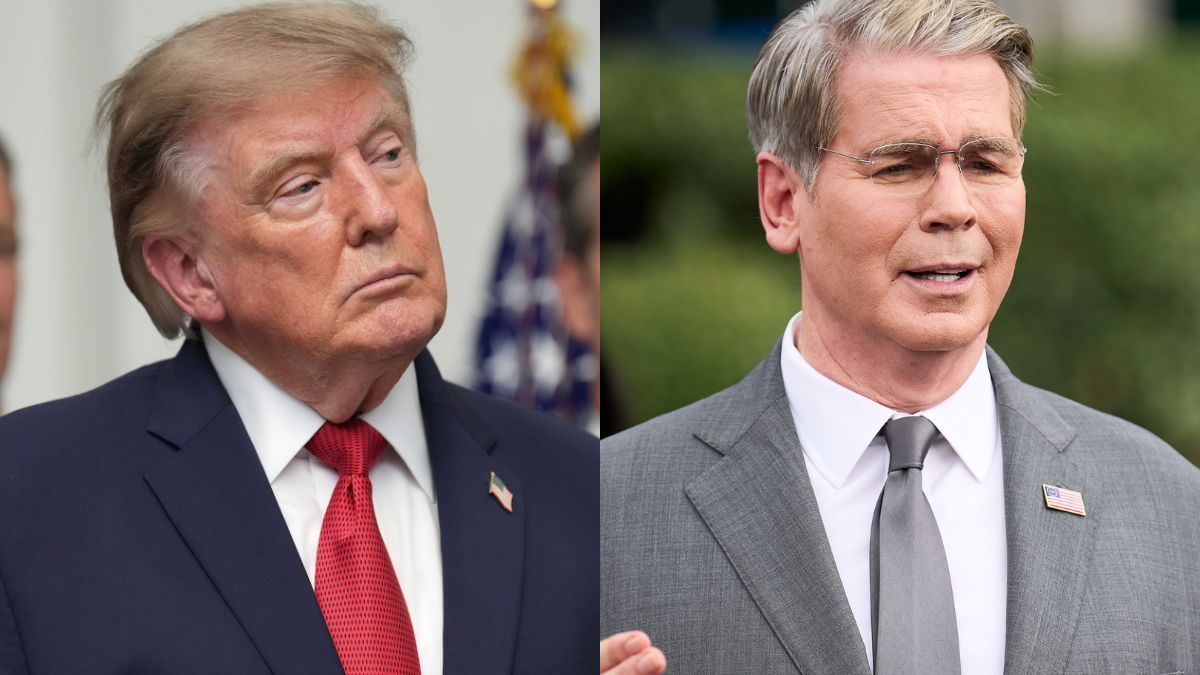
The United States plans to announce new economic punishments against Iran.
These punishments could affect banks, ships, money-exchange businesses and countries that trade with Iran.
Scott Bessent called the plan an “economic D-Day” and said it would be an extremely powerful financial attack.
The United States says Iran’s military and nuclear facilities have already been badly damaged.
Iran says the sanctions are an attempt by Washington to control other countries and show weakness.
An Iranian security official warned that Iran could retaliate strongly.
China is important because it buys much of Iran’s oil.
The sanctions come after months of war, economic damage and a failed ceasefire.
Diplomats are still trying to restart talks and end the conflict.

US Treasury Secretary Scott Bessent is expected to announce a new sanctions package targeting Iran and businesses supporting its trade.
The measures could target foreign banks, shipping companies, exchange houses and governments that continue dealing with Tehran.
Bessent described the campaign as the toughest sanctions effort ever and said it could reduce the need for further military action.
China, which has purchased as much as 90 percent of Iran’s oil at times, could face pressure, though Bessent did not say whether it would be targeted.
Iran condemned the plan, while officials warned of retaliation and diplomatic efforts continued to revive a stalled ceasefire agreement.
- Who
- The Trump administration, led publicly on this issue by Treasury Secretary Scott Bessent, plans to impose further pressure on Iran; Iranian officials have rejected the plan.
- What
- The United States is preparing a sanctions package described as an “economic D-Day” against Iran and entities that continue doing business with Tehran.
- Where
- The measures would affect Iran and potentially foreign banks, shipping companies, exchange houses and governments involved in Iran’s trade.
- When
- Bessent is scheduled to announce the measures at 2 p.m. ET on Monday; the article says the conflict began on February 28 and intensified again from July 8 to July 24.
- Why
- Washington says increased economic pressure could weaken Iran and reduce the need for further large-scale military action; Iran says the policy is an illegitimate attempt to control independent states.
US rationale
Iranian objections
Purpose of sanctions
US rationale
The United States says tougher financial pressure can weaken Iran, constrain its remaining economic support networks and make further large-scale military action less necessary.
Iranian objections
Iranian officials say Washington is using sanctions to claim authority over other independent UN member states and is repeating an unsuccessful approach.
Strength or desperation
US rationale
Bessent presents the measures as the largest and toughest financial offensive ever assembled against an adversary.
Iranian objections
Iranian Foreign Minister Abbas Araqchi says shifting from military action back to sanctions reflects desperation rather than strength.
Pressure on other countries
US rationale
Washington is warning countries and companies not to send money to Iran, buy its oil or provide ships for its trade.
Iranian objections
Iranian officials oppose pressure on neighboring and other independent countries and have warned that participation could provoke retaliation.
Key facts
- Announcing official
- US Treasury Secretary Scott Bessent
- Planned announcement
- 2 p.m. ET on Monday
- Potential targets
- Iran, foreign banks, shipping companies, exchange houses and governments doing business with Tehran
- China’s role
- China has at times purchased around 90 percent of Iran’s crude oil during the conflict
- Oil prices
- West Texas Intermediate fell about 1.3% to $85.93 per barrel; Brent fell 1.24% to $93.22
- Strait of Hormuz
- The waterway carries around one-fifth of the world’s oil, and the article says Iran has effectively blocked it
- Economic conditions
- Iran’s inflation had exceeded 48% by late 2025, according to the article
Quotes

Scott Bessent
US Treasury secretary advocating the administration’s planned sanctions campaign against Iran
“The Islamic Republic has subsisted by dressing extortion as security guarantees. It has drawn strength from a calculus that regards Iranian retaliation as certain and American enforcement as negotiable.”
 financialexpress.com
Sources
Related news
US Vows Toughest Sanctions Yet as Iran Conflict Escalates
US Announces Economic D-Day as Iran Threatens Oil Export Halt

US Plans Toughest Iran Sanctions, Urges China Cooperation

US Threatens Toughest Sanctions Yet as Iran Condemns Economic Warfare
US Seeks Allies’ Support for Economic War on Iran

US Prepares Tough Iran Sanctions as Pakistan Seeks Mediation
Saudi Arabia Says Iranian Tanker Attack Killed Two Sailors
U.S.-Iran Exchange Escalates Across Middle East, Markets Slide
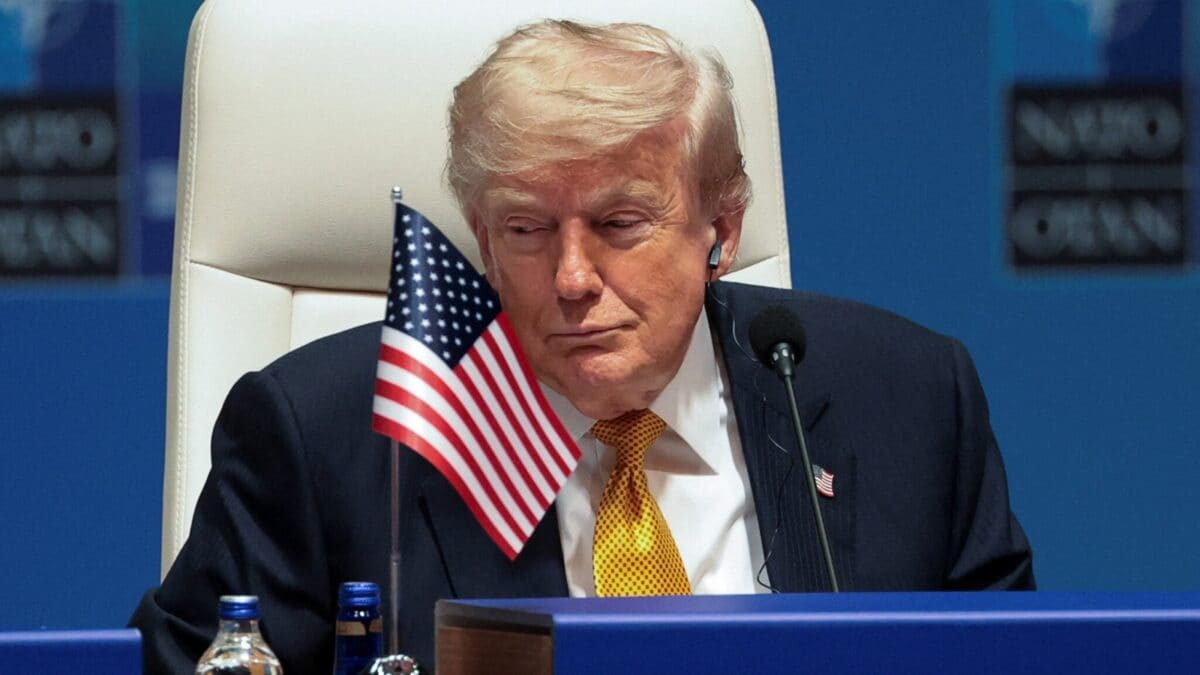
Trump Aides Seek Quiet Iran War Before Midterm Elections
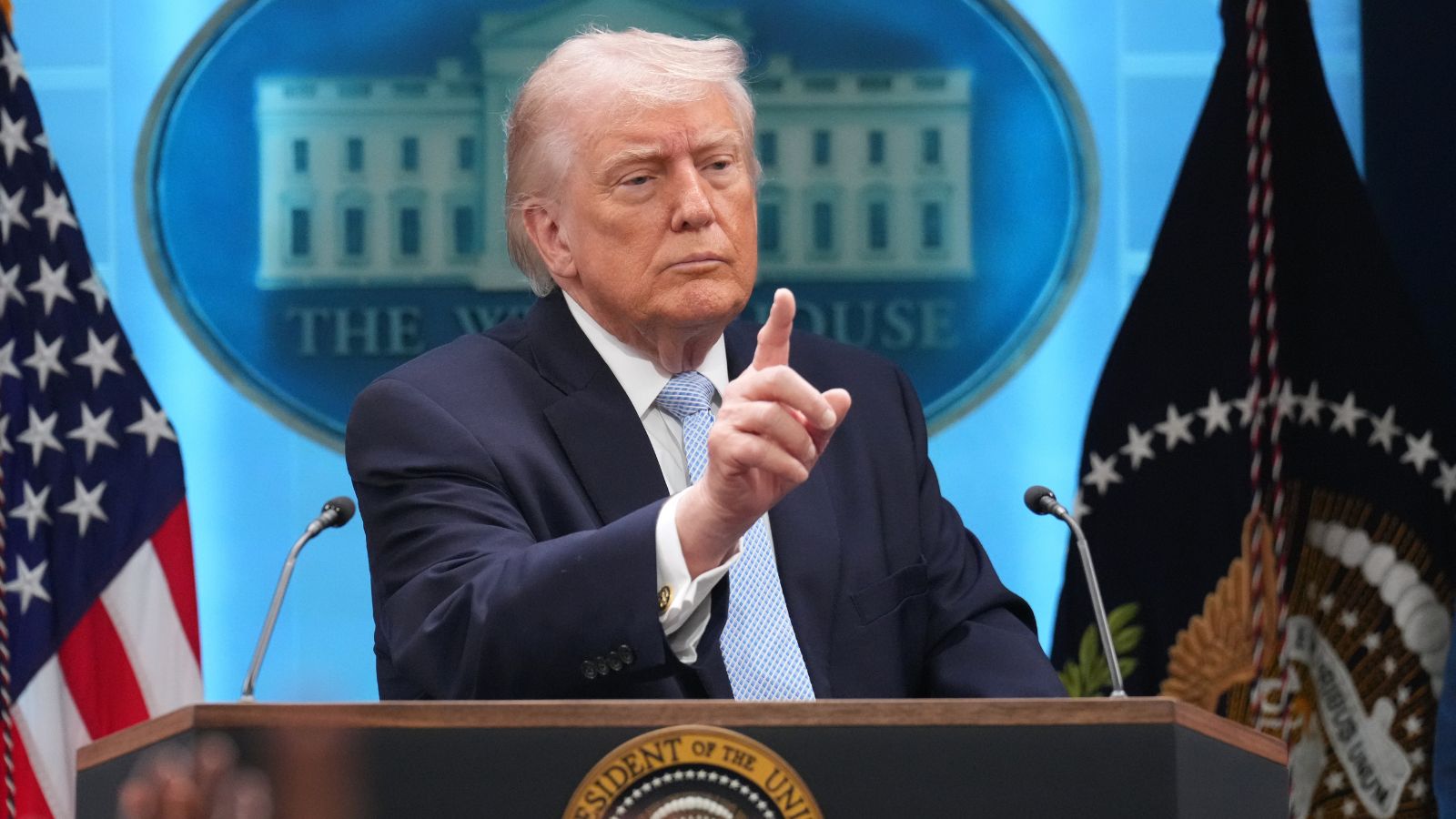
US Warns Middle East Travelers Amid Escalating Iran-Linked Tensions

Indian Stocks Slide as Oil, Conflict and Yields Rise