6 days ago
Nepal Floods Spark Dispute Over Chinese Warnings and Construction

A very large flood hit parts of Nepal near the border with China on August 26.
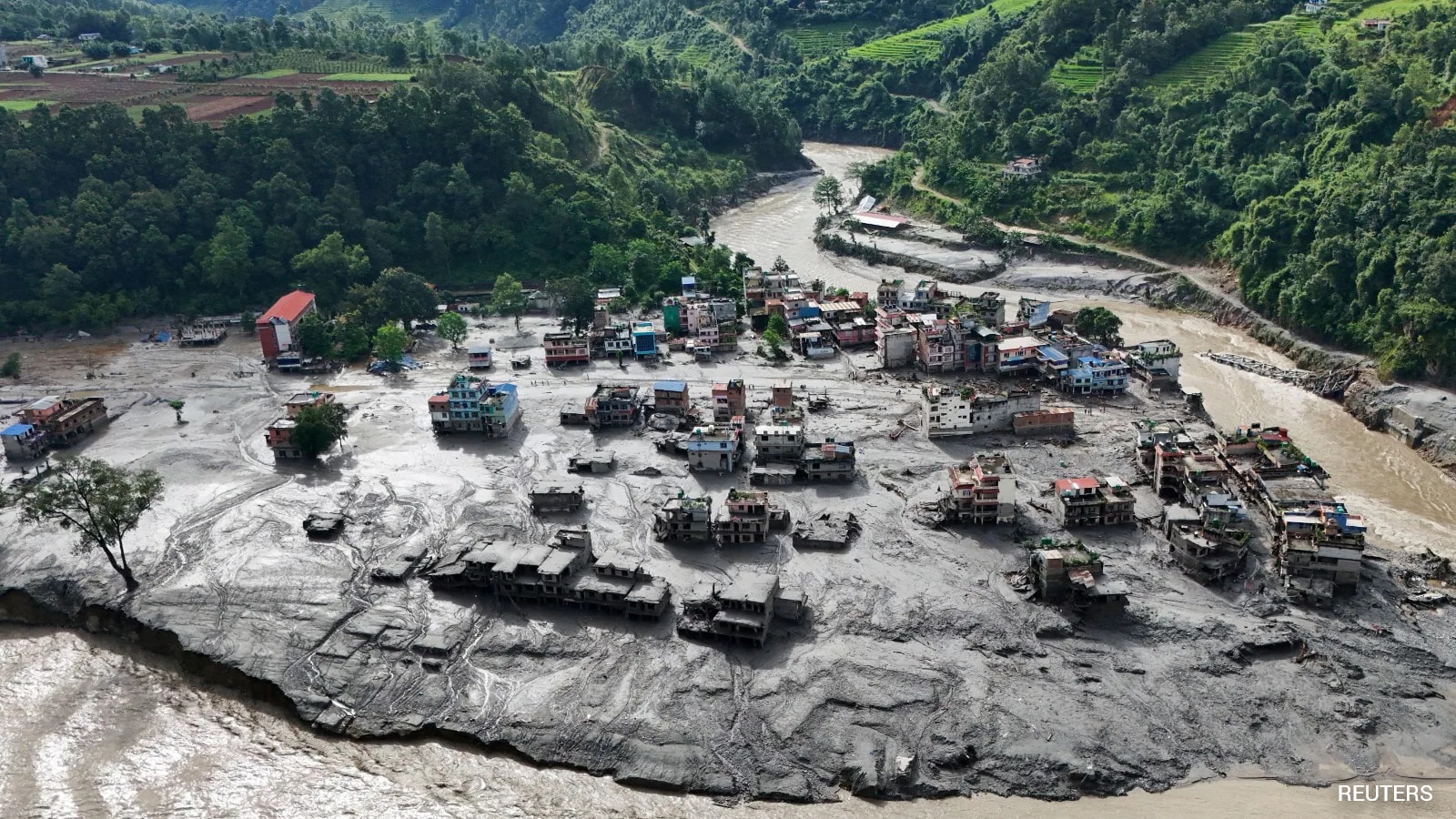
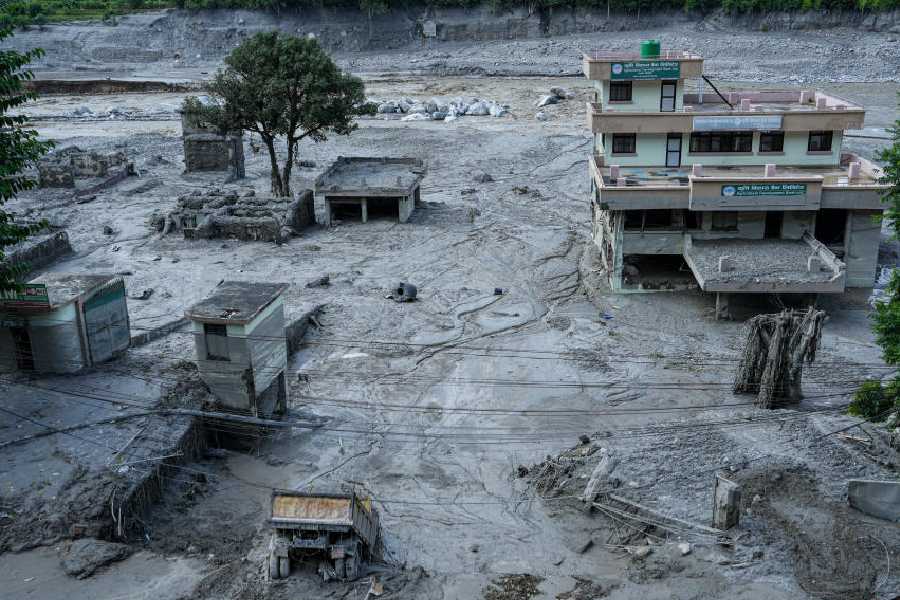
Water, mud and rocks swept through villages, roads and border facilities.
More than 165 people were reported dead, and 826 were missing in one account.
Some people in Nepal said China should have warned them sooner.
Others claimed construction in Tibet may have changed the landscape and worsened the flood.
China denied these claims.
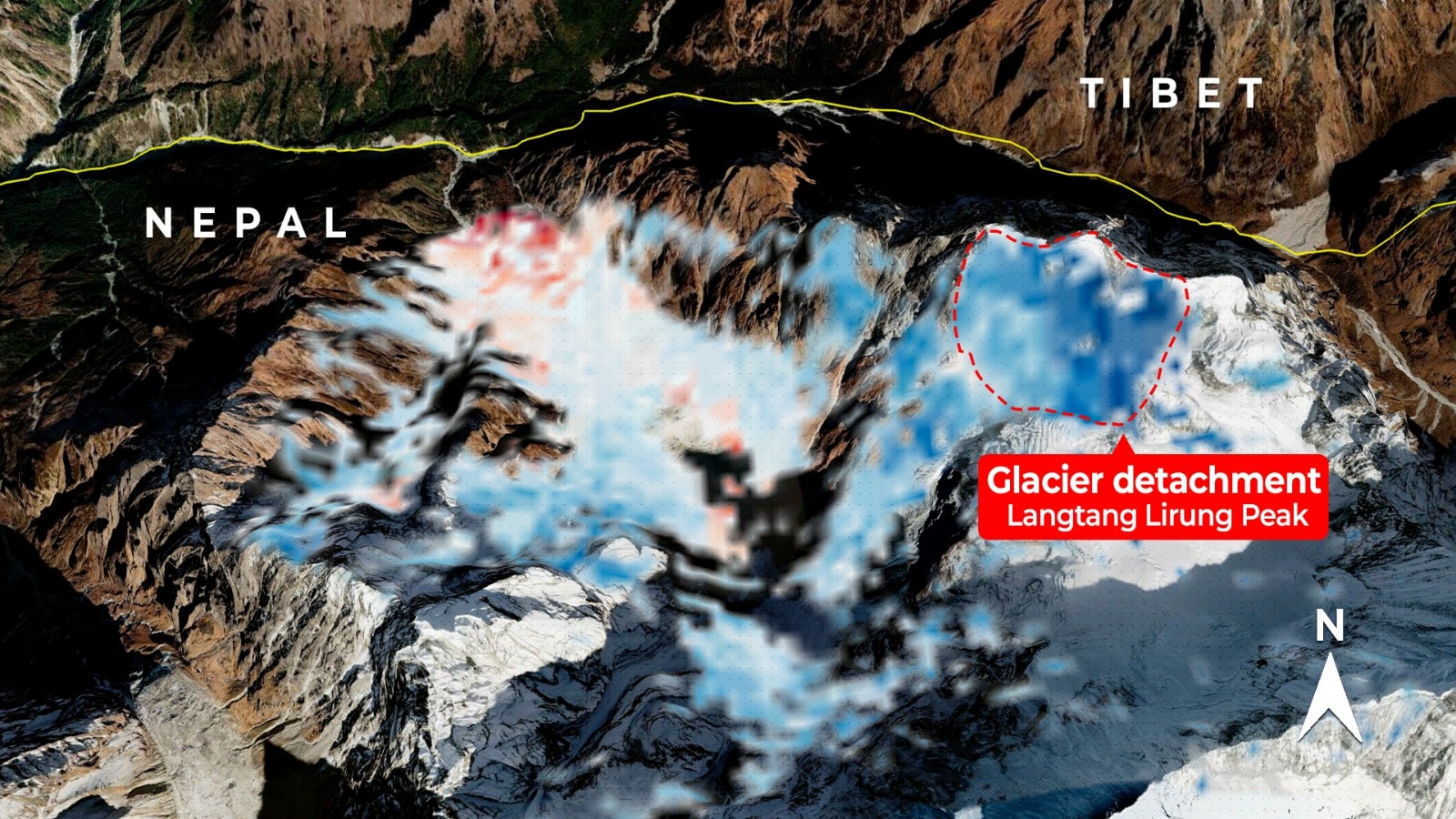
Chinese officials said an earthquake or glacier collapse caused a landslide and mudslides on the Nepali side.
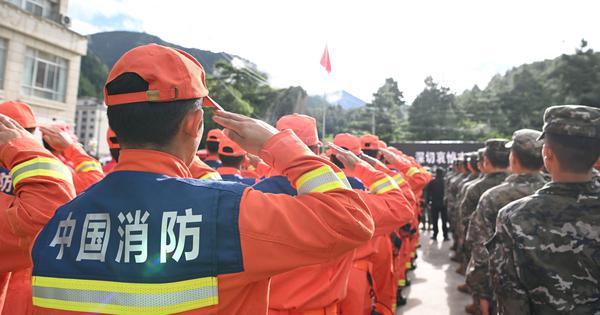
Both countries were affected, and rescue teams were searching for missing people.

Flash floods struck Nepal’s Bhote Koshi and Trishuli river corridors on August 26.
Reported casualties exceeded 165, while 826 people, including 500 foreign nationals, remained missing.
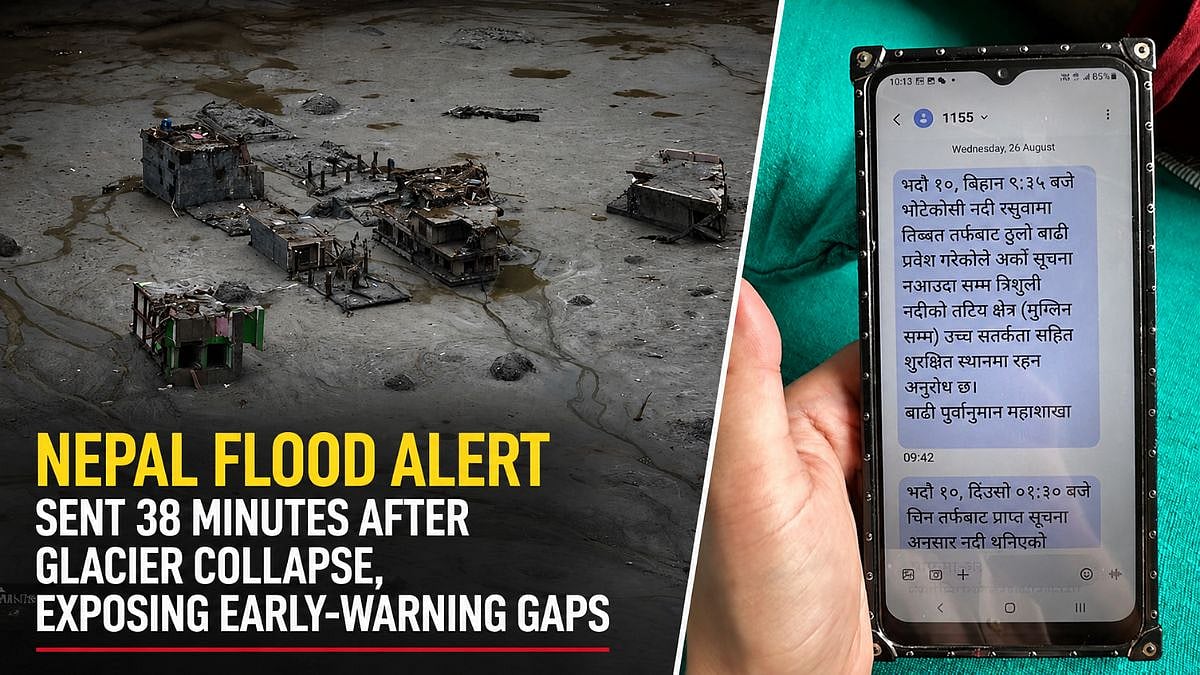
Nepali reports alleged China failed to provide an early warning after flooding began in Tibet’s Kerung County.
China rejected the allegations, attributing the disaster to an earthquake or glacier-related collapse on the Nepali side.
A barrier lake near the Chhochen Khola and Purepu Tsangpo confluence reportedly reached 2 million cubic meters and posed a breach risk.
- Who
- Residents, tourists, rescue teams and authorities in Nepal and China were affected; Nepali critics and Chinese officials disputed the cause and warning timeline.
- What
- A deadly flash flood and landslide disaster triggered a dispute over whether China caused the flooding or failed to warn Nepal.
- Where
- The affected area included Tibet’s Kerung (Gyirong) County, Nepal’s Rasuwa border region, and the Bhote Koshi and Trishuli river corridors.
- When
- The disaster occurred on the morning of August 26; reports said flooding reached Nepal about 45 minutes after striking Kerung County.
- Why
- The dispute centers on allegations of delayed Chinese warnings and possible impacts from construction, versus China’s claim that a natural earthquake or glacier-related collapse caused the disaster.
Critics and Nepali Reports
Chinese Official Position
Early warning
Critics and Nepali Reports
Nepali reports and commentators alleged that China did not promptly notify Nepal after flooding struck Kerung County, saying locals may have provided the first warning.
Chinese Official Position
The Chinese Embassy rejected claims that Beijing failed to issue a timely warning and called the allegations false and misleading.
Cause of the disaster
Critics and Nepali Reports
Some social-media posts and commentators linked the flood to Chinese construction, including settlement and infrastructure activity near the Tibet-Nepal border, although direct links remained unproven.
Chinese Official Position
China said the disaster was caused by a natural earthquake or earthquake-like glacier collapse that triggered a landslide and mudflows on the Nepali side.
Evidence about the trigger
Critics and Nepali Reports
Nepali preliminary findings and satellite imagery reportedly indicated an earthquake-induced avalanche or glacial rock slide near the border, while leaving responsibility for the disaster unresolved.
Chinese Official Position
Chinese officials said the event struck both sides of the border as a natural disaster and urged humanitarian cooperation instead of assigning blame.
Key facts
- Reported death toll
- More than 165 people
- Reported missing
- 826 people, including 500 foreign nationals
- Reported flood timing
- Around 10:30 a.m. in Tibet’s Kerung County; Nepal was reportedly hit about 45 minutes later
- Chinese explanation
- An earthquake or earthquake-like glacier collapse triggered a major landslide and mudslides
- Disputed allegations
- Critics alleged delayed warnings and possible effects from Chinese construction near the Tibet-Nepal border
- Barrier lake
- China’s Ministry of Water Resources said a lake in Nepal had reached 2 million cubic meters and faced a high risk of breaching
- Affected infrastructure
- Roads, communications and electricity networks around China’s Gyirong Port were disrupted
Quotes

Chinese Embassy in Nepal
China’s diplomatic mission in Nepal responding to allegations about the flood and warning delays
“Nepal has been addressing the legitimate security concerns of our neighbours. However, it must be said with sadness that our northern neighbour has significantly undermined us. By failing to provide early warning of such a massive disaster, we suffered immense loss of human life.”
 firstpost.com
“Ecological disaster caused by Chinese Xiaokang settlements in Glacial altitudes now trigger avalanches annually on China- #Nepal border resulting in flash floods.”
firstpost.com
Zhang Maoming
China’s ambassador to Nepal
“Chinese President Xi Jinping has attached great importance to the disaster and issued important instructions, emphasising that the top priority is to make every effort to search for and rescue missing persons, relocate and provide shelter for people at risk, promptly treat the injured, and minimise casualties to the greatest extent possible.”
firstpost.com
Sources

Related news

China Rejects Flood Trigger Claim After Himalayan Disaster

Nepal Flash Flood Triggers Warning Questions After Tibetan Deluge
Nepal Flood Deaths Rise as Former Minister Criticizes China
China Rejects Claims Tibet Hydropower Projects Triggered Nepal Floods

Nepal Floods Kill 46 as China Construction Claims Emerge
Satellite Radar May Strengthen Nepal's Flood Warning Systems
Nepal Plans New Landslide Warning System Along China Border

Nepal Thanks India as Glacial Disaster Rescue Efforts Continue
Nepal Warns of Heavy Rain After Deadly Floods
Nepal Flood Exposes Delayed Alerts and Cross-Border Warning Gaps