

3 weeks ago
Study links COVID-19 to reactivation of dormant viruses
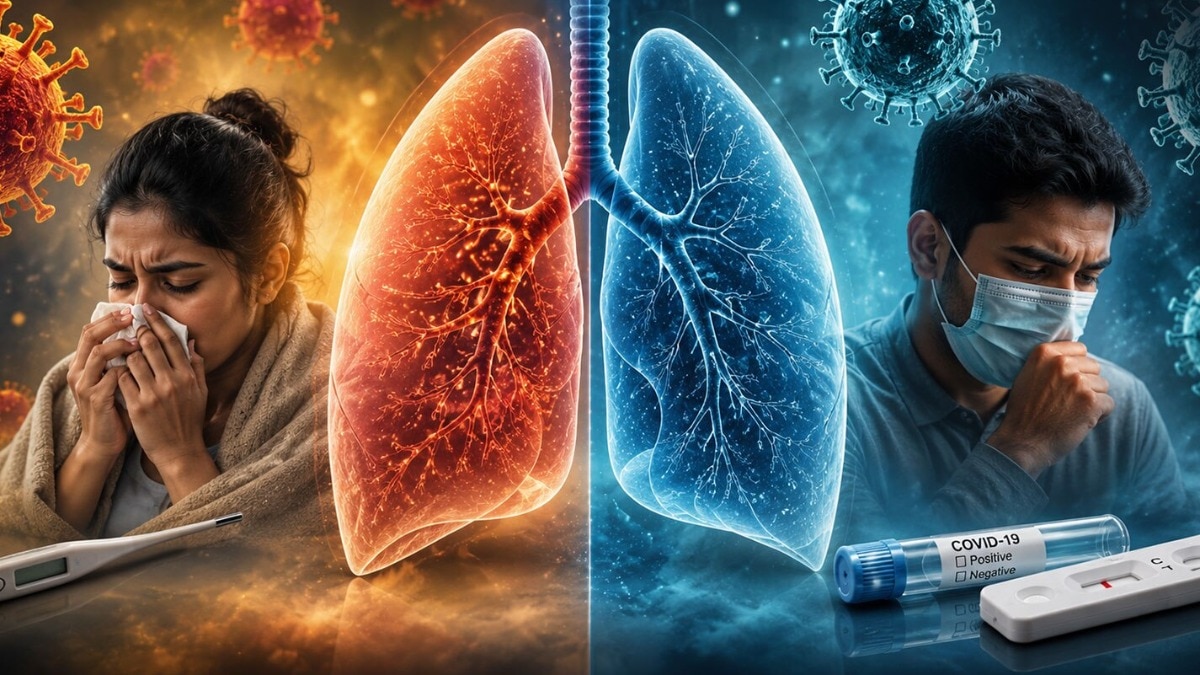
Some viruses can hide inside our bodies for a very long time after we first catch them.
They are asleep, or 'dormant,' and our immune system keeps them quiet.
Scientists studied lots of people and found that getting COVID-19 can wake up some of these sleeping viruses.
The viruses that wake up are usually from the herpesvirus family.
This might be one reason why some people feel sick for a long time after COVID.
That long illness is called Long COVID.
It can make people feel very tired, have trouble remembering things, and feel achy.
But not everyone who gets COVID-19 will have this problem.
Scientists are not sure yet if the waking-up viruses cause the symptoms or are just a sign of a troubled immune system.
More research is needed, and doctors should not give antiviral medicine to everyone yet.

A population-level study found that COVID-19 infection is associated with the reactivation of multiple latent viruses, particularly members of the herpesvirus family.
Dormant viruses such as Epstein-Barr virus, cytomegalovirus, human herpesvirus-6, and varicella-zoster virus can reactivate when the immune system is weakened.
Viral reactivation may contribute to Long COVID symptoms including persistent fatigue, brain fog, muscle aches, sleep disturbances, swollen lymph nodes, and general malaise.
SARS-CoV-2 is believed to temporarily disrupt immune surveillance, allowing latent viruses to replicate before the immune system regains control.
The findings do not prove reactivation causes Long COVID, and experts say clinical trials are needed before antiviral treatments are routinely prescribed.
- Who
- Researchers who analysed biological data from a large group of people; people who have had COVID-19, especially those with prolonged symptoms.
- What
- A study linking COVID-19 infection to the reactivation of dormant viruses, which may help explain why some people do not fully recover.
- Where
- Not specified in the article.
- When
- Not specified in the article.
- Why
- To understand why some people experience Long COVID; reactivated viruses may trigger chronic inflammation and alter immune responses.
Key facts
- Key finding
- COVID-19 infection is associated with reactivation of multiple latent viruses, particularly herpesviruses
- Dormant viruses mentioned
- Epstein-Barr virus (EBV), Cytomegalovirus (CMV), Human herpesvirus-6 (HHV-6), Varicella-zoster virus
- Proposed mechanism
- SARS-CoV-2 temporarily disrupts immune surveillance, allowing latent viruses to replicate
- Long COVID symptoms
- Persistent fatigue, brain fog, muscle aches, sleep disturbances, swollen lymph nodes, general malaise
- Risk factors
- Age, immune health, underlying medical conditions, genetics, severity of initial infection
- Treatment outlook
- Possible future therapies targeting latent viruses; clinical trials needed before antivirals are prescribed
Sources
Related news

Study: COVID-19 May Reactivate Dormant Viruses in Body
Long Covid Gut Study Shows Immune System Can't Clear Virus

Why Cancer Can Return Years After Successful Treatment

Why H1N1, H3N2 and COVID-19 Infections Are Rising
Remo Fernandes stroke after COVID-19 booster: neurologists respond

ICMR Says Seasonal H1N1 Surge Needs No Masks

Delhi Reports Over 2,300 H1N1 Cases, Triggers Emergency Review
H1N1 Cases Rise as Experts Advise Precautions, Not Routine Masks
