3 weeks ago
Long Covid Gut Study Shows Immune System Can't Clear Virus
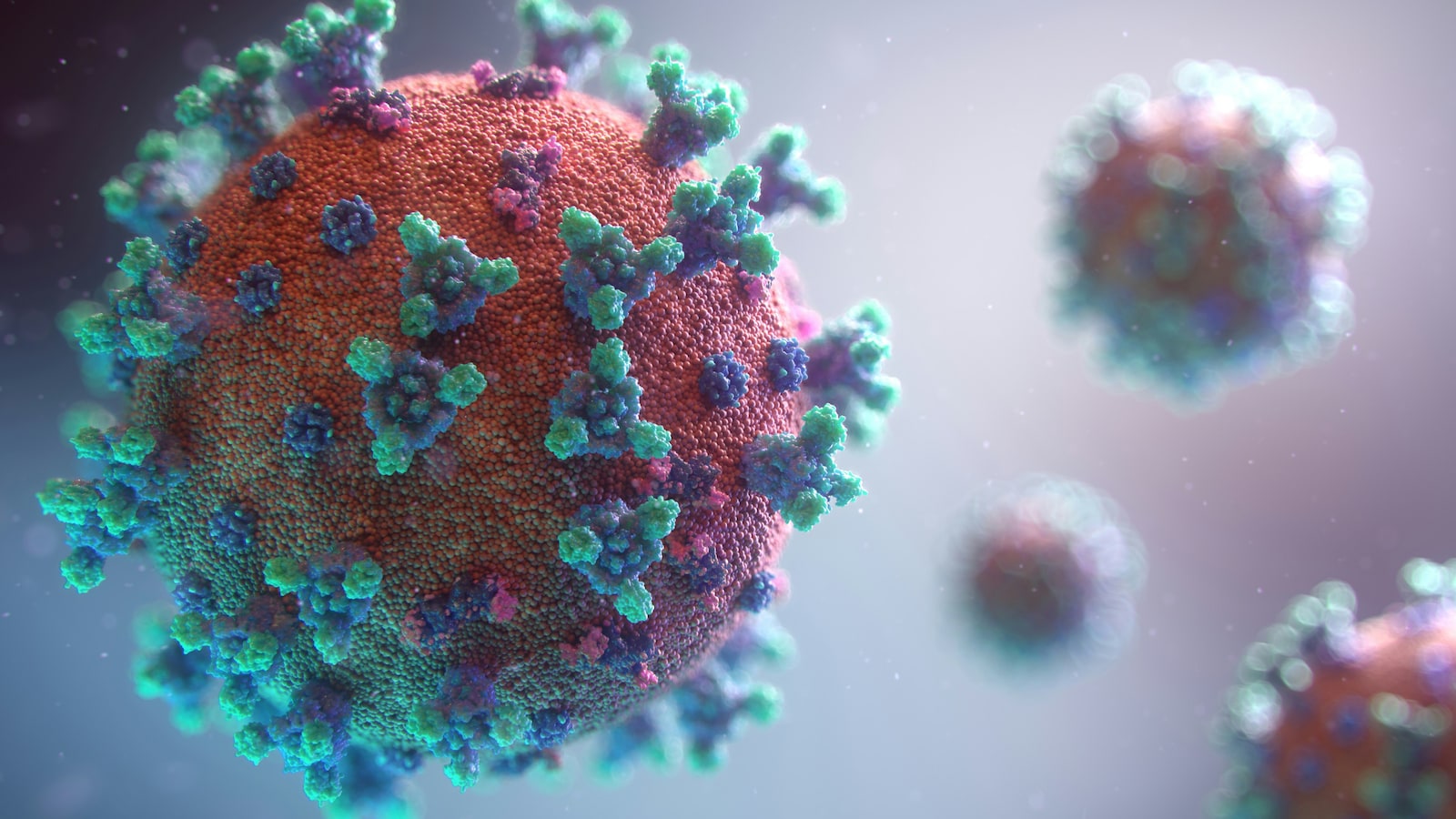
Some people feel sick for a long time after having Covid-19, and doctors call this long Covid.
Scientists wanted to learn why that happens.
They studied cells from the intestines of people with long Covid.
They found that the body's defense system, called the immune system, was still trying to fight the virus.
But it was not doing a very good job of cleaning it out.
It kept causing inflammation while missing the virus hiding inside the body's own cells.
The scientists also found pieces of the virus in the intestines of many long Covid patients.
They think future treatments may need to attack the virus and also help the immune system work better.
This research gives scientists an important clue about a big medical mystery.

Researchers at the University of California, San Francisco found extensive immune abnormalities in intestinal tissue of people with long Covid, with first-line defenses staying activated while virus-eliminating processes weakened.
The preprint, released Monday ahead of peer review, describes an 'uncoordinated immune response' where inflammation continues but mechanisms to eliminate its source are impaired.
Evidence of persistent SARS-CoV-2 was found in the intestines of 12 of 44 people with long Covid (27%), compared with one of 13 fully recovered participants, a difference that was not statistically significant.
Both single- and double-stranded viral RNA were found in intestinal lining cells that normally turn over within days, suggesting ongoing viral activity or repeated exposure to virus from elsewhere in the body.
Researchers said treatment may need to both target lingering virus and restore the immune system's ability to eliminate virus-harboring cells, noting antiviral drugs alone haven't shown clear benefits in broad long Covid trials.
- Who
- Researchers at the University of California, San Francisco, led by Michael Peluso and Timothy Henrich.
- What
- A study found gut immune system abnormalities and evidence of lingering SARS-CoV-2 in people with long Covid, suggesting an impaired immune response to the virus.
- Where
- University of California, San Francisco.
- When
- The preprint was released Monday ahead of peer review; biopsies were collected a median of almost two years after participants' first known infection.
- Why
- To understand what drives long Covid and inform the search for effective treatments.
Key facts
- Researchers
- Michael Peluso and Timothy Henrich, University of California, San Francisco
- Participants
- 44 people with long Covid; 13 fully recovered controls
- Virus detection
- 12 of 44 long Covid patients (27%) vs. 1 of 13 recovered participants
- Biopsy timing
- Median of almost two years after first SARS-CoV-2 infection
- Publication status
- Preprint, ahead of peer review
- Key finding
- Persistent inflammation alongside impaired ability to eliminate virus-harboring cells
- Treatment implication
- May require targeting lingering virus plus restoring immune function; antivirals alone haven't shown clear benefits
Quotes
Researchers led by Michael Peluso and Timothy Henrich
Lead investigators of the UCSF long‑Covid gut study
“"uncoordinated immune response"”
 NDTV
NDTV
Sources
Related news

Study links COVID-19 to reactivation of dormant viruses

Study: COVID-19 May Reactivate Dormant Viruses in Body

Unusual Killer Immune Cells May Help Some People Reach 110

Michigan Says Lettuce Safe Again as Cyclospora Cases Decline

How Daily 30-Minute Walks Can Improve Mental Health

Drug-resistant fungus Candida auris reported in 23 US states

Omega-3 Supplements Show No Cognitive Benefits

Oestrogen Linked to Higher Gut Sensitivity in Women