1 week ago
Why Cancer Can Return Years After Successful Treatment
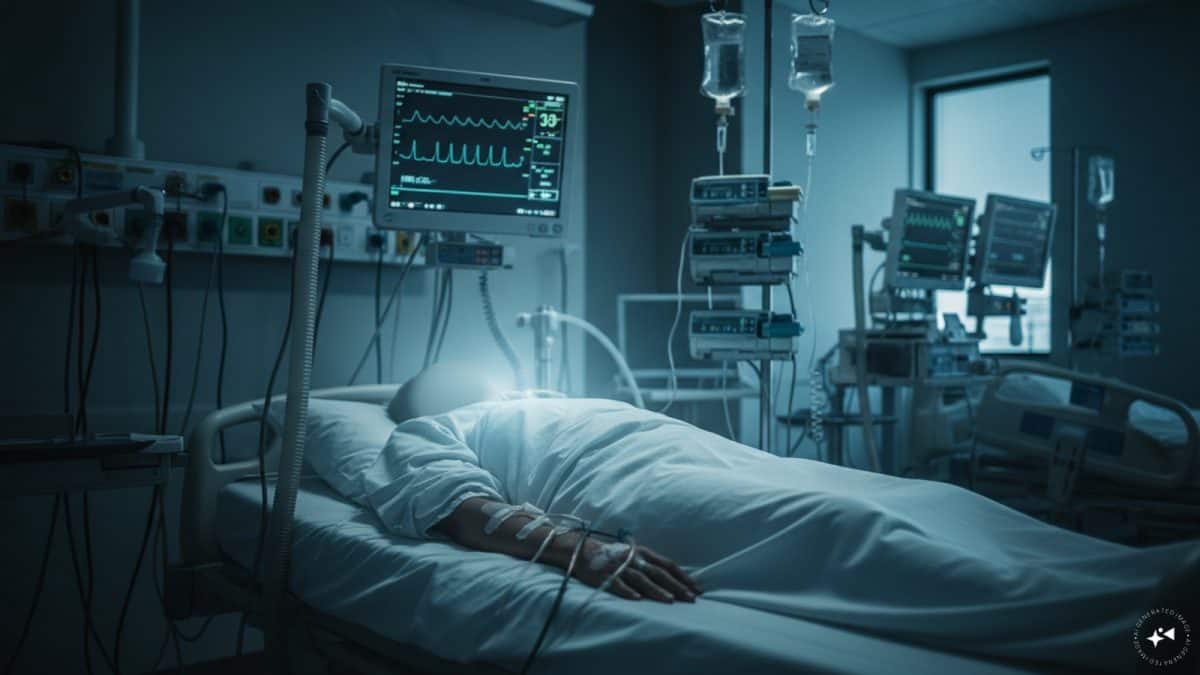
Sometimes cancer treatment removes all the cancer doctors can see, but a tiny number of cells may remain.
These cells can hide quietly in the body for a long time.
They may be too small to show up on scans or routine tests.
Years later, changes in the body may help them start growing again.
This is called a recurrence, and it is different from developing a completely new cancer.
A recurrence does not automatically mean the first treatment failed.
Doctors recommend follow-up visits and checking unusual or lasting symptoms.
New tests are being studied to find hidden cancer cells earlier, but they cannot predict every recurrence yet.

Cancer can recur months, years or even decades after treatment when microscopic cells survive undetected.
Dormant cancer cells may later reactivate because of changes in the immune system, hormones, inflammation or tumour genetics.
Recurrence does not necessarily mean the original treatment failed or was futile.
Risk varies according to the cancer type, stage, tumour biology, treatment and individual circumstances.
Long-term follow-up, symptom reporting and emerging tests such as liquid biopsies may help detect residual disease earlier.
- Who
- Cancer survivors and the medical researchers and specialists studying recurrence and dormant cancer cells.
- What
- Microscopic cancer cells can remain dormant after treatment and later reactivate, causing the disease to recur.
- Where
- Cancer may return at the original site, in nearby lymph nodes or in another part of the body.
- When
- Recurrence may happen months, years or decades after treatment, although it is generally more common during the first few years.
- Why
- A small number of treatment-resistant cells may survive undetected and later be activated by changes in the immune system, hormonal environment, inflammation or tumour genetics.
Key facts
- Dormant cells
- Some surviving cancer cells can remain inactive and below the detection limits of routine tests.
- Recurrence timing
- Cancer can return months, years or, in some cases, decades after treatment.
- Risk factors
- Recurrence risk depends on cancer type, stage, tumour biology, treatment and individual circumstances.
- Recurrence versus new cancer
- A recurrence is the return of the original cancer; a second primary cancer is a new, biologically different cancer.
- Follow-up
- Surveillance plans may include medical examinations, imaging and laboratory monitoring tailored to the patient.
- Potential symptoms
- Unexplained weight loss, unusual fatigue, new lumps and persistent pain should be assessed, although they can have other causes.
- Emerging detection methods
- Liquid biopsy, circulating tumour DNA analysis and minimal residual disease testing are being studied and used in selected settings.
Quotes
Dr Mohit Agarwal
Principal Director and Head of Medical Oncology at Fortis Hospital, Shalimar Bagh
“It simply shows how clever and adaptable cancer can be.”
 firstpost.com
“hibernating”
firstpost.com
Sources
Related news

Indian Researchers Develop AI and Targeted Cancer Treatment Tools

Pradeep Rawat, Ghajini Actor, Dies at 74 Amid Cancer Treatment

IIT Bombay Study Reveals Why Deadly Brain Cancer Returns
Study links COVID-19 to reactivation of dormant viruses

Merck Personalized Cancer Vaccine Reduces Melanoma Recurrence

Cancer Survivors Should Strengthen Existing Health Insurance Cover

Abandoned California Well Raises Questions About Cancer Cluster

Cancer Vaccine Trial Sends Moderna Shares Soaring 177 Percent
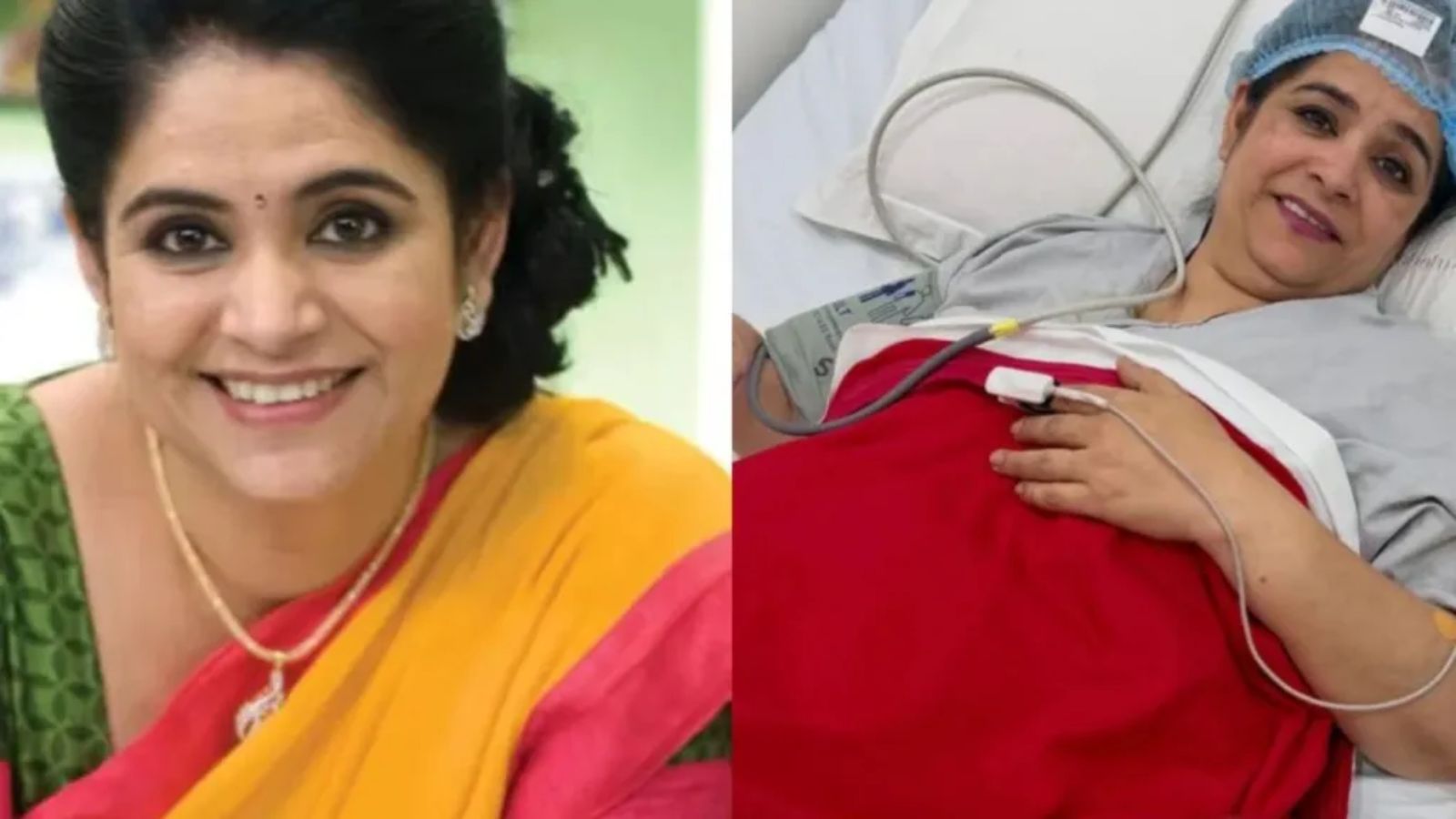
Chef Pankaj Bhadouria Opens Up About Chemotherapy Hair Loss

Joe Biden's Prostate Cancer Has Spread to Bones, Son Says