2 hrs ago
Indus Waters Treaty Settled India-Pakistan River Dispute After Partition
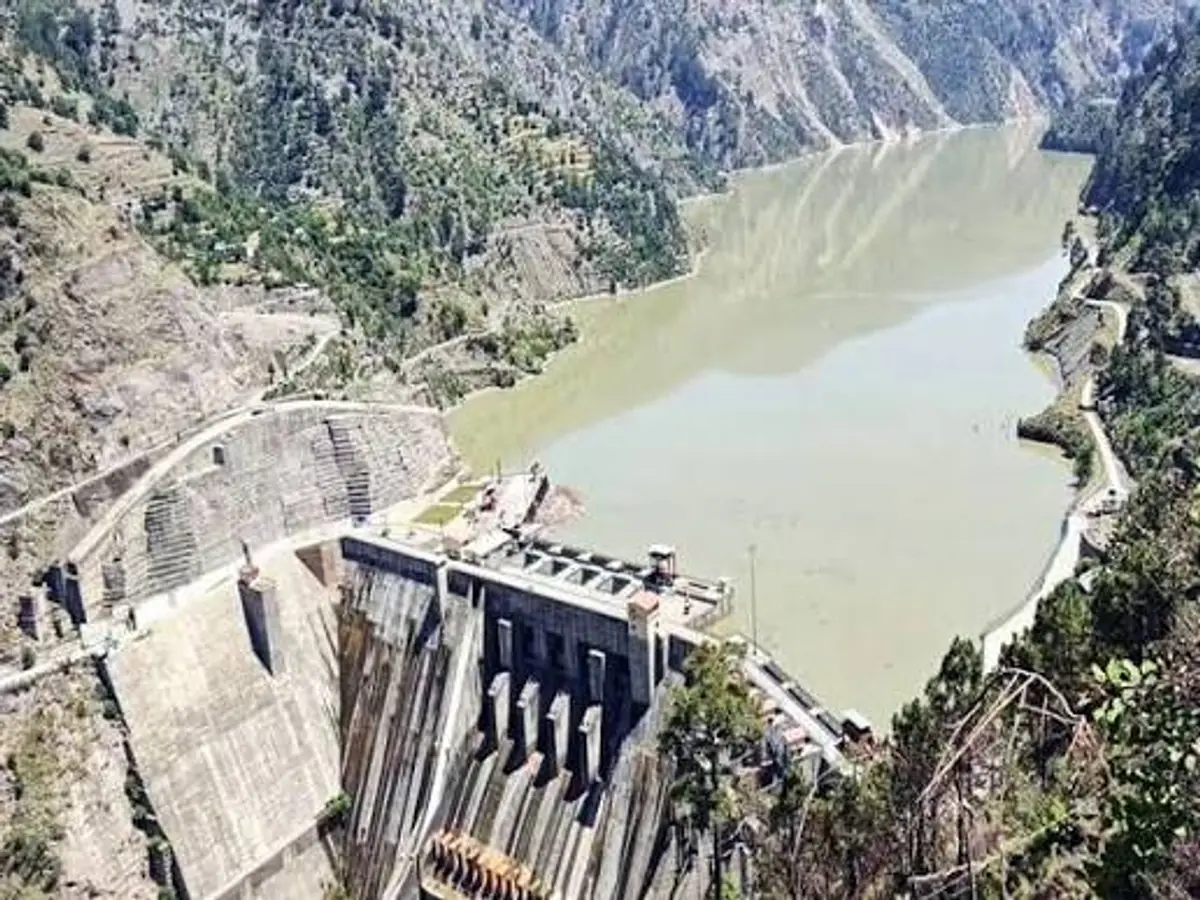
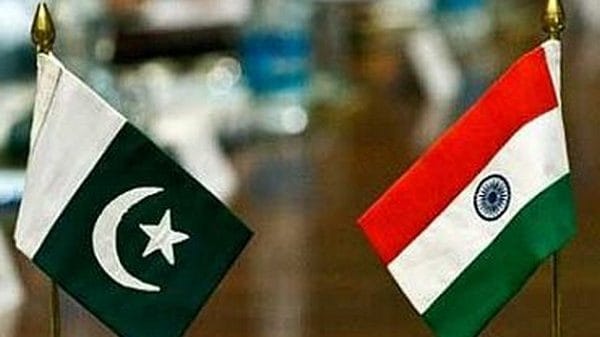
India and Pakistan share a river system that became divided after British India was partitioned in 1947.
Both countries needed water from the same rivers.
They began negotiating in 1952 with help from the World Bank.
After almost nine years, their leaders signed an agreement in Karachi on September 19, 1960.
The treaty gave India the eastern rivers, Ravi, Beas and Sutlej, for unrestricted use.
It gave Pakistan the western rivers, Indus, Jhelum and Chenab, with some rules and exceptions.
The World Bank also received specific responsibilities under the agreement.
In 2025, India said it was putting the treaty in abeyance after a terror attack in Pahalgam killed 26 people.

India and Pakistan signed the Indus Waters Treaty in Karachi on September 19, 1960.
The agreement followed nearly nine years of negotiations that began in 1952.
The World Bank and its president, Eugene Black, helped mediate the dispute.
India received unrestricted use of the eastern rivers: Ravi, Beas and Sutlej.
Pakistan received the western rivers, including the Indus, Jhelum and Chenab, under treaty provisions.
- Who
- India and Pakistan, with mediation and assistance from the World Bank, negotiated the treaty. It was signed by Indian Prime Minister Jawaharlal Nehru and Pakistan's President Field Marshal Mohammad Ayub Khan.
- What
- The Indus Waters Treaty established how the two countries would share and manage the six major rivers of the Indus river system.
- Where
- The inaugural meetings were held in Washington, and the treaty was signed in Karachi.
- When
- Negotiations began in 1952, and the treaty was signed on September 19, 1960. India announced in 2025 that it was putting the treaty in abeyance after the April terror attack.
- Why
- The 1947 Partition of British India divided the Indus Basin river system between India and Pakistan, creating a dispute over river use and management.
Key facts
- Treaty signed
- September 19, 1960
- Signatories
- Jawaharlal Nehru and Field Marshal Mohammad Ayub Khan
- Mediation
- The World Bank, led by then-president Eugene Black
- Eastern rivers
- Ravi, Beas and Sutlej were allocated for India's unrestricted use
- Western rivers
- Indus, Jhelum and Chenab were allocated to Pakistan, subject to treaty provisions
- Negotiation period
- Nearly nine years, beginning in 1952
- 2025 development
- India announced that it was putting the treaty in abeyance after an April terror attack in Pahalgam killed 26 people
Quotes
Dwight Eisenhower
Former president of the United States who commented on the treaty
“one bright spot... in a very depressing world picture.”
 wionews.com
Sources
Related news
India Keeps Indus Treaty Suspended as Pakistan Warns Region
India Rejects Hague Award, Keeps Indus Waters Treaty Suspended

Pakistan Urges India to Uphold Indus Waters Treaty Ruling
India Rejects Hague Ruling Upholding Pakistan Water Treaty
Hague Court Says India Must Uphold Indus Waters Treaty
India Rejects PCA Orders in Indus Waters Treaty Dispute

Trump-Xi State Dinner to Host Top Business Leaders
Trump’s Greenland Security Deal Expands U.S. Arctic Military Reach
US-Saudi $24.3 Billion F-35 Sale Faces Israel China Concerns
Trump Extends $100,000 H-1B Fee Through September 2027