6 days ago
Hair Shedding Versus Hair Fall: When to Seek Medical Advice
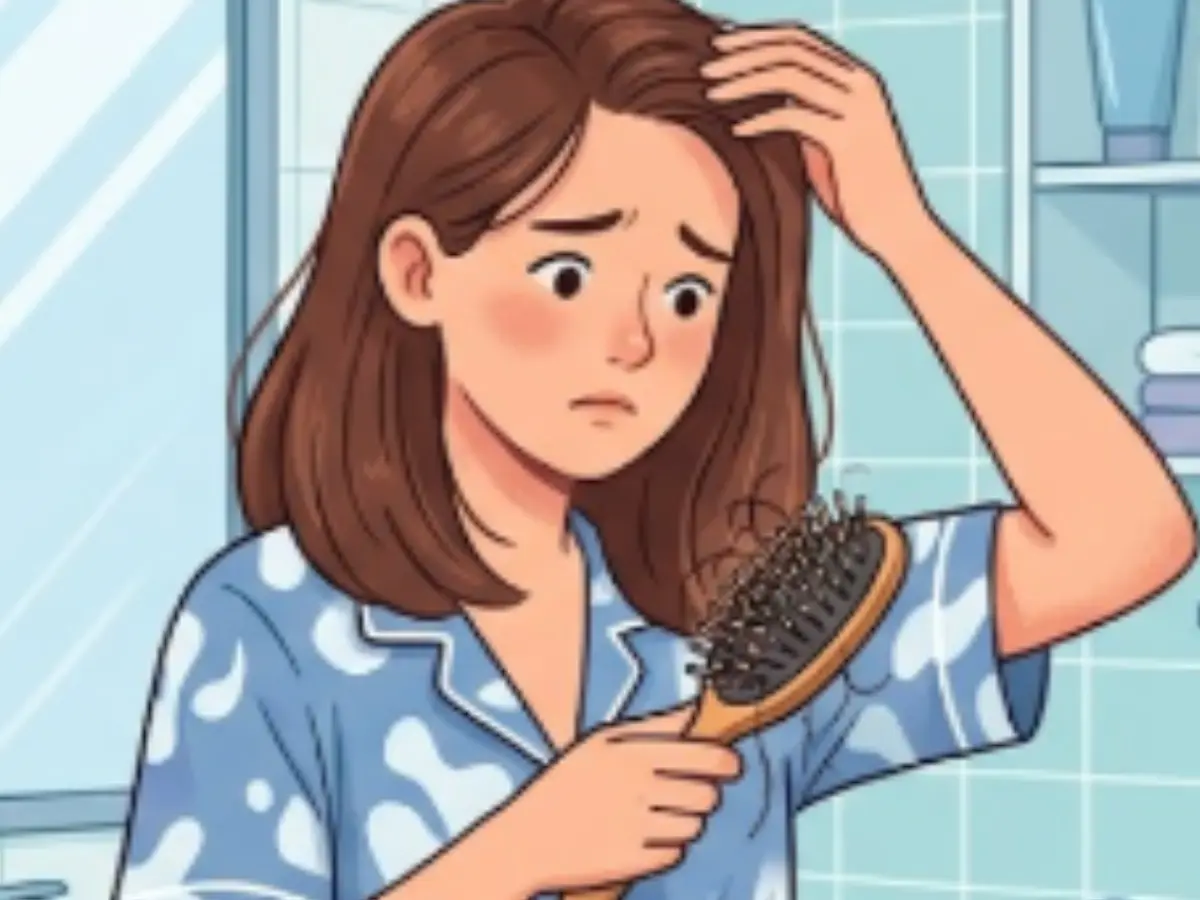
People naturally lose some hair every day as old hairs make room for new ones.
Losing about 50 to 100 hairs a day is usually normal.
Hair may temporarily shed more after sickness, stress, surgery, childbirth, weight loss or poor nutrition.
This extra shedding often improves when the cause is addressed.
Hair fall is different because the hair may become thinner and grow back less effectively.
Warning signs include bald spots, a widening part, a receding hairline or a persistently thinner scalp.
Itching, pain, scaling, inflammation or eyebrow loss are also reasons to see a doctor.
Doctors can look for causes such as nutritional problems, thyroid issues or hormonal changes before recommending treatment.

Losing about 50 to 100 hairs daily is generally considered a normal part of the hair-growth cycle.
Temporary increases in shedding may follow fever, illness, surgery, childbirth, stress, rapid weight loss, nutritional deficiencies, hormonal changes or some medications.
Progressive hair loss can involve thinning follicles, a widening part, receding hairline, reduced density or visible scalp.
Medical advice is recommended for sudden, extreme or persistent loss, bald patches, scalp inflammation, scaling, itching, pain or eyebrow loss.
Excessive shedding lasting more than three months should be evaluated by a qualified professional rather than treated through self-medication.
- Who
- People experiencing hair shedding or hair loss, with guidance from Dr. Mehak Gupta and Dr. Rinky Kapoor.
- What
- The article explains the difference between normal or temporary hair shedding and progressive hair loss, including when medical assessment may be needed.
- Where
- The medical guidance cited comes from Noida International Institute of Medical Sciences Medical College & Hospital in Greater Noida and QR678-related hair consultations.
- When
- Daily loss of about 50 to 100 hairs is generally normal; excessive shedding lasting more than three months or persistent thinning warrants consultation.
- Why
- To help people recognize normal hair-cycle shedding, identify warning signs and seek diagnosis for potentially treatable causes.
Key facts
- Normal daily shedding
- Approximately 50 to 100 hairs per day is generally considered normal.
- Temporary triggers
- Fever, illness, surgery, childbirth, emotional stress, rapid weight loss, nutritional deficiencies, hormonal changes and some medications can increase shedding.
- Progressive hair-loss signs
- A widening part, receding hairline, visible scalp, reduced density or persistent thinning may indicate changes in the hair follicle.
- Additional warning signs
- Bald patches, scalp inflammation, scaling, itching, pain or eyebrow loss should be medically evaluated.
- Associated symptoms
- Fatigue, weight changes and irregular menstruation may point to nutritional, thyroid or hormonal causes requiring diagnosis.
- Recommended timing
- Consult a qualified professional if excessive shedding lasts more than three months or if thinning continues.
- QR678 protocol
- The patent-pending protocol is described as using a Hair Biology Score and Hair Ageing Index to assess hair biology and monitor changes over time.
Quotes
Dr. Rinky Kapoor
Clinician Scientist and Research Mentor at QR678.
“Not all hair loss is the same. While shedding is a natural part of the hair cycle, persistent or progressive hair loss can signal changes within the hair follicle itself.”
 wionews.com
“Hair loss that is sudden, extreme, constant or associated with the visible thinning of the hair must be medically addressed.”
wionews.com
Sources
Related news
Expert Explains Whether Monsoon Really Causes Hair Fall

Nutritional Deficiencies Behind Hair Fall and How to Fix Them

Traya Says Internal Factors Drive Most Indian Hair Loss

Hair Spas Improve Hair Quality, Not Underlying Hair Fall

Traya Founder Explains How Stress and Bad Sleep Affect Hair
Indian Celebrities Embrace Hair Restoration as the Stigma Fades

Uttar Pradesh MSMEs Gain Gateway To German, European Markets

Teen Allegedly Gangraped on Moving Delhi Bus; Two Arrested

Noida Intensifies Bus Checks After Gang-Rape; Delhi, RTO Absent

Delhi University Women Students March for Safer Public Spaces

Fingerprints Found in Kashmere Gate Bus Gang-Rape Case