3 weeks ago
Popular Hair Restoration Treatments Compared: What Works and Why

People lose hair for different reasons, and there are many treatments to try.
Minoxidil is a medicine that has been used since the 1980s and helps some people grow hair back.
It works by waking up hair follicles, but if you stop using it, the hair may fall out again.
PRP is a treatment where doctors take a little of your blood, spin it, and inject it into your scalp to help hair grow.
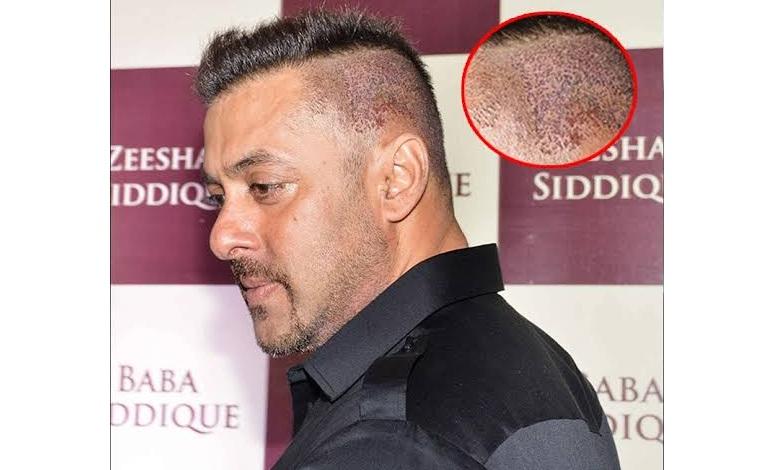
Hair transplant surgery moves healthy hair from the back of your head to thin areas, and that new hair stays.
But a transplant doesn't stop other hair from falling out, so doctors often suggest medicine too.
Lasers with red light can give hair cells a small boost, but they work best alongside other treatments.
Some treatments like hair botox only make hair look smoother and fuller and don't actually grow new hair.
Doctors say the best way to fix hair loss is to find out why it is happening first.
No single treatment works for everyone, so understanding the cause helps you pick the right one.

Minoxidil, an over-the-counter topical available since the 1980s, was originally developed as a blood pressure medication and works by widening blood vessels around the follicle.
PRP therapy uses a patient's own blood to inject concentrated platelets into the scalp and usually requires multiple sessions, with results varying by severity and individual response.
Hair transplant surgery, using techniques like FUE and FUT, is permanent for transplanted hair but does not stop ongoing hair loss unless the underlying cause is managed.
Low-level laser therapy (LLLT) uses red light to stimulate scalp cell activity and is considered safe, but its effects are modest and rarely sufficient as a standalone treatment.
Cosmetic treatments like hair botox improve texture and fullness but do not regrow hair, and experts say diagnosing the underlying cause matters more than the treatment chosen.
- Who
- People experiencing hair thinning and loss, hair restoration experts, clinics and brands such as Traya.
- What
- A comparison of popular hair restoration treatments, including minoxidil, PRP therapy, hair transplant surgery, laser therapy and cosmetic treatments.
- Where
- Not specified; treatments are offered in clinics and through at-home devices such as laser caps and combs.
- When
- Not specified in the article; it notes minoxidil has been available since the 1980s.
- Why
- To help readers choose the right treatment by understanding what each option does and the importance of addressing the underlying cause of hair loss.
Key facts
- Treatments covered
- Minoxidil, PRP therapy, hair transplant surgery, laser therapy (LLLT) and hair botox
- Minoxidil availability
- Over-the-counter topical solution or foam since the 1980s; originally a blood pressure medication
- PRP requirements
- Multiple sessions; can be expensive; results vary by severity and individual response
- Transplant techniques
- FUE (Follicular Unit Extraction) and FUT (Follicular Unit Transplantation)
- Transplant limitation
- Does not stop ongoing hair loss; requires healthy donor density
- Laser therapy
- Low-level red light; considered safe with low risk; modest effects as a standalone treatment
- Hair botox
- Cosmetic deep conditioning treatment; improves texture and reduces breakage; does not regrow hair
- Root causes cited
- Hormonal imbalances, nutritional deficiencies, gut health and stress
Quotes
N/A
Article statement
“No single treatment works for everyone because no two cases of hair loss are identical.”
 freepressjournal.in