2 weeks ago
PM Modi Urges Cutting Oil Dependence, Opens Offshore Exploration

India gets a lot of the oil it needs from other countries.
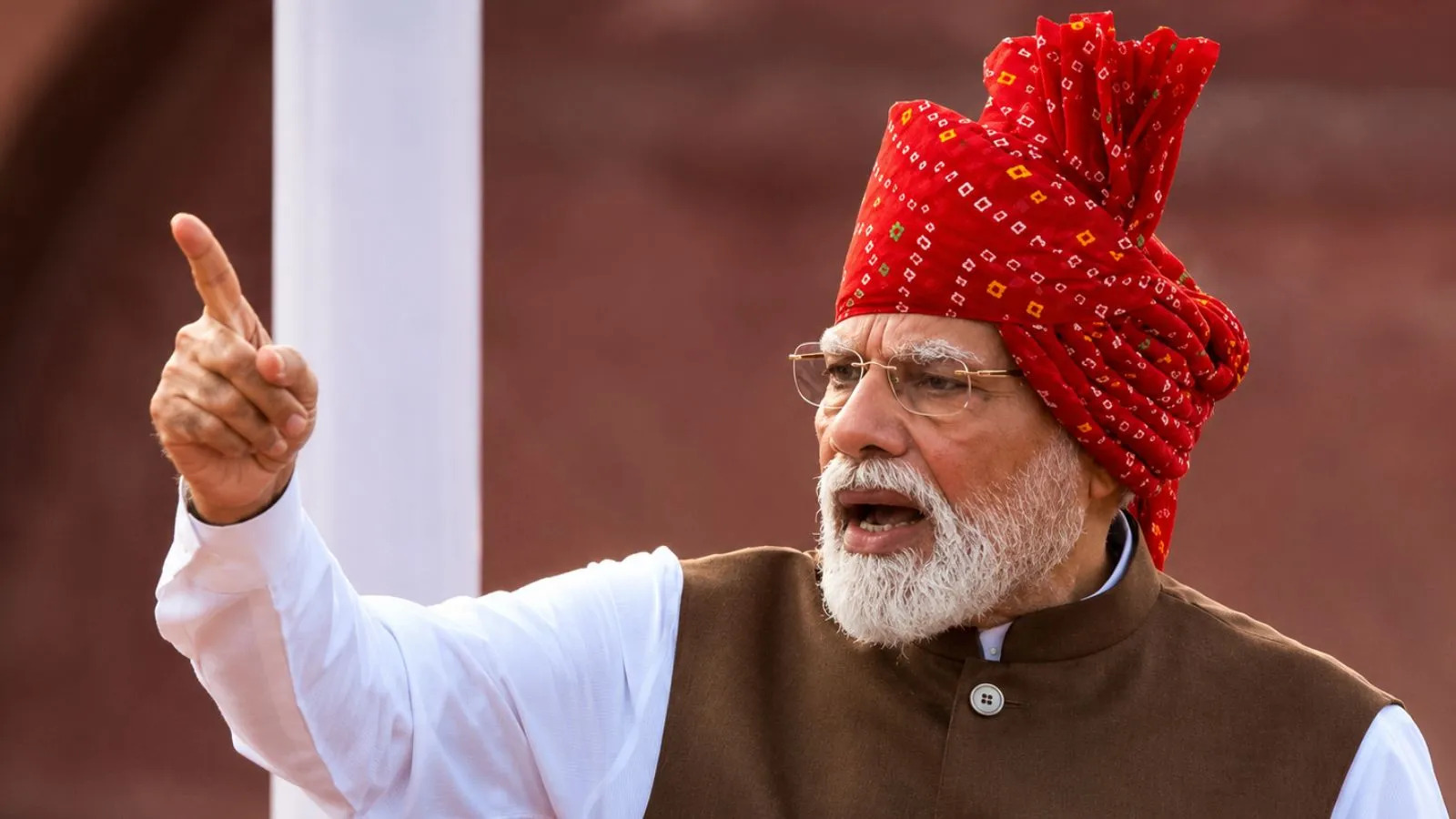
The leader of India, Prime Minister Modi, wants to change that.
He spoke from a famous place called the Red Fort on Independence Day.
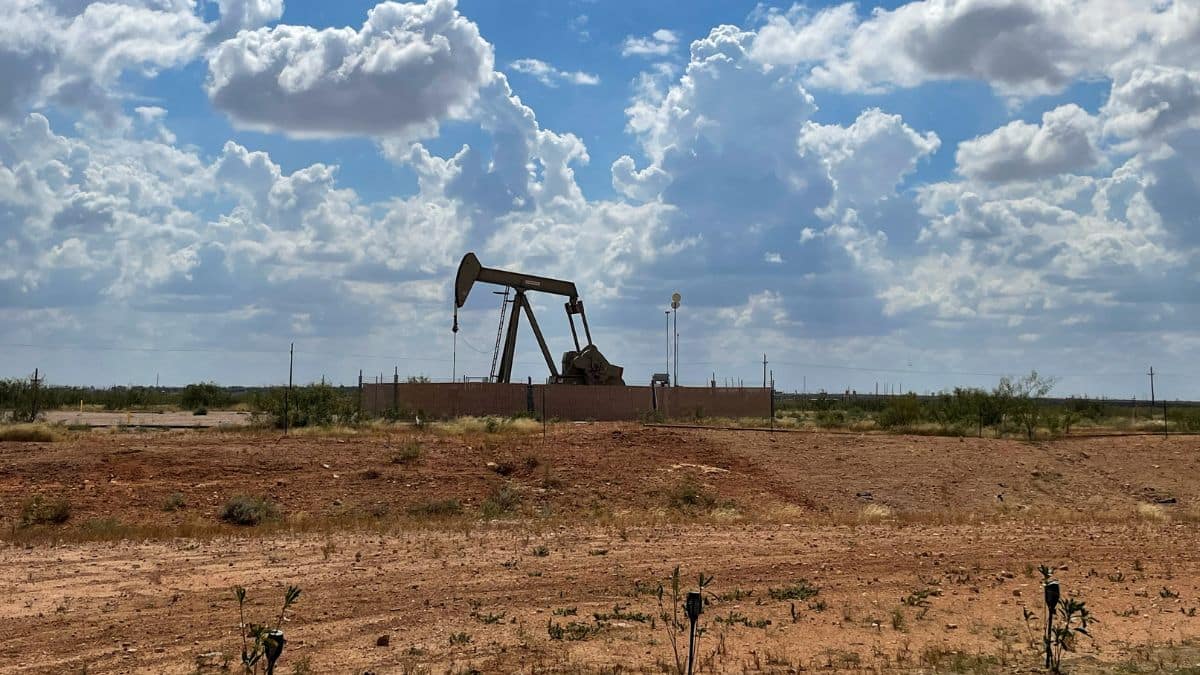
He said India should look for more oil and gas underneath the sea.
Before, almost all of the sea area near India was off-limits to explorers.
Now the government has opened those areas for searching.
He also wants more clean energy, like power from the sun, from nuclear reactors, and from piped gas.
India is building more nuclear reactors and adding lots of solar power.
India is also making computer chips, called semiconductors, so it does not have to buy so many from other countries.
These steps help India become stronger and more independent.

PM Modi urged India to cut its dependence on imported crude oil and boost domestic resource exploration.
Nearly 99% of India's offshore territory, previously classified as "no-go areas," has now been opened for exploration.
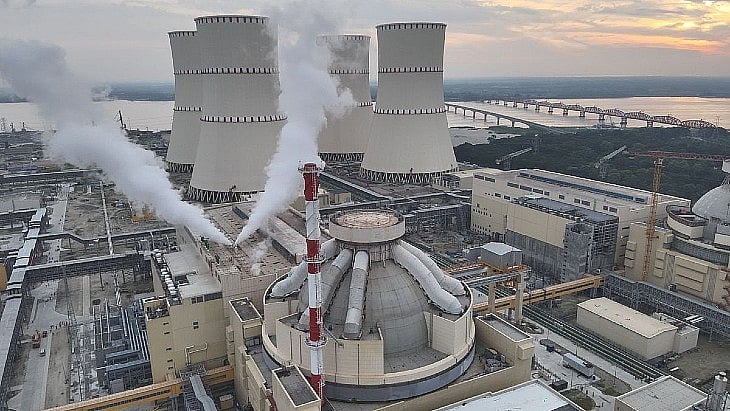
India is targeting 200 GW of nuclear energy and working on five new nuclear reactors.
Solar capacity has risen from about 2 GW 12 years ago to 160 GW, covering over 50 lakh households.
Three semiconductor plants have started operations, with five to eight more possible in the next seven to eight years.
- Who
- Prime Minister Narendra Modi
- What
- Called for cutting India's dependence on imported crude oil, opening offshore areas for exploration, and expanding nuclear, solar, and piped gas energy
- Where
- Red Fort, India
- When
- Independence Day (August 15)
- Why
- To strengthen energy security and advance the country's push for self-reliance
Key facts
- Event
- Independence Day address to the nation
- Location
- Red Fort
- Offshore area opened for exploration
- Nearly 99% of India's offshore territory
- Nuclear energy target
- 200 GW
- New nuclear reactors planned
- 5
- Solar capacity
- About 160 GW, up from ~2 GW 12 years ago
- Cities with piped gas
- ~700, up from ~70 before 2014
- Semiconductor plants operational
- 3
Sources
Related news

PM Modi: 99% 'no-go' coastal waters now open for exploration

PM Narendra Modi urges energy self-reliance amid resource weaponisation warnings
PM Modi Sets 100 GW Nuclear Energy Target by 2047
Modi pushes self-reliance, energy security, chips in Independence Day speech
India’s Samudra Manthan Funds Deepwater Exploration to Cut Oil Imports

India Taps 15 Countries for LNG, 41 for Crude Oil
Goyal Defends India’s 7.8% GDP Growth Amid Data Debate

Manipur Census Deferment Welcomed as Step Toward Public Aspirations
UPSC Key Covers SCO, Electoral Rolls, Economy, Defence and Climate

West Bengal CM Crushes Nearly 2 Lakh Seized Syrup Bottles

Modi Highlights India’s Growing Avocado Market and Farmer Gains