

1 week ago
India’s Samudra Manthan Funds Deepwater Exploration to Cut Oil Imports
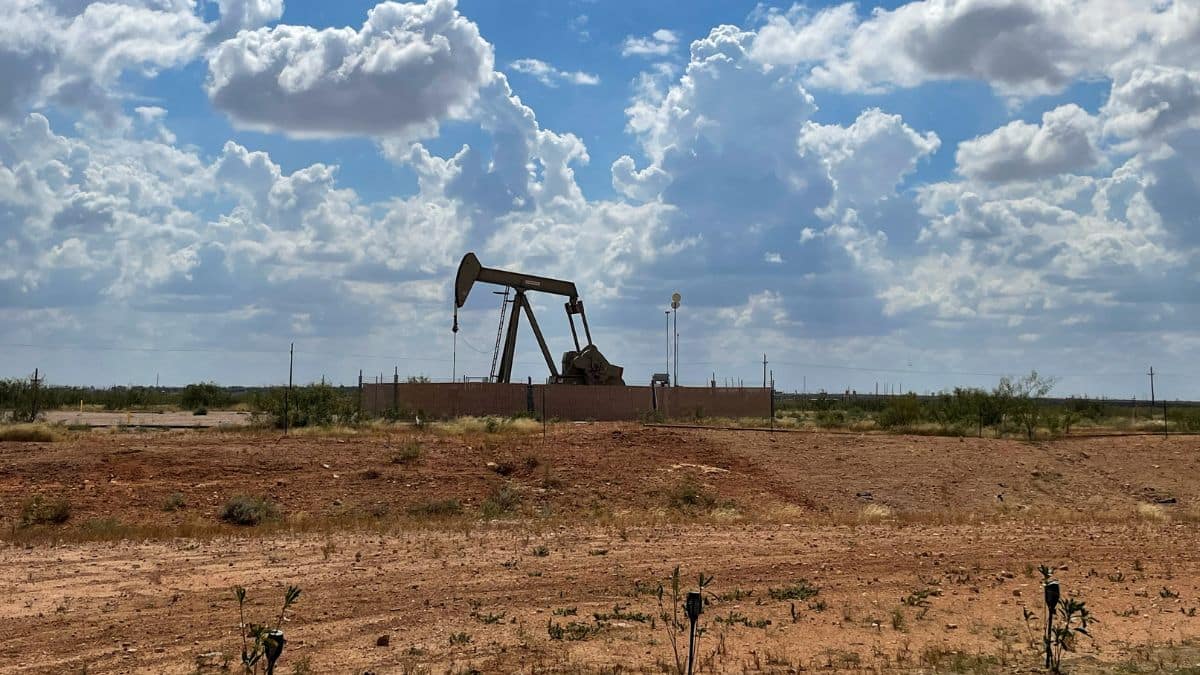
India imports most of the crude oil it uses, which can make energy expensive and vulnerable to global problems.
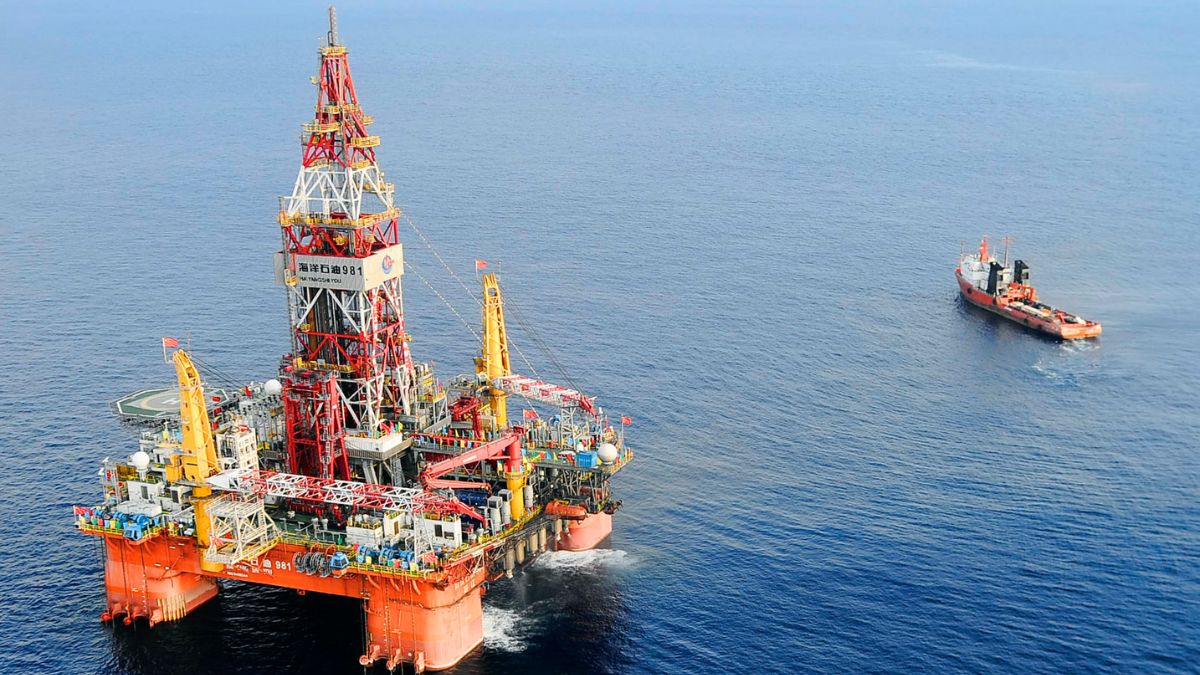
The government has launched a large programme called Samudra Manthan to search for more oil and gas under the sea.
It will pay for maps of the seabed, deepwater drilling and shared equipment.
The plan includes drilling 60 deepwater and ultra-deepwater wells.
Companies may receive help paying some drilling costs.
Shared facilities could make it easier to use discoveries that are expensive to develop.
The programme also aims to build more Indian companies and skills for offshore work.
However, finding oil does not guarantee that it can be produced profitably.
The biggest test will be whether the plan reduces imports and increases lasting domestic production.

India approved the Rs 84,084-crore Samudra Manthan scheme through FY2030-31.
The programme will fund seismic surveys, deepwater wells and shared offshore infrastructure.
More than 99% of previously restricted offshore areas have reportedly been opened for exploration.
Government assistance may cover up to 50% of eligible drilling costs, capped at Rs 675 crore per well.
The government targets higher domestic production, but commercial success remains uncertain and may take years.
- Who
- The Government of India, with state-run ONGC and Oil India expected to lead, alongside private and potentially global companies.
- What
- A Rs 84,084-crore National Offshore Exploration Scheme to expand seismic surveys, deepwater drilling, shared offshore infrastructure and domestic industry capabilities.
- Where
- India’s offshore Exclusive Economic Zone, including the Mahanadi, Kutch, Cauvery and Andaman basins.
- When
- Approved for Phase I through FY2030-31; the article also identifies July 25, 2026, as the start date of a Mahanadi appraisal well.
- Why
- To reduce dependence on imported crude, address declining domestic fields and develop difficult offshore resources.
Potential Benefits
Risks and Constraints
Energy security
Potential Benefits
More domestic production could reduce India’s exposure to geopolitical disruptions, global price swings and a crude import bill estimated at nearly $144 billion annually.
Risks and Constraints
The scheme cannot guarantee commercially recoverable reserves or immediate reductions in imports because offshore exploration is uncertain and production may take five to 10 years.
Public financial support
Potential Benefits
Government cost-sharing can improve the economics of expensive deepwater drilling and encourage both public and private exploration companies to participate.
Risks and Constraints
Deepwater wells can cost $125 million to $150 million each, and subsidies may produce limited returns if drilling fails or discoveries are too costly to develop.
Infrastructure and industrial development
Potential Benefits
Shared offshore facilities and a domestic manufacturing and services zone could lower project costs and build Indian technical capabilities.
Risks and Constraints
Existing discoveries have remained difficult to commercialise because production and evacuation infrastructure are expensive; building new capacity does not ensure that projects become viable.
Key facts
- Phase-I outlay
- Rs 84,084 crore through FY2030-31
- Seismic surveys
- Rs 28,534 crore for 2D and 3D surveys and older-data reprocessing
- Deepwater exploration
- Rs 43,200 crore, including 60 deepwater and ultra-deepwater wells
- Drilling support
- Up to 50% of eligible costs, capped at Rs 675 crore per well
- Offshore infrastructure
- Rs 10,000 crore for shared production and evacuation facilities
- Manufacturing and services
- Rs 2,000 crore for an integrated oil and gas industrial zone
- Import dependence
- The supplied material says India imports close to 88.5% of its crude consumption
Sources
Related news
Samudra Manthan: India's Offshore Oil Push Targets Energy Security

PM Modi: 99% 'no-go' coastal waters now open for exploration

BP Evaluates Indian Deepwater Blocks Under Samudra Manthan

ONGC Plans ₹1 Trillion Deepwater Push, Trading Unit

ONGC Explores Drillship Ownership, JV to Accelerate Offshore Exploration

Supreme Court Allows Oil India Fresh Plea On Drilling

OIL Green Energy Signs Haryana Waste-to-Energy Agreements

Haryana Signs MoUs for Four Waste-to-Energy Plants by 2028

Energy Leaders Launch MC²+ Ignite Deep-Tech Accelerator for India
