5 days ago
Closing Auction Session Faces Volatility Despite Hopes For Stability

India introduced a new way to decide stock prices at the end of each trading day.
It is called the Closing Auction Session, or CAS.
The system collects buy and sell orders and matches them at one price.
It was meant to make closing prices clearer and harder to manipulate.
However, some prices have moved very sharply during the auction.
Experts say this may happen because there are not enough orders, especially on the BSE.
SEBI has also accused two entities of influencing a Sensex auction through aggressive orders.
Some experts think the system needs more transparency, while others believe it will improve as more traders use it.
They expect the unusual volatility to decline after the market has more time to adjust.

India’s Closing Auction Session replaced VWAP on August 3 to determine official closing prices.
The system runs from 3:15 pm to 3:35 pm, with trades matched at a common price.
Experts say thin liquidity and concentrated orders can make prices more sensitive during the auction.
Dixon Technologies and Sensex options recorded unusually large price swings during early expiry sessions.
SEBI barred two entities and ordered them to deposit Rs 3.68 crore over alleged Sensex auction manipulation.
- Who
- The Securities and Exchange Board of India, traders, brokers, and market experts including representatives of Tradejini and HST Wealth.
- What
- The new Closing Auction Session is experiencing occasional sharp price swings and scrutiny over liquidity, price discovery, and possible manipulation.
- Where
- Indian stock exchanges, including the BSE and NSE, during their closing auction sessions.
- When
- CAS was introduced on August 3; SEBI announced action on August 19 over a Sensex session held on August 13, while other examples occurred on August 25 and August 27.
- Why
- The system was intended to produce more transparent closing prices and reduce volatility and manipulation, but thin liquidity and concentrated orders may increase price sensitivity.
Concerns About CAS
Arguments For CAS
Price stability and liquidity
Concerns About CAS
Traders and experts say thin volumes, particularly on the BSE, can make closing prices highly sensitive to individual orders and sudden changes in demand and supply.
Arguments For CAS
Supporters say broader and more diverse participation should deepen liquidity and make it harder for any single participant to influence prices.
Price discovery versus manipulation
Concerns About CAS
The sharp indicative-equilibrium-price spikes during the Sensex auction raised concerns that a thin auction window could create opportunities for manipulation.
Arguments For CAS
CAS was introduced to make closing prices more transparent and reduce volatility and manipulation compared with the previous system.
Readiness of the system
Concerns About CAS
Critics say early expiry sessions exposed questions about liquidity, transparency, order flows, and differences between Sensex and Nifty performance.
Arguments For CAS
Experts describe CAS as a work in progress and say the system has operated for only about 20 trading days, leaving time for participants and exchanges to calibrate it.
Key facts
- CAS trading window
- The Closing Auction Session runs from 3:15 pm to 3:35 pm.
- Transition period
- The first five minutes, from 3:15 pm to 3:20 pm, are used to calculate the reference price and transition to the auction.
- Previous system
- CAS replaced the earlier Volume Weighted Average Price System, or VWAP.
- SEBI action
- SEBI barred Copthall Mauritius Investment and Mansi Share and Stock Broking from accessing the securities market.
- Amount ordered deposited
- The two entities were ordered to deposit Rs 3.68 crore combined over alleged manipulative trading.
- Option price example
- Dixon Technologies’ 15,000 call option moved from Rs 2.65 to Rs 104.90 before closing at Rs 0.05 on August 25.
- Expert outlook
- Experts said CAS could become more stable as participation and liquidity increase, with some expecting improvement within two to three months.
Quotes
Hariselvan Radhakrishnan
Founder and CEO of HST Wealth
“Larger and more diverse participation generally makes it harder for any single participant to influence prices. As participation increases and liquidity deepens, we may see the mechanism normalise.”
 businesstoday.in
“Movements of this magnitude and speed are certainly unusual and warrant closer examination.”
businesstoday.in
Sources
Related news
SEBI Keeps Closing Auction Session Unchanged Amid Expiry Volatility
Sensex Swings 2,200 Points During BSE Closing Auction
Sensex CAS Concerns Grow as Thin Liquidity Exposes Market Vulnerabilities
SEBI Fines Two Firms Over Closing Auction Manipulation

India’s New Closing Auction Draws Praise and Market Concerns
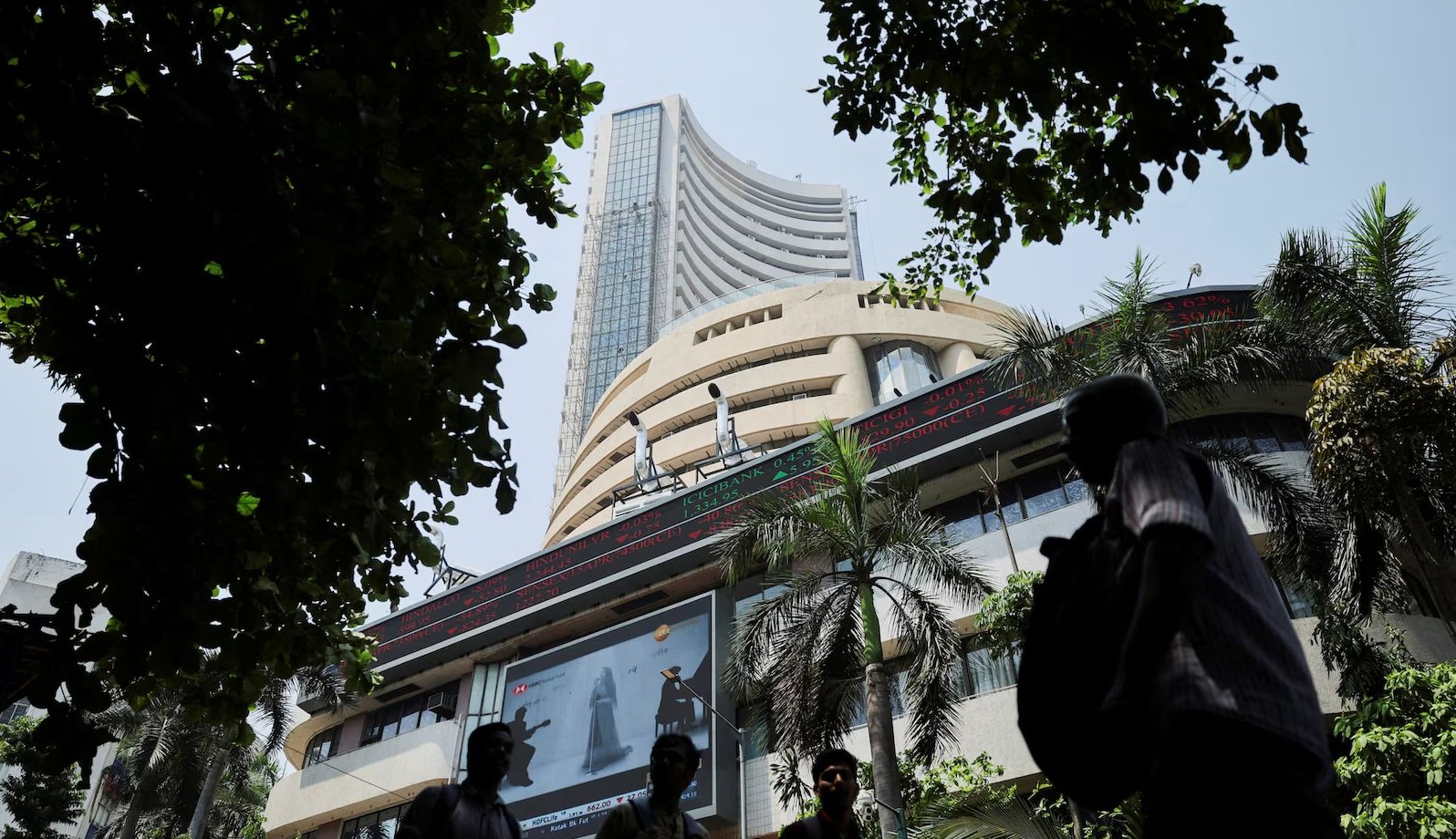
India's Markets Fall as New Closing Auction System Unsettles Traders

India’s Semicon 2.0 Push Creates Four Distinct Business Paths

Dixon, Amber Promoters Explore Investment in Lava Expansion

Delhi Government Partners With Private Sector for Urban Makeover

Motilal Oswal Favors Data Centres, Defence and Transmission Stocks

Jefferies Favors Kaynes as India Advances Electronics Component Manufacturing