0 months ago
India's Markets Fall as New Closing Auction System Unsettles Traders
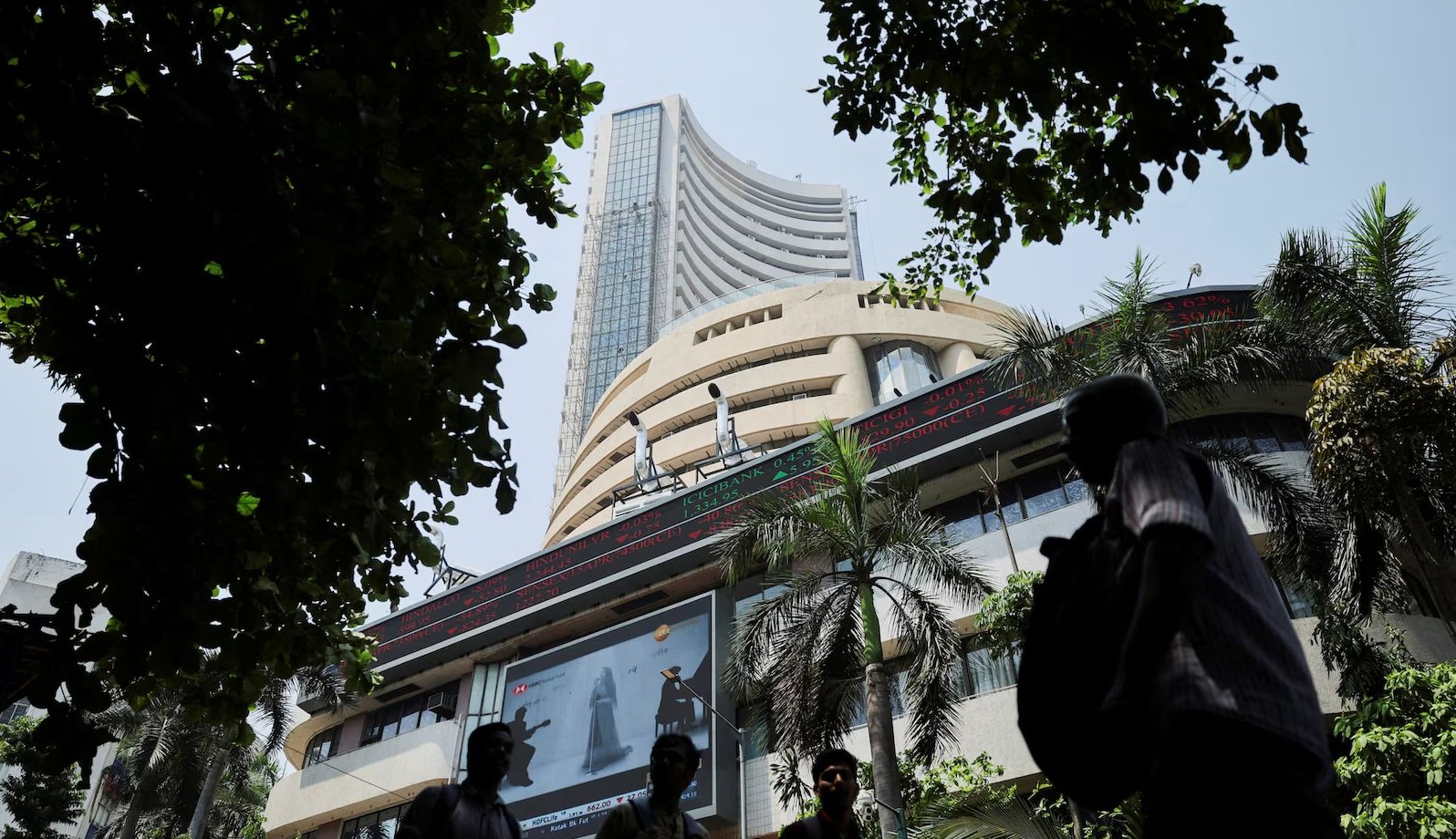
Every day, the stock market picks a final price for each stock.
In India, this used to be figured out from the last half hour of trading.
Starting August 3, India changed to a new way, called a Closing Auction Session.
It is like a final round where buyers and sellers place their last offers in a separate 20-minute window.
The catch is that traders cannot watch prices move in real time during this auction.
So the official closing price can surprise them and be very different from the price they saw earlier.
This matters a lot because contracts called futures and options are paid out based on the closing price.
Because of this uncertainty, stock prices swung around wildly on Wednesday, and the market fell.
The new system is meant to make prices fairer and harder to manipulate.
Many experts think the market will calm down as everyone gets used to it.

India's Sensex jumped around 450 points in early trade on Wednesday but reversed to fall about 125 points by 2:23 pm.
The Reserve Bank of India kept the repo rate unchanged at 5.25 percent, and crude oil prices eased on the day.
SEBI's Closing Auction Session (CAS), in effect from August 3, replaced the old volume-weighted average price of trades in the final 30 minutes for F&O stocks.
Under CAS, continuous cash trading ends at 3:15 pm and a 20-minute auction collects orders to discover a single equilibrium closing price, with limited real-time visibility for traders.
Traders worry closing prices can differ sharply from intraday levels and affect derivatives settlements, though SEBI is not planning an immediate review.
- Who
- Indian stock market traders, retail investors and institutions, along with regulator SEBI and the exchanges NSE and BSE that introduced the new system
- What
- India's benchmark indices reversed early gains as traders adjusted to the new Closing Auction Session (CAS) mechanism that determines official closing prices
- Where
- India's stock markets, including the Nifty 50 and the BSE Sensex
- When
- Wednesday, after the Closing Auction Session took effect from August 3
- Why
- The auction reduces real-time visibility into final prices, creating uncertainty because futures and options contracts settle at the official closing price
Design Intent of the New System
Market Reaction to the Rollout
Purpose of the auction
Design Intent of the New System
The Closing Auction Session is designed to make price discovery more robust, reduce end-of-session manipulation, and align India with global market practices.
Market Reaction to the Rollout
The rollout has exposed significant operational and liquidity challenges, unsettling traders and raising concerns over fair price discovery, hedging efficiency and settlement risk.
Effect on volatility
Design Intent of the New System
Market participants expect the distortions and price discrepancies to reduce as traders, brokers and institutions become more familiar with the mechanism.
Market Reaction to the Rollout
The new mechanism has already contributed to unusual price swings and a rare divergence between the Nifty 50 and the BSE Sensex.
Next steps
Design Intent of the New System
Regulators are not planning an immediate review and expect the market to adjust as liquidity in the auction improves.
Market Reaction to the Rollout
Participants are watching closely whether liquidity improves as traders adapt or whether regulators and exchanges introduce refinements to address the early distortions.
Key facts
- Sensex movement
- Jumped ~450 points, then fell ~125 points by 2:23 pm
- RBI repo rate
- Unchanged at 5.25 percent
- Regulator
- Securities and Exchange Board of India (SEBI)
- New mechanism
- Closing Auction Session (CAS) effective August 3 for F&O stocks
- Auction duration
- 20 minutes, after continuous trading ends at 3:15 pm
- Old system
- Volume-weighted average price (VWAP) of trades in the final 30 minutes
- Derivatives impact
- Futures and options contracts settled using official closing prices
- Regulator stance
- No immediate review planned; expects the market to adjust
Quotes
Abhishek Bhilwaria
Partner at BhilwariaFinserv, AMFI registered MFD
“While the objective of the Closing Auction Session (CAS) is to improve price discovery and align India with global market practices, the rollout has exposed significant operational and liquidity challenges.”
 NDTV
NDTV
Sources
Related news

Nifty Closing Auction Gap Narrows as Markets Adapt

Closing Auction Session Faces Volatility Despite Hopes For Stability

SEBI Finds No Manipulation In New Closing Auction System

PVR Inox Buyback: September 3 Last Day to Buy

Augmont Enterprises Rises Despite Gold-Buying Appeal and Market Risks

BSE Shares Fall as New Closing Auction Session Draws Scrutiny

Spice Lounge Food Works Stock Hits Upper Circuit Amid Crash

Indian Stocks Slide as Oil, Conflict and Yields Rise