1 week ago
SEBI Fines Two Firms Over Closing Auction Manipulation
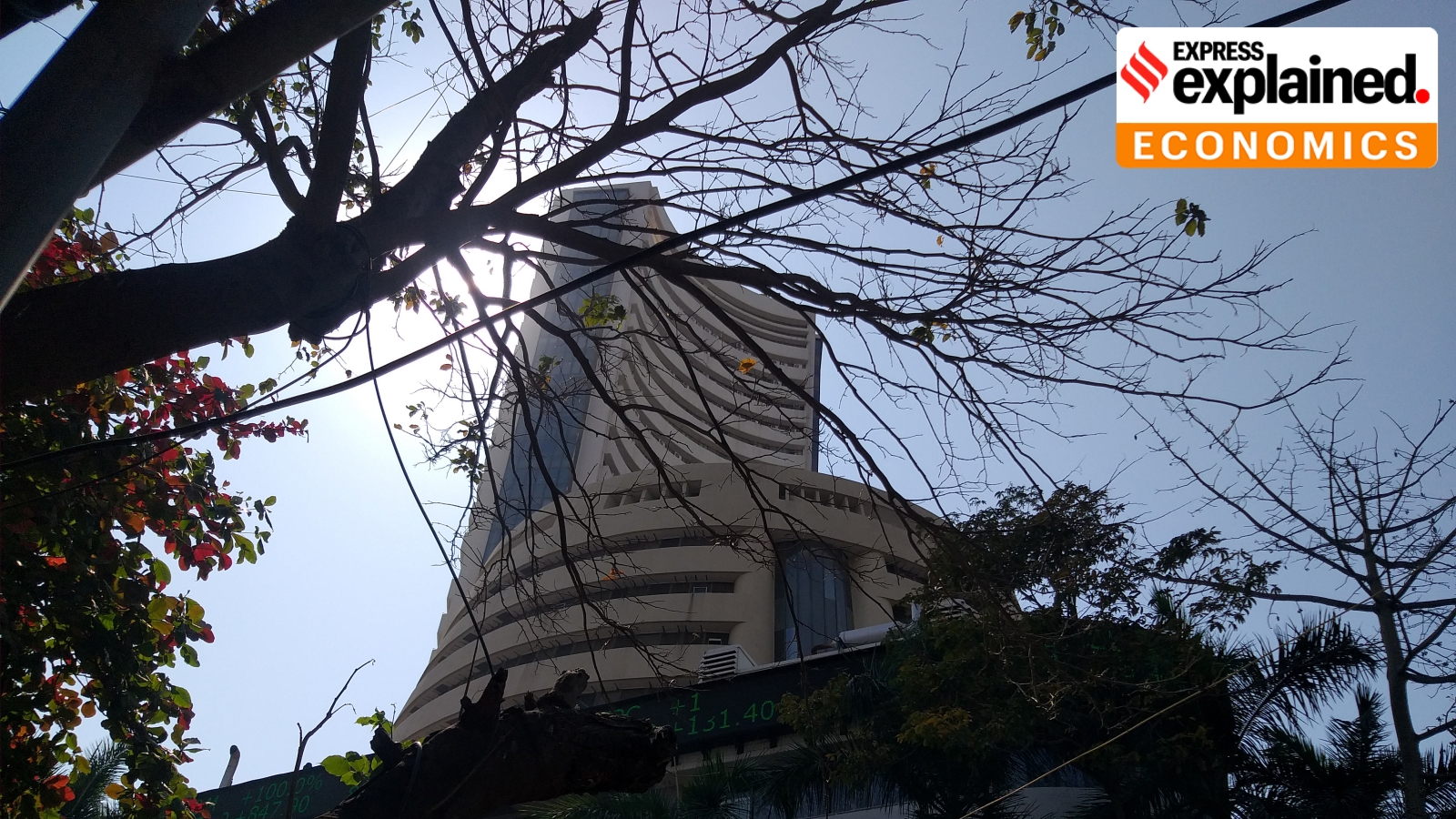
The Closing Auction Session is a special period used to decide some stocks’ final prices each day.
Normal trading stops at 3:15 p.m., and the auction runs until the exchange closes it randomly near 3:30 p.m.
This random ending is meant to stop traders from manipulating prices at the last second.
On August 13, SEBI noticed that the Sensex’s expected closing price jumped suddenly several times.
Copthall placed many large buy orders near the highest allowed price and cancelled many of them after the price rose.
Mansi placed many large sell orders near the lowest allowed prices and cancelled them very quickly.
SEBI said these actions changed the expected Sensex price and helped the firms’ derivatives positions.
The regulator fined both firms and banned them from participating in the market.

The Closing Auction Session halts normal trading at 3:15 p.m. and runs until exchanges randomly close it between 3:28 and 3:30 p.m.
SEBI flagged three sharp spikes in Sensex’s indicative price during 42 seconds of the CAS on August 13, a weekly derivatives-expiry day.
Copthall Mauritius Investment placed 85–99% of the aggressive buy-order value during the spikes, with many orders later cancelled.
Mansi Share and Stock Broking placed ₹145.65 crore in aggressive sell orders and cancelled them within three seconds, temporarily suppressing the indicative price.
SEBI imposed a combined ₹3.7 crore penalty and market-participation bans, calculating wrongful gains of ₹2.96 crore for Copthall and ₹71.64 lakh for Mansi.
- Who
- SEBI accused Mansi Share and Stock Broking and Copthall Mauritius Investment of manipulating the Closing Auction Session.
- What
- The firms allegedly used large, aggressive orders that were subsequently cancelled to influence the Sensex’s indicative closing price.
- Where
- The activity occurred in India’s securities market through the Sensex Closing Auction Session.
- When
- The suspicious trading occurred on August 13; SEBI issued its interim order later that Wednesday.
- Why
- SEBI said the trades interfered with fair price discovery; the firms’ derivatives positions indicated they could benefit from higher or lower Sensex closing prices.
Key facts
- CAS trading window
- Normal trading stops at 3:15 p.m.; the Closing Auction Session runs until a random exchange closure between 3:28 and 3:30 p.m.
- Covered securities
- The CAS currently applies to stocks with available futures and options contracts.
- Trigger for investigation
- SEBI detected three Sensex indicative-price spikes lasting a combined 42 seconds on August 13.
- Copthall orders
- Copthall accounted for 85–99% of aggressive buy-order value during the three spike periods.
- Mansi orders
- Mansi placed aggressive sell orders worth ₹145.65 crore and cancelled them within three seconds.
- Penalty
- SEBI imposed a combined ₹3.7 crore penalty and banned both entities from market participation.
- Wrongful gains calculated
- SEBI calculated ₹2.96 crore for Copthall and ₹71.64 lakh for Mansi.
Quotes
SEBI Whole‑Time Member Kamlesh Chandra Varshney
Regulatory official overseeing SEBI’s enforcement
“If you are placing such high‑volume orders just to cancel it moments later, it clearly reflects some ulterior motive. It shows that you want to influence the price by the sudden high volumes at extremely high or low prices, thus dictating the market.”
 indianexpress.com
“Any manipulation or unfair practices employed to disturb the fair discovery of prices in CAS has to be dealt with sternly by the regulator”
indianexpress.com
Sources
Related news

SEBI Blocks Two Entities Over Alleged Sensex Auction Manipulation

SEBI Bans Two Entities Over Alleged Closing Auction Manipulation
India Bars JPMorgan Unit Over Alleged Closing Auction Manipulation
SEBI Warns Immediate Action Against Closing Auction Manipulation

Closing Auction Session Faces Volatility Despite Hopes For Stability
SEBI Finds No Manipulation In New Closing Auction System

SEBI Seeks Clarification Before Advancing NSE IPO Approval

MSCI Rebalance Drives Record NSE Closing Auction Turnover
SEBI Seeks Clarifications Before Deciding on NSE IPO
Somaiya urges SEBI to suspend and redesign CAS
Kirit Somaiya Urges SEBI to Suspend and Redesign CAS