1 week ago
Sensex CAS Concerns Grow as Thin Liquidity Exposes Market Vulnerabilities
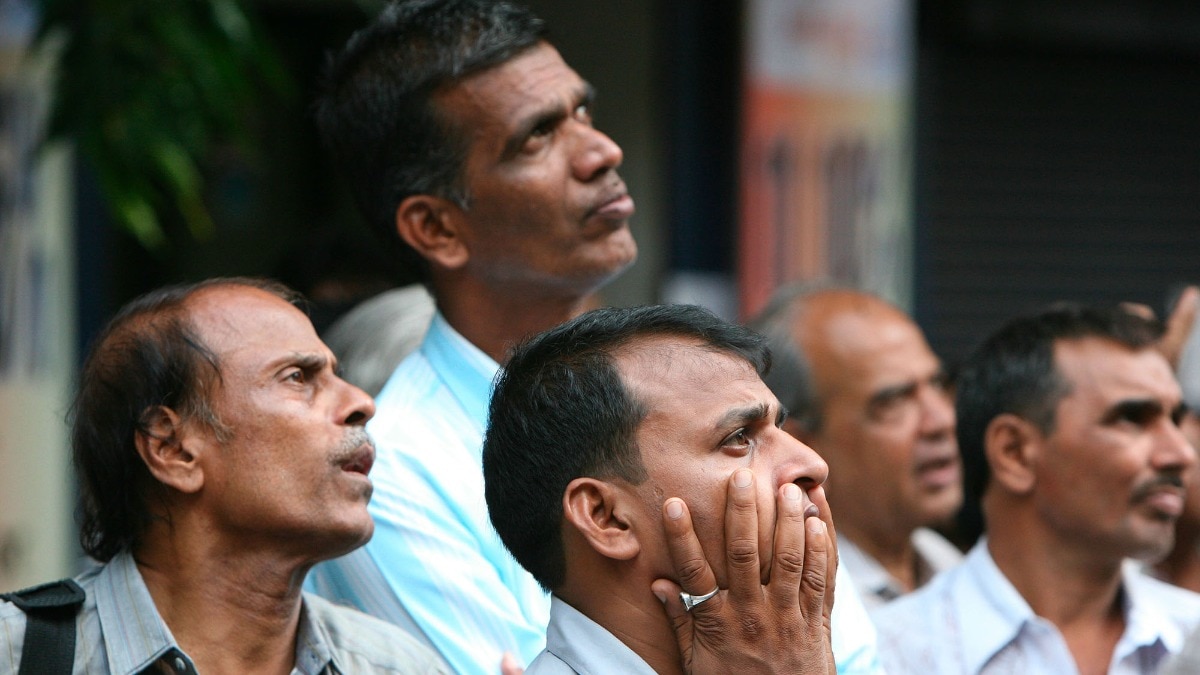
India uses a closing auction to help decide the final price of the Sensex.
That price is also used to settle many futures and options contracts.
On some days, very little trading happened during the auction on the Bombay Stock Exchange.
This means a small number of orders could potentially move the official closing price more than usual.
SEBI noticed several very large and quick price changes during the August 13 auction.
It also found that one entity made most of the buying and another cancelled almost all of its sell orders.
SEBI has banned two entities temporarily while it investigates whether their orders affected prices.
Experts disagree about whether the auction system itself should be changed, but many say it needs better safeguards and more traders.
SEBI’s chairperson has said the system will remain, while allowing for possible improvements.

NSE recorded Rs 1,276.20 crore in closing-auction turnover on August 3, while BSE recorded Rs 10.8 crore.
SEBI flagged sharp indicative-price spikes during the Sensex closing auction on August 13, including a 405.08-point rise in 28 seconds.
Copthall Mauritius Investment Ltd accounted for 86.6% of gross buy value, while another broker cancelled 99.06% of its sell orders.
SEBI temporarily barred two entities from the market and ordered the impounding of Rs 3.68 crore.
Analysts say CAS needs stronger surveillance, deeper participation and safeguards so closing prices better reflect genuine market equilibrium.
- Who
- The Securities and Exchange Board of India, BSE, market analysts, traders and entities including Copthall Mauritius Investment Ltd and Mansi Share and Stock Broking Private Ltd.
- What
- SEBI flagged and investigated potentially influential order activity during the Sensex closing auction, then temporarily barred two entities and ordered Rs 3.68 crore to be impounded.
- Where
- The activity occurred in the BSE closing auction for the Sensex in India’s financial markets.
- When
- The first closing-auction day was August 3; the unusual Sensex activity occurred on August 13, 2026, and SEBI’s action followed the investigation.
- Why
- The closing price is used to settle large derivatives positions, so thin liquidity, concentrated orders and cancellations could create a risk that a small amount of trading disproportionately affects the benchmark.
Critics and Market Participants
Regulators and CAS Supporters
Whether thin liquidity threatens price discovery
Critics and Market Participants
Analysts and market participants argue that a lightly traded cash-market close can be disproportionately influenced by a few orders, affecting derivatives whose notional value is much larger.
Regulators and CAS Supporters
The concerns justify closer surveillance and safeguards, but the reported activity does not by itself establish manipulation, and regulators have not said that CAS must be abandoned.
Whether CAS should continue
Critics and Market Participants
Critics say the mechanism has created uncertainty for option sellers, market makers and high-frequency traders, contributing to weaker volumes, lower open interest and inflated closing premiums.
Regulators and CAS Supporters
SEBI chairperson Tuhin Kanta Pandey has said CAS is here to stay while indicating that the mechanism can be tweaked or improved.
How to address the problem
Critics and Market Participants
Analysts including Nithin Kamath say India lacks enough committed participants, arbitrageurs and market makers to provide deep two-sided liquidity across cash, futures, ETFs and closing auctions.
Regulators and CAS Supporters
BSE-related commentary and analysts support better alignment between cash and derivatives closing mechanisms, along with stronger monitoring and broader participation, rather than necessarily eliminating the auction.
Key facts
- August 3 auction turnover
- NSE recorded Rs 1,276.20 crore, while BSE recorded Rs 10.8 crore.
- Largest price movement
- The Sensex indicative equilibrium price rose 405.08 points in 28 seconds during the August 13 closing auction.
- Buy concentration
- Copthall Mauritius Investment Ltd accounted for 86.6% of gross buy value.
- Order cancellations
- Copthall cancelled 10,38,201 shares, or 32.79% of its buy order quantity; Mansi Share and Stock Broking cancelled 99.06% of its sell orders.
- SEBI action
- SEBI temporarily barred two entities from the market and ordered the impounding of Rs 3.68 crore.
- BSE options activity
- Nirmal Bang reported a 12% decline in BSE options average daily traded value in August after CAS implementation.
- SEBI position
- Chairperson Tuhin Kanta Pandey said CAS would remain but could be adjusted if monitoring and stakeholder feedback showed a need.
Quotes
Pradyun Chakravarty
Partner at King Stubb & Kasiva, Advocates and Attorneys
“Going forward, the credibility of CAS will depend on strengthening surveillance around expiry days, improving participation and ensuring that the price-setting volume is sufficiently representative of the broader market. The objective should be to ensure that the official closing price reflects genuine market equilibrium rather than becoming a relatively low-cost lever for influencing much larger derivative exposures.”
 businesstoday.in
“In such circumstances, even a relatively small price movement in a few index constituents can have an outsized economic impact on derivative positions. That does not, by itself, establish manipulation, but it creates a clear incentive for regulatory scrutiny”
businesstoday.in
Sources
Related news

Closing Auction Session Faces Volatility Despite Hopes For Stability
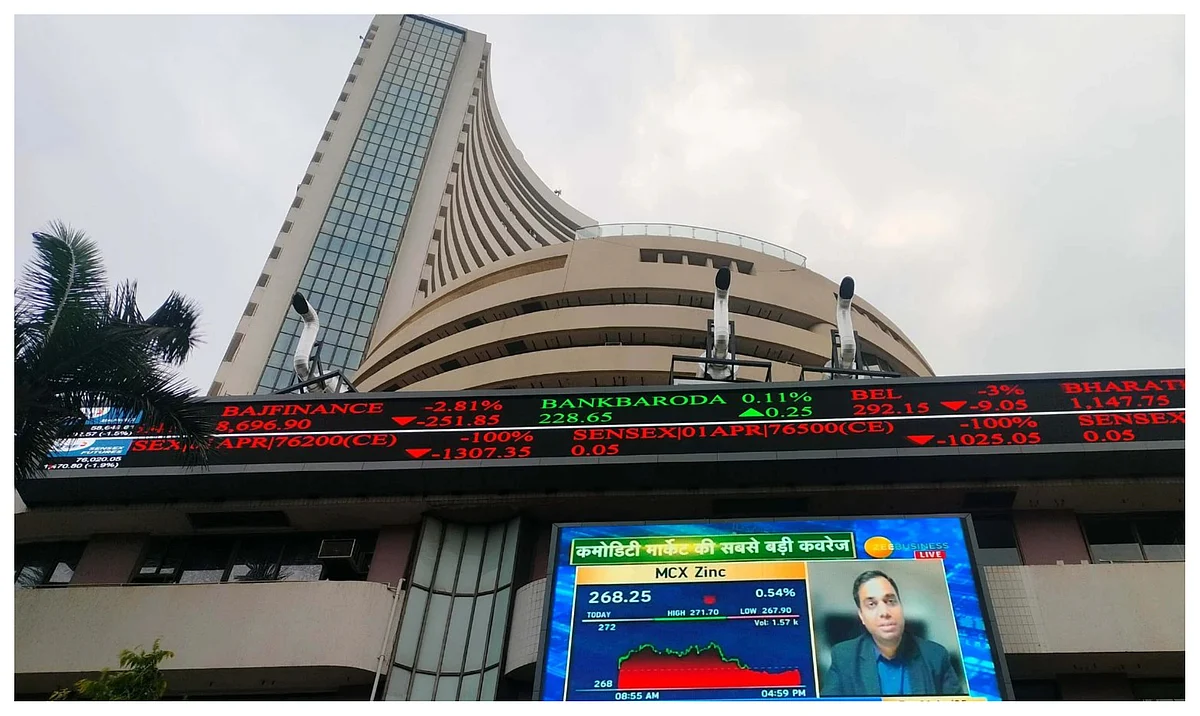
Sensex Swings 2,200 Points During BSE Closing Auction

SEBI Keeps Closing Auction Session Unchanged Amid Expiry Volatility
Kirit Somaiya Urges SEBI to Suspend and Redesign CAS

UK Sinha Says SEBI Needed More Preparation for Closing Auction
SEBI Examines Closing Auction Trades After Nifty Swings Raise Concerns

PVR Inox Buyback: September 3 Last Day to Buy

Augmont Enterprises Rises Despite Gold-Buying Appeal and Market Risks

BSE Shares Fall as New Closing Auction Session Draws Scrutiny

Spice Lounge Food Works Stock Hits Upper Circuit Amid Crash

Indian Stocks Slide as Oil, Conflict and Yields Rise