2 days ago
India’s ₹62,500-Crore Mobile PLI 2.0 Targets Dixon and Amber
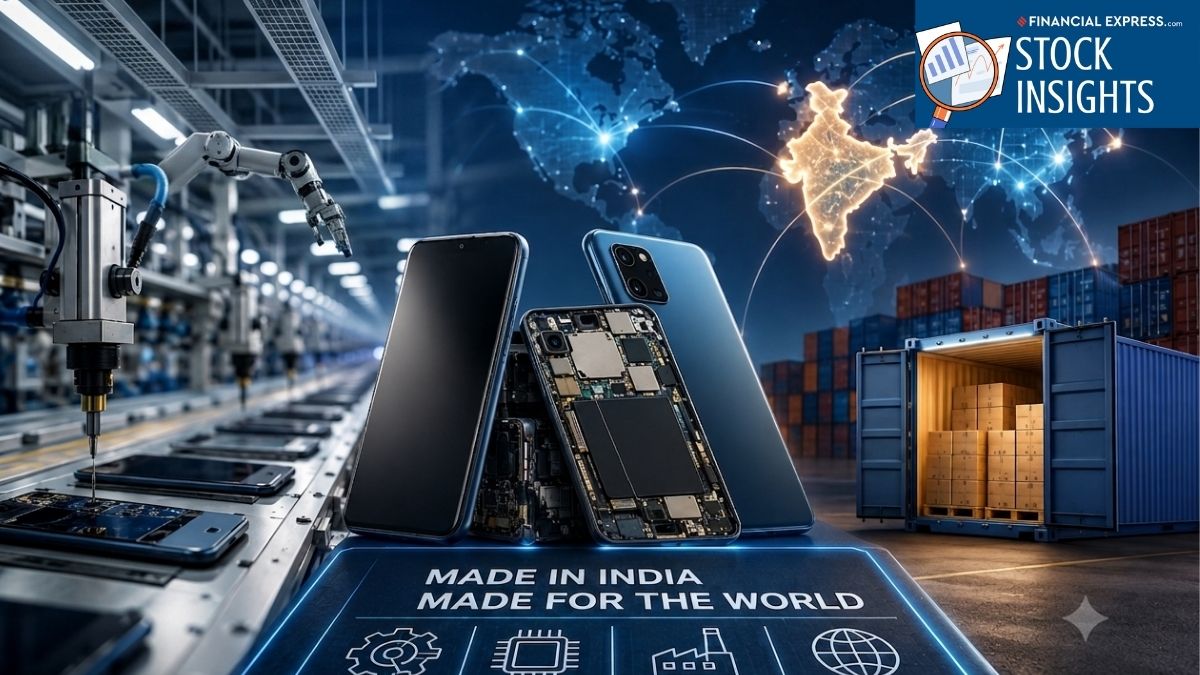
India wants to make more mobile phones and produce more of their parts locally.
Its new PLI 2.0 scheme could provide ₹62,500 crore between FY27 and FY31.
The plan rewards phone makers for sales, exports, Indian design, research, and local sourcing.
Dixon Technologies is already a large phone manufacturer and expects the scheme to support more exports.
It is also expanding production of camera modules and displays.
Amber Enterprises is newer to mobile manufacturing and is working with Oppo Mobiles.
Amber plans to start commercial production in FY28 and increase its output in FY29.
Dixon starts with a much larger business, while Amber is trying to build a new one.
The article presents both companies as potential beneficiaries but says it is not an investment recommendation.

India’s new Mobile Phone Manufacturing Scheme proposes ₹62,500 crore in incentives from FY27 to FY31.
Mobile phone production rose from ₹18,900 crore in FY15 to ₹6.3 lakh crore in FY26, while exports reached ₹2.6 lakh crore.
Dixon Technologies reported ₹14,179 crore in Q1 FY27 mobile and other EMS revenue and manufactured 75 lakh smartphones.
Amber Enterprises plans trial production in Q4 FY27 and commercial production in Q1 FY28 through its partnership with Oppo Mobiles.
Dixon is targeting higher exports and localization, while Amber aims to increase mobile volumes and local value addition over time.
- Who
- The Indian government, Dixon Technologies, Amber Enterprises, and their manufacturing and brand partners.
- What
- The government is introducing Mobile Phone Manufacturing Scheme, or PLI 2.0, while Dixon and Amber pursue different mobile manufacturing opportunities.
- Where
- India, including Dixon’s new facility in Noida and Amber’s existing facility operated under a sublease arrangement with Oppo India.
- When
- PLI 2.0 is planned for FY27 through FY31; Dixon’s Vivo joint venture is expected to be consolidated from Q3 FY27, and Amber’s commercial production is planned for Q1 FY28.
- Why
- The scheme aims to increase mobile production, exports, domestic sourcing, and the value of components manufactured in India.
Dixon Technologies’ Scale Case
Amber Enterprises’ Expansion Case
Current position
Dixon Technologies’ Scale Case
Dixon already operates a large Mobile & Other EMS division, manufactured 75 lakh smartphones in Q1 FY27, and expects PLI 2.0 to support additional export volumes.
Amber Enterprises’ Expansion Case
Amber is entering mobile manufacturing through its collaboration with Oppo Mobiles and is starting with a smaller, asset-light operation.
Growth opportunity
Dixon Technologies’ Scale Case
Dixon estimates PLI 2.0 could add 1.5–2 crore export units and ₹18,000–20,000 crore of revenue over the next few years.
Amber Enterprises’ Expansion Case
Amber targets approximately 80 lakh units in FY28 and 1.3–1.6 crore units in FY29 as its operations stabilize and expand.
Value addition
Dixon Technologies’ Scale Case
Dixon is expanding camera-module capacity and plans to begin mass production of displays, which could support greater localization and incentive capture.
Amber Enterprises’ Expansion Case
Amber plans to add HDI printed circuit boards and other components, targeting 35%–40% local value addition over five to six years, compared with 10%–12% in mobile assembly.
Key facts
- PLI 2.0 outlay
- ₹62,500 crore from FY27 to FY31
- TS1 incentive
- A differentiated incentive ranging from 2.25% to 5% for eligible mobile manufacturers
- TS2 incentive
- A 5% incentive for eligible Indian brands, plus an additional 3% for Indian design and research and development
- Localization incentive
- Both segments may receive up to an additional 1.5% for domestic sourcing of key components
- Dixon Q1 FY27 mobile revenue
- ₹14,179 crore, compared with ₹11,663 crore in Q1 FY26
- Dixon Q1 FY27 production
- 75 lakh smartphones, including 6–7 lakh exported units
- Amber FY28 target
- Approximately 80 lakh mobile units, increasing to 1.3–1.6 crore units in FY29
Sources
Related news
Dixon Emerges as Key Beneficiary of India’s Smartphone PLI 2.0
India Launches Rs 62,500-Crore Mobile Production Scheme for Brands
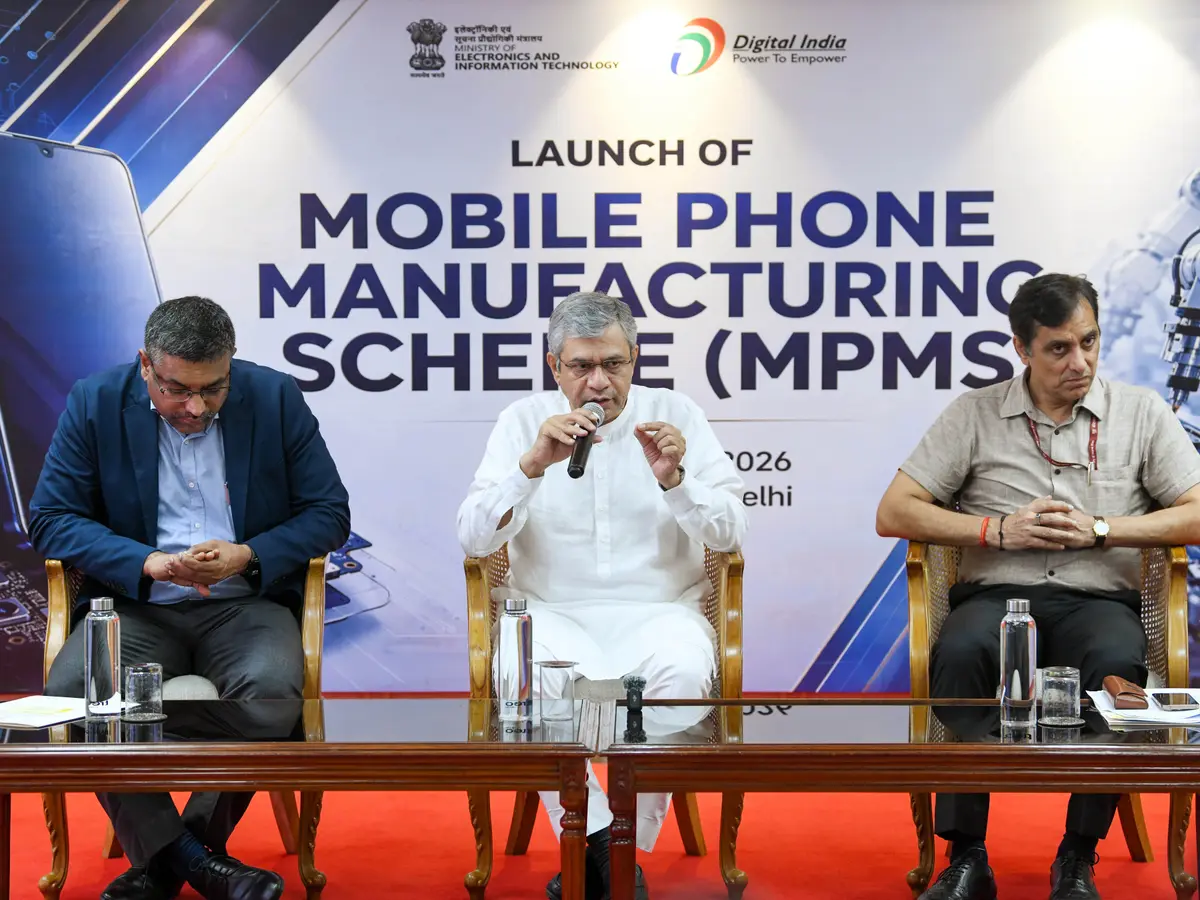
India’s Rs 62,500-Crore Mobile Scheme Targets Brands and Scale
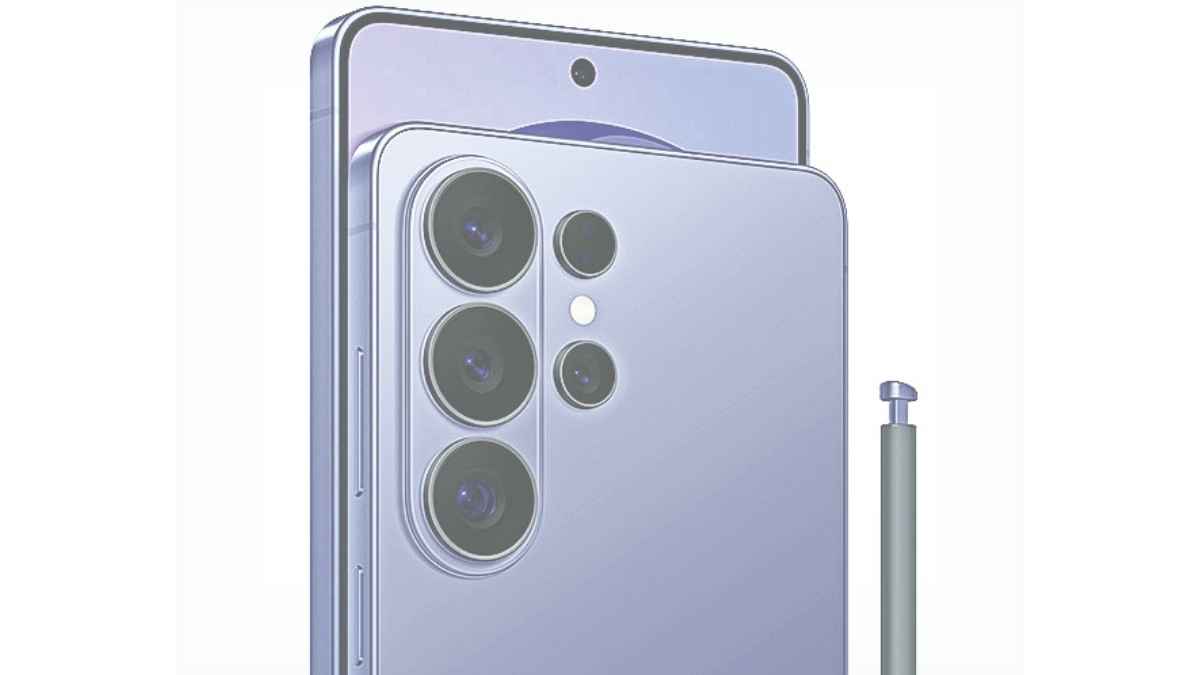
India’s Rs 62,500 Crore Scheme Promotes Domestic Mobile Brands
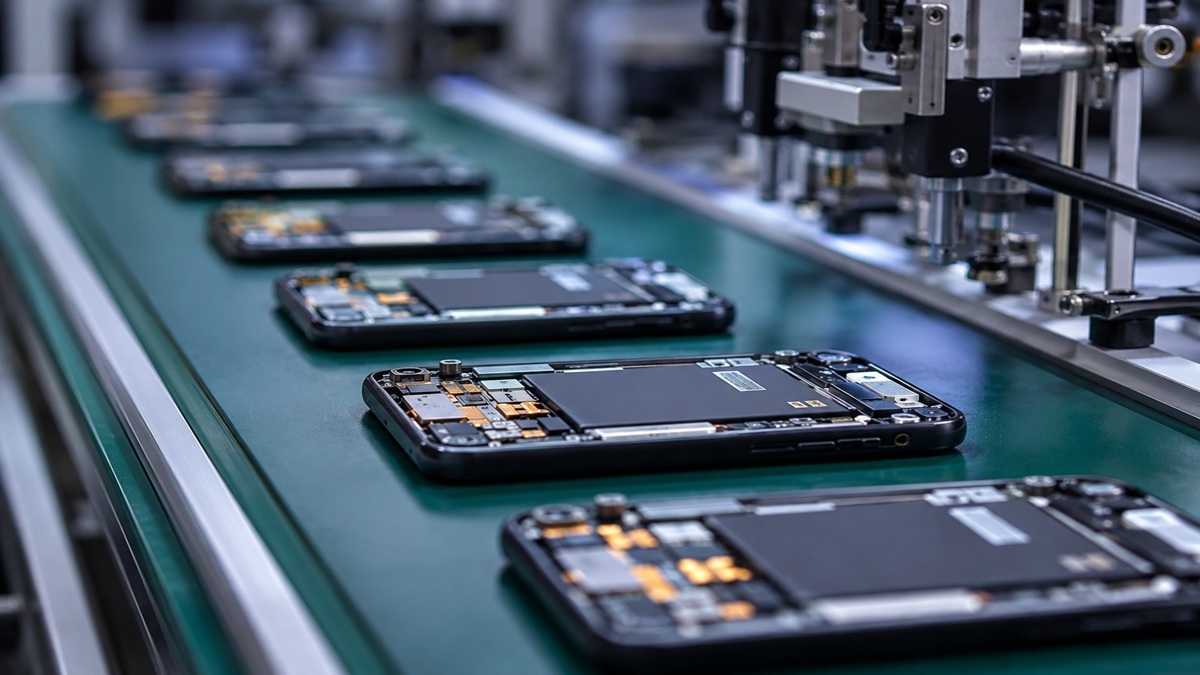
Exports Emerge as Key to India’s Rs 62,500-Crore Mobile Incentives

Dixon, Amber Promoters Explore Investment in Lava Expansion

Noida Intensifies Bus Checks After Gang-Rape; Delhi, RTO Absent

NHRC Seeks Police Reports Over Alleged Minor’s Bus Gang Rape

Minor alleges assault after boarding sleeper bus near Pari Chowk
Bhumi Pednekar Condemns Alleged Gang Rape of Minor in Delhi
Delhi-NCR Rain, Thunderstorms Forecast as Air Quality Readings Differ