

3 days ago
India Rebalances Economic Ties With United States and China
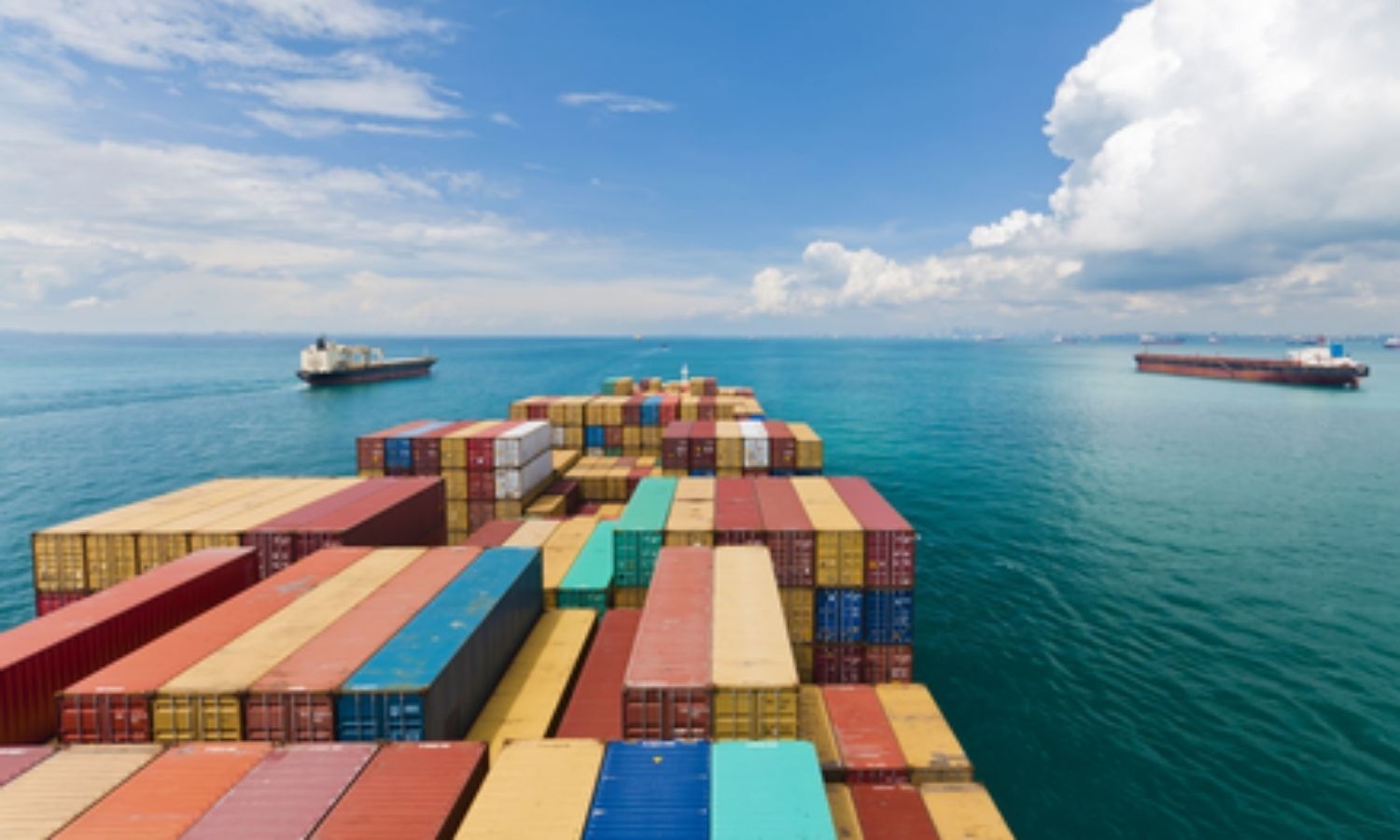
India is trying to keep good economic relationships with both the United States and China.
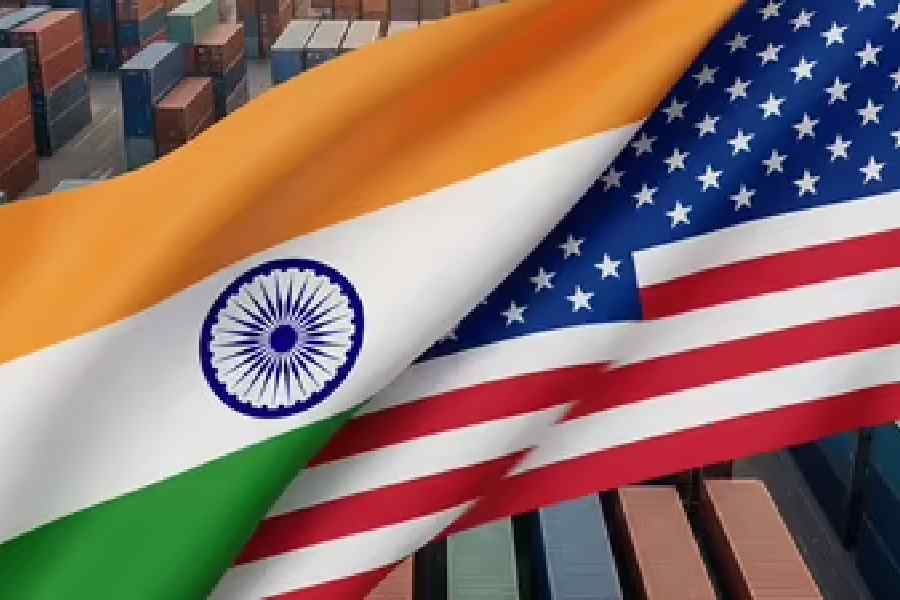
In February 2026, India and the US agreed to lower one set of tariffs on Indian goods.
The US also removed an extra tariff connected to India buying Russian oil.
Some other US tariffs still apply to Indian products.
In March, India made it easier for companies with small Chinese ownership stakes to invest in certain Indian industries.
This does not allow unrestricted direct Chinese investment.
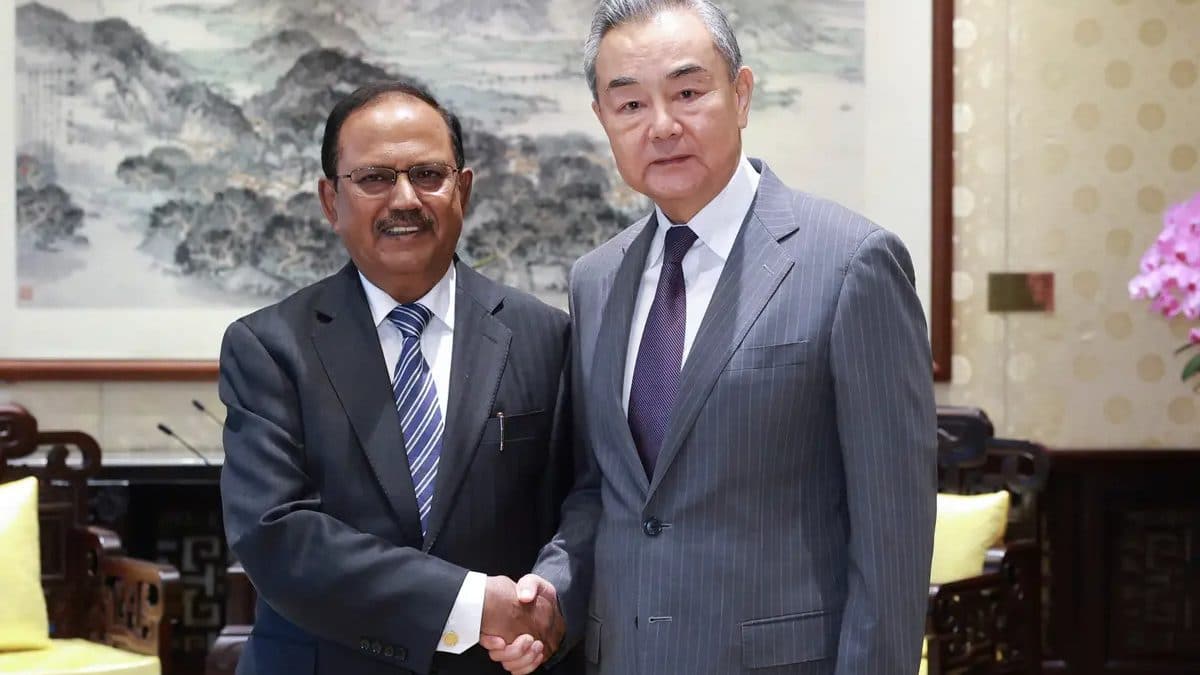
China also eased some export restrictions, and India and China resumed higher-level border discussions.
India hopes these steps will bring investment and trade from more than one major partner.
This matters because forecasts say India’s economic growth may slow in 2026.

India and the United States agreed to reduce reciprocal tariffs on Indian goods to 18% from 25%.
The United States dropped an additional 25% duty linked to India’s Russian oil purchases, while separate Section 301 duties remain.
India eased Press Note 3 rules, allowing automatic investment routes for entities with non-controlling Chinese ownership below 10%.
About ₹4,896 crore in foreign direct investment across 29 projects reportedly entered under the relaxed Chinese investment rules.
India is using both relationships to diversify capital and export demand as 2026 growth forecasts decline.
- Who
- The governments of India, the United States, and China, including Prime Minister Narendra Modi, President Donald Trump, and National Security Advisor Ajit Doval.
- What
- India reduced trade tensions with the United States and cautiously eased rules affecting investment linked to China.
- Where
- The changes affect India’s economic relationships with the United States and China; Doval’s later boundary dialogue took place in Beijing.
- When
- The main measures were announced or taken during 2026, including tariff talks on February 2 and Press Note 3 changes on March 10.
- Why
- India is seeking to diversify external capital and export demand amid geopolitical uncertainty and lower 2026 growth forecasts.
Economic Opening
Strategic Caution
Chinese investment
Economic Opening
Supporters of the rule change can argue that minority Chinese-linked capital and faster approvals help manufacturers build supply chains and attract investment.
Strategic Caution
The policy remains cautious because direct Chinese investment still requires prior government approval and the automatic route is limited to ownership below 10%.
US tariff settlement
Economic Opening
The lower and more predictable tariff regime reduces one source of uncertainty for Indian exporters and financial markets.
Strategic Caution
Separate Section 301 duties remain, and the durability of the arrangement depends partly on future US tariff policy and legal developments.
India’s broader strategy
Economic Opening
Maintaining economic channels with both major powers gives India more options for capital, components, and export demand.
Strategic Caution
The approach remains vulnerable to factors outside India’s control, including border tensions, tariff changes, and global policy uncertainty.
Key facts
- US tariff agreement
- The reciprocal tariff on Indian goods was reduced from 25% to 18% on February 2, 2026.
- Russian oil-linked duty
- The United States dropped an additional 25% punitive duty tied to Indian purchases of Russian oil.
- Remaining US duties
- Separate Section 301 duties of 10% remain, while about 45% of Indian exports are outside their scope.
- Chinese investment rule
- Entities with non-controlling Chinese beneficial ownership below 10% can use an automatic investment route.
- Reported investment
- Approximately ₹4,896 crore across 29 projects entered India under the eased rules by late August.
- Growth outlook
- The United Nations projected India’s 2026 growth at 6.6%, down from an estimated 7.4% in the previous year.
- Bond inflows
- Overseas investors placed a record $4.2 billion in Indian government bonds in June.
Sources
Related news
India-China Consensus Offers Cautious Momentum, Not Strategic Breakthrough
India, US Continue Trade Talks Amid Tariff Uncertainty

India, Canada Pursue Investment Treaty Talks, Target C$70 Billion Trade
Canada’s U.S. Tariff Fight Opens Door for India Partnership
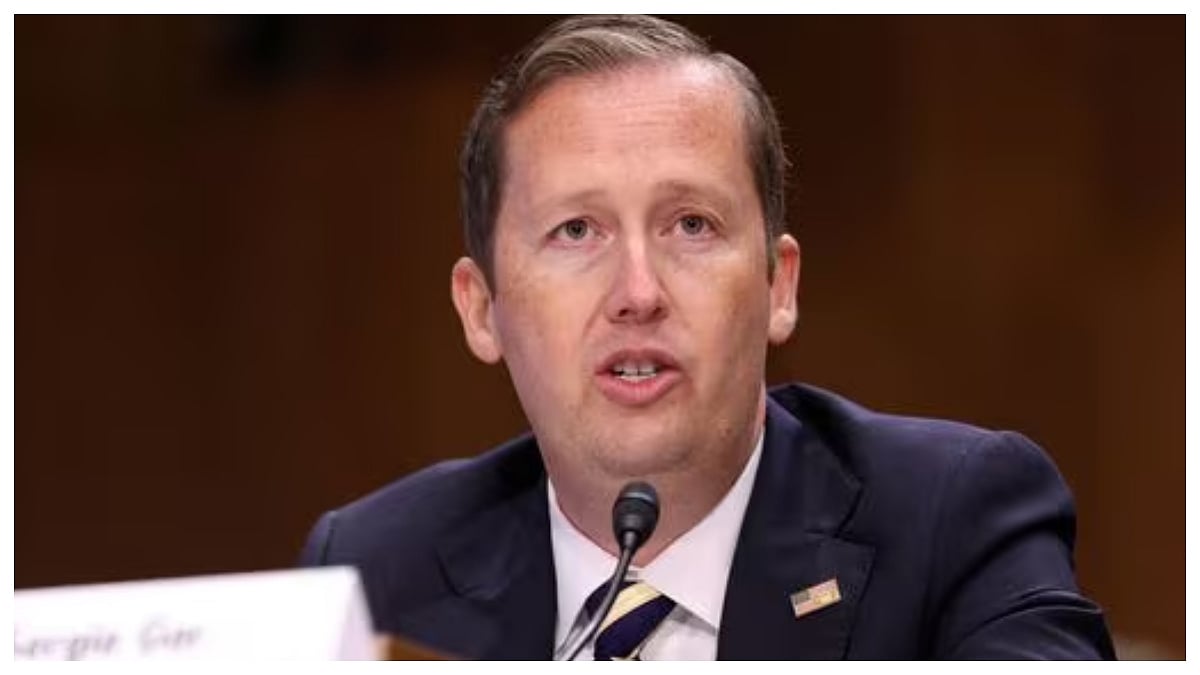
US Envoy Sergio Gor Says India-US Trade Has Incredible Potential

India, Uzbekistan Set $5 Billion Trade Target by 2030
Putin Faces Western Isolation While Russia Builds Non-Western Ties
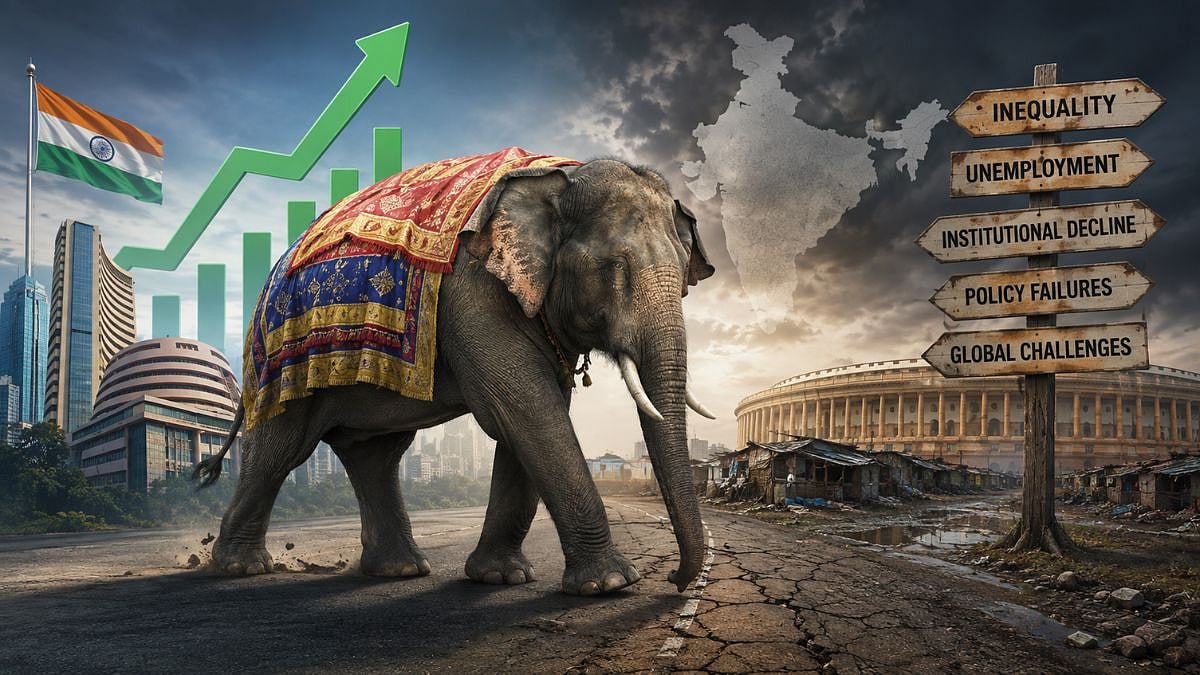
India’s Global Power Ambitions Face Economic and Democratic Setbacks
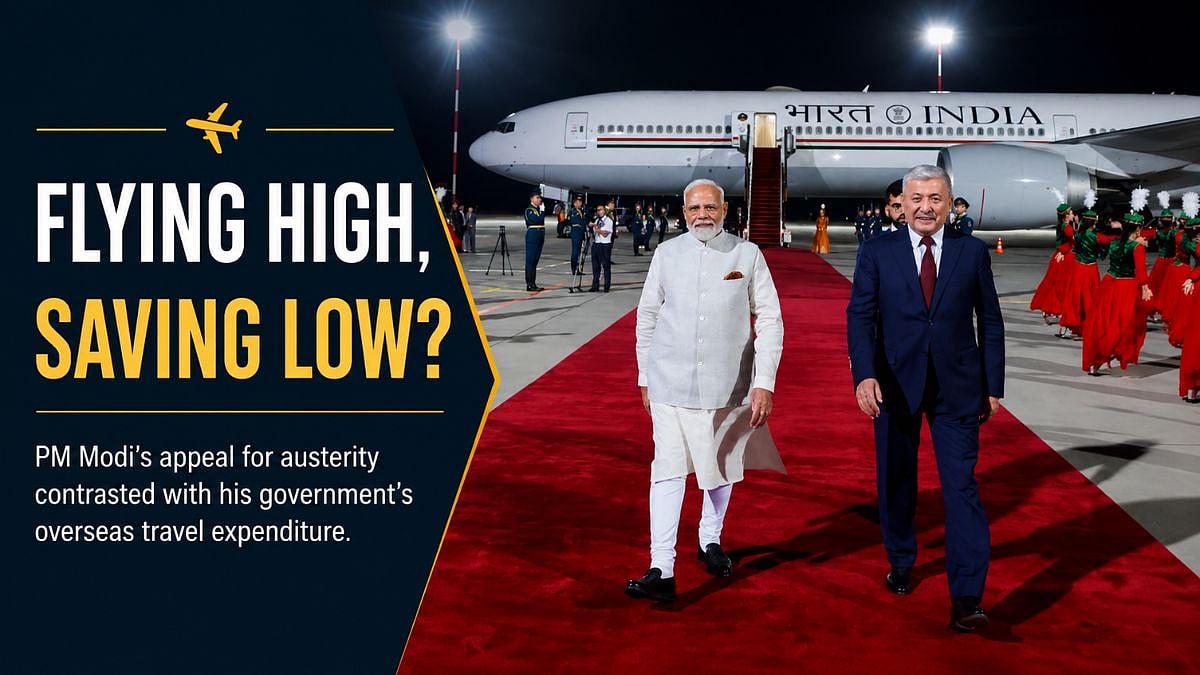
Modi’s Frugality Appeal Contrasts With Extensive Foreign Travel
Modi Sets Roadmap for Collaborative, Water-Secure India’s Future

Sonia Gandhi Memoir Sparks Debate Over Politics, Publishing And Speech
