2 weeks ago
India, US Continue Trade Talks Amid Tariff Uncertainty
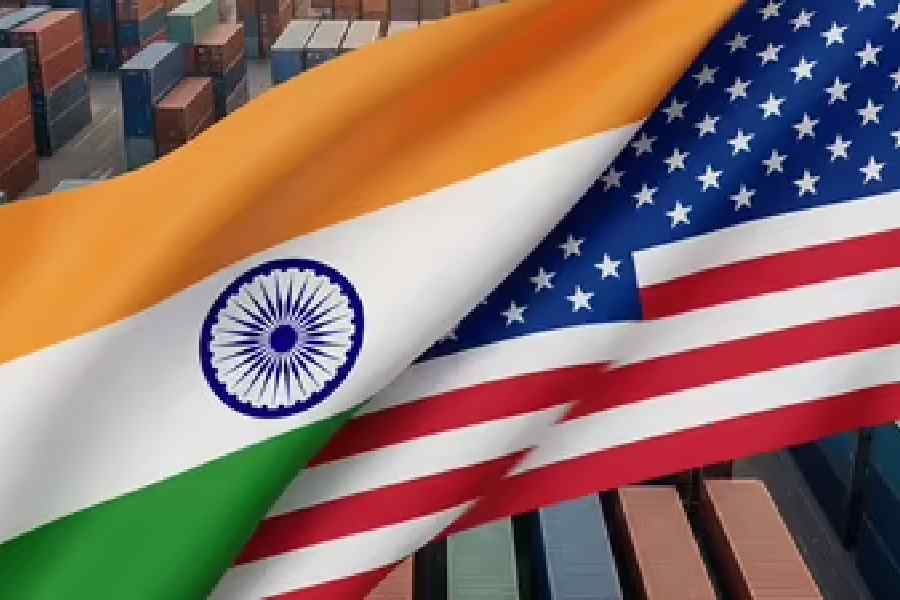
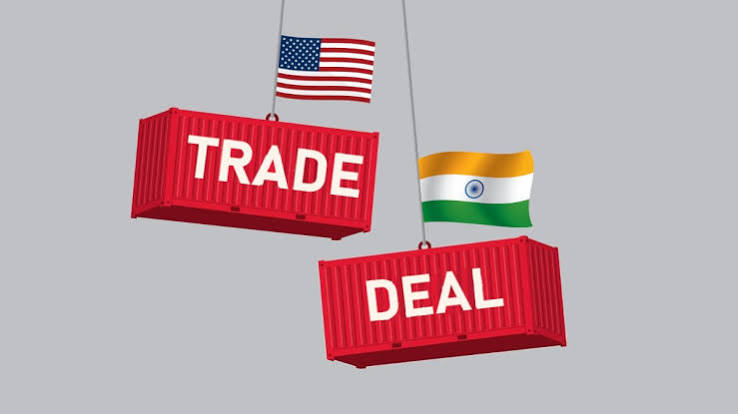
India and the United States are talking about a big deal called a trade agreement that would make it easier for companies in both countries to buy and sell things to each other.
In February, the two countries agreed on the first part of this deal.
Since then, the United States has changed some of its taxes on goods from other countries, which has made the talks more complicated.
The United States' highest court, the Supreme Court, also removed an older tax rule, adding more uncertainty.
India is now paying an extra 10% tax on some goods because of an American investigation into alleged forced labour concerns.
The American Senate approved a bill that could let the president place very high taxes, up to 100%, on goods from countries that buy Russian oil, which could affect India.
India is being careful and says it will sign the first part of the deal only when it gets better tax terms than its competitors.
A finished trade deal would give businesses in both countries more stability and predictability.
Indian officials also said it is misleading and factually incorrect to link reforms to India's UPI payment system to the trade talks.
Both countries say they are working towards finishing the talks soon.

India and the United States are in 'regular contact' on the proposed bilateral trade agreement (BTA), with both sides committed to the first-phase framework finalised in February.
Changes in the US tariff regime, including the US Supreme Court striking down an earlier reciprocal tariff structure, have complicated the timeline for concluding the pact.
The US has imposed an additional 10% duty on certain Indian goods under a Section 301 investigation concerning alleged forced labour concerns.
The US Senate overwhelmingly approved a bill that would allow President Donald Trump to impose tariffs of up to 100% on goods from the top five importers of Russian oil and gas, including India and China.
India says the first phase will come into operation only after securing a favourable tariff position compared with competitors such as Bangladesh, Vietnam, Thailand, Sri Lanka, Cambodia, Indonesia and Malaysia.
- Who
- Commerce Secretary Rajesh Agarwal and Commerce and Industry Minister Piyush Goyal representing India, with US Trade Representative Jamieson Greer involved in talks on the US side.
- What
- Continued negotiations on the proposed India-US bilateral trade agreement (BTA), complicated by changes in the US tariff regime and a new US Senate bill targeting top importers of Russian oil and gas.
- Where
- India and the United States, with New Delhi in regular contact with the US side at multiple levels.
- When
- Agarwal spoke on a Thursday; the first-phase framework was finalised in February, the US Senate bill was approved earlier this month, and additional 10% US tariffs took effect from July 24.
- Why
- India seeks a favourable tariff position against competing exporters, while a completed agreement is expected to provide greater stability and predictability for businesses in both countries.
US Tariff Actions
India's Negotiating Stance
Trade deal timing
US Tariff Actions
Changes in the US tariff regime, including the Supreme Court striking down an earlier reciprocal tariff structure, have triggered fresh negotiations and complicated the timeline for concluding the BTA.
India's Negotiating Stance
India says the first phase will come into operation only after securing a favourable tariff position compared with competitors such as Bangladesh, Vietnam, Thailand, Sri Lanka, Cambodia, Indonesia and Malaysia.
US Senate bill on Russian oil buyers
US Tariff Actions
The US Senate overwhelmingly approved a bill to punish key buyers of Russian petroleum products, including India and China, which would allow President Donald Trump to impose tariffs of up to 100% on goods from the top five importers of Russian oil and gas.
India's Negotiating Stance
Indian officials view the bill as an internal US legislative matter and a concern, saying India is closely monitoring developments and remains in touch with the US side at various levels.
Key facts
- Agreement
- Bilateral Trade Agreement (BTA) between India and the United States
- First-phase framework finalised
- February
- Additional duty on India
- 10% on certain goods under a Section 301 investigation (alleged forced labour concerns)
- Proposed US Senate bill
- Allows up to 100% tariffs on goods from the top five importers of Russian oil and gas
- Countries named in proposed bill
- India and China
- Additional US tariffs effective from
- July 24
- India's competitors in the US market
- Bangladesh, Vietnam, Thailand, Sri Lanka, Cambodia, Indonesia, Malaysia
- India's exports to the US (2025-26)
- About USD 87 billion
Quotes
Rajesh Agarwal
Commerce Secretary of India
“Both sides are committed to the framework deal that was agreed upon in February, and we are engaged with the US side on the trade deal and our contacts are regular.”
 telegraphindia.com
 deccanchronicle.com
“A key outcome of a trade deal is that it brings in more stability and predictability in the trade relationship so that businesses can work along.”
telegraphindia.com
Sources
Related news
India-US trade talks on track despite Russian-oil tariff plan
India-US Trade Talks Drive September 1 Exporter Meeting
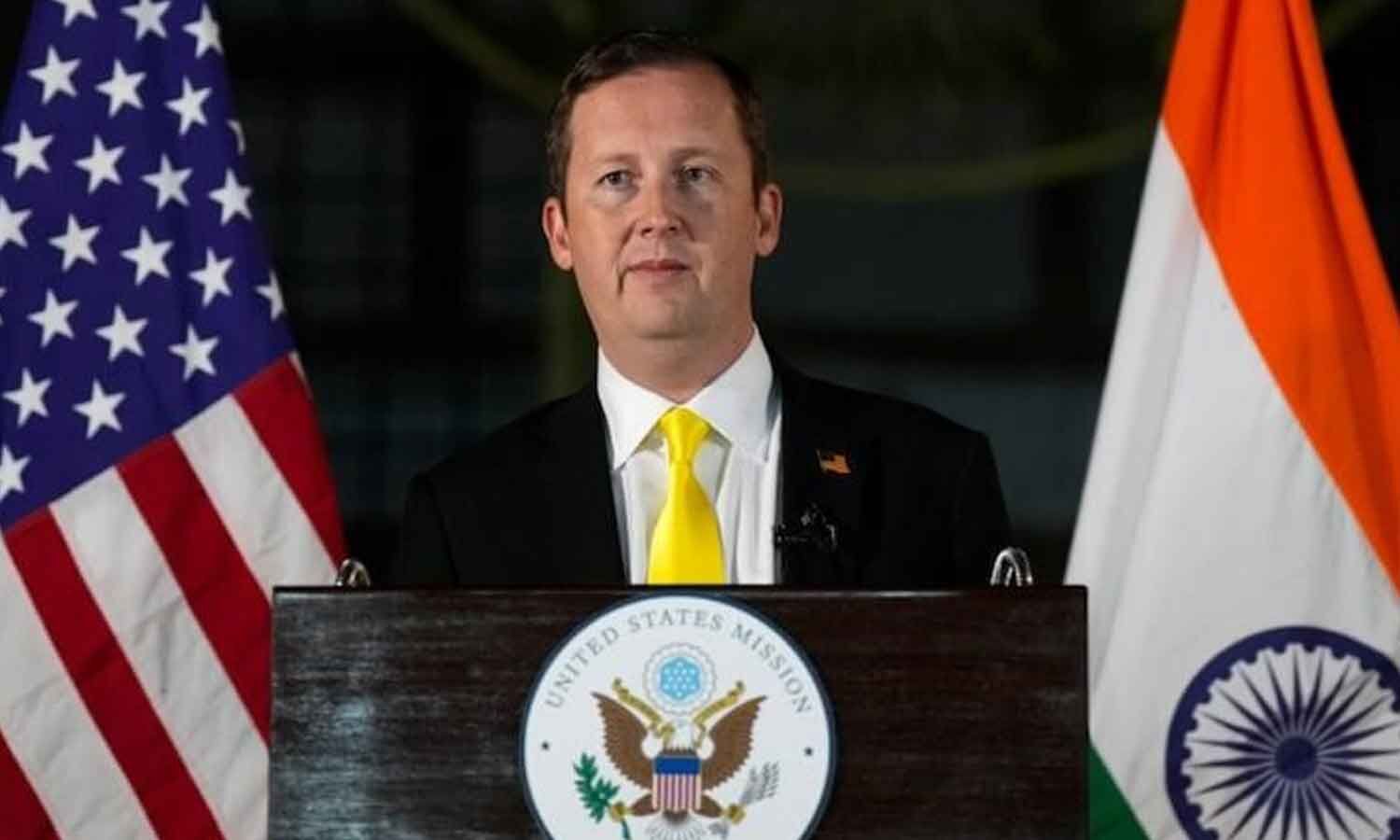
India-US Trade Deal Nears Completion Amid Tariff and Alliance Questions

Could Russia Sanctions Bill Derail India-US Trade Deal?
India-US Trade Pact Talks Intensify Amid Exporter Tariff Concerns
India-US Trade Deal Likely to Retain Tariff Safeguard Amid Uncertainty
India’s Record Wheat Harvest Opens $1.5 Billion Export Window

West Bengal CM Crushes Nearly 2 Lakh Seized Syrup Bottles
India, Bangladesh Seek Deeper Parliamentary and People-to-People Ties
Bangladesh Radicalisation Raises Concerns About Security Spillover Into India

Bengaluru Police Transfer 31 Bangladeshi Nationals for Deportation