1 hr ago
Vitamin D Deficiency Linked to Cellular Stress in Heart
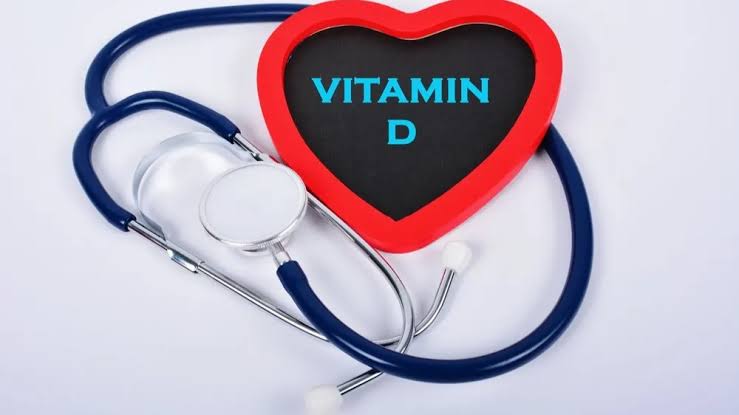
Researchers studied how vitamin D levels might affect heart cells.
They tested rats with normal, low or deficient vitamin D diets.
Rats with too little vitamin D showed more damage from oxidative stress in their heart tissue.
Their natural antioxidant defenses also became weaker.
The deficiency was linked to cell responses that can cause injury or cell death.
Scientists also tested rat heart cells in the laboratory.
The active form of vitamin D helped those cells handle stress better.
However, the researchers said more studies in people are needed before firm conclusions can be made.

An ICMR-NIN study linked inadequate vitamin D levels to increased oxidative and cellular stress in heart tissue.
Rats fed low or deficient vitamin D diets showed greater oxidative damage and weaker antioxidant defenses.
Vitamin D deficiency affected the Nrf2 pathway and increased markers of endoplasmic reticulum stress, autophagy and apoptosis.
In rat cardiac-cell experiments, active vitamin D improved antioxidant responses and reduced cellular stress markers.
Researchers said the findings are pre-clinical and require confirmation through studies in humans.
- Who
- Researchers at the ICMR-National Institute of Nutrition in Hyderabad, led by Dr Ayesha Ismail.
- What
- A pre-clinical study examined how vitamin D deficiency affects oxidative stress and cellular injury in heart tissue.
- Where
- The research was conducted at the ICMR-National Institute of Nutrition in Hyderabad using rat and laboratory cell models.
- When
- The study was published in the journal Steroids; the publication date was not stated.
- Why
- Researchers sought to understand whether vitamin D helps protect cardiac cells from oxidative and endoplasmic reticulum stress.
Potential Cardiac Protection
Need for Human Evidence
Meaning of the findings
Potential Cardiac Protection
The researchers said adequate vitamin D may strengthen cardiac cells' responses to oxidative stress and limit cellular damage.
Need for Human Evidence
The researchers emphasized that the results are pre-clinical and do not yet establish the same effects in humans.
Key facts
- Research institution
- ICMR-National Institute of Nutrition, Hyderabad
- Study title
- Vitamin D mitigates oxidative and endoplasmic reticulum stress and protects cardiac tissue from apoptotic cell death in vivo and in vitro
- Journal
- Steroids
- Models used
- Rats and rat cardiac cells
- Observed deficiency effects
- Increased oxidative damage, reduced glutathione and lower activity of key antioxidant enzymes
- Cellular pathways affected
- Nrf2, endoplasmic reticulum stress, autophagy and apoptosis
- Research limitation
- The findings were based on animal and cell models and need further investigation in humans
Quotes
Dr Ayesha Ismail
Scientist F at ICMR-NIN and leader of the research group
“We further observed increased markers of endoplasmic reticulum (ER) stress, autophagy and apoptosis in vitamin D-deficient hearts. These findings suggest that prolonged oxidative stress associated with inadequate vitamin D may trigger a cascade of cellular responses that can contribute to cardiac cell injury”
 deccanchronicle.com
“We are also conducting clinical studies. Our pre-clinical studies are at the mechanism stage. Individuals should keep a check on their vitamin D levels”
deccanchronicle.com
Sources
Related news

Why Indians Rely on Vitamin D Pills Despite Sunlight

Chronic Stress Can Strain the Heart and Raise Cardiovascular Risks
Study Links High Blood Xylitol Levels to Cardiovascular Events
Handgrip Strength Linked to Cardiovascular Risk and Healthy Ageing

Nutrient Deficiencies May Contribute to Worsening Hair Loss

Food Companies Challenge FSSAI’s Proposed Red Warnings Before Supreme Court

Ponnam Inaugurates Karimnagar Kitchen for Telangana School Breakfast Programme

Experts Seek Single-Nutrient Warning Labels for Packaged Foods

Experts Urge India to Require Warnings for Single Nutrients