51 mins ago
Study Links High Blood Xylitol Levels to Cardiovascular Events
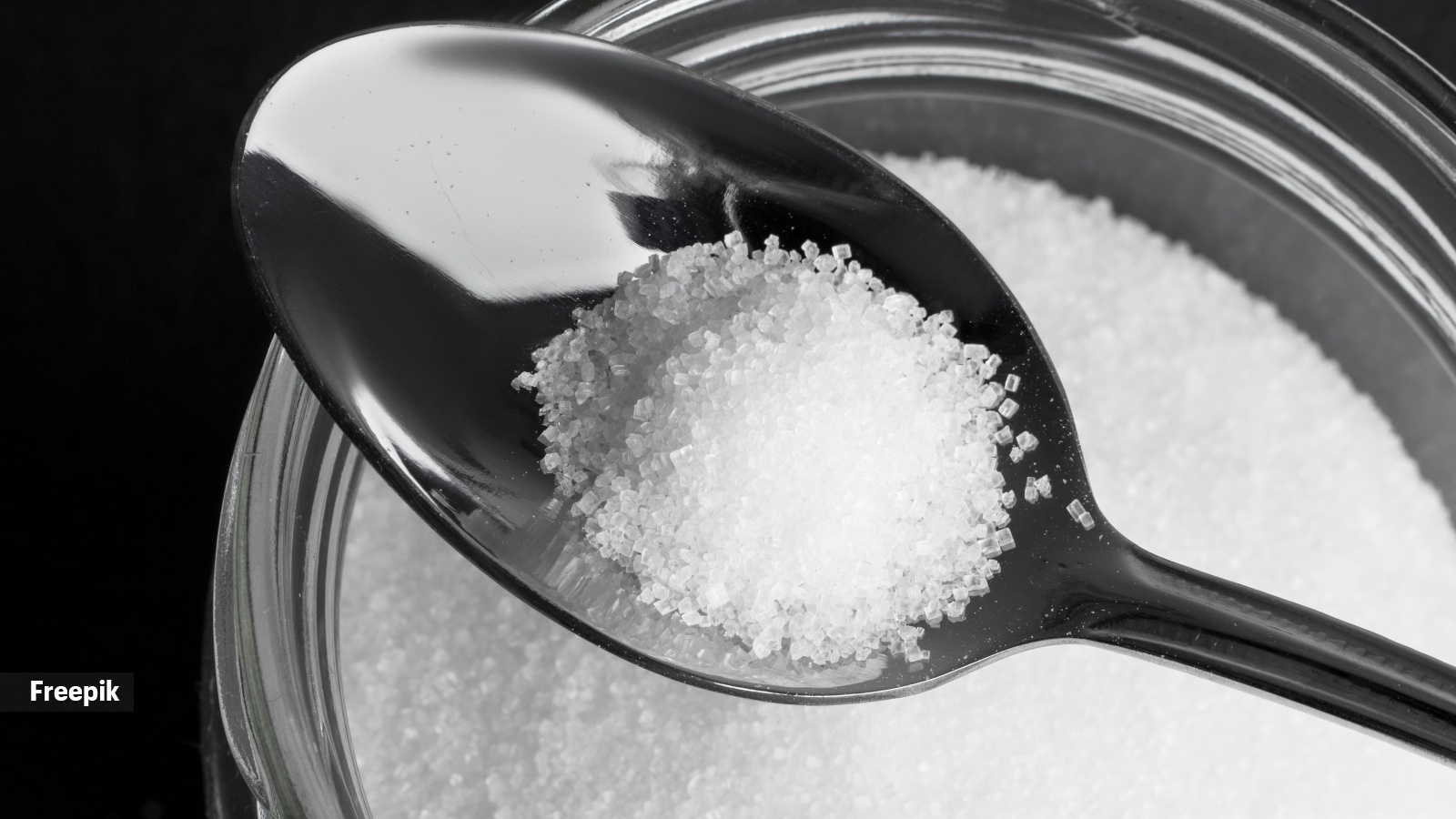
Scientists studied whether xylitol, a sweetener used in sugar-free products, was linked to heart problems.
They measured xylitol levels in people’s blood and followed their health.
People with higher levels had more heart attacks, strokes, or cardiovascular deaths.
The association was stronger in the Canadian study than in the UK study.
However, this does not prove that xylitol caused those problems.
The body can make xylitol naturally, so blood levels do not show exactly how much someone ate.
Researchers are investigating whether xylitol could affect blood-clotting cells called platelets.
Experts say people should not panic, but should focus on a balanced diet and established heart-health measures.

Researchers studied 17,710 people from Canadian and UK population cohorts.
Higher blood xylitol levels were associated with increased cardiovascular-event risk.
The Canadian cohort showed a 57% higher risk over six years.
The UK cohort showed an 18% higher risk over 30 years.
Experts say the observational findings do not prove xylitol causes heart attacks or strokes.
- Who
- Researchers studied 17,710 participants from the Canadian Longitudinal Study on Aging and the EPIC-Norfolk cohort; Dr Punya Pratap Kujur provided expert interpretation.
- What
- The study found an association between higher blood xylitol levels and major cardiovascular events, including heart attack, stroke, or cardiovascular death.
- Where
- The research used participants from Canada and the United Kingdom.
- When
- The findings were presented at the European Society of Cardiology Congress 2026; participants were followed for six years in the Canadian cohort and 30 years in the UK cohort.
- Why
- Researchers examined whether blood xylitol levels were associated with cardiovascular risk and whether the sweetener might warrant further investigation.
Cautious Interpretation
Potential Cardiovascular Concern
What the findings mean
Cautious Interpretation
The study was observational, and naturally produced xylitol may contribute to blood levels, so the results cannot show that consuming xylitol causes heart attacks or strokes.
Potential Cardiovascular Concern
The association across two cohorts raises a cardiovascular question that researchers say deserves further investigation.
Possible biological mechanism
Cautious Interpretation
A proposed effect on platelet reactivity remains unproven and should not be treated as evidence that xylitol causes dangerous clots.
Potential Cardiovascular Concern
If xylitol increases platelet reactivity, platelets could become more likely to form clots that contribute to heart attacks or ischaemic strokes.
Dietary response
Cautious Interpretation
People should not panic or completely stop using xylitol products based on one study; more evidence is needed before changing dietary recommendations.
Potential Cardiovascular Concern
People with established cardiovascular disease or a high risk of blood clots may choose to consume xylitol-containing products in moderation while stronger evidence is developed.
Key facts
- Participants
- 17,710 people from two population studies
- Canadian finding
- The highest blood-xylitol group had a 57% higher cardiovascular-event risk over six years than the lowest group
- UK finding
- The highest blood-xylitol group had an 18% higher risk over 30 years than the lowest group
- Events studied
- Heart attack, stroke, and cardiovascular death
- Study design
- Observational, so it identified an association but did not establish causation
- Important limitation
- Blood xylitol levels do not directly show how much xylitol participants consumed
- Current advice
- Experts recommend no panic or major dietary changes based on this study alone; moderation and overall heart-health measures remain important
Quotes
Dr Punya Pratap Kujur
Consultant cardiologist at Gleneagles Hospital, Parel, Mumbai
“This study is important because it highlights a possible cardiovascular association that needs further investigation. However, patients should not panic or make major dietary changes based on one observational study. Until stronger evidence is available, moderation and a heart-healthy overall diet remain the sensible approach.”
 indianexpress.com
“At this stage, we should not conclude that xylitol causes heart attacks or strokes; more research is needed to understand whether the association is causal and what biological mechanisms may be involved.”
indianexpress.com
Sources
Related news
Study Links Popular Sweetener Xylitol to Cardiovascular Risk

Shingrix Linked to Lower Heart Attack and Stroke Risk

Study Links Regular Stair Climbing With Lower Heart Risk

Cardiologist Says Sleep, Exercise And Habits Outweigh Supplements

Cardiologist shares five habits she never ignores for heart health

Dinesh Karthik Criticizes Pakistan After England’s 3-0 Rout

Trump Offers to Resolve UK-Argentina Falkland Islands Sovereignty Dispute

Vijay’s UK Visit Combines Investment Pitch With Motorsport Plans

Dinesh Karthik Questions Sanju Samson’s India T20I Future