1 hr ago
Experts Seek Single-Nutrient Warning Labels for Packaged Foods
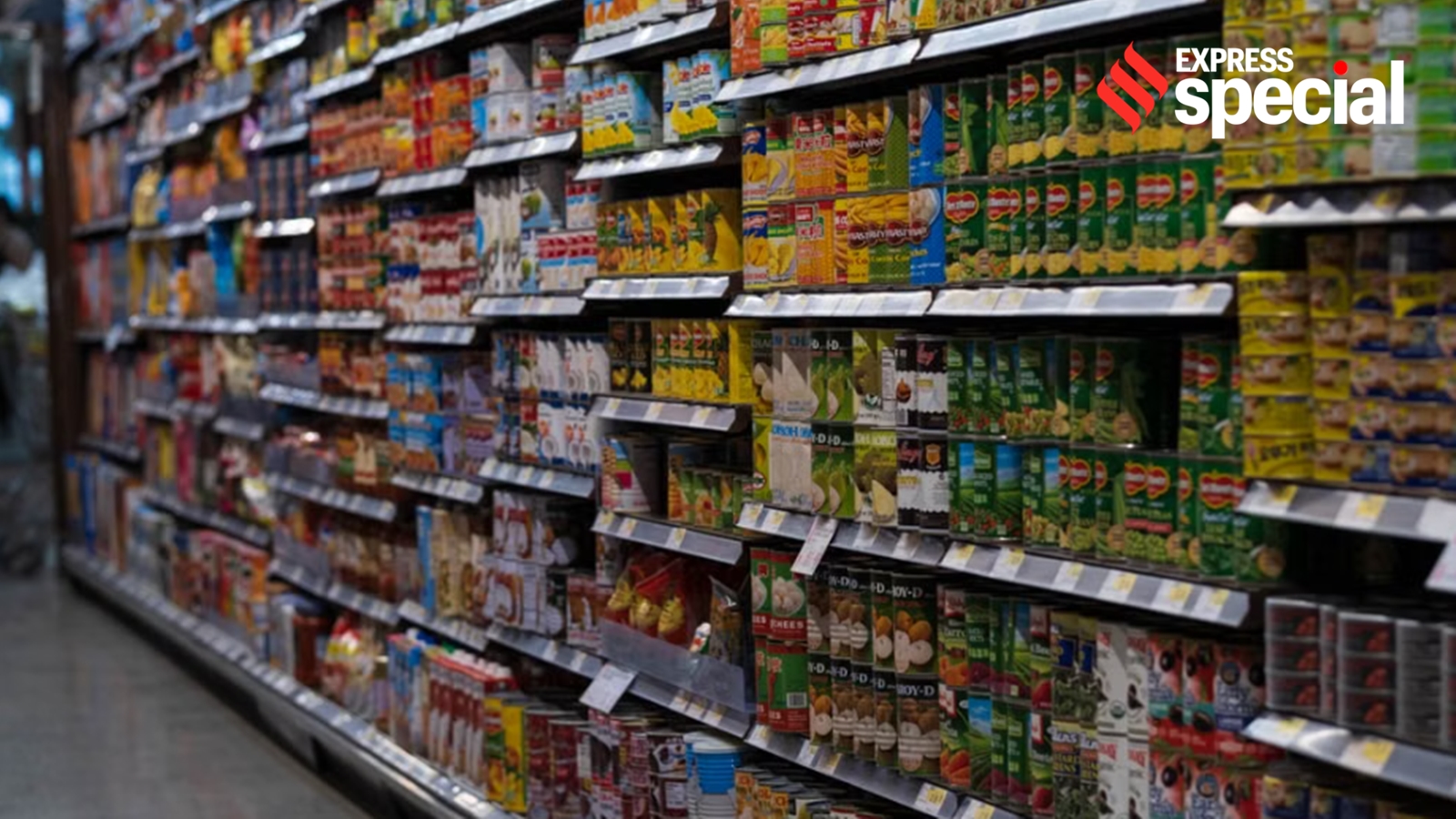
Experts want packaged foods to have clear warning signs on the front of the package.
These signs would tell shoppers if a food contains too much fat, sugar or salt.
They say a warning should appear even if only one of these nutrients is too high.
The current proposal from India’s food regulator would initially require two nutrients to be high before adding a warning.
The experts also want the warnings to be easy to see, possibly using black hexagons or red signs on white backgrounds.
India’s National Institute of Nutrition has made similar recommendations.
It also wants food energy levels to be considered when setting nutrient limits.
The Supreme Court is asking how quickly the warning system would be fully implemented.
The court also wants to know which sweetened drinks would receive warnings in the first phase.

Global experts support front-of-pack warnings for packaged foods high in fat, sugar or salt.
They want separate warnings whenever a product exceeds the limit for even one high-risk nutrient.
The Food Safety and Standards Authority of India has proposed introducing warnings in phases, initially requiring high levels of two nutrients.
Experts recommend black hexagons, or red warnings on white backgrounds, to improve visibility.
The Supreme Court has requested a scientifically justified timeline for the second phase and clarity about sweetened beverages.
- Who
- Global nutrition experts, the Food Safety and Standards Authority of India, the National Institute of Nutrition, and the Supreme Court of India.
- What
- A dispute over how mandatory front-of-pack warning labels for packaged foods high in fat, sugar or salt should be designed and implemented.
- Where
- India, before the Supreme Court and the country’s food safety regulator.
- When
- The issue was considered during the Supreme Court’s most recent hearing; the articles do not provide an exact date.
- Why
- Experts say warnings for each high-risk nutrient would better alert consumers and encourage healthier purchasing and product reformulation.
Single-Nutrient Warnings
Phased Two-Nutrient Approach
Warning threshold
Single-Nutrient Warnings
Global experts and the National Institute of Nutrition want a warning whenever a product is high in just one nutrient, arguing that otherwise products extremely high in one nutrient could escape attention.
Phased Two-Nutrient Approach
The Food Safety and Standards Authority of India has proposed initially requiring a product to be high in two of the three nutrients, with individual-nutrient warnings introduced in a second phase.
Implementation schedule
Single-Nutrient Warnings
The National Institute of Nutrition supports a time-bound transition if implementation is phased, so the second phase cannot be postponed indefinitely.
Phased Two-Nutrient Approach
FSSAI has proposed a two-phase system, while the Supreme Court has sought a clearly defined and scientifically justified timeline for the later phase.
Warning design
Single-Nutrient Warnings
Experts recommend black hexagonal warnings, or red warnings on white backgrounds, because they may be harder to hide among colorful packaging.
Phased Two-Nutrient Approach
FSSAI’s proposal, as described in the articles, uses red hexagonal warnings; the articles do not state a separate FSSAI position on the experts’ color recommendation.
Key facts
- Regulator
- Food Safety and Standards Authority of India (FSSAI)
- Nutrients covered
- Fat, sugar and salt
- Current FSSAI proposal
- Introduce warnings in phases, initially when a product is high in two of the three nutrients
- Experts’ recommendation
- Trigger a separate warning for each nutrient that exceeds the relevant threshold
- Design recommendation
- Use black hexagons or place red warnings against a white background
- National Institute of Nutrition recommendation
- Account for a food’s total energy density when setting added-fat and added-sugar thresholds
- Court request
- Provide a scientifically justified timeline for the second phase and clarify which sweetened beverages are covered initially
Sources
Related news

Experts Urge India to Require Warnings for Single Nutrients
FSSAI Open to Single-Phase Food Warning Labels
FSSAI Proposes Red Hexagon Warnings for High-Salt, Sugar, Fat Foods
FSSAI Proposes Red Front-Pack Warnings For Unhealthy Foods

India’s Proposed Food Warning Labels Face Health, Industry Backlash
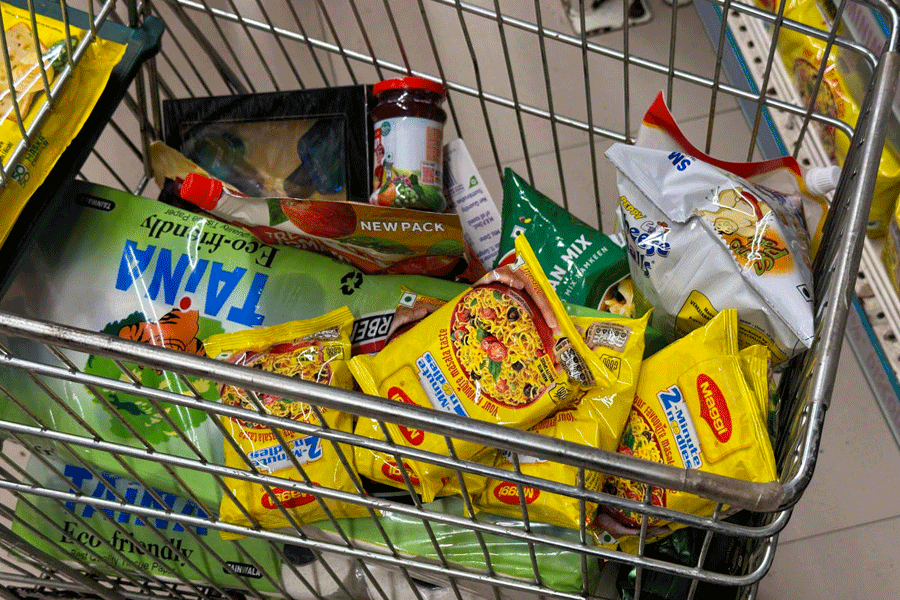
India Proposes Front-Pack Warnings for High Sugar, Fat, Salt

ICMR-NIN Review Finds Diet, Exercise Sustain Weight Loss

Uttarakhand Journalists Visit Hyderabad Development and Heritage Sites