1 hr ago
Nutrient Deficiencies May Contribute to Worsening Hair Loss
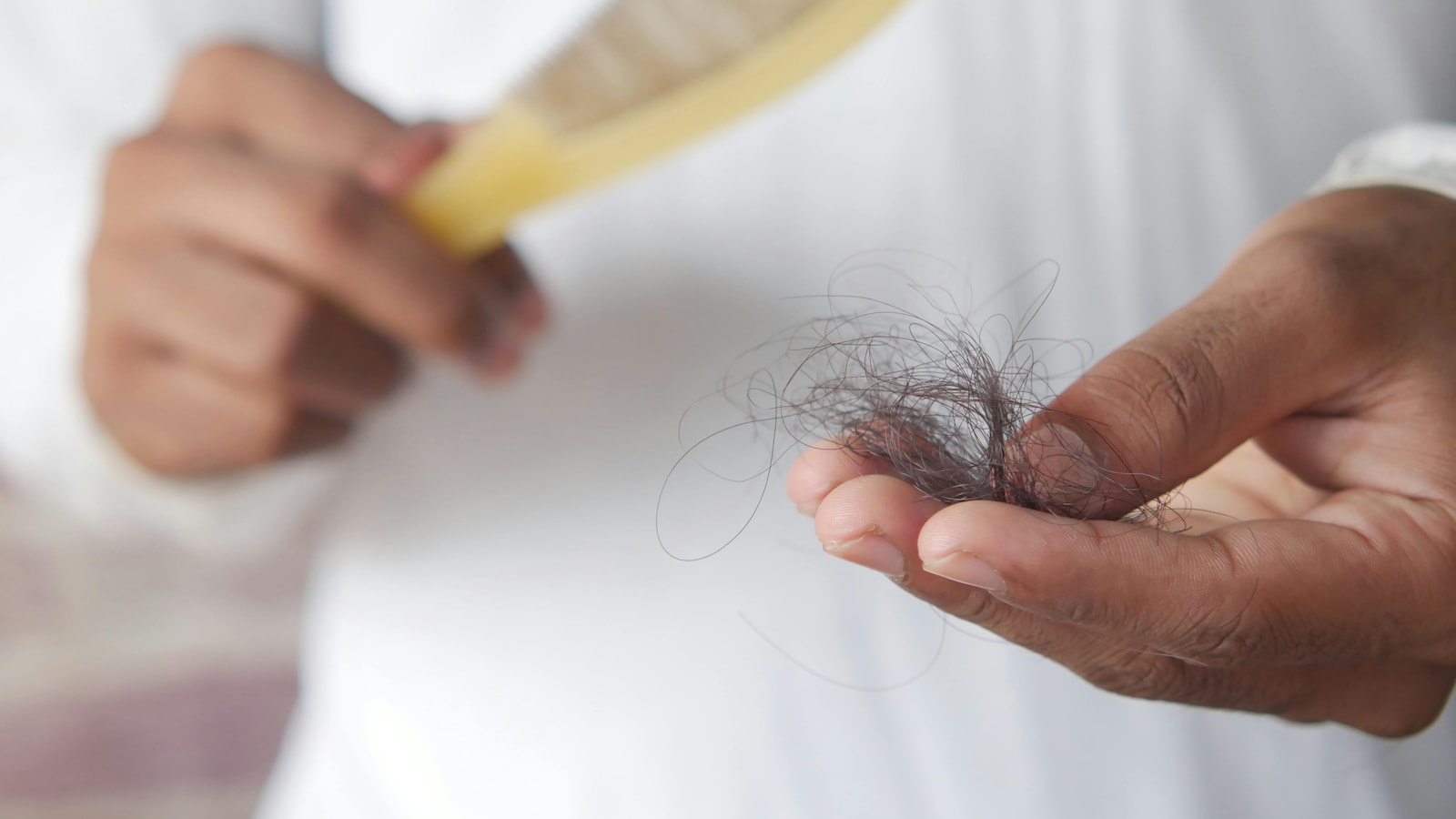
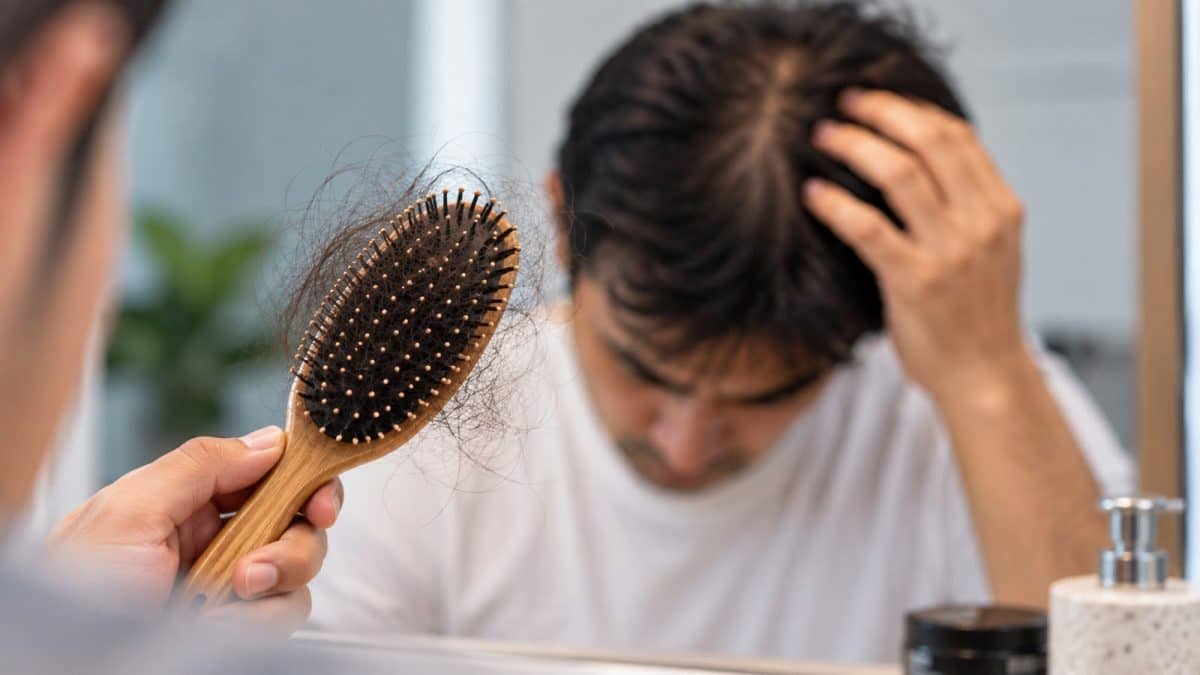
Some hair shedding is normal, but much more hair loss can have many causes.
These causes can include stress, illness, hormones, genetics, medicines or not getting enough nutrients.
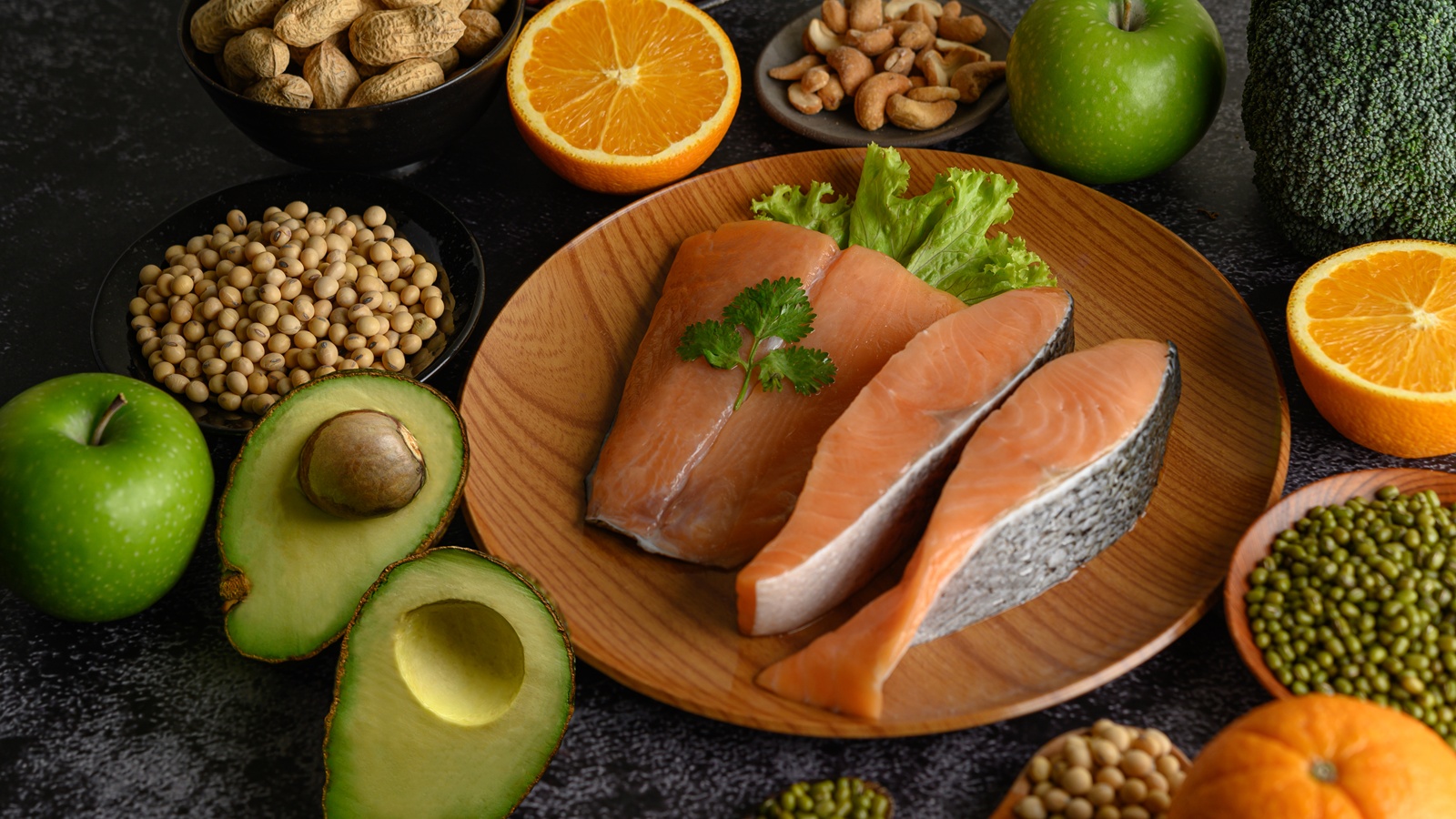
Low iron, vitamin D, vitamin B12, folate or zinc may be linked with hair shedding in some people.
Not eating enough protein can also affect hair growth.
A possible link does not prove that a nutrient shortage caused someone’s hair loss.
Taking many supplements without testing can be harmful.
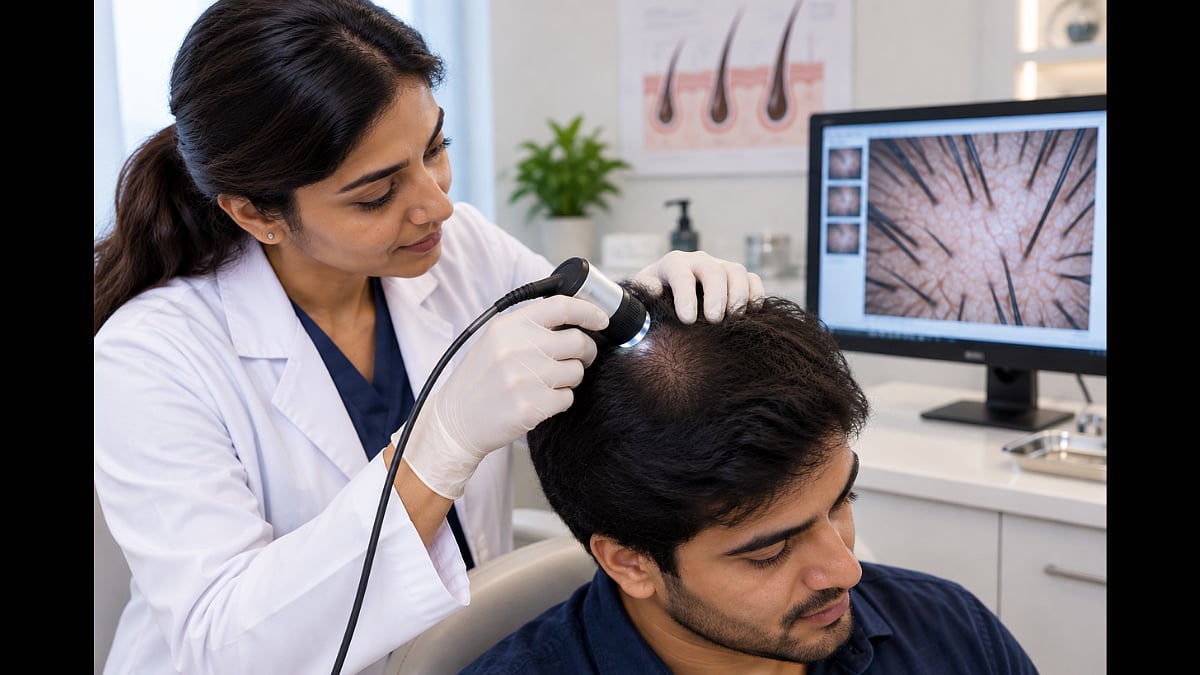
A doctor can review the person’s diet, health history and hair-loss pattern.
People should see a dermatologist if hair loss is sudden, persistent, patchy or accompanied by scalp problems.

Iron, vitamin D, vitamin B12, folate and zinc deficiencies may be associated with increased hair shedding.
Inadequate protein intake, restrictive dieting and rapid weight loss can affect the hair growth cycle.
Hair loss may also result from genetics, hormonal changes, stress, illness, medications or scalp conditions.
Doctors may recommend blood tests based on symptoms, diet and medical history rather than assuming a deficiency.
People should avoid unnecessary supplements and seek medical advice for sudden, persistent or worsening hair loss.
- Who
- People experiencing increased, sudden or persistent hair shedding.
- What
- The article explains how certain nutrient deficiencies and inadequate protein intake may contribute to hair loss, while emphasizing that hair loss has many possible causes.
- Where
- The issue concerns hair and scalp health; no specific location is given.
- When
- Medical advice is recommended when hair loss is sudden, rapidly increasing, persistent or follows major illness or rapid weight loss.
- Why
- Nutritional deficiencies may affect hair follicles and the hair-growth cycle, but the underlying cause must be assessed before treatment.
Key facts
- Potential nutrient factors
- Iron, vitamin D, vitamin B12, folate and zinc deficiencies may be associated with hair shedding.
- Protein
- Inadequate protein intake, especially during restrictive dieting or rapid weight loss, may affect hair growth.
- Other possible causes
- Genetics, hormonal changes, stress, illness, medications, thyroid disorders and scalp conditions can also cause hair loss.
- Testing
- A doctor may recommend blood tests based on symptoms, diet and medical history.
- Supplement caution
- Taking supplements without confirming a deficiency is not advisable and excessive intake can cause health problems.
- When to seek care
- Consult a dermatologist for sudden or worsening loss, thinning, widening of the hair part, bald patches or scalp itching, scaling or inflammation.
Quotes
Dr Shareefa Chause
Dermatologist in Mumbai quoted on supplement use and hair loss
“Taking supplements without confirming a deficiency is not advisable. Excessive intake of some nutrients can itself cause health problems and, in certain cases, worsen hair loss.”
 NDTV
NDTV