

2 weeks ago
Why Egypt is staying away from the Saudi-Turkey-Pakistan defence pact
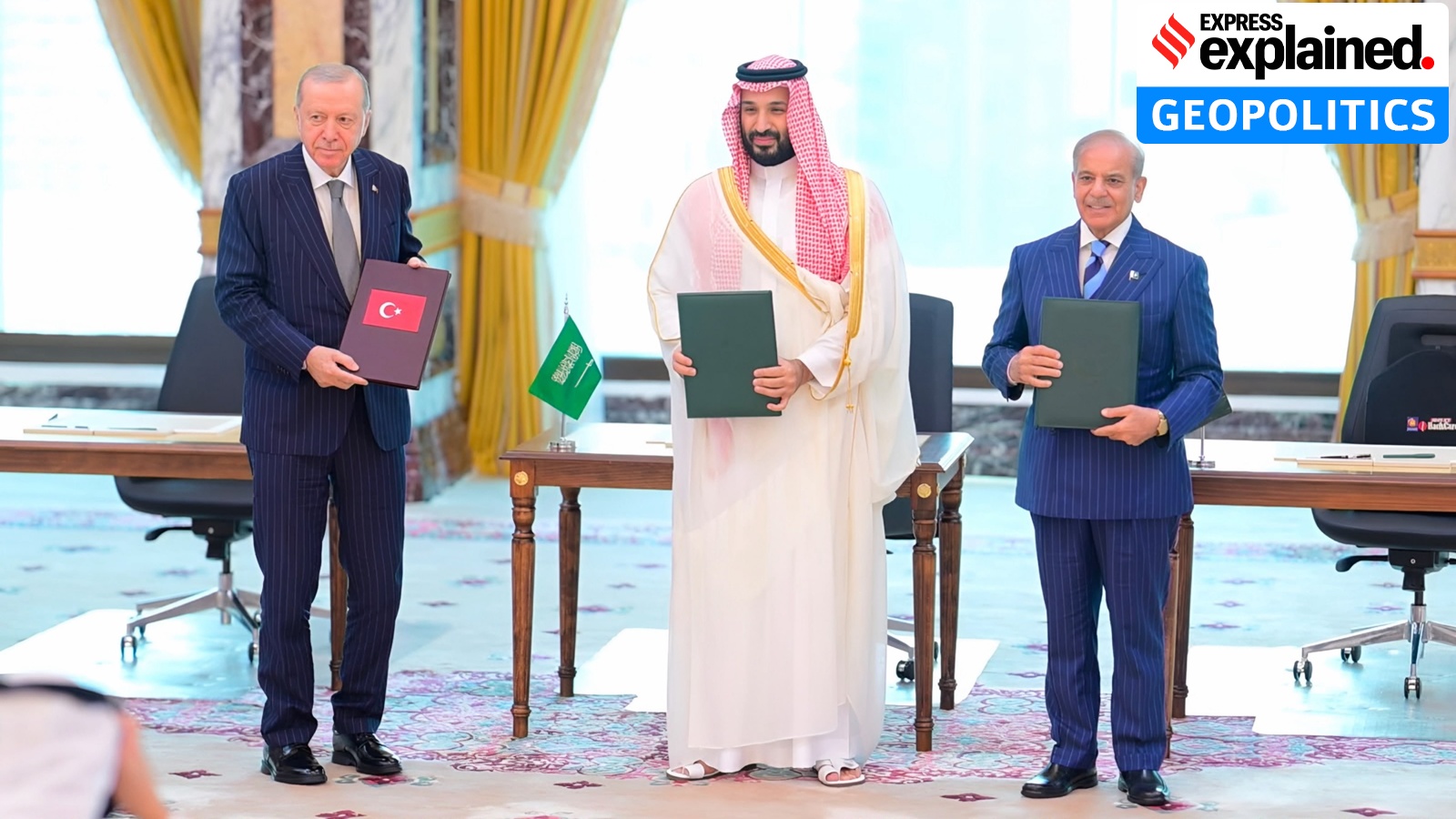
In August, three countries — Saudi Arabia, Turkey, and Pakistan — met in the holy city of Mecca and made a big promise to help each other if any of them is attacked.
This promise, called the Mecca Pact, says an attack on one is an attack on all.
Egypt, a large and powerful country, was invited to join but decided to stay out.
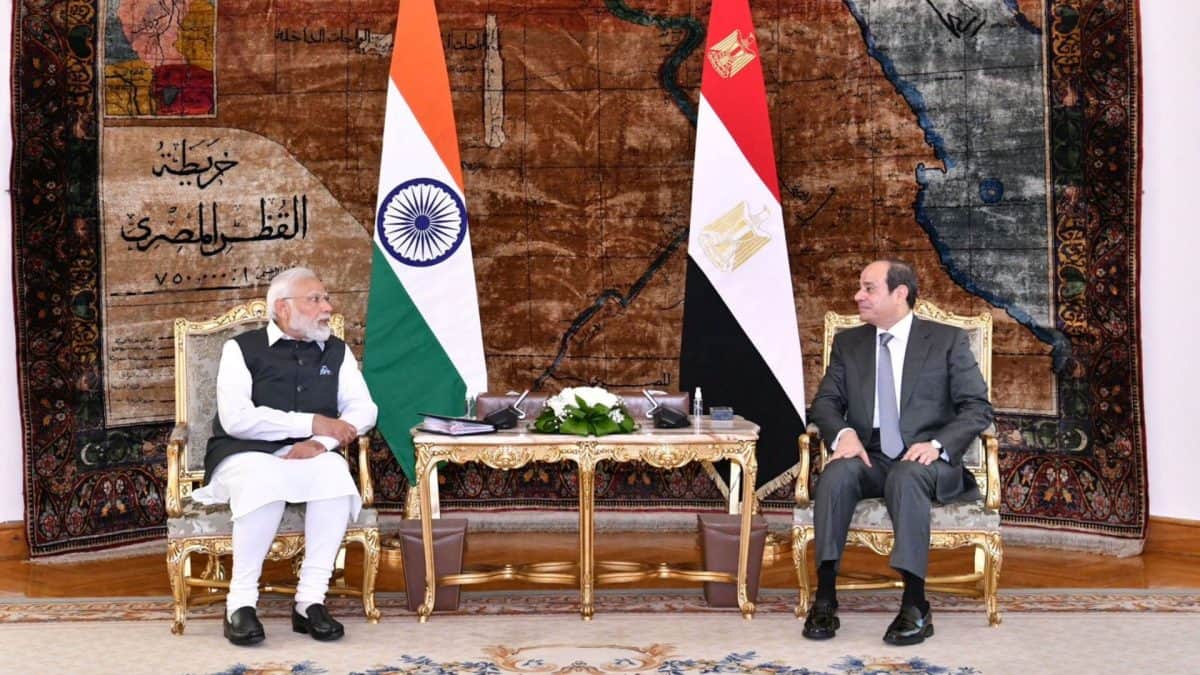
Egypt wants to stay close friends with India, a huge country it trades with, does military exercises with, and builds things together with.
Egypt also depends on money and help from the United Arab Emirates, which is not part of the pact.
Egypt's own rules say the president cannot send soldiers to fight in other countries without permission from parliament.
Egypt also worries that joining could drag it into arguments about the sea between Turkey, Greece, and Cyprus.
Saudi Arabia, which leads the pact, reportedly does not really want Egypt in it.
So for now, Egypt prefers to be friends with everyone and watch from the sidelines instead of picking a team.

Saudi Arabia, Turkey and Pakistan signed the Mecca Joint Defence Agreement in Mecca on August 7.
The pact treats an armed attack on any signatory as an attack on all, modelled on NATO's collective security framework and rooted in Article 51 of the United Nations Charter.
Turkey called Egypt a 'natural partner,' but Egyptian Foreign Minister Badr Abdelatty said Cairo is still evaluating the accord.
Egypt's key constraints include its strategic partnership with India, dependence on UAE investment, and maritime deals with Greece and Cyprus that clash with Turkish claims.
Gulf analysts say Saudi Arabia quietly opposes Egypt's inclusion, while Article 152 of Egypt's constitution restricts automatic foreign deployments.
- Who
- Saudi Crown Prince Mohammed bin Salman, Turkish President Recep Tayyip Erdoğan and Pakistani Prime Minister Shehbaz Sharif signed the pact; Egyptian President Abdel Fattah el-Sisi's government has stayed outside it.
- What
- The signing of the Mecca Joint Defence Agreement, a collective security treaty, and Egypt's decision not to join it.
- Where
- The pact was signed in Mecca, Saudi Arabia; the analysis centres on Egypt's ties with India, the UAE, Turkey, Greece and Cyprus.
- When
- The agreement was formally signed on August 7; Egypt says it is conducting legal, strategic and constitutional evaluations.
- Why
- Egypt wants to protect its partnership with India, its UAE-backed finances, its Mediterranean maritime deals, and its constitutional rules against automatic foreign military commitments.
Supporters of Egyptian accession
Opponents of Egyptian accession
Egypt's possible membership
Supporters of Egyptian accession
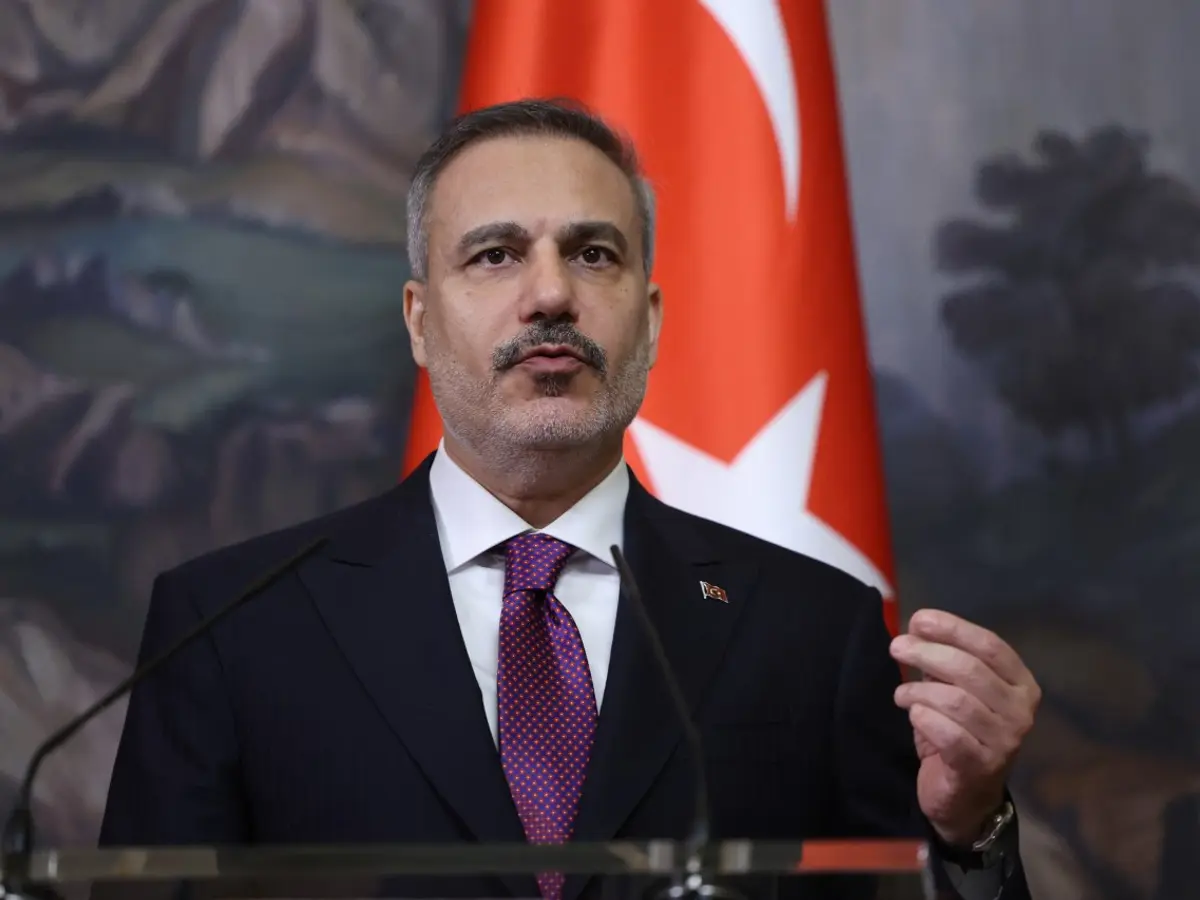
Turkish Foreign Minister Hakan Fidan called Egypt a 'natural partner' and said joining is mostly a matter of resolving minor technical and procedural frameworks.
Opponents of Egyptian accession
Gulf analysts say Saudi Arabia actively opposes Egypt's inclusion and prefers a lean alliance that avoids stabilising Egypt's economic vulnerabilities without gaining expeditionary capability.
The pact's value
Supporters of Egyptian accession
Regional observers praise the Mecca Pact as a necessary step toward regional self-reliance.
Opponents of Egyptian accession
Egyptian and Indian diplomatic sources say the pact offers Cairo minimal tangible defence gains and risks alliance entrapment that would strain ties with India.
Duration of Egypt's absence
Supporters of Egyptian accession
Turkish officials frame Egypt's non-participation as a temporary pause while Cairo completes legal, strategic and constitutional reviews.
Opponents of Egyptian accession
Analysts expect Egypt's exclusion to be long-term because Saudi opposition, Indian ties, UAE dependence and constitutional constraints all point away from membership.
Key facts
- Pact name
- Mecca Joint Defence Agreement
- Founding members
- Saudi Arabia, Turkey, Pakistan
- Signing date
- August 7
- Signing location
- Mecca, Saudi Arabia
- Core clause
- An armed attack on one signatory is treated as an attack on all
- Egypt's constitutional rule
- Article 152 requires National Defense Council consultation and a two-thirds parliamentary supermajority before foreign deployments
- UAE investment in Egypt
- $35 billion Ras El Hekma deal, finalised in early 2024
- Egypt–India ties
- Strategic partnership under el-Sisi and Modi; Sisi was chief guest at India's 74th Republic Day in 2023
Sources
Related news
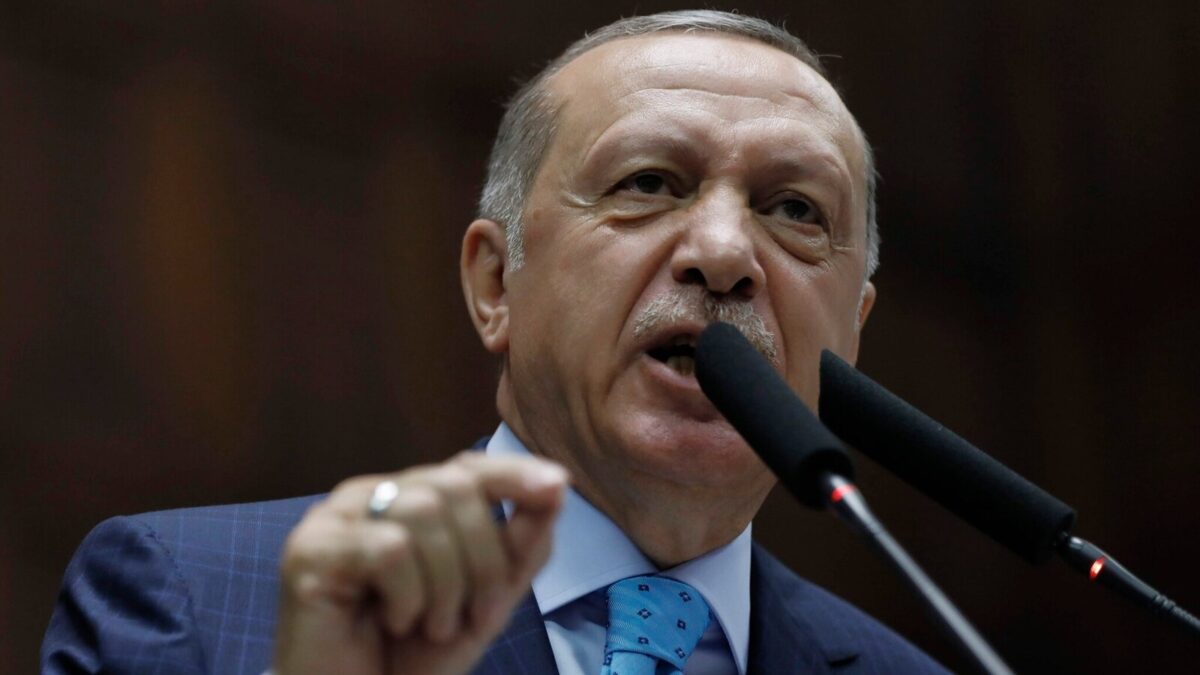
Erdogan Signals Egypt May Join Turkey-Saudi-Pakistan Defence Pact
Saudi Arabia, Turkey, Pakistan Sign Mecca Joint Defence Agreement
Turkey Says Egypt Expected to Join Makkah Defence Agreement
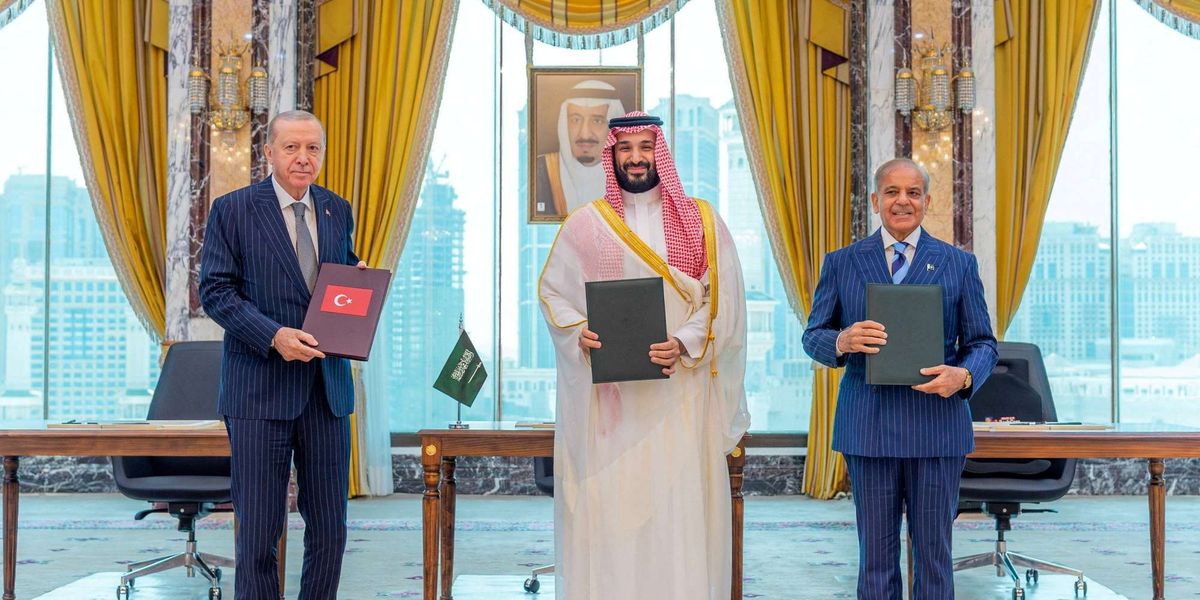
Saudi Arabia, Turkey and Pakistan sign Mecca Joint Defence Agreement

Saudi Arabia, Turkey, Pakistan Sign Mecca Defence Agreement
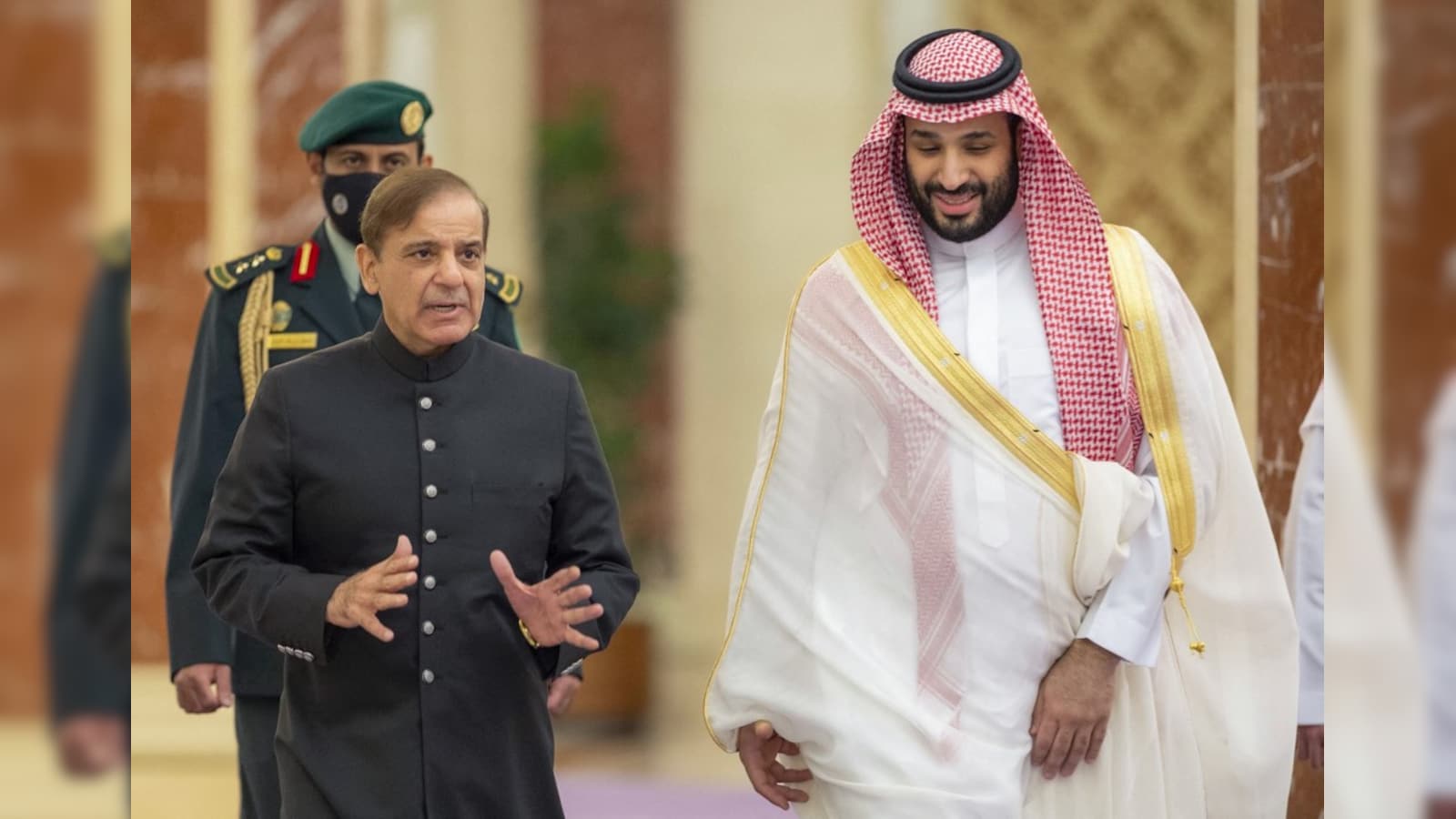
How Far Will Saudi Arabia Go for Pakistan's Mecca Pact?

Xi Jinping’s Egypt Visit Signals Deeper China-Middle East Ties
India Faces Diplomatic Test at High-Stakes BRICS Summit
US Envoys Meet Gaza Mediators in Cairo Amid Renewed Airstrikes
Kushner, Sisi discuss Gaza ceasefire as Israeli strikes resume
