

1 week ago
Lessons from Mubarak's Egypt: Stability, Growth, and Autocratic Rule
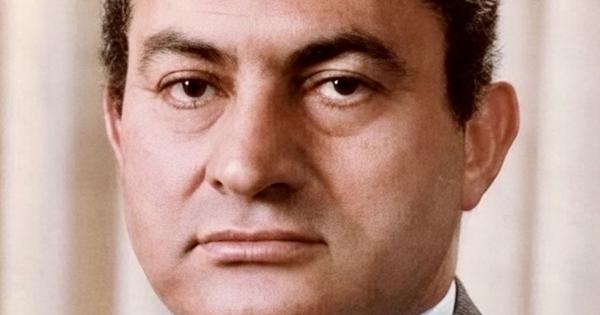
Hosni Mubarak was Egypt’s president for 30 years.
He said strong security and government control would keep the country stable.
His government built roads, a subway, airports, hotels, and tourist resorts.
However, many Egyptians still faced expensive housing, crowded schools, weak health services, and limited job opportunities.
The government used emergency laws to give security forces broad powers.
Critics could be questioned, jailed, or disappear.
Some people became wealthier through privatisation, but many workers remained underpaid.
Protests about corruption, Palestine, Iraq, and political exclusion became more common.
The article presents Mubarak’s rule as a period of stability and development that also deepened inequality and resentment.

Hosni Mubarak ruled Egypt from 1981 to 2011 under a permanent state of emergency.
His government expanded roads, overpasses, Cairo’s subway, tourism infrastructure, and resorts such as Sharm el-Sheikh.
Population growth, housing shortages, urban sprawl, strained public services, and unemployment intensified social pressures.
Security forces detained, jailed, or disappeared critics while Mubarak used single-candidate referendums to maintain power.
Privatisation benefited a small group of cronies, while protests grew over corruption, foreign policy, and political exclusion.
- Who
- Hosni Mubarak, his government, Egyptian citizens, critics, and protesters.
- What
- An assessment of how Mubarak’s autocratic rule pursued stability and economic development while worsening political exclusion and social pressures.
- Where
- Egypt, particularly Cairo, Luxor, and the Sinai Peninsula.
- When
- Mubarak ruled from 1981 to 2011; the article also discusses developments from the early 1990s through 2004.
- Why
- Mubarak prioritized state security and tourism development, while population growth, inadequate services, corruption, and political repression generated increasing public dissatisfaction.
Mubarak Government’s Stability and Development Case
Critics’ Repression and Inequality Case
Security versus political freedom
Mubarak Government’s Stability and Development Case
Mubarak’s government relied on emergency powers and a strong security apparatus to preserve order after political violence and instability.
Critics’ Repression and Inequality Case
Critics argued that emergency rule enabled detention, imprisonment, disappearances, political exclusion, and the suppression of dissent.
Tourism and infrastructure
Mubarak Government’s Stability and Development Case
The administration invested in tourism, Sinai resorts, roads, overpasses, the Cairo subway, and development around cultural sites.
Critics’ Repression and Inequality Case
Critics argued that infrastructure and high-end construction often served foreign visitors and developers more than ordinary Egyptians, while damaging places such as Luxor.
Economic development versus inequality
Mubarak Government’s Stability and Development Case
Privatisation and tourism were presented as routes to growth and foreign currency, particularly through resorts and cultural tourism.
Critics’ Repression and Inequality Case
The article says privatisation benefited cronies, while underpaid workers and ordinary Egyptians continued to face housing shortages, weak services, and limited opportunities.
Key facts
- President
- Hosni Mubarak
- Period in power
- 1981–2011
- State of emergency
- Declared after Anwar El-Sadat’s assassination and never lifted during Mubarak’s presidency, according to the article.
- Major development focus
- Tourism, roads, overpasses, Cairo’s subway, and resorts including Sharm el-Sheikh.
- Economic criticism
- Privatisation allegedly enriched a small group of cronies while workers remained underpaid.
- Social pressures
- Population growth, unaffordable housing, farmland loss, strained education, limited civil-service capacity, and public-health problems.
- Major protests discussed
- Demonstrations in Cairo in 2002 and protests against the 2003 invasion of Iraq.
Sources
Related news

Book Review Examines Iranian Survival Under Siege and Repression

Seven Years After Article 370, Peace and Development Reshape Kashmir
Mirza Fakhrul Takes Bangladesh Presidency Into Democratic Test
Bashar al-Assad: From London-trained doctor to Syria's fallen dictator
Xi Urges New Middle East Security Framework During Egypt Visit
