1 hr ago
McKinsey says energy measures could offset Hormuz oil disruption

McKinsey studied what could happen if oil shipments through the Strait of Hormuz were disrupted again.
The group said future energy projects might replace 35% to 70% of the oil flows affected by such a crisis by 2030.
These projects could include new pipelines, more oil supplies from other places, larger stored reserves, and greater use of electricity and clean energy.
The estimate is not a prediction because many of the projects have not been completed.
The energy system has already handled much of the recent disruption using stored supplies, alternate pipelines, and changing trade routes.
However, existing backups are becoming strained.
McKinsey said no single solution would be enough.
Instead, countries and companies would need several different energy routes, supplies, and backups.

Energy measures could offset 35-70% of pre-crisis Hormuz oil flows by 2030.
McKinsey stressed that the estimate is not a forecast and depends on implementation.
Potential measures include electrification, alternative supplies, bypass pipelines, inventories, and demand management.
About 21 million barrels per day of crude and refined products crossed the Strait in late 2025.
McKinsey said bypass pipelines could provide the largest share of potential disruption offsets.
- Who
- McKinsey Global Institute issued the assessment.
- What
- Energy security measures could potentially offset 35-70% of oil flows that previously passed through the Strait of Hormuz by 2030 during another major disruption.
- Where
- The assessment concerns oil shipments through the Strait of Hormuz and the wider regional and global energy system.
- When
- The report was published on September 29, 2026, and uses fourth-quarter 2025 flows as a reference.
- Why
- The measures are intended to reduce the impact of possible future disruptions by creating more energy routes, supplies, inventories, and alternatives.
Key facts
- Potential offset by 2030
- 35-70% of oil flows that passed through the Strait of Hormuz before the crisis
- Reference flow
- Around 21 million barrels per day of crude and refined products crossed the Strait in the fourth quarter of 2025
- Largest potential contributor
- Bypass pipelines
- Other measures
- Electrification, alternative oil and gas supplies, changed trade routes, larger inventories, demand management, and clean energy
- Forecast status
- McKinsey said the estimate is not a forecast and depends on whether proposed projects are implemented
- Energy-efficiency opportunity
- Improving industrial energy efficiency could reduce energy costs by up to $600 billion annually
- System vulnerability
- McKinsey said two-thirds of energy trade passes through maritime chokepoints and one-third crosses geopolitical lines
Quotes

McKinsey Global Institute
Research institute that authored the report
“Energy security comes less from eliminating dependence than from creating layers of optionality and diversification, more sources, more routes, more buffers, and more alternatives for energy itself.”
 thehindubusinessline.com
“This offers a real-world illustration that the energy security tool kit can achieve substantial results, but it is not a forecast.”
thehindubusinessline.com
Sources
Related news
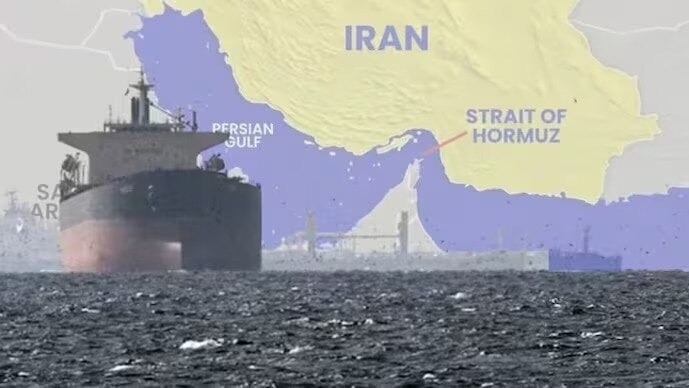
Why Global Energy Has Withstood the Strait of Hormuz Disruption
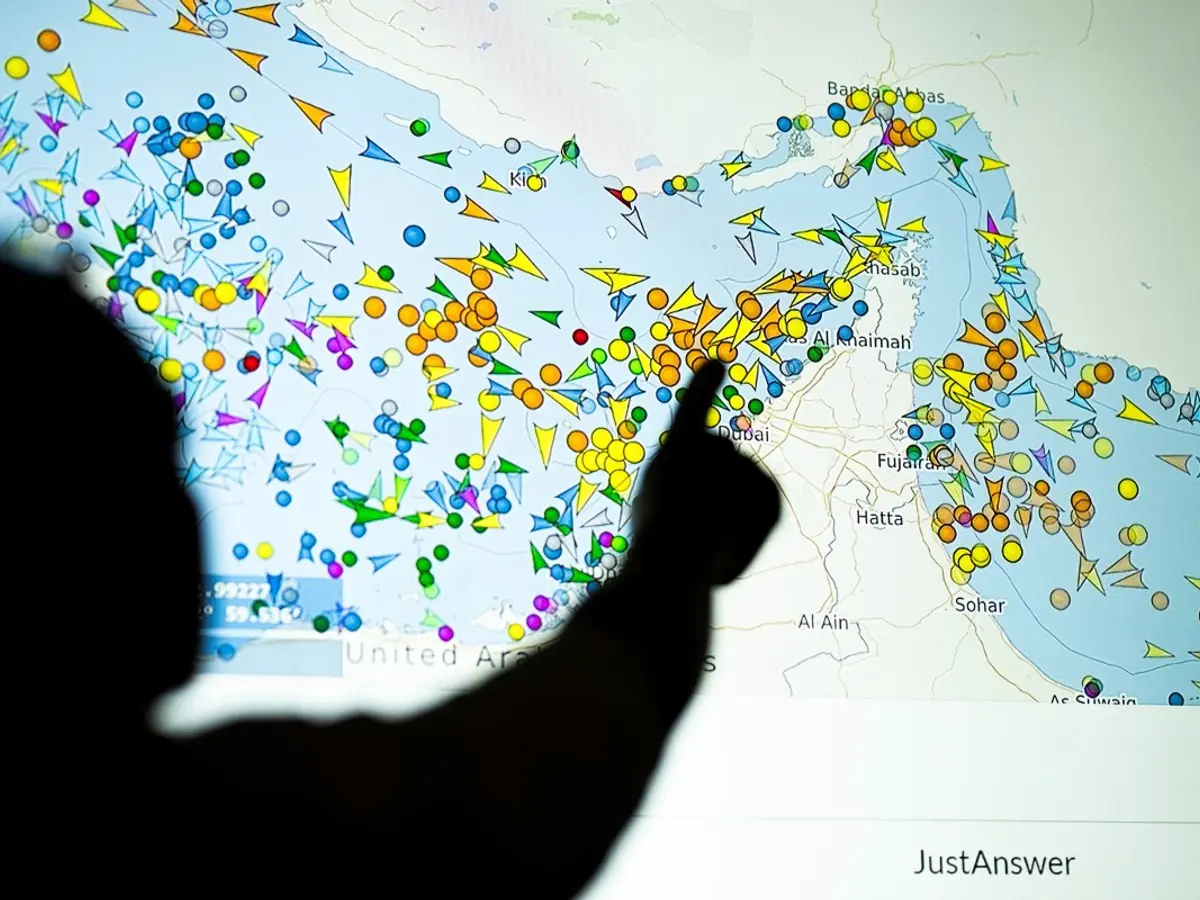
Trump’s Hormuz Strategy Seeks Alternative Energy Routes

Bessent Predicts Pipelines Will Bypass Strait of Hormuz
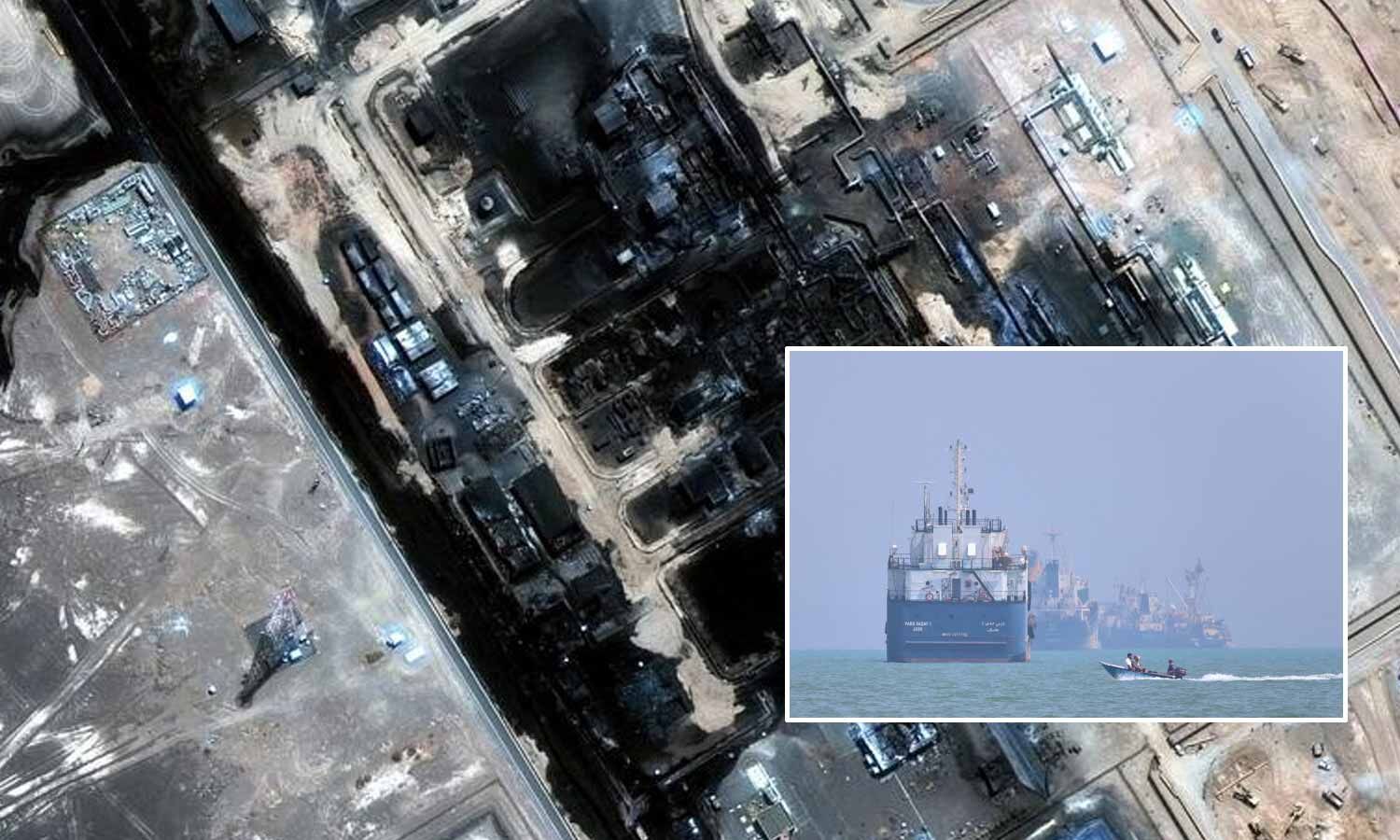
Gulf Oil Workarounds Keep Markets Supplied as Costs Mount

Saudi Arabia Seeks Oil Export Alternatives After Pipeline Attack
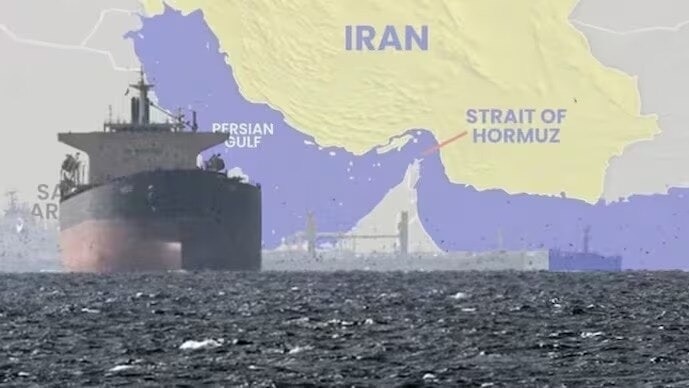
Iran-Oman Routes Keep Hormuz Closed, Threatening Oil and Trade
Trump Denies Iran Sanctions Relief Offer as Ceasefire Talks Resume

Gold And Silver Prices Slip As US Yields, Tensions Weigh

Indian Stocks Fall as Oil Prices and Outflows Weigh

Rupee Opens 16 Paise Lower as Oil, Outflows Weigh