1 hr ago
US-Iran Standoff Deepens as Both Sides Misjudge Leverage
The United States and Iran are in a serious standoff involving war, oil, shipping, and nuclear talks.
Iran offered a plan, but President Donald Trump rejected it.
The plan included stopping attempts to close the Strait of Hormuz and starting nuclear discussions.
The United States says its navy has protected ships and stopped Iran from exporting oil by sea.
This has put more pressure on Iran’s already weak economy.
But Iran’s leaders believe their government’s survival is more important than easing hardship quickly.
The author says the United States may not understand how determined Iran is to keep fighting.
Both sides may be taking risks because neither knows exactly how much power the other has.

Donald Trump rejected an Iranian proposal involving US concessions in exchange for easing pressure around the Strait of Hormuz and beginning nuclear discussions.
The article says the US Navy has helped reopen Hormuz to non-Iranian shipping while blocking Iran’s maritime oil exports.
Oil flows through the strait reportedly reached as many as 22 million barrels in 48 hours, compared with about 20 million barrels daily before the war.
Iran’s leaders are portrayed as prioritizing the Islamic Republic’s survival over economic relief, making them resistant to US pressure.
The author says both Washington and Tehran may have overestimated their leverage, while Qatar continues reported shuttle diplomacy.
- Who
- The United States, President Donald Trump, Iran’s government and military leadership, and Qatar as a reported diplomatic intermediary.
- What
- A rejected Iranian proposal has left a US-Iran standoff over the Strait of Hormuz, oil exports, economic sanctions, and future nuclear talks.
- Where
- The confrontation is centered on Iran, the Persian Gulf and Strait of Hormuz, with possible wider consequences including reported incidents near Fairford, England.
- When
- The article discusses developments during a war that began about seven months before publication, including events over the preceding weekend and the current diplomatic effort.
- Why
- The sides disagree over economic relief, control of Hormuz, nuclear negotiations, deterrence, and the survival and security of Iran’s Islamic Republic.
Washington’s Leverage
Tehran’s Resistance
Effect of economic pressure
Washington’s Leverage
The US believes naval power, blocked oil exports, sanctions, and Gulf cooperation are putting Iran in an increasingly difficult position.
Tehran’s Resistance
Iran’s leadership has endured sanctions for decades and may accept further hardship because it views regime survival as the overriding priority.
Control of the Strait of Hormuz
Washington’s Leverage
The article says the US Navy has prevented Iran from stopping non-Iranian shipping and has demonstrated greater control of the waterway.
Tehran’s Resistance
Iran views control of Hormuz as a source of geopolitical leverage and deterrence, and may continue escalating to preserve it.
Prospects for compromise
Washington’s Leverage
Trump reportedly considers the Iranian offer too limited and believes Tehran cannot use US midterm elections as leverage.
Tehran’s Resistance
Iran may seek greater economic relief and security guarantees before compromising, while Trump’s actions have reinforced Iranian hardliners’ belief that the US is untrustworthy.
Key facts
- Iranian proposal
- Iran reportedly offered to stop trying to close the Strait of Hormuz within seven days and then begin nuclear talks.
- US response
- Donald Trump rejected the proposal, which included frontloaded US concessions such as $12 billion and other benefits, according to the article.
- Shipping flows
- As many as 22 million barrels of oil may have passed through Hormuz in 48 hours over the weekend.
- Prewar comparison
- Oil flows through the strait were described as about 20 million barrels per day before the war.
- US naval role
- The article says the US Navy blocked Iran’s maritime crude exports while helping reopen the waterway to non-Iranian traffic.
- Iranian economic pressure
- US sanctions and tighter Gulf enforcement of sanctions-evasion channels have worsened pressure on Iran’s economy.
- Diplomacy
- Qatar was reportedly continuing shuttle diplomacy, leaving open the possibility of a future agreement.
Sources
Related news

Trump Says Iran War May End Soon, Strikes Remain Possible
US and Iran Explore Phased Deal to Reopen Strait
Trump Leaves Iran Strikes Possible as Tehran Warns of War
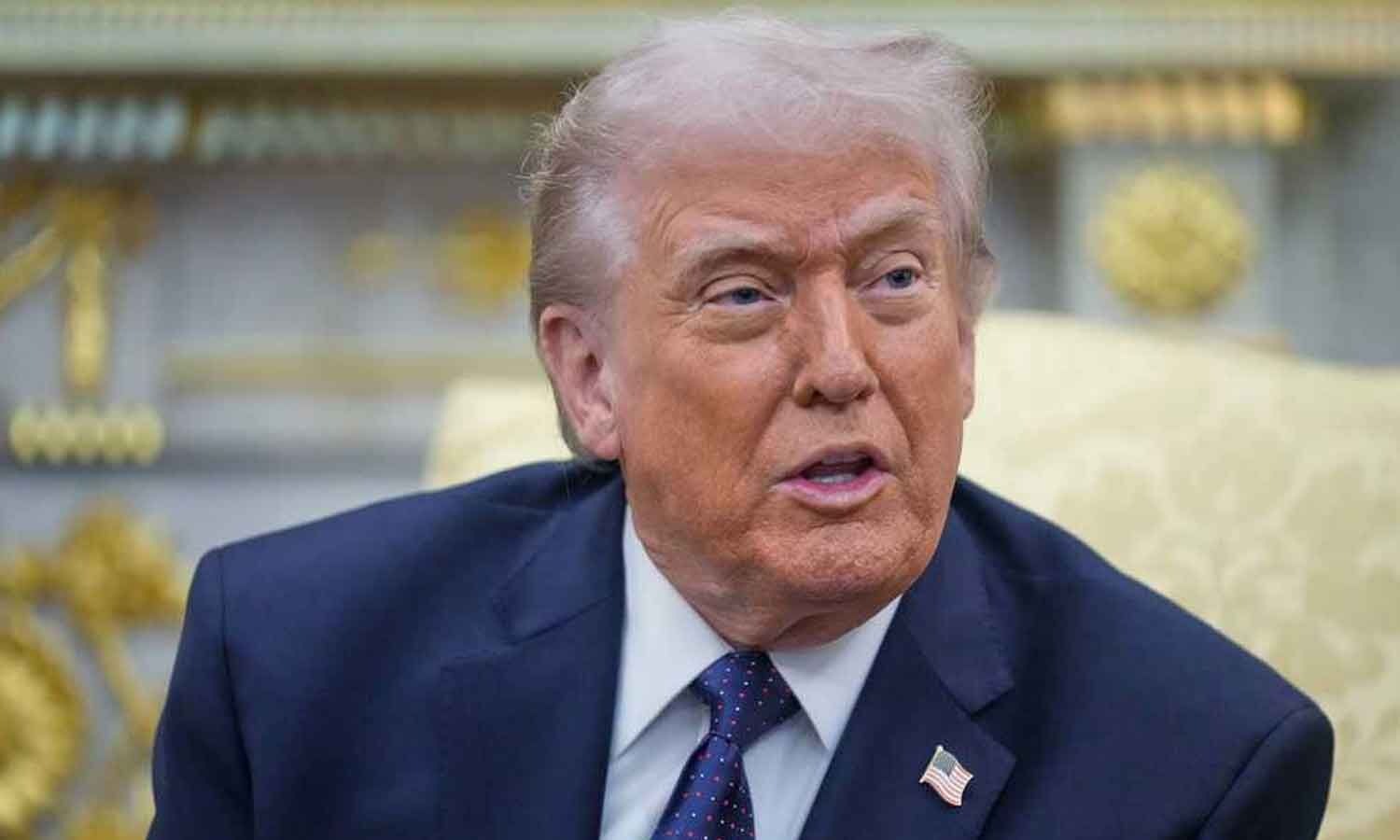
Trump Says Iran War Ends After US Midterm Vote
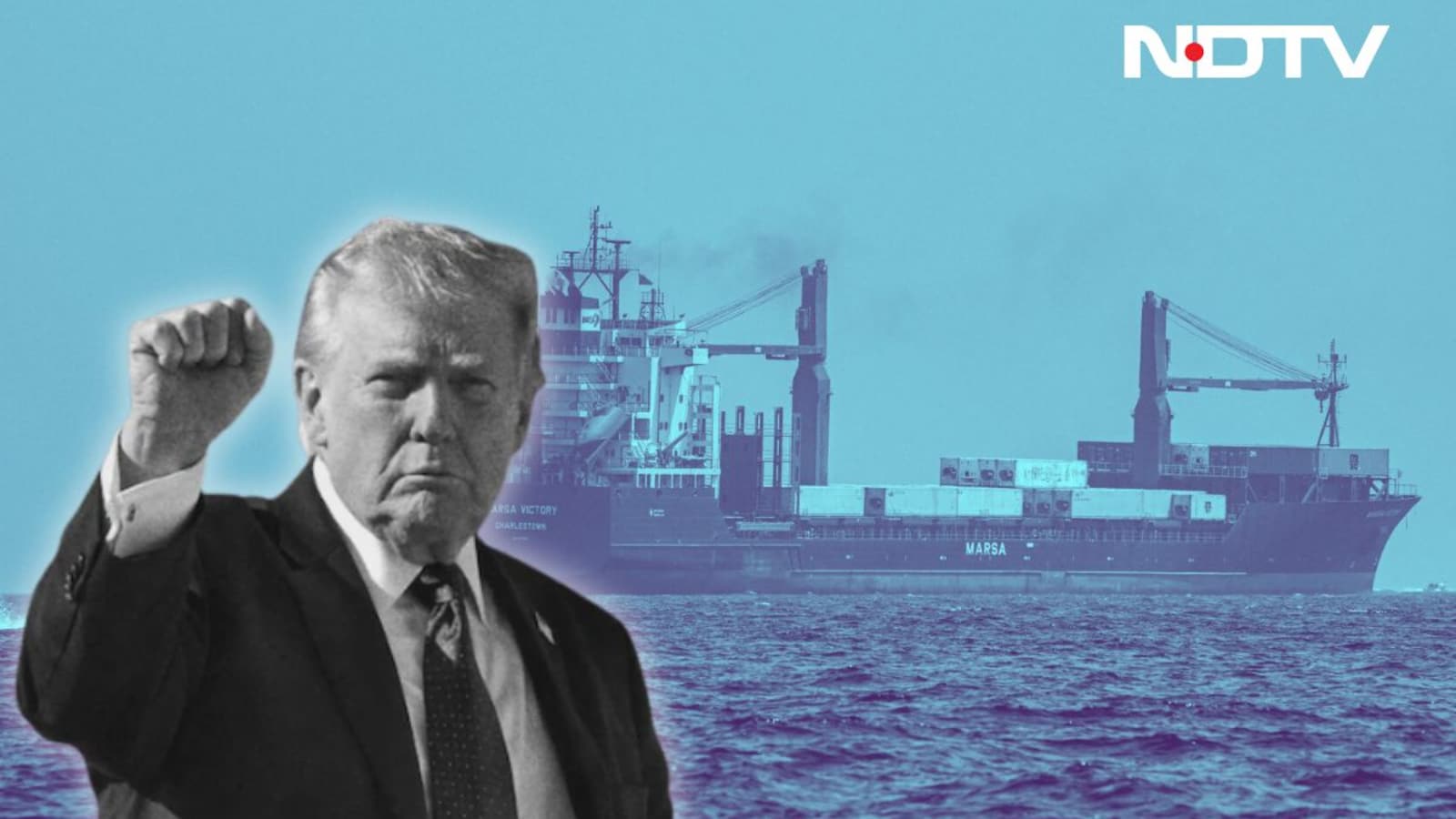
Trump Aides Seek to Keep Iran War Quiet Before Midterms

Trump Warns Iran of Annihilation, Predicts Deal After Midterms

Indian Stocks Fall as Oil Prices and Outflows Weigh
Rupee Opens 16 Paise Lower as Oil, Outflows Weigh
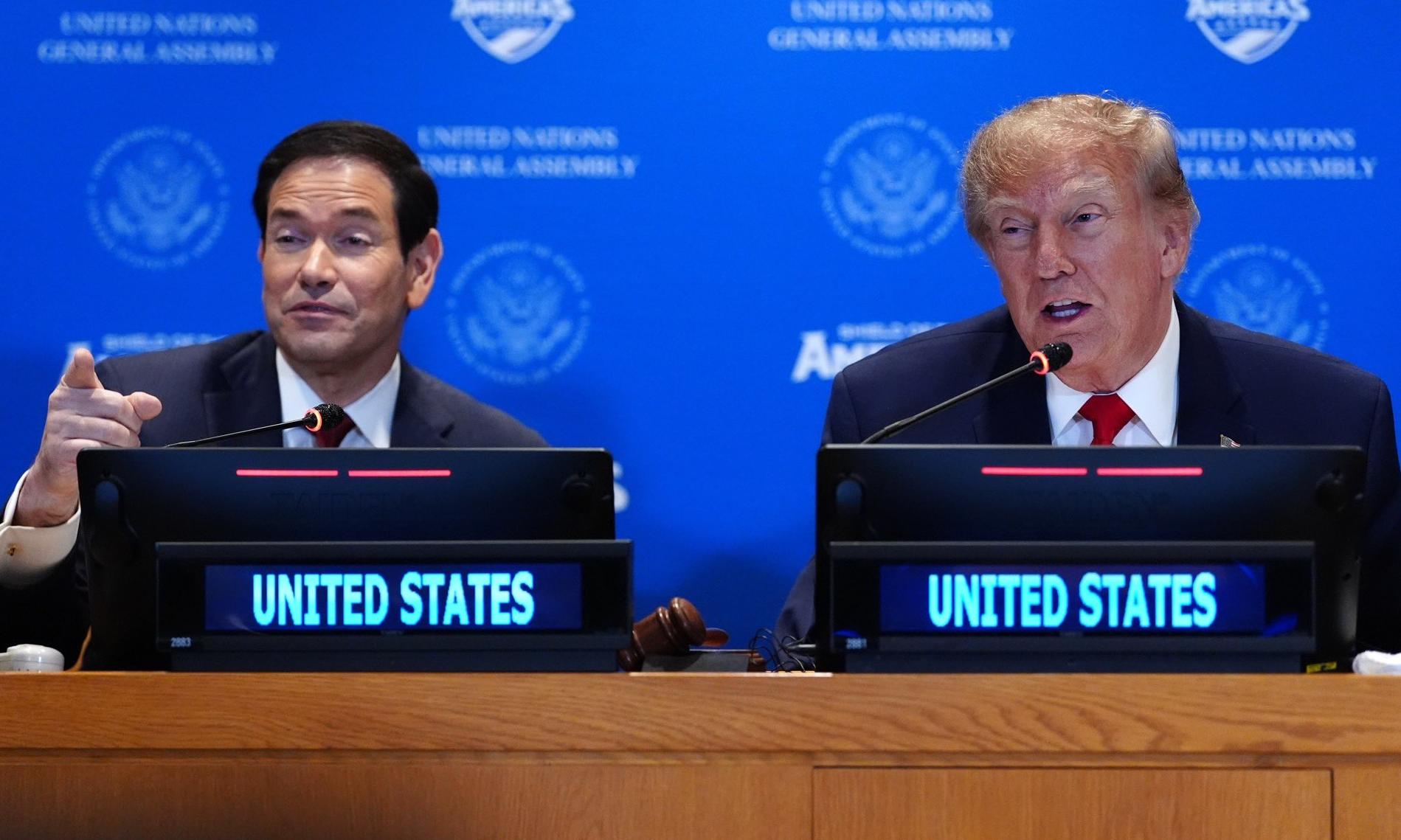
Rubio Says Trump Blocked Iran’s Path to Nuclear Immunity

Indian Navy Commanders Meet on West Asia Crisis, Energy Security