2 hrs ago
Trump’s Hormuz Strategy Seeks Alternative Energy Routes
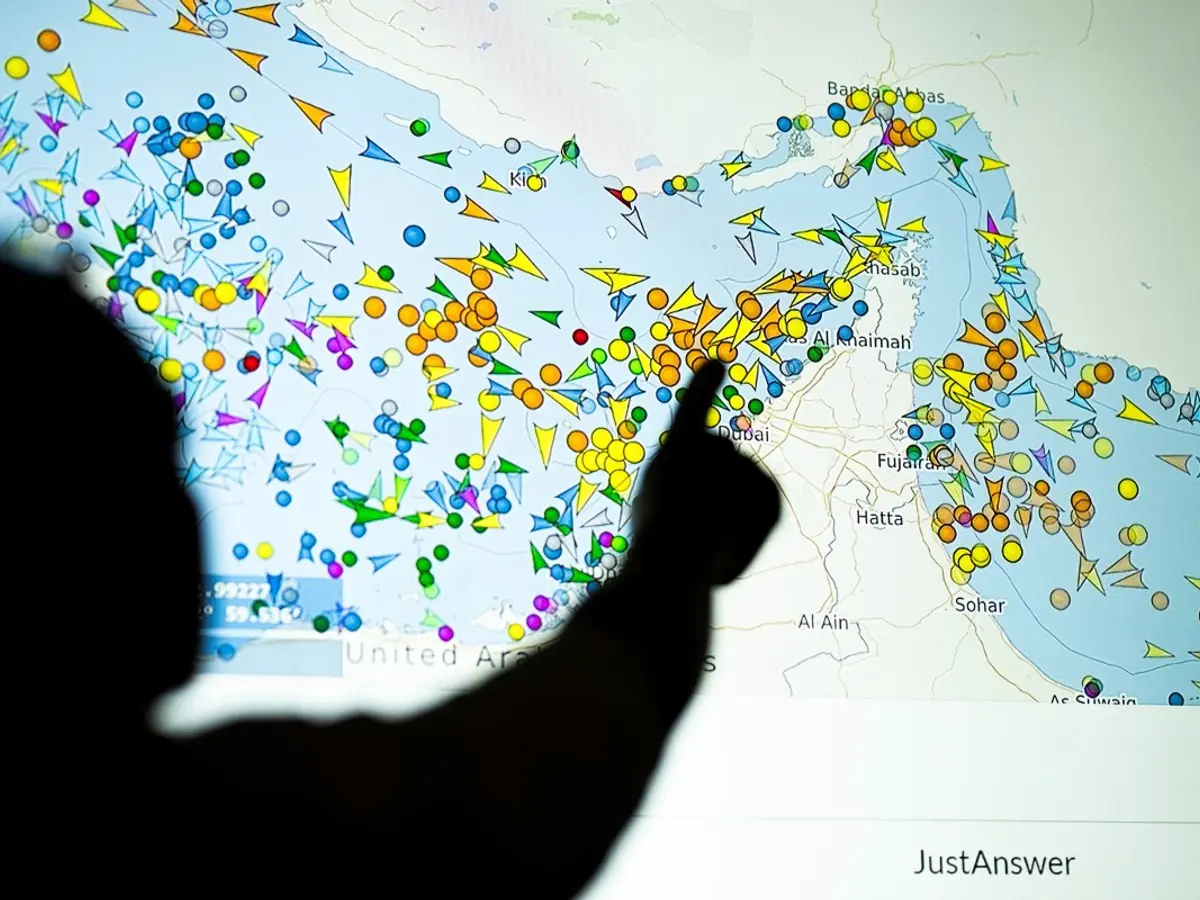
The Strait of Hormuz is a narrow waterway used to move a lot of the world’s oil and gas.
The United States wants to build more pipelines and use other ports so energy shipments do not depend on it as much.
Saudi Arabia and the United Arab Emirates already have routes that avoid the strait.
New or revived pipelines through Iraq and Syria could create another path to the Mediterranean Sea.
Officials say these changes could make Hormuz much less powerful within a few years.
However, building pipelines across countries would cost billions and take time.
Pipelines could also be attacked by missiles, drones or sabotage.
Qatar’s liquefied natural gas exports would still need to travel by sea.
So the plan may weaken Hormuz’s monopoly rather than make the waterway completely irrelevant.

The Trump administration wants pipelines and ports to reduce the Strait of Hormuz’s importance in global energy markets.
Treasury Secretary Scott Bessent said 50% to 70% of energy now passing through Hormuz could eventually use underground pipelines.
Saudi Arabia, the United Arab Emirates, Iraq and Syria are central to proposed bypass routes, including Petroline and a Basra-to-Baniyas corridor.
Projects under development or discussion could add 7.3 million barrels per day of bypass capacity by the end of 2028.
Analysts say alternative routes could weaken Iran’s leverage, but pipelines, the Red Sea and LNG shipping would remain vulnerable to disruption.
- Who
- The Trump administration, including Scott Bessent and Marco Rubio, is backing alternative energy routes involving Saudi Arabia, the United Arab Emirates, Iraq and Syria.
- What
- The administration is seeking to reduce global dependence on the Strait of Hormuz by expanding pipelines, ports and other energy corridors.
- Where
- The proposed routes run through Saudi Arabia, the United Arab Emirates, Iraq and Syria, linking Gulf energy supplies to the Red Sea and Mediterranean coast.
- When
- The administration has discussed a two-year timeline, while proposed projects could add bypass capacity by the end of 2028.
- Why
- The goal is to reduce Iran’s ability to use Hormuz as an economic and strategic chokepoint.
Reduce Hormuz Dependence
Limits and Continuing Risks
Strategic value of bypass routes
Reduce Hormuz Dependence
Washington argues that pipelines, ports and corridors through Saudi Arabia, the United Arab Emirates, Iraq and Syria could weaken Iran’s ability to use Hormuz for economic leverage.
Limits and Continuing Risks
The article says bypassing Hormuz may simply shift risks to vulnerable pipelines, the Red Sea and other chokepoints.
Can Hormuz become irrelevant?
Reduce Hormuz Dependence
Scott Bessent predicted that the strait could become irrelevant within two years, while proposed projects could eventually allow about 60% of Gulf pre-war oil exports to avoid it when necessary.
Limits and Continuing Risks
The article distinguishes between making Hormuz less important and making it obsolete, noting that construction costs, cross-border coordination and security threats could limit the strategy.
Oil versus gas
Reduce Hormuz Dependence
Crude oil pipelines could provide major alternatives for producers such as Saudi Arabia, the United Arab Emirates and Iraq.
Limits and Continuing Risks
Pipelines cannot solve Qatar’s dependence on maritime liquefied natural gas exports, with roughly one-fifth of global LNG trade previously passing through Hormuz.
Key facts
- Current Hormuz oil flow
- Before the Iran war, roughly 15 million barrels of Persian Gulf oil passed through the strait each day.
- Bessent’s forecast
- Scott Bessent said 50% to 70% of energy currently moving through Hormuz could eventually use underground pipelines.
- Saudi Petroline
- Saudi Arabia’s East-West Pipeline can carry as much as 7 million barrels of crude per day, with a possible additional 1 million to 2 million barrels of capacity.
- Proposed Iraqi-Syrian corridor
- A Basra-to-Baniyas pipeline corridor could eventually carry about 2 million barrels of oil per day.
- Potential bypass capacity
- Projects being developed or discussed could provide 7.3 million barrels per day of additional bypass capacity by the end of 2028.
- LNG dependence
- About one-fifth of global liquefied natural gas trade passed through Hormuz before the war.
- Security risks
- Alternative pipelines and shipping routes could face missile attacks, drone strikes, sabotage or new chokepoints such as Bab el-Mandeb.
Sources
Related news

Bessent Predicts Pipelines Will Bypass Strait of Hormuz
Syria Pitches Mediterranean Oil Route as Hormuz Alternative

US Oil Flows Continue as Strait of Hormuz Faces Disruption

U.S. Opens Secret Oil Corridor Through Hormuz Amid Iran Stalemate

Iran Questions US Claims Southern Strait of Hormuz Route
Iran-Oman strike landmark deal to secure Strait of Hormuz

India’s U-20 Asian Cup Qualification Hinges on Bangladesh Match

Syria Begins Destroying Remnants of Assad Chemical Weapons Program
Iran’s Proxy Network Weakens, But Its Wars Persist