2 hrs ago
Gulf Oil Workarounds Keep Markets Supplied as Costs Mount
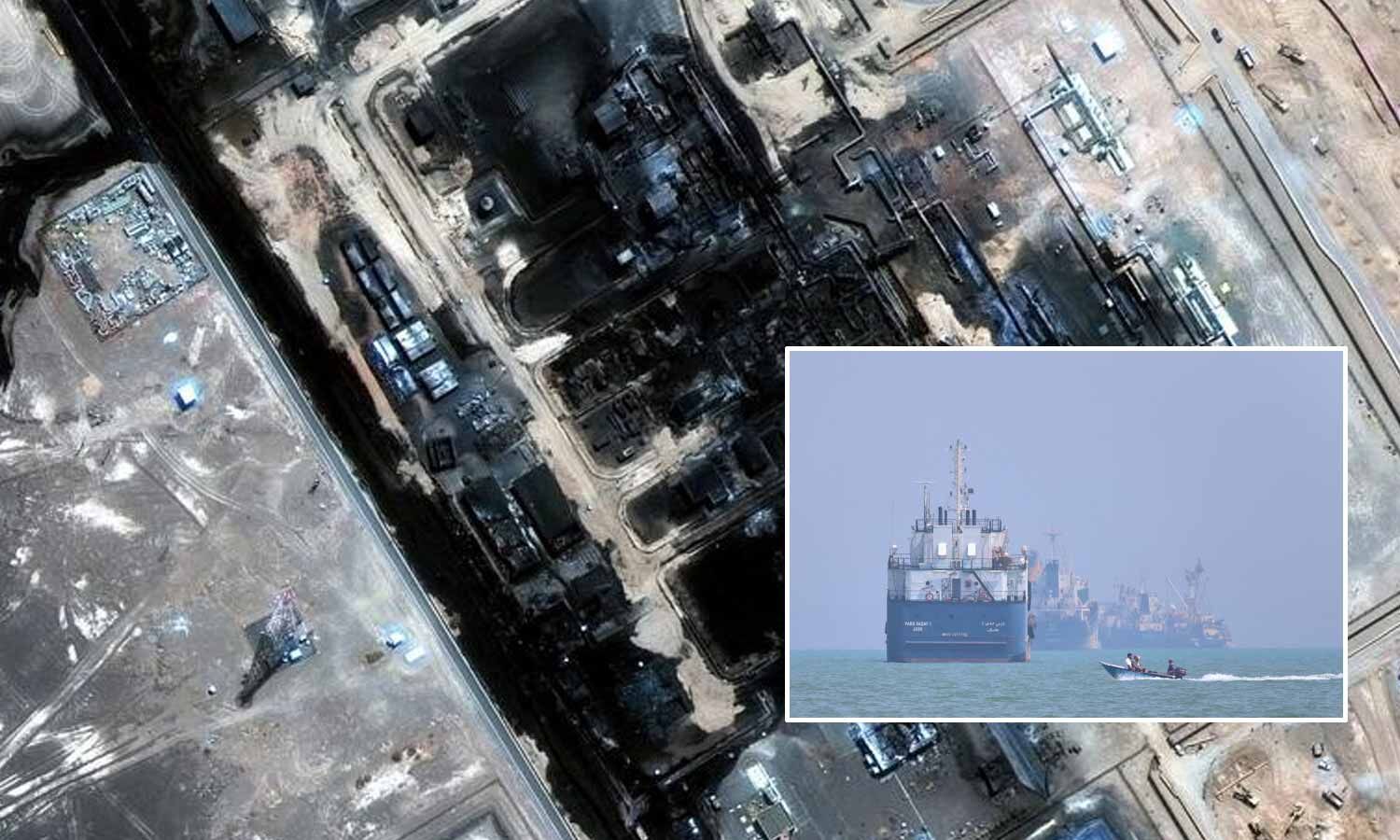
Iran closed the Strait of Hormuz during the war, blocking a major route for oil ships.
Saudi Arabia and other Gulf countries found different ways to move some of their oil.
They used pipelines, longer shipping routes and a US-protected path through the strait.
These methods restored about 8 million barrels of oil per day.
The world has also used oil stored in inventories, while high prices reduced demand.
Because of this, oil costs about $100 per barrel instead of rising much higher.
However, the new routes take longer and require very expensive ships.
Attacks on pipelines or ships could make the oil shortage worse.
The current solution may therefore work only for a limited time.

Saudi Arabia and other Gulf producers rerouted oil through pipelines, tankers and US-supervised shipping corridors after Iran closed the Strait of Hormuz.
About 8 million of the roughly 15 million barrels per day disrupted by the closure have been restored through alternative routes.
Oil inventories, weaker demand and additional production elsewhere have helped keep prices near $100 a barrel instead of reaching $140-$150.
The alternative routes are costly, with Hormuz shuttle tanker rates reaching about $1 million per day on September 11.
Pipeline attacks and possible Iranian action against shipping routes could further disrupt supplies and make the workarounds even more expensive.
- Who
- Saudi Arabia, the United Arab Emirates, other Gulf oil producers, Iran, the United States and oil shippers.
- What
- Gulf producers have used alternative pipelines and shipping routes to restore part of the oil supply disrupted by the closure of the Strait of Hormuz.
- Where
- Alternative routes run through Yanbu, Fujairah, Oman, the Red Sea, the Mediterranean, the Suez Canal and the Strait of Hormuz.
- When
- The disruption has lasted nearly seven months; a pipeline attack earlier this month forced a shutdown, and tanker rates peaked on September 11.
- Why
- The routes were created to keep oil exports moving after Iranian attacks and the closure of the Strait of Hormuz.
Key facts
- Oil disrupted initially
- About 15 million barrels per day were blocked when Iran shut the Strait of Hormuz.
- Oil restored through alternatives
- An estimated 8 million barrels per day are now moving through alternative routes.
- Current oil price
- Oil is trading at around $100 per barrel.
- Inventory drawdown
- Global oil inventories are being reduced by about 3.5 million barrels per day.
- Demand reduction
- Higher prices and weak economic growth have reduced demand by an estimated 5 million barrels per day.
- Hormuz tanker rates
- Spot charter rates reached about $1 million per day on September 11.
- Potential forecast
- Rystad Energy expects oil prices could fall to $85-$90 per barrel late in the year and $80-$82 next year if Hormuz reopens.
Quotes
Rahul Choudhary
Vice president of upstream research at Rystad Energy
“Our take is that the market is very tightly balanced. That is why you are not seeing exceptionally high prices for crude; they are still in the $100 range, and they have not touched $140-$150 per barrel — which could have been the case if there was a deficit of 5-6 million barrels.”
 thehansindia.com
Sources
Related news

Saudi Arabia Seeks Oil Export Alternatives After Pipeline Attack
War-Driven Chokepoints Keep Oil Prices High, Threatening India

Saudi East-West Pipeline Closure Threatens Global Oil Supplies and Prices

Widening US-Iran Conflict Threatens Middle East Oil Shipping Routes

Iran-Gulf Meeting Postponed as Attacks Disrupt Oil Routes

Oil Rises as Saudi Pipeline Shutdown Threatens Middle East Supplies
Trucks Jam Turkiye-Iran Border as Blockade Disrupts Trade
Rubio says Trump remains open to deal with Iran
Oil Falls as Hormuz Shipments and Supply Risks Reemerge
Treasury Yields Hit 19-Year High as Stocks Tumble